
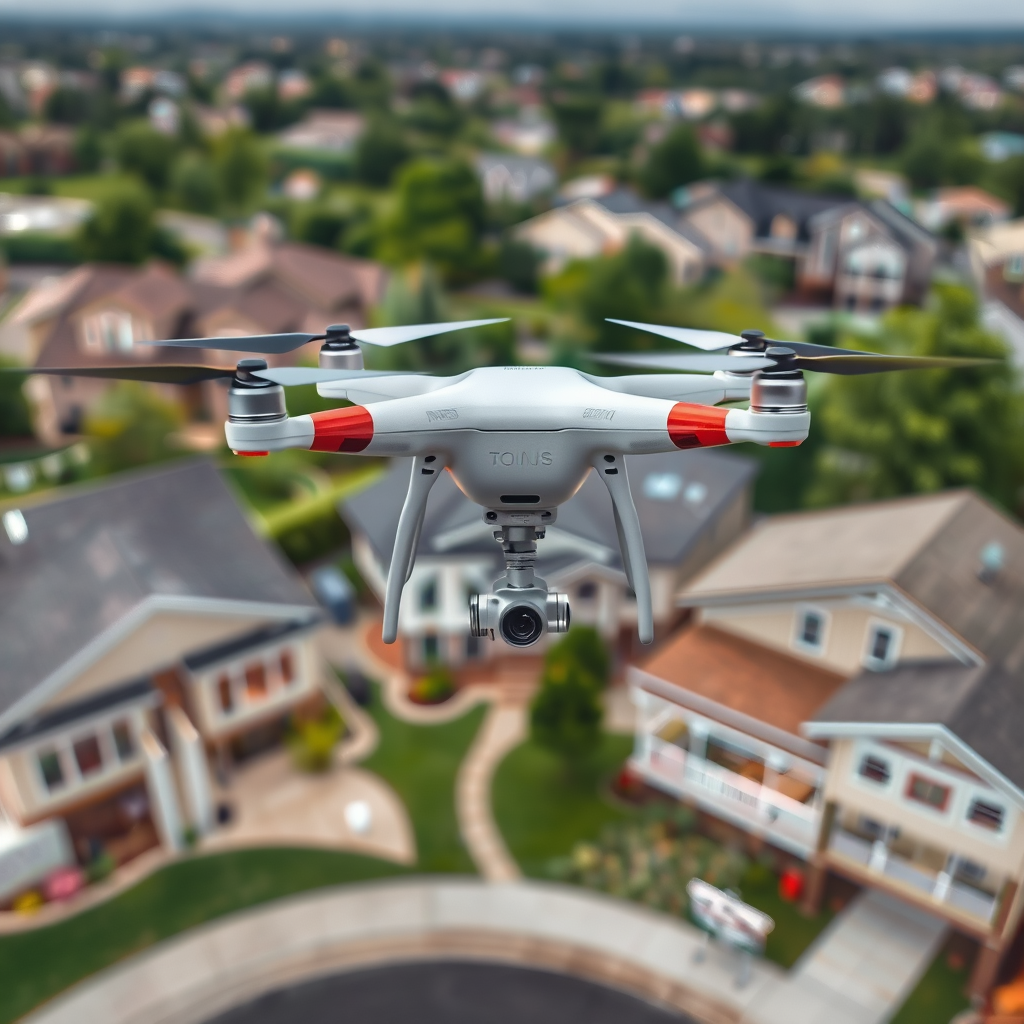
Yes, people can fly drones over private property, but there are important regulations and considerations involved. Understanding the legal framework and respecting privacy rights is essential to ensure you fly your drone responsibly. The intersection of drone technology, property rights, and privacy laws creates a complex landscape that every drone operator must navigate to avoid legal pitfalls and foster good relationships with the community.
Understanding Drone Regulations
The use of drones in the United States is primarily governed by the Federal Aviation Administration (FAA), which sets forth comprehensive guidelines to ensure safety and compliance. According to FAA regulations, drone operators must adhere to certain operational limitations, including altitude restrictions, no-fly zones, and the necessity of registering their drones if they exceed a specific weight. Additionally, operators must maintain visual line-of-sight with their drones and cannot fly over groups of people or moving vehicles.
Beyond federal regulations, local laws may impose further restrictions on drone flights. For instance, some municipalities have enacted ordinances that prohibit flying drones in specific areas, such as parks, schools, or residential neighborhoods. These local laws can vary significantly, so it is crucial for drone operators to research and understand the regulations specific to their location. Failure to comply with both federal and local regulations can lead to fines, confiscation of equipment, or even criminal charges, making it imperative to remain informed about the legal landscape.
Property Rights and Airspace
The question of property rights and airspace is nuanced and has been the subject of legal debate. While landowners have rights to the airspace above their property, the extent of these rights can vary. Generally, the FAA maintains control over navigable airspace, which is defined as the airspace above the minimum flight altitude. This means that while a property owner may have rights to a certain height above their land, the FAA regulates air traffic at higher altitudes.
However, trespassing laws also apply to drone flights. If a drone is flown at such a height that it invades a property owner’s reasonable expectation of privacy, this could constitute trespassing. Courts have increasingly been tasked with interpreting these laws, leading to a patchwork of rulings that can differ from state to state. For example, in some jurisdictions, courts have ruled in favor of property owners, granting them rights over the airspace immediately above their land, while others have sided with drone operators under the FAA’s jurisdiction. Understanding these distinctions is essential for responsible drone operation.
Privacy Concerns
Flying drones over private property can raise significant privacy issues, which may lead to legal disputes. As drones become more capable of capturing high-resolution images and video, individuals are becoming increasingly concerned about surveillance and the potential for invasion of privacy. For instance, a drone equipped with a camera can easily capture images of private properties, potentially leading to claims of harassment or invasion of privacy if used irresponsibly.
In response to these concerns, several states have enacted laws specifically addressing drone surveillance. For example, states like California and Florida have implemented regulations that prohibit the use of drones to capture images of individuals or their private property without consent. Drone operators must be aware of these laws and consider the ethical implications of their flights. To mitigate privacy concerns, it is advisable to inform property owners before flying over their land and to refrain from capturing images or video without explicit permission.
Best Practices for Drone Operators
To ensure responsible drone use, operators should adopt best practices that respect the rights of property owners and comply with regulations. First and foremost, always seek permission from property owners before flying over their land. This not only establishes goodwill but also helps to avoid potential legal conflicts. A simple phone call or email requesting permission can go a long way in fostering positive relationships with the community.
Additionally, maintaining a respectful distance from private properties is crucial. Operators should avoid hovering over homes or other private areas, as this can be perceived as intrusive. It is advisable to fly at a height that minimizes disruption and avoids capturing images of individuals without their knowledge. Being transparent about the purpose of your flight can also help alleviate any concerns property owners may have. Adhering to these best practices enhances the experience for both drone operators and property owners, creating a more harmonious environment.
Consequences of Violating Regulations
Violating drone flight regulations can have serious consequences. The FAA has the authority to impose fines for non-compliance, which can range from a few hundred dollars to several thousand, depending on the severity of the offense. Additionally, local law enforcement may take action against operators who disregard municipal drone laws, leading to potential criminal charges or civil lawsuits.
Understanding both federal and state laws is crucial to avoid penalties. Drone operators should familiarize themselves with the specific regulations that apply in their area and stay informed about any changes to those laws. Regularly checking the FAA’s website and local government resources can help maintain compliance and protect operators from unintentional violations. In an era where drone usage is on the rise, being proactive about understanding the legal landscape is more important than ever.
Technological Implications
Advances in drone technology are rapidly evolving, which may have significant implications for privacy laws and regulations in the future. With the development of more sophisticated drones capable of autonomous flight and enhanced surveillance capabilities, lawmakers are faced with the challenge of keeping up with technological advancements. As drones become increasingly integrated into various industries, including agriculture, real estate, and public safety, the need for clear and comprehensive regulations grows.
Drone operators must stay updated on these technological trends as they can influence legal frameworks. For example, the introduction of drones with advanced imaging technology could prompt changes in privacy laws to address potential misuse. Engaging in discussions within the drone community and participating in forums can provide valuable insights into the future of drone regulations. By staying informed, operators can better navigate the evolving legal landscape and ensure compliance with emerging laws.
In conclusion, while it is generally permissible to fly drones over private property, it is crucial to be aware of and adhere to legal regulations and privacy concerns. Understanding the FAA guidelines and local laws, respecting property rights, and considering privacy implications are essential components of responsible drone operation. By following best practices and staying informed about technological advancements, drone operators can foster positive relationships with property owners and navigate the complexities of drone usage in compliance with the law.
Frequently Asked Questions
Can I fly a drone over my neighbor’s private property without permission?
No, flying a drone over a neighbor’s private property without permission can lead to legal issues. In many jurisdictions, property owners have the right to control the airspace above their land, which means you may be violating their privacy rights. It’s best to obtain permission from your neighbor before flying your drone to avoid potential disputes or legal repercussions.
What are the laws regarding flying drones over private property in the United States?
In the United States, drone laws vary by state and local jurisdiction, but generally, the Federal Aviation Administration (FAA) allows drone operators to fly in the national airspace. However, property owners can assert their privacy rights, and flying over private property without consent could lead to complaints or legal action. It’s important to familiarize yourself with both FAA regulations and local laws to ensure compliance when operating a drone.
How can I get permission to fly a drone over someone else’s property?
To get permission to fly a drone over someone else’s property, it’s best to approach the property owner directly and explain your intentions. Be clear about the purpose of your drone flight, whether for recreational use or commercial purposes, and provide any necessary information about safety precautions. Obtaining written consent can also help protect you legally if any disputes arise.
Why do some people object to drones flying over their property?
Many property owners object to drones flying over their property due to privacy concerns and the potential for surveillance. Drones equipped with cameras can infringe on personal space, leading to feelings of being watched or monitored. Additionally, there are safety concerns related to the risk of drones crashing or causing disturbances, which can heighten anxiety among property owners.
What should I do if I see a drone flying over my property without permission?
If you notice a drone flying over your property without your consent, it’s advisable to document the occurrence, noting the time, location, and any identifiable features of the drone. You can then contact local law enforcement or your local aviation authority to inquire about your rights and possible actions. Depending on the situation, you may also consider speaking directly with the drone operator if you can safely identify them.
References
- https://www.faa.gov/uas/recreational_fliers/
- https://www.nolo.com/legal-encyclopedia/flying-drones-over-private-property-29777.html
- https://www.aclu.org/news/free-speech/flying-drones-over-private-property-legal-issues
- https://www.ncsl.org/research/telecommunications-and-information-technology/state-drone-laws.aspx
- https://www.wired.com/story/drone-laws-property-rights/
- https://www.forbes.com/sites/juliettekayyem/2021/05/25/the-future-of-drones-and-property-rights/
- https://www.abc.net.au/news/2021-11-18/drones-private-property-laws/100638320
- https://www.lawfareblog.com/drones-and-property-rights-what-you-need-know
- https://www.sfgate.com/news/article/flying-drones-over-private-property-legal-issues-16767806.php
