
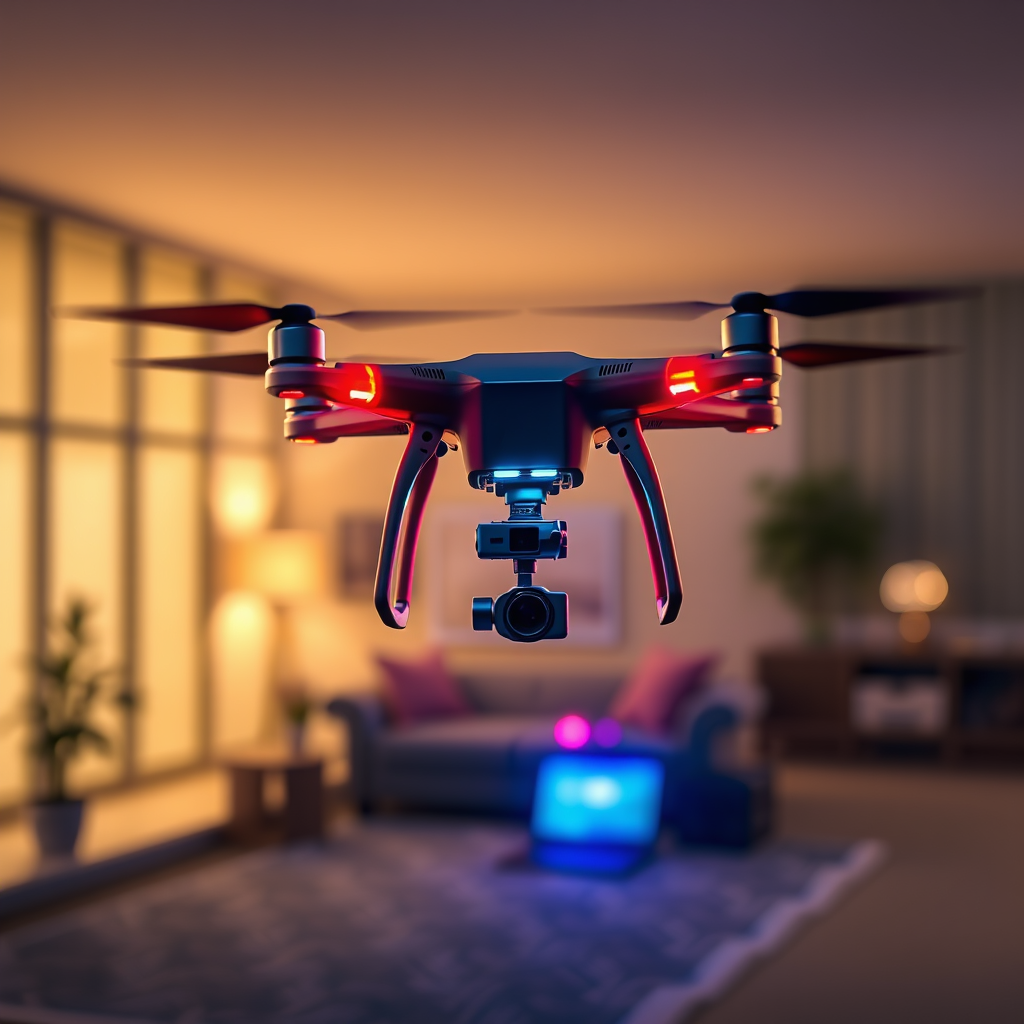
Yes, police can fly drones at night, but there are specific regulations and guidelines they must follow. The advent of drone technology has transformed law enforcement capabilities, allowing for enhanced surveillance and emergency response operations after dark. However, the use of drones at night is governed by a framework of legal regulations, technological advancements, and operational considerations that ensure safety and privacy.
Overview of Drone Use by Police
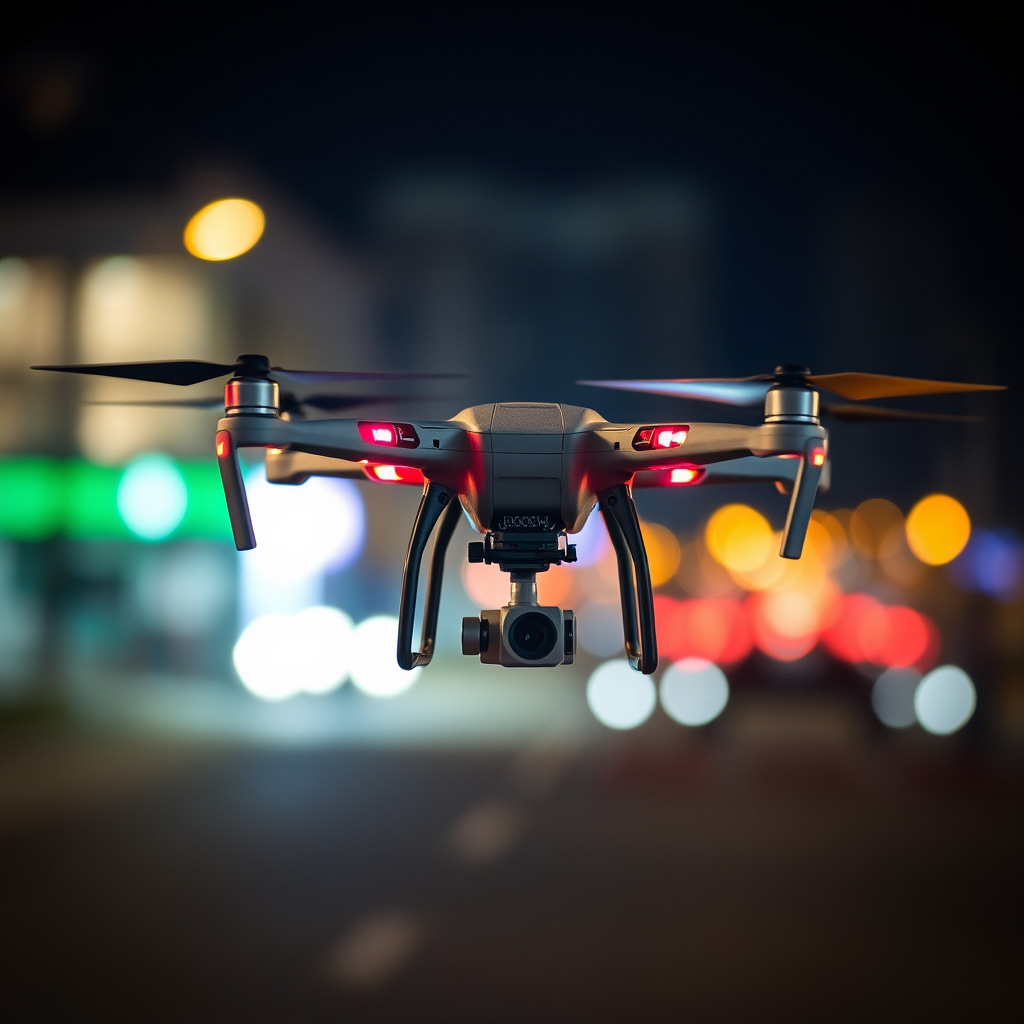
Drones, or unmanned aerial vehicles (UAVs), are defined as aircraft without a human pilot on board. In law enforcement, their applications are diverse, ranging from aerial surveillance, search and rescue missions, crime scene analysis, to crowd monitoring during large events. The use of drones has become increasingly important in modern policing, offering real-time data and situational awareness that are crucial for effective decision-making.
For example, during emergency situations such as natural disasters or large-scale public events, drones provide police with a bird’s-eye view, enabling them to assess conditions quickly and deploy resources efficiently. This capability is particularly beneficial for locating missing persons or monitoring dangerous situations where ground access may be limited or unsafe.
Legal Regulations Governing Nighttime Drone Flights
The legal landscape for nighttime drone operations is primarily shaped by the Federal Aviation Administration (FAA) regulations. As of the latest guidelines, the FAA permits drone flights at night under specific conditions. For instance, operators must possess a remote pilot certificate and ensure their drone is equipped with anti-collision lights to maintain visibility.
Moreover, individual states may have additional laws that affect police drone operations after dark. For example, some states require law enforcement agencies to obtain special permits or notify the public before conducting nighttime drone flights. This patchwork of regulations underscores the importance of compliance to avoid legal challenges and ensure public trust in law enforcement practices.
Technology Enabling Nighttime Operations
Technological advancements have greatly enhanced the capabilities of drones for nighttime operations. Night vision and thermal imaging technologies are two key innovations that allow law enforcement to effectively monitor activities in low-light conditions. Night vision cameras amplify available light, enabling operators to see in darkness, while thermal imaging detects heat signatures, making it possible to locate individuals even in complete darkness.
Several drones are specifically designed for nighttime surveillance, equipped with these advanced technologies. For instance, the DJI Matrice 300 RTK can be outfitted with a Zenmuse H20T camera, which combines thermal and visual imaging capabilities, providing comprehensive situational awareness in the dark. Such drones have proven invaluable in various scenarios, including search and rescue missions and surveillance operations during nighttime events.
Safety and Privacy Concerns
While the use of drones at night offers significant advantages, it also presents unique safety and privacy concerns. Risks associated with nighttime drone flights include accidents, such as collisions with other aircraft or obstacles that may not be visible in low-light conditions. Police departments must implement strict operational protocols to ensure safety, including pre-flight checks and established flight paths.
Privacy issues also arise from nighttime surveillance, as the potential for intrusive monitoring increases. Citizens may feel uncomfortable or unsafe knowing they could be surveilled without their knowledge during nighttime operations. Law enforcement agencies must balance the benefits of drone surveillance with the need to protect individual rights, often requiring transparency and public engagement to foster trust.
Case Studies: Police Drones in Night Operations
Numerous police departments across the United States have successfully utilized drones in nighttime operations, showcasing their effectiveness and providing valuable lessons. One notable example is the Los Angeles Police Department (LAPD), which deployed drones during the civil unrest in 2020. The drones provided critical aerial surveillance, helping to manage crowds and assess potential threats in real-time.
Another example is the use of drones by the North Carolina State Highway Patrol during search and rescue operations. Their nighttime missions have led to successful recoveries of missing persons, demonstrating how drones can enhance operational efficiency and effectiveness when traditional methods may be insufficient.
These case studies highlight not only the successful application of drone technology in law enforcement but also the importance of developing clear protocols and training for officers to maximize the potential of nighttime drone usage.
Future Trends in Police Drone Usage
As technology continues to evolve, the future of police drone usage, especially at night, looks promising. Emerging technologies such as artificial intelligence (AI) and machine learning could revolutionize how drones are operated and the data they collect. For example, AI could enable drones to autonomously identify and track individuals or vehicles of interest, significantly enhancing situational awareness for law enforcement.
Moreover, improvements in battery life and drone endurance will allow for longer nighttime missions, expanding the operational capabilities of police departments. As these advancements unfold, law enforcement agencies will need to adapt their policies and training to incorporate new technologies while ensuring compliance with legal regulations and community standards.
In summary, while police can operate drones at night, they must navigate a complex landscape of regulations and technology. The integration of enhanced capabilities and adherence to legal frameworks will determine the effectiveness and safety of nighttime drone operations. As advancements continue, the role of drones in law enforcement is likely to expand, offering significant benefits for public safety and community engagement.
Frequently Asked Questions
Can police fly drones at night?
Yes, police can fly drones at night, but they must comply with specific regulations set by the Federal Aviation Administration (FAA). These regulations generally require police agencies to obtain a waiver to operate drones after dark, ensuring that the drones are equipped with appropriate lighting and night-vision technology for safe operation. This capability allows law enforcement to perform search and rescue operations, surveillance, and monitoring in low-light conditions.
What regulations govern police drone use at night?
The primary regulations governing police drone use at night are outlined by the FAA, which stipulates that drone operators must have a Part 107 certification and a waiver for nighttime operations. Additionally, law enforcement agencies must adhere to local laws and policies regarding privacy and surveillance, ensuring that their use of drones does not infringe upon citizens’ rights. These regulations help maintain public trust while allowing police to utilize advanced technology effectively.
Why do police use drones at night?
Police use drones at night for various reasons, including enhanced surveillance capabilities, search and rescue operations, and crime scene mapping. Nighttime drone flights can provide critical support during emergencies, such as locating missing persons or monitoring large public events. Drones equipped with thermal imaging and night-vision capabilities allow law enforcement to gather valuable data and maintain public safety more effectively in low-light situations.
How do police drones operate in low-light conditions?
Police drones operate in low-light conditions using advanced technology such as thermal imaging cameras and infrared sensors. These tools allow officers to detect heat signatures, making it easier to locate individuals or objects even in total darkness. Additionally, many drones used by police are equipped with powerful LED lights to illuminate areas of interest, enhancing visibility and operational safety during nighttime missions.
What are the best practices for police drone use at night?
Best practices for police drone use at night include obtaining the necessary FAA waivers and ensuring that all operators are adequately trained and certified. Law enforcement agencies should implement clear protocols for flight operations, focusing on safety, privacy, and accountability. Additionally, using drones with appropriate night-vision technology and maintaining communication with ground units can enhance operational effectiveness while minimizing risks associated with nighttime flights.
References
- https://www.faa.gov/uas/commercial_operators/
- https://www.nytimes.com/2021/04/06/us/drone-police-night.html
- https://www.bbc.com/news/technology-56228616
- https://www.theguardian.com/us-news/2021/apr/07/police-drones-privacy-issues
- https://www.ncsl.org/research/transportation/legislative-research-drones.aspx
- https://www.ojp.gov/pdffiles1/nij/250156.pdf
