
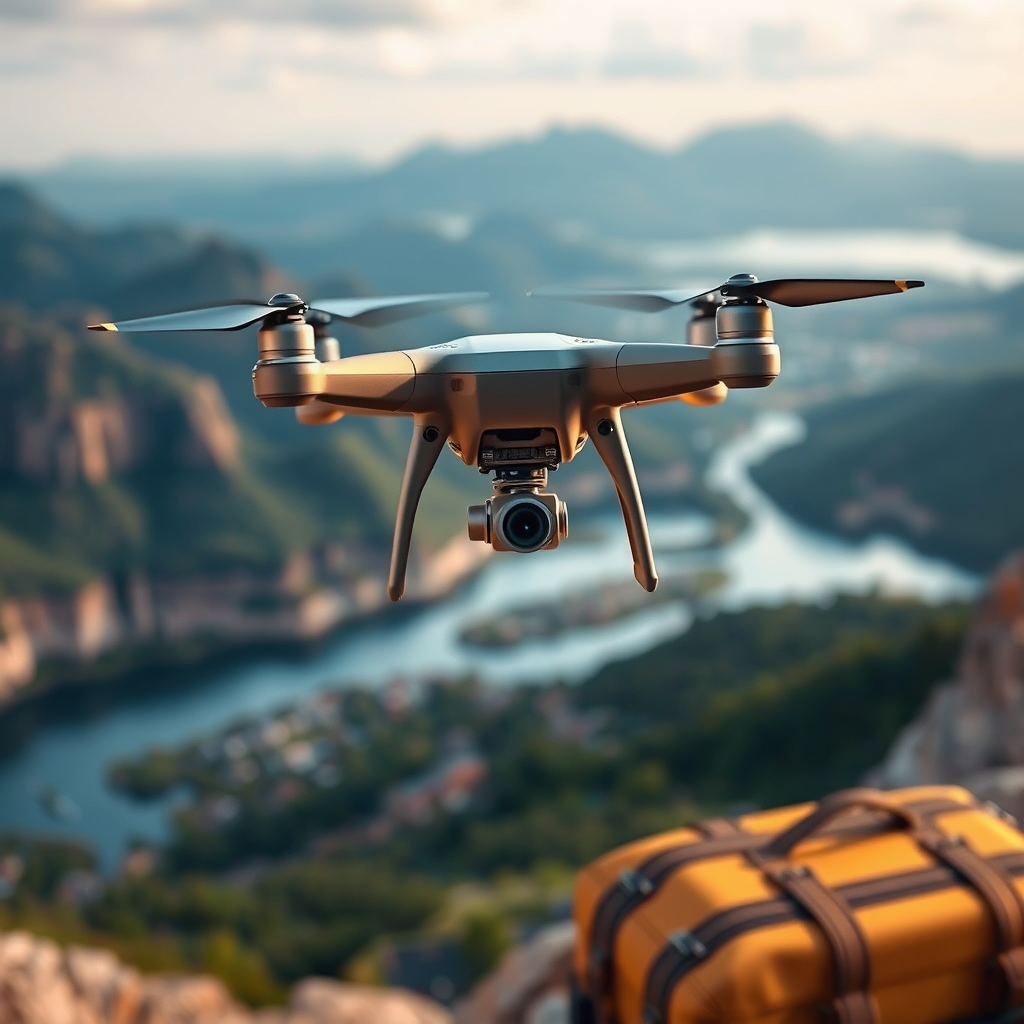
Yes, you can carry drones in flight, but there are specific regulations and guidelines you must follow. It is essential to understand these rules to ensure a safe and legal flying experience. With the popularity of drones soaring among hobbyists and professionals alike, knowing how to transport them legally and efficiently is crucial. This article will explore the various aspects surrounding the transportation of drones during flights, providing valuable insights into regulations, airline policies, and safety precautions.
Understanding Drone Regulations
The first step in transporting drones is understanding the Federal Aviation Administration (FAA) guidelines for drone usage. In the United States, the FAA regulates the operation of drones, requiring that all drone operators adhere to specific rules. These include registration of drones weighing over 0.55 pounds, maintaining visual line of sight, and flying below 400 feet. Familiarizing yourself with these regulations not only ensures compliance but also promotes safety in the national airspace.
Besides federal regulations, it is equally important to check local laws and regulations, as they can vary significantly. Many states and municipalities have enacted additional rules regarding drone use, including restrictions on where drones can be flown and specific permits needed for certain activities. Ignoring local regulations can lead to fines or other legal repercussions, making it essential to conduct thorough research before traveling with your drone.
Carrying Drones on Commercial Flights
When it comes to carrying drones on commercial flights, each airline has its own set of policies regarding drone transport in carry-on or checked luggage. Generally, most airlines allow drones in carry-on luggage, but some may have restrictions on the size and weight of the drone. For example, Southwest Airlines permits drones as part of carry-on baggage, while Delta Airlines may require that drones be stored in checked luggage if they exceed a certain size.
In addition to airline policies, packaging and battery requirements are crucial for air travel. Lithium batteries, commonly used in drones, are subject to stringent regulations due to their potential fire hazard. The FAA has established guidelines for carrying lithium batteries, which include keeping batteries at or below 100 watt-hours for carry-on luggage and ensuring they are protected from short-circuiting. It is advisable to carry batteries in their original packaging or in a fireproof bag to further mitigate risks.
Carrying Drones on Private Flights
Carrying drones on private flights presents a different set of considerations compared to commercial flights. Since private flights often have more flexibility in terms of policies, it is crucial to communicate with the pilot or crew about your drone beforehand. Informing them about the drone’s size, weight, and any accompanying batteries is essential for ensuring a safe flight environment.
Moreover, while private flights may offer more leeway in terms of baggage allowances, it is still advisable to abide by FAA regulations and ensure that the drone is securely packaged. This includes using padded cases to prevent damage during transit and ensuring that any lithium batteries meet safety guidelines.
Safety Precautions When Carrying Drones
Ensuring the safety of your drone while traveling is paramount. Properly securing the drone is essential to prevent damage, especially during handling at airports. Using a high-quality, padded case specifically designed for drones can protect your equipment from impacts and environmental factors.
Additionally, it is crucial to ensure that batteries are stored safely to avoid fire hazards. As mentioned earlier, lithium batteries must be handled with care. Keep them in protective cases, avoid exposing them to extreme temperatures, and never leave them unattended while charging. These precautions not only safeguard your drone but also contribute to the overall safety of the flight.
International Travel with Drones
Traveling internationally with a drone introduces additional complexities, particularly regarding customs regulations. Different countries have varying rules governing the importation and use of drones. For instance, some countries may require registration or specific permits for drones, while others may outright ban their use. Before traveling, it is essential to research the regulations of your destination country thoroughly.
Additionally, having the necessary permits and documentation can facilitate a smoother customs experience. This may include proof of ownership, registration documents, and any permits required for drone operation in that country. Being prepared with the correct paperwork can prevent potential delays or confiscation of your drone upon arrival.
Alternatives to Carrying Drones
If carrying a drone on a flight seems daunting, consider alternatives such as renting or purchasing drones at your destination. Many locations, especially popular tourist destinations, offer drone rental services, allowing you to experience aerial photography without the hassle of transporting your equipment. This option can also provide access to the latest drone models and technology.
Furthermore, exploring local drone clubs can be beneficial. Many communities have clubs where members share equipment, knowledge, and experience. Joining a local drone community can enhance your flying experience while providing opportunities to connect with fellow enthusiasts.
In conclusion, while you can carry drones in flight, it is essential to be aware of the regulations and best practices to ensure compliance and safety. Understanding FAA guidelines, checking airline policies, and adhering to local laws will lead to a smoother travel experience. Additionally, considering alternatives to carrying a drone can alleviate some of the logistic challenges. Always check with your airline and local laws before traveling with your drone to ensure a hassle-free journey.
Frequently Asked Questions
Can I carry a drone in my carry-on luggage on a flight?
Yes, you can typically carry a drone in your carry-on luggage, but it’s important to check the airline’s specific regulations before your flight. Many airlines allow drones as carry-on items, provided the lithium batteries are under the maximum watt-hour (Wh) limit, usually 100 Wh. Ensure that the drone is packed securely to avoid damage and that you are aware of any local regulations at your destination regarding drone usage.
Are there any restrictions on carrying drones on international flights?
Yes, there can be restrictions when carrying drones on international flights, as each country has its own regulations regarding drone importation. Before traveling, research the destination country’s laws to ensure you can bring your drone without facing fines or confiscation. Some countries may require permits or have specific requirements for battery size and weight.
What should I do if my drone is too large to fit in my carry-on?
If your drone is too large for your carry-on, you may need to check it as luggage, but this can come with risks of damage. It’s advisable to invest in a sturdy, padded case designed for drone transport, which can protect it during handling. Additionally, consult with the airline regarding their policies for checked drones to avoid any complications during your travel.
Why do airlines have restrictions on carrying drones?
Airlines impose restrictions on carrying drones primarily due to safety concerns related to lithium batteries, which can pose fire hazards if damaged or improperly handled. Additionally, drones can be classified as prohibited items under certain regulations, especially if they exceed specific weight or size limits. Understanding these restrictions helps ensure a smooth travel experience without unexpected delays.
What is the best way to pack a drone for air travel?
The best way to pack a drone for air travel is to use a dedicated drone bag or hard case that offers protection against impacts. Remove the propellers and any detachable components to reduce the size and risk of damage. Additionally, ensure that lithium batteries are stored in compliance with airline regulations, typically in their original packaging or in approved battery cases, to enhance safety during transit.
References
- https://en.wikipedia.org/wiki/Drone_regulations
- https://www.faa.gov/uas/getting_started/part_107/
- https://www.nytimes.com/2021/06/01/us/drone-airspace-regulations.html
- https://www.cnet.com/news/what-you-need-to-know-about-flying-drones-in-the-us/
- https://www.nasa.gov/press-release/nasa-begins-integration-of-drones-into-national-airspace
- https://www.theguardian.com/us-news/2020/sep/03/drone-flying-regulations-us-airports
- https://www.faa.gov/uas/faq/
- https://www.dronesafe.com/
- https://www.itu.int/en/ITU-R/study-groups/rsg5/Pages/default.aspx
