
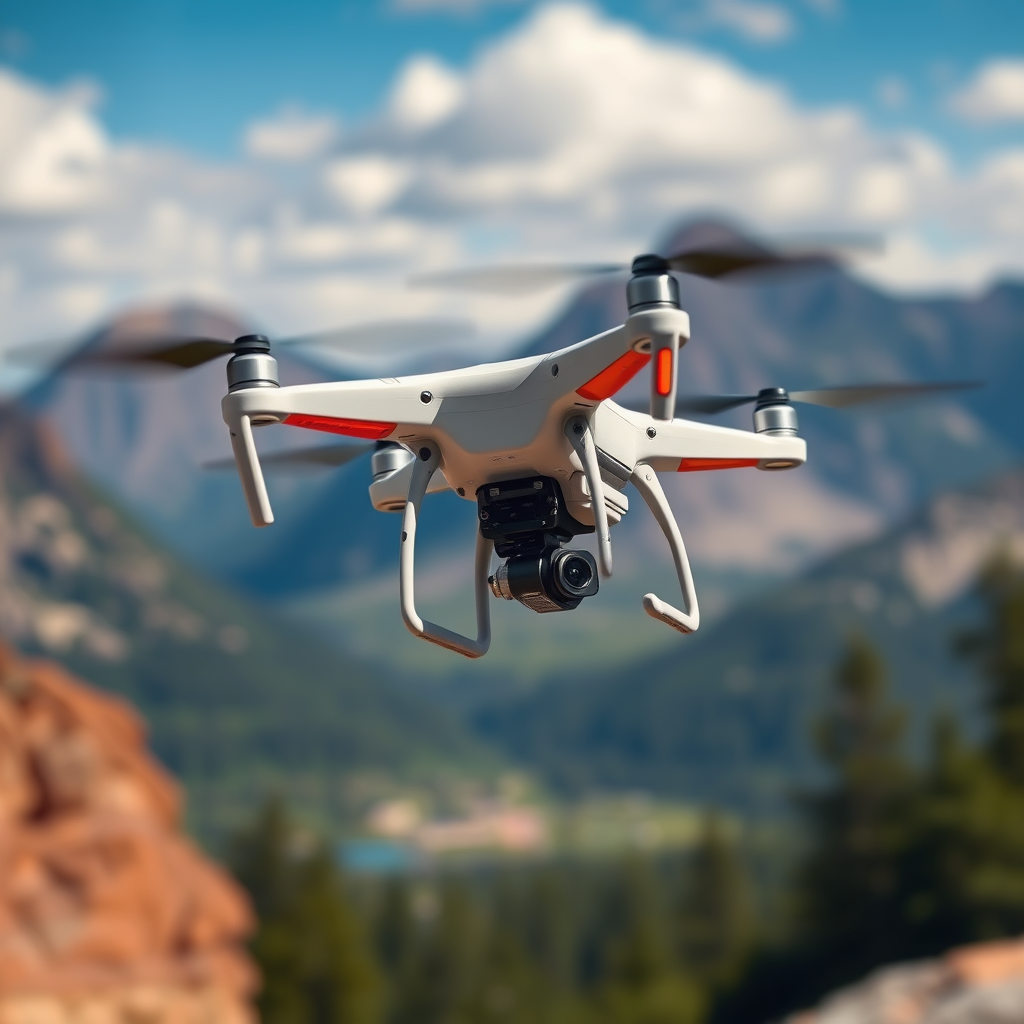
Yes, flying drones in national parks is generally prohibited due to regulations aimed at protecting wildlife and preserving natural landscapes. The National Park Service (NPS) has established strict guidelines that restrict the use of unmanned aerial vehicles (UAVs) to ensure that the integrity of these pristine environments is maintained. This blog post will delve into the specifics of these regulations, the reasons behind them, potential exceptions, and guidelines for responsible drone use in areas outside national parks.
Understanding the Regulations
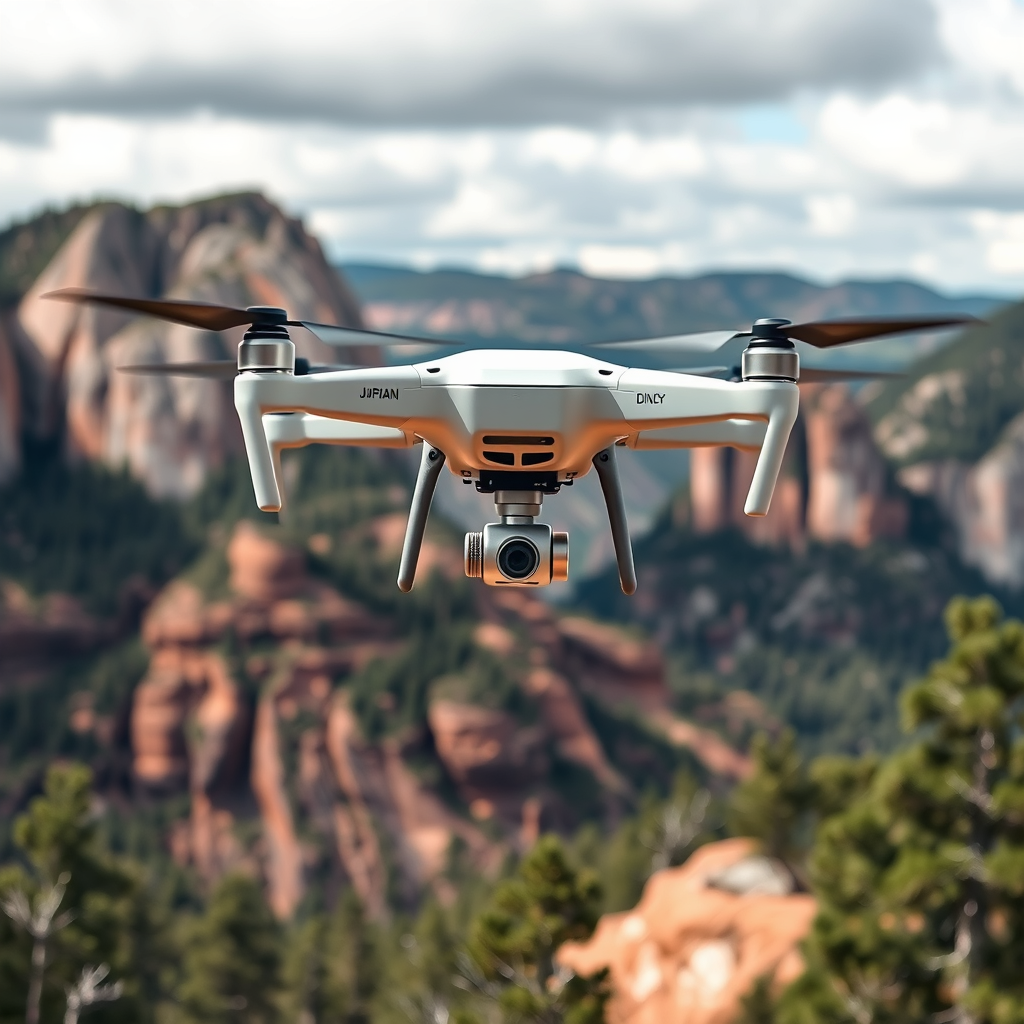
The National Park Service (NPS) regulations explicitly prohibit the operation of drones in national parks without a special permit. This policy has been in place to mitigate the potential negative impacts drones can have on both the environment and the visitor experience. The prohibition includes all forms of unmanned aircraft, regardless of their size or intended use. Violating these regulations can lead to significant consequences, including hefty fines and the confiscation of drone equipment. The NPS emphasizes the importance of compliance with these rules to protect the natural and cultural resources of the parks.
It’s crucial for drone operators to familiarize themselves with the specific regulations applicable to the national parks they intend to visit. Each park may have additional rules and guidelines that are tailored to its unique environment and wildlife. For instance, parks like Yellowstone and Yosemite have been particularly vocal about the dangers drones pose to their ecosystems and visitor safety.
Reasons for the Ban
The rationale behind the ban on drone use in national parks is multifaceted. Primarily, drones can disturb wildlife, particularly during critical periods such as nesting seasons for birds and the breeding seasons of other sensitive species. The noise generated by drones can disrupt natural behaviors, leading to increased stress levels in animals and potentially harming their chances of survival. For example, studies have shown that the presence of drones can cause birds to abandon their nests, leading to decreased reproductive success.
Furthermore, the intrusion of drones detracts from the natural experience that many visitors seek when exploring these landscapes. National parks are designed to provide an escape into the wild, a chance to connect with nature without the interference of modern technology. The whirring sound of drones can overshadow the serene sounds of nature, detracting from the peaceful atmosphere that many visitors cherish. This can lead to a diminished experience for those who visit these natural wonders to enjoy their beauty and tranquility.
Exceptions to the Rule
While the general rule is a strict prohibition, there are situations where drone use may be permitted within national parks. Some parks may allow drone operations for research or educational purposes, provided that the operator obtains a special permit. These permits are often granted for projects that align with the park’s mission of conservation, such as wildlife monitoring or environmental studies. For instance, a researcher studying the migration patterns of a particular bird species may be granted permission to use a drone to collect data without disturbing the birds.
Filmmakers and commercial drone operators may also seek special permissions to use drones in designated areas of national parks for specific projects. These applications are typically scrutinized to ensure that the proposed activities will not adversely affect park resources or visitor experiences. It is important to note that even with a permit, operators must adhere to strict guidelines regarding flight paths, altitudes, and operational times to mitigate any potential impact on wildlife and landscapes.
How to Apply for a Permit
Applying for a permit to fly a drone in a national park involves a detailed process. First, operators must submit an application that outlines their intended drone activities, including the purpose, flight plan, and duration of the project. This proposal should demonstrate how the drone use will contribute positively to the park’s objectives, such as research or educational outreach.
It is advisable to submit the application well in advance, as the processing time can vary significantly. Depending on the complexity of the request and the specific park’s regulations, it may take weeks or even months to receive approval. Operators should also be prepared to provide additional information or modifications to their proposal if requested by park officials. This thorough vetting process is designed to ensure that all drone activities are in line with the park’s conservation goals and visitor safety protocols.
Responsible Drone Use Outside National Parks
For drone enthusiasts eager to explore their hobby, there are many opportunities outside national parks where drone flying is permitted. Nearby state parks, private lands, and designated recreational areas often have more lenient regulations regarding drone use. However, it is crucial to check local laws and guidelines to ensure compliance with state and local regulations.
Before flying, operators should conduct thorough research on the area they plan to visit. This includes understanding any seasonal restrictions, specific flight paths, and no-fly zones that may be in place. By adhering to local regulations, drone operators can enjoy their activities while respecting the environment and other visitors.
Additionally, drone operators should remain mindful of their surroundings. Maintaining a safe distance from wildlife, being aware of other park visitors, and flying at a reasonable altitude can help mitigate any potential disturbances. Practicing responsible drone operation not only enhances the experience for the operator but also preserves the natural beauty and tranquility of the environment.
Tips for Drone Operators
To ensure a positive experience while flying drones, operators should consider the following tips:
1. Research Local Regulations: Always check the regulations specific to the area where you plan to fly. This includes understanding any restrictions on drone use in certain locations.
2. Be Mindful of Wildlife: Maintain a safe distance from animals and their habitats. Avoid flying near nesting sites or areas where wildlife congregates.
3. Respect Other Visitors: Be conscious of your surroundings and the presence of other park-goers. Keep noise levels to a minimum and avoid flying in crowded areas.
4. Stay Informed: Keep up to date with any changes in drone regulations or park policies. This ensures that you are always operating within the legal framework.
5. Practice Safe Flying: Follow best practices for drone operation, including maintaining line-of-sight and adhering to altitude limits. This not only enhances safety but also minimizes the risk of accidents.
In summary, while flying drones in national parks is largely prohibited, understanding the regulations and exploring alternative options can help drone enthusiasts enjoy their hobby responsibly. By staying informed about the rules, respecting the natural environment, and adhering to ethical flying practices, operators can contribute to the preservation of these precious landscapes while still enjoying the thrill of drone flying.
Frequently Asked Questions
Can we fly drones in national parks?
Flying drones in national parks is generally prohibited due to regulations set by the National Park Service (NPS). This ban aims to protect wildlife, preserve the natural environment, and ensure visitor safety. However, some parks may allow drone use under special permits or for specific research purposes, so it’s essential to check the regulations of the park you plan to visit.
Why are drones not allowed in national parks?
Drones are not allowed in national parks primarily to protect the delicate ecosystems and wildlife habitats. The noise and disturbance caused by drones can disrupt animals, particularly during breeding seasons, and can lead to negative impacts on the park’s natural beauty. Additionally, the presence of drones can detract from the experience of other visitors who seek tranquility in these natural settings.
What are the consequences of flying a drone in a national park?
If you fly a drone in a national park without permission, you could face significant penalties, including fines that can range from hundreds to thousands of dollars. In some cases, authorities may confiscate your drone or issue a citation. It is crucial to adhere to park regulations to avoid these consequences and protect the natural environment.
How can I get permission to fly a drone in a national park?
To obtain permission to fly a drone in a national park, you typically need to apply for a special use permit through the National Park Service. This process involves providing details about your drone use, including the purpose, flight plan, and safety measures. It’s essential to submit your application well in advance, as the approval process can take time and is subject to strict criteria.
Which national parks allow drone usage with special permits?
While most national parks prohibit drone use, a few may allow it under specific conditions with special permits. Parks such as Denali National Park in Alaska and some areas of the Grand Canyon may issue permits for research or educational purposes. Always check the individual park’s website or contact their office directly for the most accurate and up-to-date information regarding drone usage and permit requirements.
References
- https://www.nps.gov/subjects/drones/index.htm
- https://www.faa.gov/uas/resources/uas_faq
- https://www.nps.gov/subjects/drones/regulations.htm
- https://www.wilderness.org/learn/blog/why-drones-should-be-banned-national-parks
- https://www.nytimes.com/2021/05/20/us/national-parks-drones.html
- https://www.politico.com/news/2021/07/30/drones-park-service-501171
- https://www.wilderness.org/learn/drones-national-parks
- https://www.faa.gov/uas/getting_started/
- https://www.nps.gov/subjects/drones/faq.htm
