
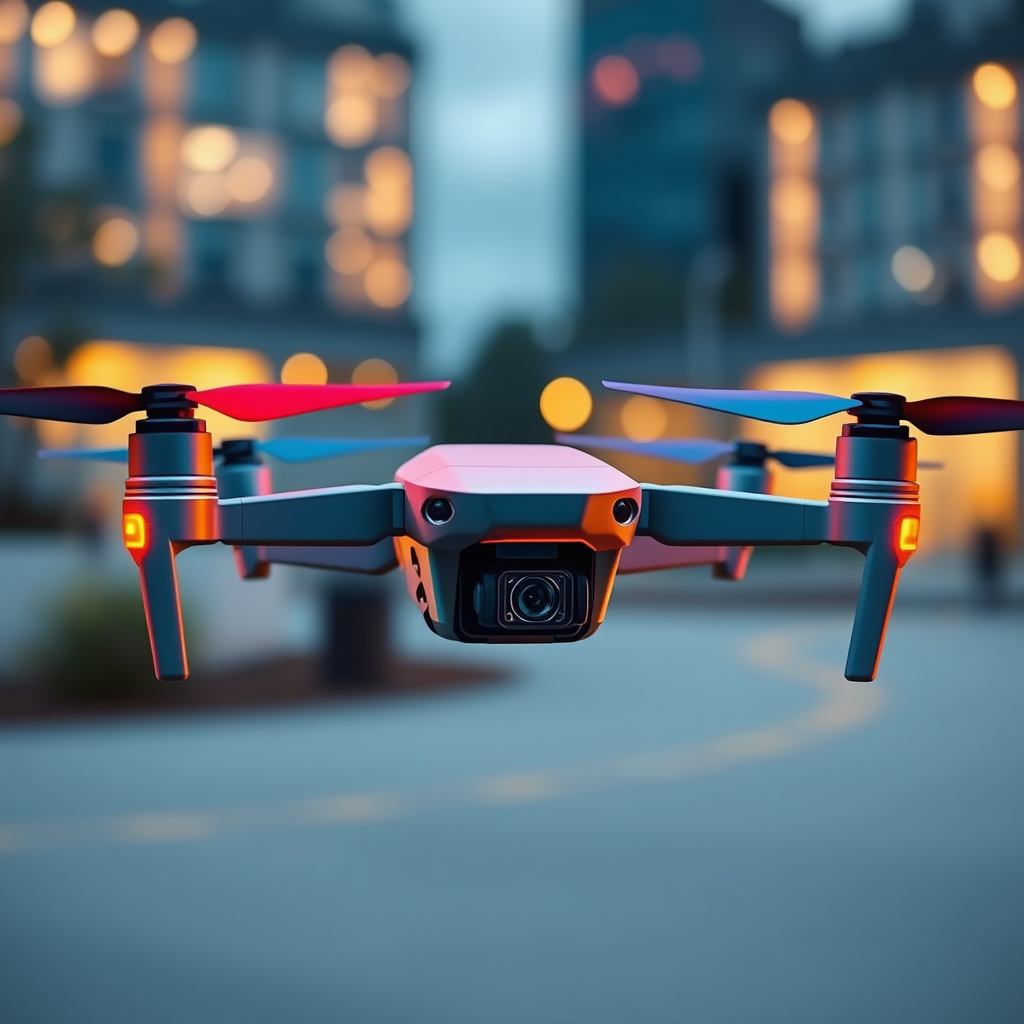
Yes, you can add a thermal camera to a drone, provided the drone has the necessary specifications and payload capacity. This powerful combination enables a variety of applications, such as surveying land, conducting search and rescue missions, monitoring agricultural health, and enhancing building inspections. By integrating thermal imaging technology with aerial capabilities, users can capture heat signatures and gain insights that are not visible to the naked eye, thereby optimizing their operations across multiple industries.
Understanding Drone Payload Capacity
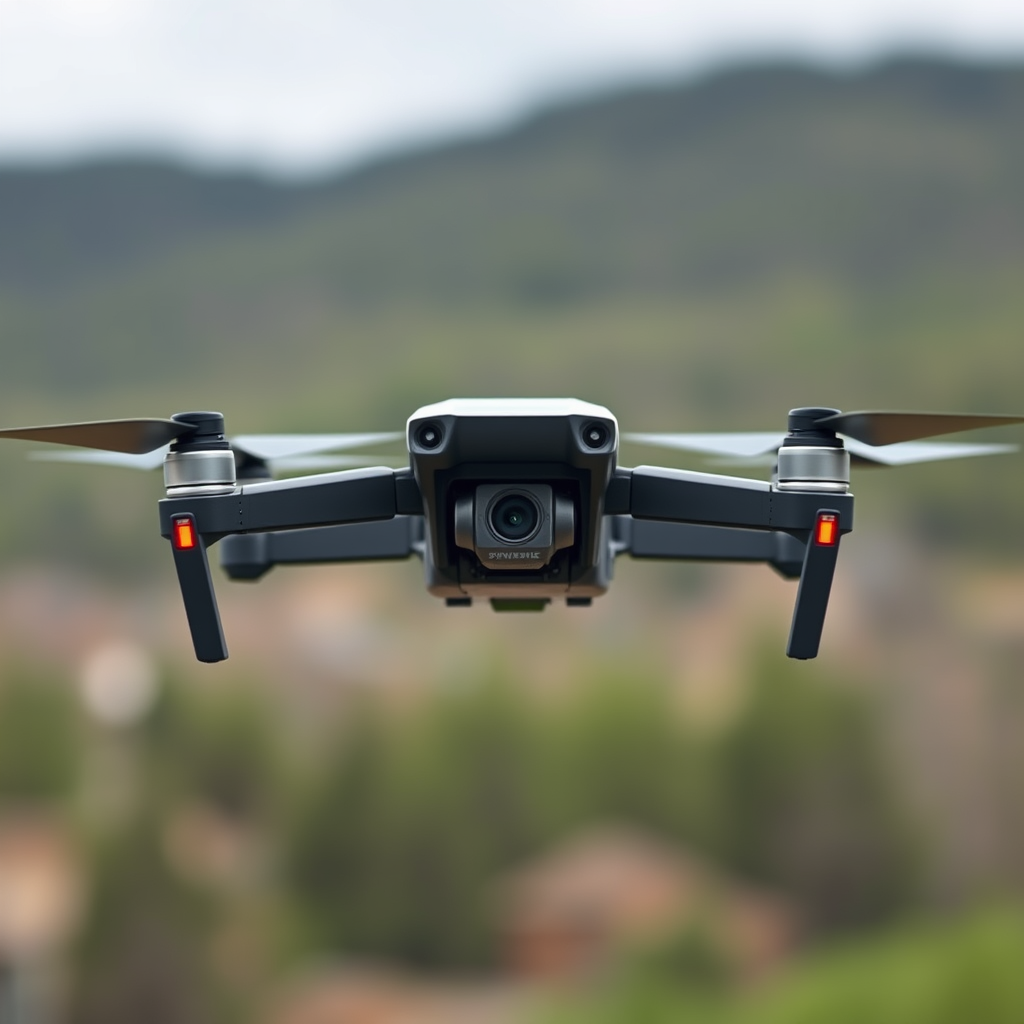
When contemplating the addition of a thermal camera to a drone, understanding the drone’s payload capacity is crucial. Every drone model has a specified maximum payload limit that dictates how much weight it can safely carry while maintaining stable flight. This payload includes not only the thermal camera but also any additional equipment or accessories. Exceeding this limit can lead to decreased flight performance, compromised safety, and potential damage to the drone.
To determine your drone’s payload capacity, consult the manufacturer’s specifications, which typically include maximum weight limits and recommended payload configurations. Additionally, consider the drone’s balance; uneven weight distribution can adversely affect flight stability. A well-balanced drone is essential for achieving optimal performance, especially when maneuvering in complex environments. For example, if a drone has a maximum payload of 2 kg, and the thermal camera weighs 1.5 kg, additional accessories must be minimal to ensure safe operation.
Choosing the Right Thermal Camera
Selecting the appropriate thermal camera is a vital step in enhancing your drone’s capabilities. Not all thermal cameras are designed for aerial use; therefore, it’s essential to choose models specifically engineered for drones to ensure compatibility and optimal performance. Factors such as resolution, field of view, and temperature sensitivity should be at the forefront of your decision-making process.
Resolution is critical because it determines the clarity of the thermal images captured. Higher resolution cameras provide more detail, which is particularly important for applications requiring precision, such as building inspections or wildlife monitoring. The field of view (FOV), expressed in degrees, indicates how much area the camera can capture at once. A wider FOV may be advantageous for large-scale surveys, while a narrower FOV might be more suitable for focused inspections.
Temperature sensitivity, often represented in terms of thermal sensitivity or noise equivalent temperature difference (NETD), refers to the camera’s ability to detect small temperature variations. A camera with lower NETD values will be more effective in scenarios where subtle temperature differences are critical, such as identifying insulation failures in buildings or detecting animal heat signatures in wildlife research.
Installation Process
The installation process for a thermal camera on a drone must be executed carefully to ensure both device functionality and flight safety. Begin by reviewing the manufacturer’s guidelines for mounting the thermal camera securely to the drone. Most cameras come with specific mounting brackets or adapters that facilitate easy attachment. It is crucial to ensure that the camera is firmly secured to prevent it from detaching during flight.
Additionally, verify that all electrical connections are properly secured and insulated to prevent short circuits or power loss. Pay close attention to the positioning of the camera; it should not obstruct any sensors, controls, or the drone’s propellers. Proper installation not only enhances the performance of the thermal camera but also ensures the overall safety of the flight operation.
Calibration and Setup
Once the thermal camera is installed, calibration is necessary to ensure accurate readings and optimal thermal imaging results. Follow the manufacturer’s instructions for calibration procedures, which may involve setting the camera to a specific temperature reference point or configuring it to account for the environment.
After calibration, set up the camera settings tailored to your specific application needs. This may include adjusting parameters such as image enhancement features, thermal color palettes, and measurement tools. For instance, if you are using the thermal camera for agricultural assessments, you might want to set the camera to focus on the optimal temperature range for crop health monitoring. Familiarizing yourself with these settings will help maximize the effectiveness of your thermal imaging operations.
Operating the Drone with Thermal Camera
Operating a drone equipped with a thermal camera requires an understanding of both the drone’s flight controls and the camera’s functionalities. Before flying, ensure that you are well-acquainted with the drone’s controls, including takeoff, landing, and maneuvering techniques. It is advisable to conduct practice flights in safe, open areas to build your confidence in handling both the drone and the thermal camera.
During flight, you will have the ability to capture live thermal images and videos, which can be useful for real-time assessments. Familiarize yourself with the camera’s recording features, as well as how to toggle between different imaging modes. For example, switching from a standard thermal view to a colorized thermal palette can provide different insights into temperature variations in your area of interest. Maintaining focus on both the drone’s flight path and the camera’s output is essential for achieving successful results.
Applications of Drones with Thermal Cameras
Drones equipped with thermal cameras have a diverse range of applications across various fields. In building inspections, thermal cameras can identify heat leaks, insulation failures, and moisture intrusion that may not be visible during a standard visual inspection. This capability not only enhances the efficiency of inspections but also allows for proactive maintenance strategies.
In agriculture, thermal imaging can monitor crop health by detecting variations in temperature that indicate water stress or disease. Farmers can utilize this data to make informed decisions regarding irrigation or pesticide application, ultimately leading to better crop yields.
Furthermore, thermal cameras are invaluable in search and rescue operations. They can quickly locate missing persons by detecting their body heat, even in challenging conditions such as dense forests or at night. By providing first responders with precise information, thermal cameras significantly enhance the chances of successful rescue missions.
Legal Considerations
Before operating a drone with a thermal camera, it is essential to familiarize yourself with local regulations governing drone flights. Many jurisdictions impose restrictions on flying drones, especially when equipped with advanced technologies like thermal imaging. Understanding and complying with these regulations is critical for safe and legal operations.
In some cases, you may need to secure special permissions or licenses, especially if you plan to use the drone for commercial purposes. This might include obtaining a Part 107 certification in the United States, which mandates that drone operators adhere to specific operational guidelines. Always check with local aviation authorities to ensure compliance and avoid potential legal issues.
In conclusion, adding a thermal camera to a drone is not only feasible but also opens up a wealth of possibilities for various applications. By understanding payload capacity, selecting the right camera, following proper installation and calibration processes, and being aware of legal considerations, you can significantly enhance your drone’s capabilities. Whether for professional inspections, agricultural assessments, or emergency response, integrating thermal imaging technology can provide invaluable insights that improve decision-making and operational efficiency. Be sure to conduct thorough research on compatible equipment and regulations to ensure a successful and compliant flight experience.
Frequently Asked Questions
Can you add a thermal camera to any drone?
While many drones can be equipped with thermal cameras, compatibility largely depends on the drone’s design and payload capacity. Some consumer drones, like those from DJI, support thermal cameras specifically designed for their models, while others may require additional hardware or custom mounts. Always check the manufacturer’s specifications to ensure that the thermal camera can be safely and effectively integrated.
How do I choose the best thermal camera for my drone?
Selecting the best thermal camera for your drone involves considering factors such as resolution, frame rate, and the specific application you have in mind, like search and rescue or building inspections. Look for cameras that offer high thermal sensitivity and a wide field of view to capture detailed images. Additionally, ensure that the camera is lightweight enough for your drone to handle without compromising flight stability.
Why would I want to add a thermal camera to my drone?
Adding a thermal camera to your drone significantly enhances its capabilities, enabling you to see heat signatures that are invisible to the naked eye. This technology is invaluable for various applications, including detecting heat leaks in buildings, locating missing persons, and monitoring wildlife. The ability to gather thermal data from an aerial perspective also improves efficiency and safety in many situations.
What are the steps to install a thermal camera on my drone?
To install a thermal camera on your drone, start by reviewing the drone’s user manual to understand its payload capacity and mounting options. Next, securely attach the thermal camera using compatible mounts or brackets, ensuring it is balanced to maintain flight performance. Finally, connect the camera to the drone’s system, following manufacturer instructions for software integration, and perform a test flight to ensure everything functions properly.
Which drones are best suited for thermal camera integration?
Drones designed for industrial and commercial use, such as the DJI Matrice series, senseFly eBee X, and Parrot Anafi Thermal, are typically best suited for thermal camera integration due to their robust build, stability, and payload capabilities. These drones often come with pre-configured options for thermal cameras, making installation straightforward. Always consider your specific needs and intended use when selecting a drone for thermal imaging.
References
- https://en.wikipedia.org/wiki/Drone#Thermal_imaging
- https://www.nasa.gov/feature/nasa-uses-drones-to-help-with-disaster-recovery
- https://www.faa.gov/uas/recreational_flyers/
- https://www.sciencedirect.com/science/article/abs/pii/S2352864817302309
- https://www.mdpi.com/2504-446X/4/1/13
- https://www.nist.gov/news-events/news/2021/05/thermal-imaging-drones-help-keep-buildings-safe
- https://www.wired.com/story/how-thermal-imaging-drones-are-changing-the-game/
- https://www.usgs.gov/mission-areas/natural-hazards/science/drones-thermal-imaging-and-environmental-monitoring
- https://www.abc.net.au/news/2020-09-03/thermal-imaging-drones-helping-fight-fires-in-australia/12642678
