
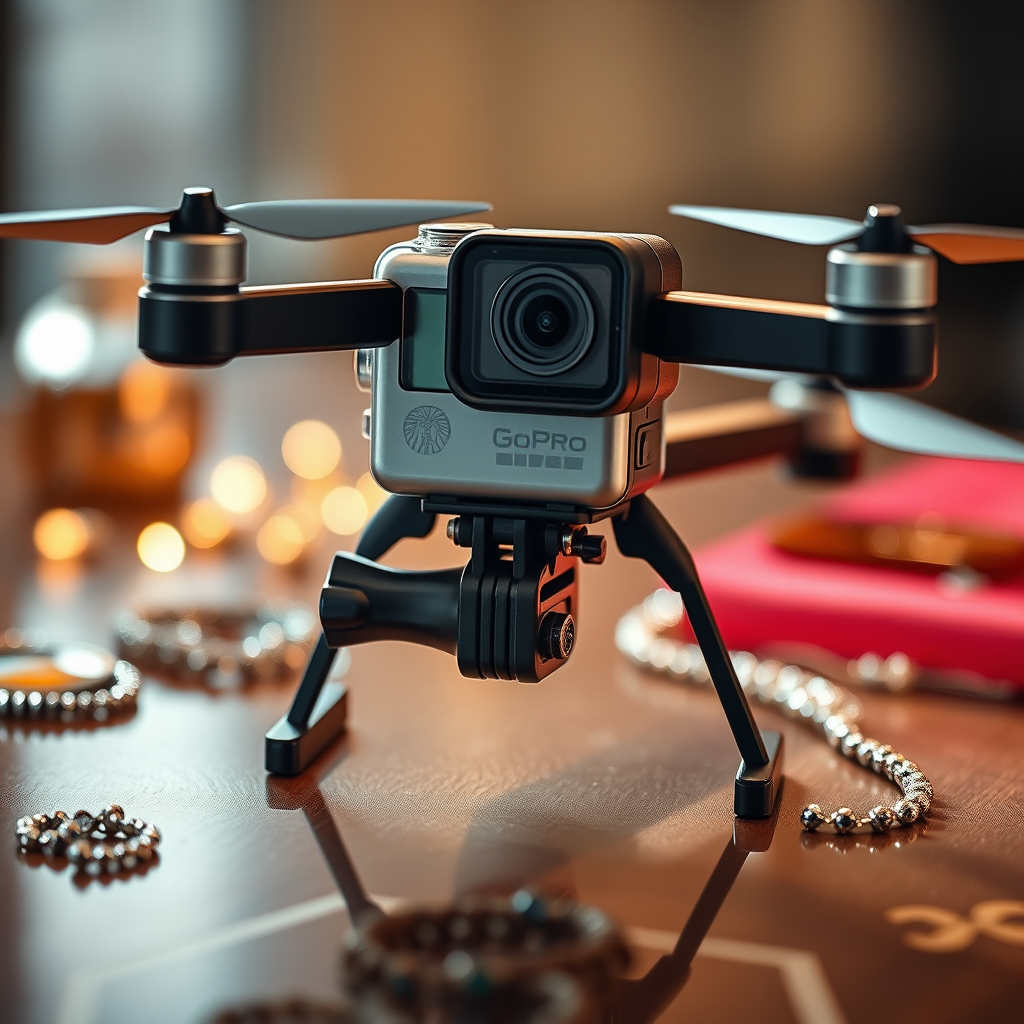
Yes, you can attach a GoPro to a drone, provided the drone has the necessary payload capacity and mounting options. This combination can enhance your aerial photography and videography, offering stunning perspectives that are both dynamic and immersive. The versatility of attaching a GoPro to a drone allows content creators, filmmakers, and hobbyists to capture breathtaking shots from angles that would otherwise be unattainable. However, to maximize the benefits of this setup, it’s essential to understand compatibility, choose the right equipment, and adhere to legal regulations.
Understanding Compatibility
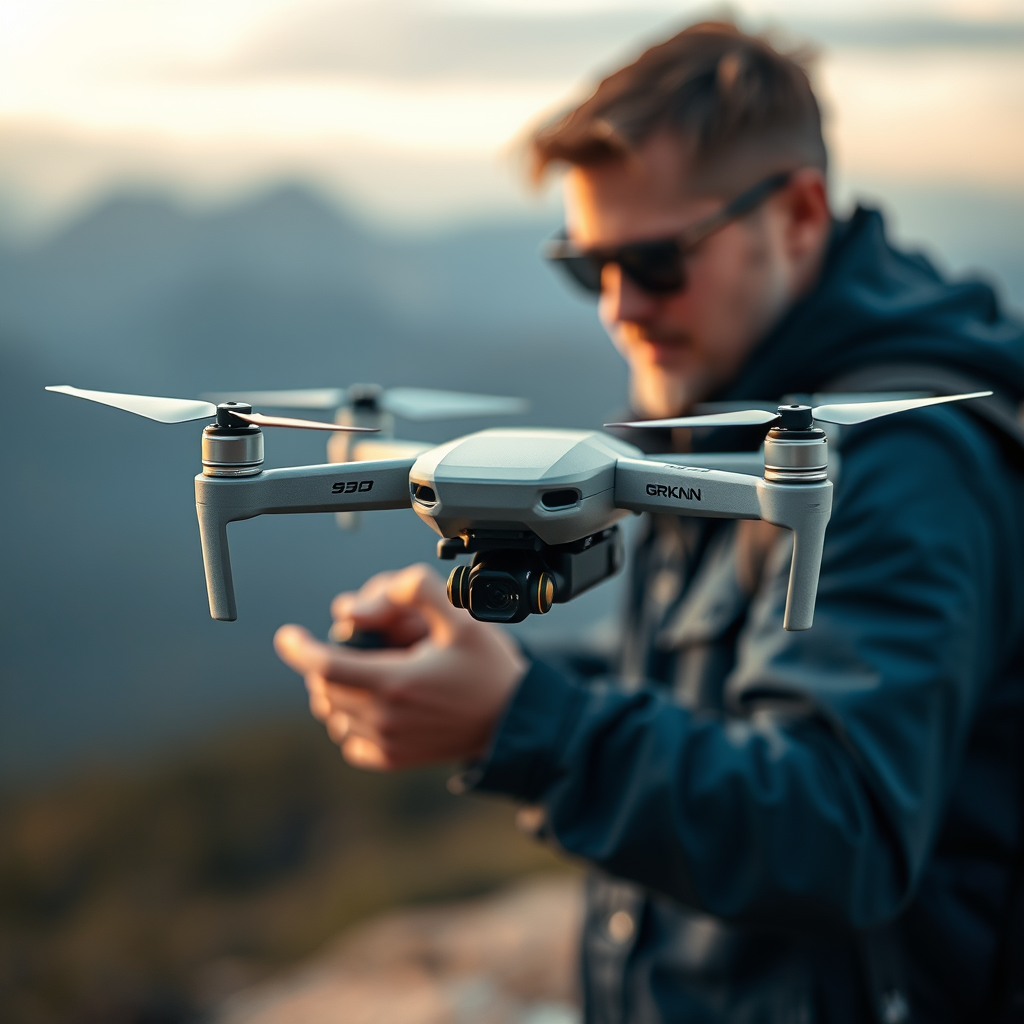
Before attaching a GoPro to a drone, the first step is to assess the compatibility of both devices. Most importantly, check the weight limit of your drone. Each model has a specific payload capacity, which dictates how much weight it can safely carry without affecting its flight performance. For instance, while lightweight drones may only support a few hundred grams, heavier models can often handle more substantial loads.
Next, verify the mounting options available on your drone model. Many drones are equipped with dedicated mounts or have the option for third-party attachments. Make sure that the GoPro can be securely attached to the drone without the risk of it detaching mid-flight. This ensures not only the safety of your equipment but also the integrity of the footage captured. For example, if your drone supports a standard camera mount, you may simply need an adapter to fit your specific GoPro model.
Choosing the Right GoPro Model
When selecting a GoPro for drone use, consider models that are lighter and more compact, as these are more manageable for most drones. The GoPro Hero series, particularly the Hero 9 and Hero 10, are popular choices because they balance weight and performance effectively. These models weigh around 150 grams, making them suitable for a variety of drones.
In addition to weight, consider features such as image stabilization. The HyperSmooth feature, found in newer GoPro models, significantly enhances video quality by reducing jitter and shake during flight. This is particularly important when filming from a moving drone, where wind and drone vibrations can compromise the smoothness of your footage. Choosing a GoPro with robust stabilization will result in professional-looking videos that are visually appealing and more engaging for your audience.
Recommended Mounting Solutions
To ensure a secure attachment of your GoPro to the drone, use a dedicated GoPro drone mount. These mounts are specifically designed to fit various drone models and can provide a stable platform for filming. Brands like Dronelux and TBS (Team BlackSheep) offer mounts that are compatible with popular drones such as the DJI Phantom and Mavic series.
Additionally, consider using a gimbal. A gimbal is a stabilization device that helps maintain the camera’s orientation and smooths out movements during flight. This is particularly beneficial when capturing dynamic shots or when the drone is subjected to windy conditions. Investing in a quality gimbal can drastically improve the quality of your footage, allowing for cinematic movements that would be challenging to achieve otherwise.
Legal Considerations
Before you fly your drone with a GoPro attached, it’s crucial to familiarize yourself with local regulations governing drone use and camera attachments. Many countries have specific rules about the weight and height restrictions for drones. For instance, in the United States, the Federal Aviation Administration (FAA) requires that drones weighing over 250 grams must be registered, and operators must adhere to specific flight regulations.
Moreover, some areas may have restrictions on flying drones, particularly in urban environments or near airports. Understanding these laws will help you avoid legal repercussions and ensure responsible flying. Always check for any no-fly zones and obtain any necessary permits before filming, especially if you plan to use the footage commercially.
Tips for Successful Aerial Filming
To optimize your aerial filming experience, planning your shots in advance is essential. Consider creating a storyboard or a shot list to maximize your battery life and recording time. Knowing what you want to capture will help you make the most of each flight.
Experimenting with different altitudes and angles is also vital. Aerial footage becomes more engaging when shot from various perspectives. For example, flying at a lower altitude can highlight foreground details, while higher altitudes can provide expansive landscape views. Utilizing the GoPro’s wide-angle lens can enhance the dynamism of your shots, offering viewers a sense of scale and context.
Another tip is to use the GoPro’s time-lapse or slow-motion features to add creative flair to your videos. Time-lapse can be particularly effective for capturing the movement of clouds or crowds, while slow motion can add drama to action shots.
Maintenance and Safety Precautions
Regular maintenance of both the drone and GoPro is critical to ensure safe and effective operation. After each flight, inspect the drone for any signs of wear or damage, particularly on the propellers and battery. Similarly, check the GoPro for any physical damage and ensure that the lens is clean for optimal image quality.
Always conduct a pre-flight check to ensure that all equipment is securely attached. This includes verifying that the GoPro mount is tight and that the camera is functioning correctly. Additionally, consider practicing in open areas before attempting complex maneuvers or filming in crowded spaces. This will help you build confidence in your flying skills and ensure that you can manage any unexpected issues that may arise during a shoot.
In conclusion, attaching a GoPro to a drone is not only feasible but can significantly elevate your aerial content. By following the right guidelines and best practices, you can capture stunning footage that showcases your creativity and technical skills. Remember to assess compatibility, choose the right GoPro model, utilize proper mounting solutions, and adhere to legal regulations. With these considerations in mind, you’re well on your way to producing breathtaking aerial footage that captivates your audience. Happy flying and filming!
Frequently Asked Questions
Can I attach a GoPro to any drone?
While you can technically attach a GoPro to many drones, it’s essential to ensure compatibility for optimal performance. Not all drones are designed to carry additional weight or have the necessary mounting points. It’s best to check the drone’s specifications and weight limits, and look for drones that are specifically designed for payload carrying, such as the DJI Matrice series, to ensure safety and functionality.
How do I securely mount a GoPro to a drone?
To securely mount a GoPro to a drone, you should use a compatible camera mount that fits both your GoPro model and the drone. Many third-party manufacturers offer mounts specifically designed for this purpose. Additionally, ensure the mount is attached to a vibration-dampening system to reduce shake during flight, and always double-check that the camera is secured before takeoff to prevent loss or damage.
Why should I use a GoPro instead of a drone camera?
Using a GoPro instead of a standard drone camera can provide higher-quality video and unique shooting angles, especially in action sports or rugged environments. GoPros are known for their durability, waterproofing, and superior lens quality. Moreover, their flexibility allows for creative shots that may not be achievable with a drone’s built-in camera, making them a popular choice among filmmakers and enthusiasts alike.
What are the best drones for carrying a GoPro?
The best drones for carrying a GoPro include models like the DJI Matrice 100 and 600, which are designed for professional-grade filming and can easily handle the additional weight. Other good options are the Yuneec Typhoon H and the Freefly Alta series, which provide stability and advanced flight features. When selecting a drone, consider factors like payload capacity, flight time, and camera stabilization to ensure the best filming experience.
Which GoPro models are best suited for drone use?
The GoPro HERO9, HERO10, and HERO11 Black models are among the best suited for drone use due to their advanced stabilization features, high-resolution video capabilities, and lightweight design. These models also offer various shooting modes and excellent low-light performance, making them versatile for different filming conditions. Always ensure that the GoPro model you choose is compatible with your drone’s mount for a secure fit.
References
- https://en.wikipedia.org/wiki/Drone_camera
- https://www.nytimes.com/2021/04/10/technology/drones-gopro.html
- https://www.reuters.com/technology/gopro-drones-future-2021-10-20/
- https://www.techradar.com/news/how-to-use-a-gopro-camera-with-a-drone
- https://www.wired.com/story/gopro-drone-future/
- https://www.dji.com/education/learn/drone-camera-setup
- https://www.sciencedirect.com/science/article/pii/S2352864818308753
