
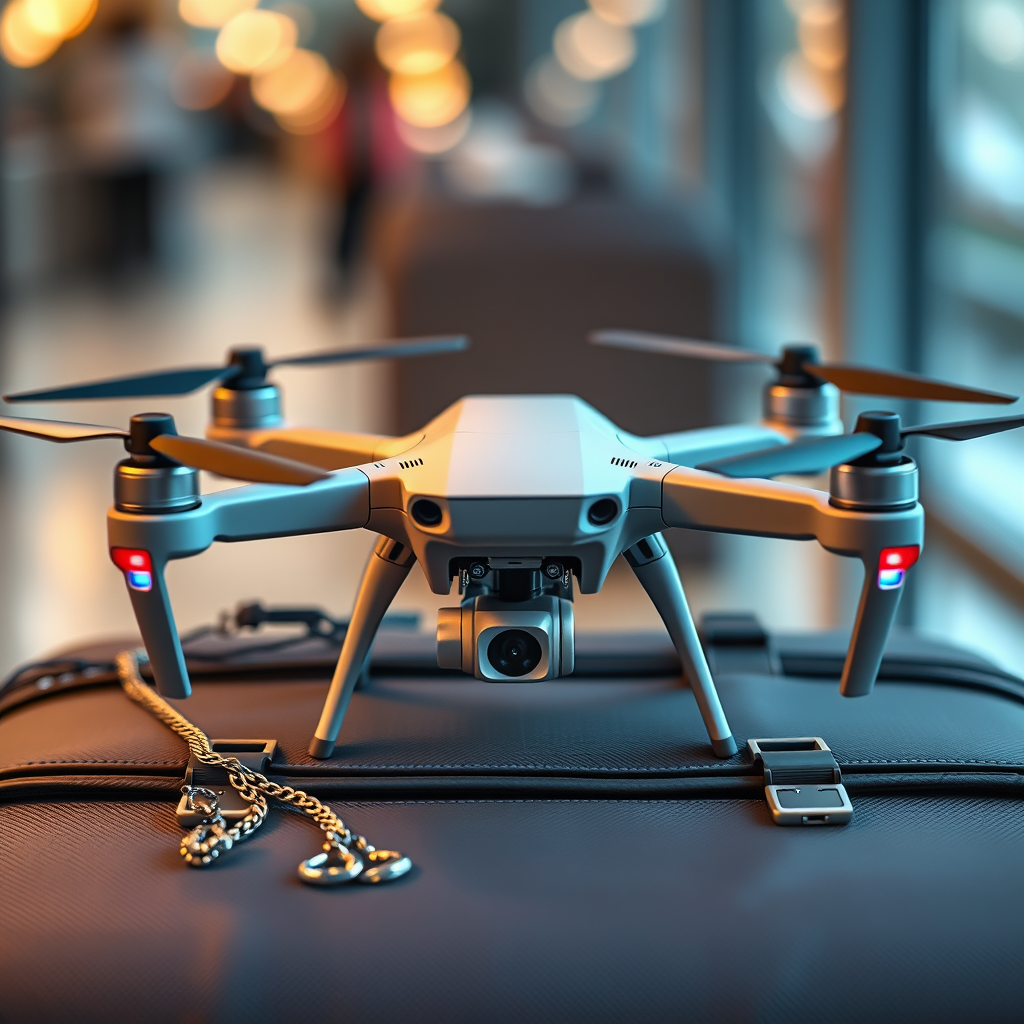
Yes, you can bring a drone in your carry-on luggage, but there are specific regulations and guidelines you need to follow. As the popularity of drones continues to surge, many travelers are eager to capture aerial footage of their adventures. However, understanding the rules surrounding drone transport can save you from potential headaches at the airport. This article will help you navigate the rules surrounding drone travel, including airline policies, battery restrictions, and security checks.
Airline Policies on Drones
Different airlines have varying policies regarding drone transport, which can significantly impact your travel experience. Major airlines such as American Airlines, Delta, and United have established guidelines that may include specific size restrictions, weight limits, and rules about carrying spare batteries. For instance, some airlines may restrict drones to carry-on luggage only, while others might allow them in checked bags as well.
Before traveling, it’s crucial to check the airline’s website for specific regulations. Some airlines may require you to inform them in advance if you are traveling with a drone, particularly if it is a larger model. Additionally, it is prudent to review any updates to their policies, especially if you are flying during peak travel seasons when regulations can change rapidly.
TSA Guidelines for Drones
The Transportation Security Administration (TSA) allows drones in carry-on bags, but there are specific guidelines that travelers must adhere to. One of the primary requirements is that drones must be easily accessible for security screening. This means that you may need to remove your drone from your bag and place it in a separate bin for inspection.
The TSA recommends that travelers also be prepared for additional screening of their drones and batteries, which may involve manual inspections. Familiarizing yourself with the TSA’s rules can help streamline your experience at security checkpoints. For instance, keeping your drone and batteries organized and easily accessible will facilitate a smoother process.
Battery Regulations for Drones
When traveling with drones, it’s essential to be aware of battery regulations, particularly concerning lithium batteries. The TSA has set specific watt-hour limits on lithium batteries, which generally should not exceed 100Wh when carried in carry-on luggage. For batteries exceeding this limit, special permissions or regulations may apply.
Additionally, spare batteries must be carried in their original packaging or protective cases to prevent short-circuits. Many travelers opt to use battery cases that are specifically designed for this purpose, ensuring both compliance and safety. It’s also wise to check with your airline regarding their policies on battery transport, as they may have additional restrictions.
International Travel Considerations
Traveling internationally with a drone requires careful consideration of country-specific regulations that may restrict drone usage or require registration. Many countries have strict laws regarding the operation of drones, including limitations on where and when you can fly. For example, the European Union has established a unified set of regulations that require drone operators to register their drones and obtain a permit for certain types of flights.
Before you embark on your journey, it’s essential to research local laws regarding drone use. Websites such as the International Civil Aviation Organization (ICAO) provide resources that outline regulations in various countries. Failure to comply with these regulations can result in fines or confiscation of your drone, which can be a significant inconvenience for travelers.
Tips for Packing Your Drone
To ensure your drone remains safe during travel, consider using a protective case designed specifically for your model. These cases often come with padding and compartments to secure the drone, remote control, and additional accessories, minimizing the risk of damage.
Another practical tip is to disassemble parts of your drone, such as the propellers, if possible. This not only saves space but also makes it easier to fit your drone into your carry-on while enhancing security checks. Additionally, keeping all components organized can help you quickly access your drone during inspections.
During Security Checks
When you arrive at the security checkpoint, be prepared to remove your drone and batteries from your bag for inspection. TSA officers may request that you take out these items for closer examination. Following the instructions of TSA officers is crucial for ensuring a smooth security process.
It’s advisable to arrive at the airport early, allowing ample time for potential delays during security checks. By being proactive and prepared, you can help minimize stress and ensure that your drone travels with you without issue.
Post-Arrival Checklist
After arriving at your destination, it’s important to check local regulations regarding drone use. Some areas may have specific restrictions on flying drones in public spaces, near airports, or during certain events. Familiarizing yourself with these rules can prevent unnecessary fines or legal troubles.
In some countries, you may also be required to register your drone with local authorities. This is often the case in places with stringent regulations on drone usage. Ensure that you complete any necessary registration before attempting to fly your drone in unfamiliar territories.
In conclusion, while bringing a drone in your carry-on luggage is generally allowed, it’s crucial to familiarize yourself with airline and TSA guidelines, as well as international regulations. Always plan ahead and ensure compliance to enjoy smooth travels with your drone. By understanding the specific rules and preparing adequately, you can capture breathtaking aerial footage of your adventures without any complications.
Frequently Asked Questions
Can you bring a drone in carry-on luggage on a plane?
Yes, you can bring a drone in your carry-on luggage when flying, but there are specific regulations you need to follow. Most airlines allow small drones in carry-on bags, but it’s essential to check the airline’s policies and the regulations of your departure and arrival airports. Make sure to remove the drone battery and carry it in your personal item, as lithium batteries often have restrictions.
Are there any restrictions or regulations for bringing a drone in carry-on luggage?
Yes, there are several restrictions and regulations regarding bringing a drone in carry-on luggage. The Federal Aviation Administration (FAA) in the U.S. and similar regulatory bodies in other countries impose guidelines on drone size, weight, and battery capacity. It’s crucial to ensure your drone complies with these regulations and to check for any local laws at your destination that might impact drone usage.
What should I do with my drone batteries when flying?
When flying with a drone, you should always carry the batteries in your carry-on luggage rather than checked baggage. Most airlines limit lithium-ion batteries to a maximum capacity of 100 watt-hours, and larger batteries may require special handling. Additionally, ensure the battery terminals are protected to prevent short-circuiting, and check your airline’s rules regarding battery transport.
How do I prepare my drone for air travel?
To prepare your drone for air travel, first ensure that it is clean and securely packed in a protective case to prevent damage. Remove any propellers and batteries, as these should be stored separately in your carry-on luggage. Additionally, familiarize yourself with the destination’s drone regulations and any potential restrictions that may apply to your drone model, ensuring a smooth travel experience.
Which airlines have the best policies for flying with drones?
While most major airlines allow drones in carry-on luggage, policies can vary significantly. Airlines like Delta, American Airlines, and Southwest typically have favorable policies, but it’s always best to check their specific guidelines regarding drone transport. Reading user reviews and experiences can also provide valuable insights on how accommodating each airline is towards drone travelers.
References
- https://www.faa.gov/uas/getting_started/using_drone
- https://www.tsa.gov/travel/security-screening/whatcanibring/items/drone
- https://www.dji.com/flying-safely/airspace-restrictions
- https://www.nytimes.com/2022/06/27/technology/drone-carry-on-luggage.html
- https://www.wired.com/story/faa-drone-carry-on-luggage-guidelines/
- https://www.usatoday.com/story/travel/airline-news/2021/12/06/drones-carry-on-bag-faa-guidelines/8864463002/
- https://www.traveldailynews.com/post/traveling-with-drones-what-you-need-to-know
- https://www.aopa.org/news-and-media/all-news/2020/june/02/what-to-know-when-flying-with-a-drone
- https://www.faa.gov/uas/registration/
- https://www.cnn.com/travel/article/drones-carry-on-luggage/index.html
