

Yes, you can see drones at night, but their visibility depends on several factors, including their design, lighting, and the environment. As drone technology continues to evolve, understanding how these devices operate after sunset is essential, especially for enthusiasts, professionals, and the general public alike. In this article, we’ll explore how drones are designed for nighttime visibility, the impact of lighting conditions, regulations governing nighttime operations, their various uses at night, tips for spotting them, and the challenges that may arise when trying to see drones after dark.
How Drones Are Designed for Night Visibility
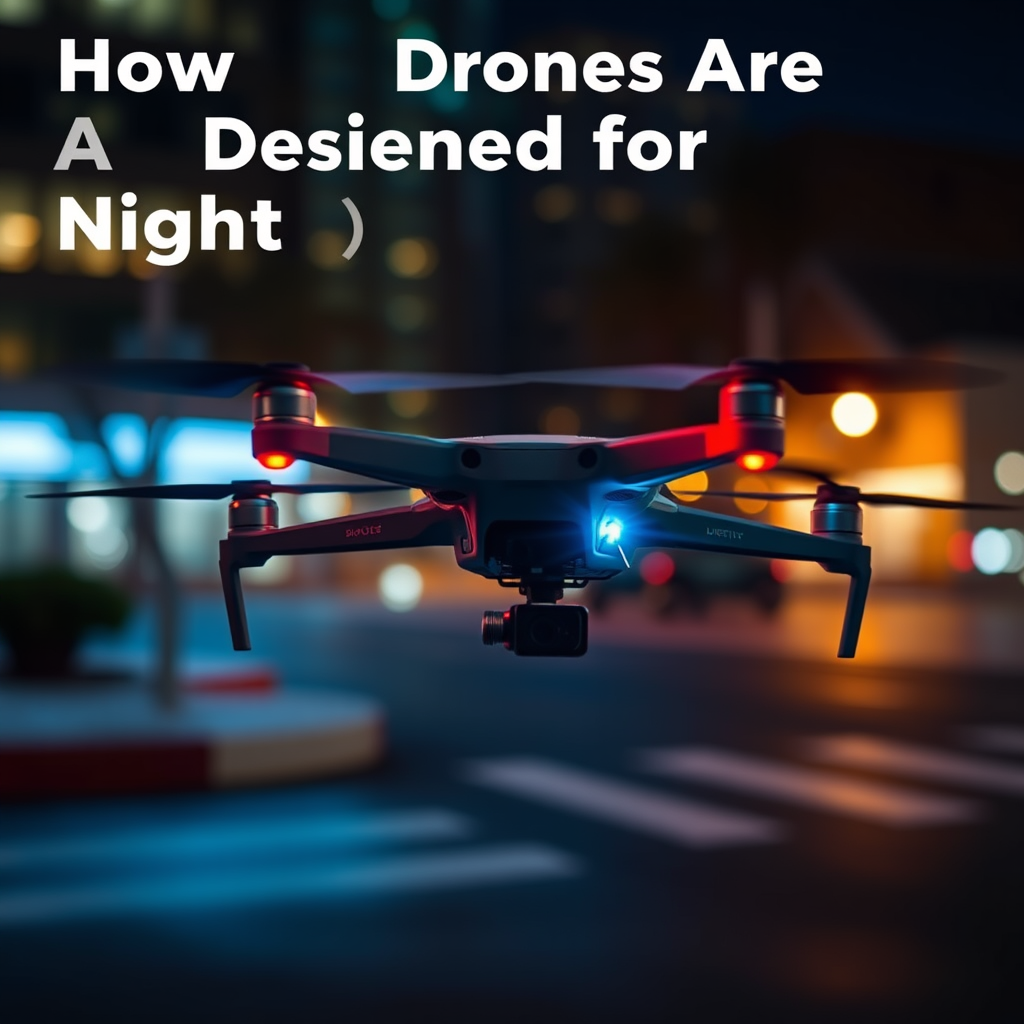
Many consumer drones are equipped with LED lights that significantly enhance their visibility during nighttime operations. These lights serve multiple purposes: they help pilots maintain visual line-of-sight with their drone, assist in orientation, and ensure that other aircraft and individuals can see the drone. The placement and color of these lights vary by model; for instance, some drones feature red and green lights, which are standard for aviation, indicating their direction of travel.
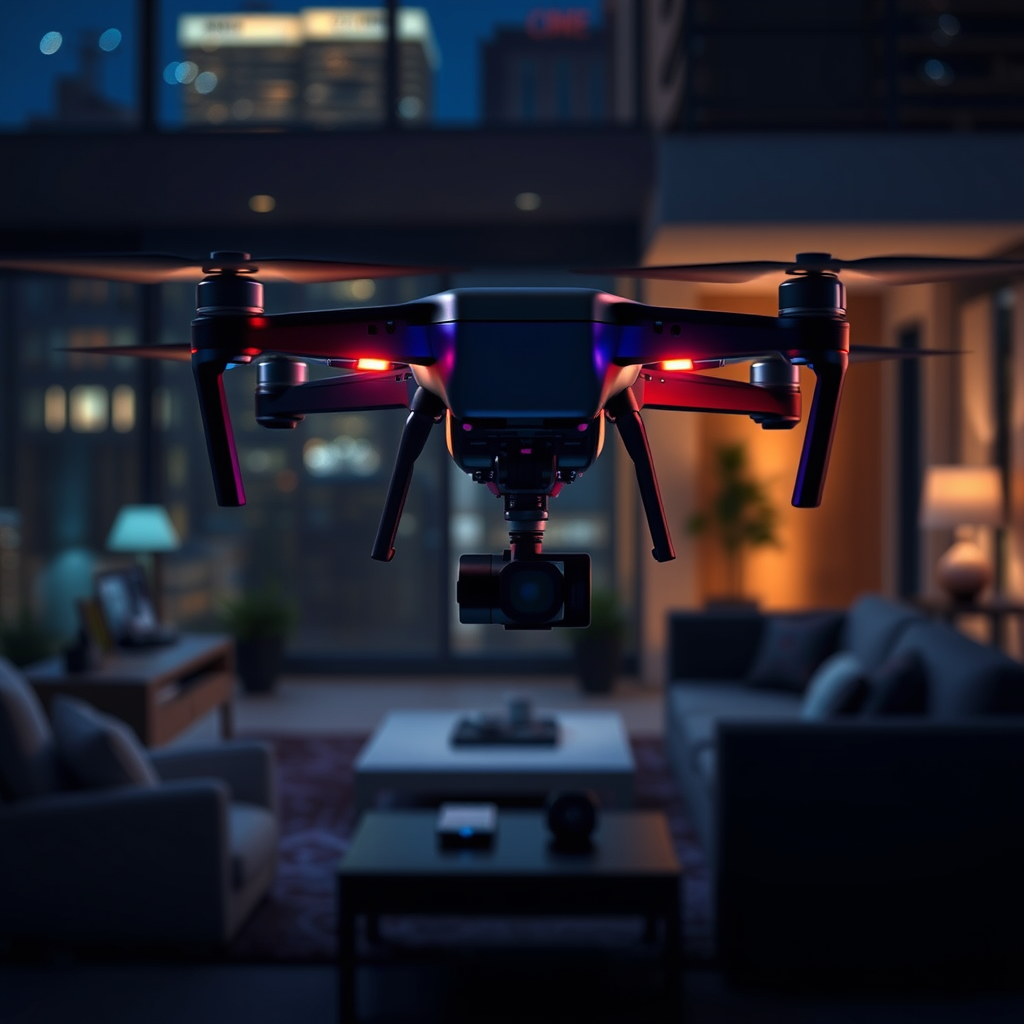
Additionally, some drones are specifically designed for night-flying capabilities. These models may incorporate advanced lighting systems that not only allow for easier spotting but also improve the drone’s overall performance in low-light situations. For example, certain high-end drones are equipped with additional floodlights or spotlights to illuminate the ground during aerial photography or surveillance missions. This design consideration enhances both safety and functionality, making them more effective in various night operations.
The Role of Lighting Conditions
Lighting conditions play a critical role in the visibility of drones at night. In low-light environments, such as rural areas without streetlights, it can be challenging to see drones unless they are equipped with bright LED lights. Conversely, urban environments with ample ambient light can enhance visibility, making it easier to spot drones against the backdrop of city lights.
Moreover, natural light sources, such as moonlight, can either assist or hinder visibility. A full moon can illuminate the landscape, allowing for better sighting of aerial objects, while cloudy or overcast conditions can obscure these natural light sources, making it harder to see drones. Pilots operating drones at night should be acutely aware of these environmental factors to ensure safe and effective flight operations.
Regulations on Nighttime Drone Flying
Regulations regarding nighttime drone operations are primarily governed by the Federal Aviation Administration (FAA) in the United States. According to FAA regulations, drones must be equipped with anti-collision lights that are visible for at least three statute miles. This requirement is crucial for ensuring that both the drone pilot and other airspace users can see the drone, minimizing the risk of accidents.
In addition to lighting requirements, drone pilots must adhere to specific operational rules when flying at night. For example, they are required to maintain visual line-of-sight with their drone and may be restricted from flying over populated areas unless they have obtained additional waivers. These regulations are in place to ensure safety and to promote responsible drone usage, especially in complex nighttime environments.
Nighttime Drone Operations and Uses
Drones are increasingly being used for various operations at night, spanning industries such as surveillance, agriculture, search and rescue, and photography. In law enforcement, drones equipped with infrared cameras can provide critical surveillance capabilities, allowing officers to monitor large areas during nighttime operations. Similarly, in agriculture, farmers use drones for crop monitoring and irrigation assessments after dark, leveraging the technology’s ability to capture data that may not be visible to the naked eye.
Photography and videography have also seen a significant transformation due to nighttime drone operations. High-quality cameras can capture stunning aerial shots in low-light conditions, making them a valuable tool for filmmakers and content creators. The integration of thermal imaging and night vision technology further expands the operational capabilities of drones, enabling them to perform tasks that were previously difficult or impossible to execute at night.
Tips for Spotting Drones at Night
If you’re trying to spot a drone at night, there are several strategies you can employ. First, pay attention to blinking lights or unusual movements in the sky, as these are typical indicators of drone activity. The blinking pattern of a drone’s lights can often give clues about its flight path and direction.
Using binoculars or night vision gear can significantly enhance visibility, allowing you to see details that might not be discernible to the naked eye. Additionally, consider the location from which you are observing. Open areas away from urban light pollution can provide clearer views of the night sky, making it easier to spot drones flying overhead.
Challenges in Seeing Drones at Night
Despite the advancements in drone design and lighting, several challenges exist when it comes to spotting drones at night. One significant issue is distance; as drones fly further away, their visibility diminishes rapidly. A drone that is easily seen at 100 feet may become nearly invisible at 500 feet, particularly if it lacks sufficient lighting.
Weather conditions also pose a challenge for nighttime visibility. Fog, rain, or snow can obscure the view, making it difficult to spot drones even if they are equipped with lights. These factors can affect not only the ability to see drones but also their operational efficiency and safety. Consequently, pilots should consider weather conditions before conducting night flights to avoid complications.
In conclusion, while it is indeed possible to see drones at night, various factors influence their visibility. The design and lighting of the drone, environmental and lighting conditions, adherence to regulations, and specific operational uses all play a significant role in how easily a drone can be spotted after dark. By understanding these elements, individuals can enhance their experience with drone technology and appreciate the complex factors at play in nighttime operations. As drone technology continues to evolve, it is beneficial to stay informed about these developments and their implications for safety and usability in various contexts.
Frequently Asked Questions
Can you legally fly drones at night?
Yes, you can legally fly drones at night, but there are specific regulations you must follow. According to the Federal Aviation Administration (FAA) in the United States, drones must be equipped with anti-collision lights that are visible for at least three statute miles. Additionally, pilots must have a Part 107 certification and adhere to all other operational guidelines to ensure safety during night flights.
How can you see drones flying at night?
Observing drones at night can be challenging, but there are a few indicators that can help. Drones are typically equipped with LED lights that can be seen from a distance, often blinking in red, green, or white. Using binoculars or night vision devices may enhance visibility, allowing you to spot their lights more easily against the night sky.
Why are drones equipped with lights for night flying?
Drones are equipped with lights for night flying primarily for safety and visibility. The lights help other aircraft and people on the ground to see the drone, reducing the risk of collisions. Additionally, they allow the drone operator to maintain visual line-of-sight, which is a requirement for legal night operations under FAA regulations.
What are the best practices for flying drones at night?
To ensure a safe and successful night flight, follow these best practices: first, familiarize yourself with local regulations regarding night flying; second, ensure your drone is equipped with adequate lighting that meets FAA standards; third, maintain a clear line of sight to avoid obstacles and other aircraft; and lastly, consider using a drone with advanced features such as GPS and obstacle avoidance to enhance safety.
Which types of drones are best suited for night flying?
Drones specifically designed for night flying often come equipped with powerful LED lights, enhanced battery life, and advanced navigation features. Models like the DJI Mavic 2 Pro and the Phantom 4 Pro are popular choices due to their robust lighting systems and high-quality cameras. When selecting a drone for nighttime use, prioritize those with good visibility features and reliable performance in low-light conditions.
References
- https://en.wikipedia.org/wiki/Drone
- https://www.faa.gov/uas/
- https://www.bbc.com/news/technology-46700066
- https://www.nytimes.com/2018/12/19/us/drones-night-vision.html
- https://www.sciencedirect.com/science/article/pii/S2352914817300378
- https://www.nap.edu/catalog/24775/assessing-the-human-and-ecological-risks-of-drones
- https://www.reuters.com/article/us-usa-drones-night-idUSKCN1VQ2G7
