
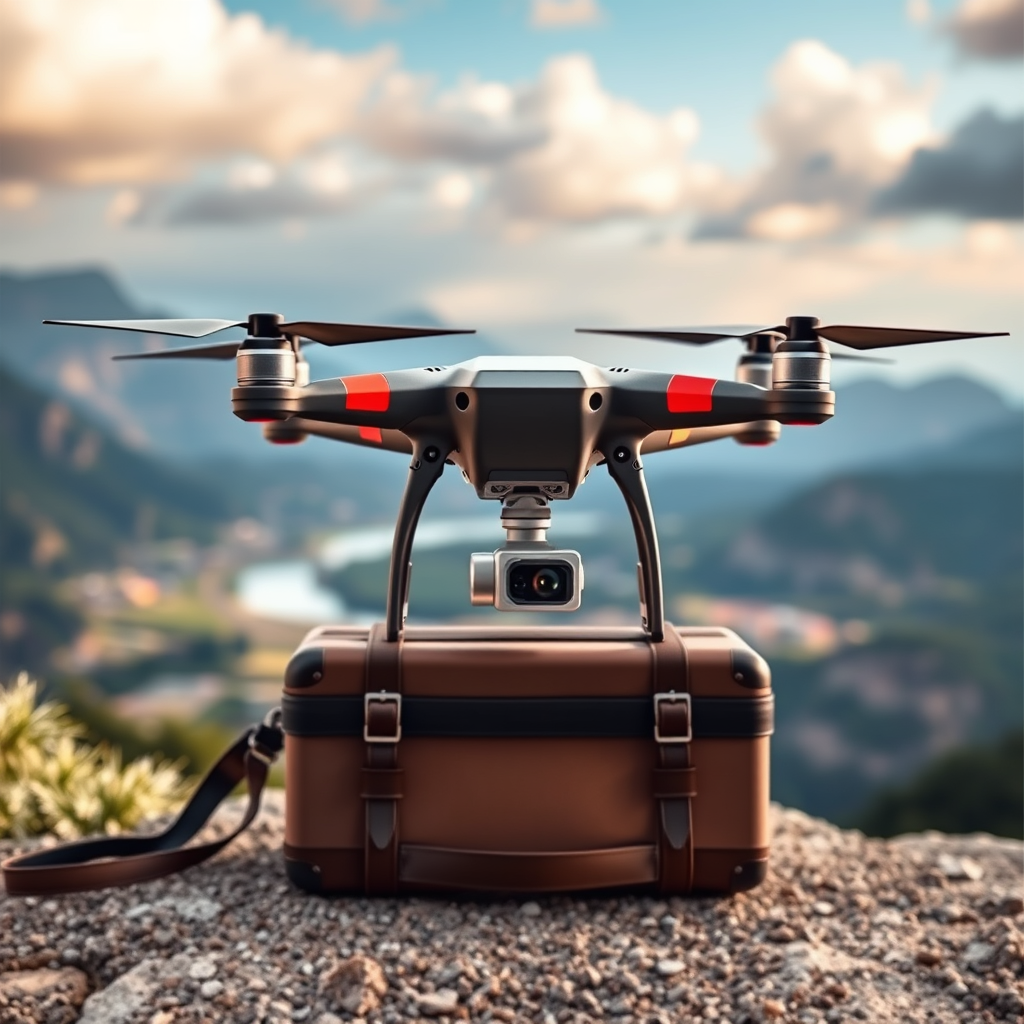
Yes, you can carry a drone in flight, but there are specific regulations and safety considerations to keep in mind. As drone technology evolves, so do the methods of operation and transport, offering unique opportunities for enthusiasts and professionals alike. However, it is crucial to understand the legal landscape, assess risks, and adopt best practices to ensure a successful and safe flying experience.
Understanding Drone Regulations
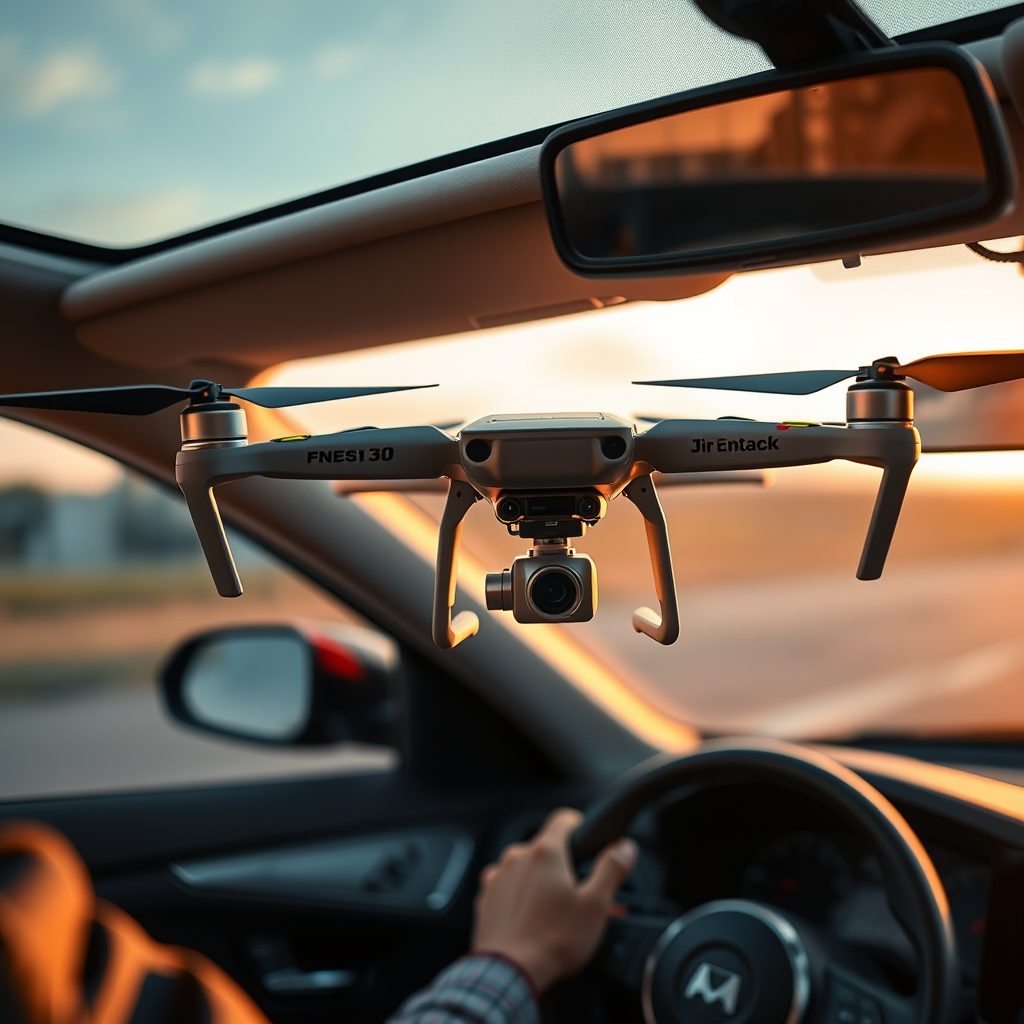
When it comes to carrying a drone while it is in flight, the first step is to familiarize yourself with the Federal Aviation Administration (FAA) regulations. The FAA stipulates that all drone operators must adhere to certain guidelines to ensure public safety and airspace integrity. For instance, the FAA mandates that drones must be flown below 400 feet and remain within the operator’s line of sight. This is particularly pertinent when considering the act of carrying a drone in flight, as it can complicate visibility and control.
Moreover, local laws and ordinances can vary significantly, affecting where and how you can legally fly your drone. Some municipalities may have restrictions on flying in parks, near schools, or in densely populated areas. It is advisable to research local drone regulations and any necessary permits before attempting to carry a drone in flight. Websites such as the FAA’s official page or local government sites can provide valuable insights into these regulations.
Safety Considerations
Carrying a drone while it is operational presents various safety challenges that must be addressed. The risk of collisions increases when a drone’s physical presence is altered by being carried, as it may affect aerodynamics and stability. Operators must be acutely aware of their surroundings to avoid potential accidents with other aircraft, people, or structures. Therefore, it is crucial to maintain a safe distance from obstacles and other air traffic, especially in busy environments.
Furthermore, ensuring that the drone is securely attached is essential to prevent accidental drops, which could result in damage to the drone or injury to individuals below. Consider using specialized attachments or harnesses designed for carrying drones. These accessories can provide added stability and security, allowing for a safer flight experience.
Best Practices for Carrying a Drone
To ensure that carrying a drone in flight is both safe and effective, employing best practices is essential. One effective method is to utilize harnesses or specialized equipment designed specifically for drone transport. These items are engineered to provide stability and reduce the risk of accidents during flight. For example, drone holsters can be attached securely to the operator’s body, allowing for hands-free operation and reducing the chance of losing control.
Additionally, it is vital to practice flying with the drone in a controlled environment before attempting to carry it. This practice can help operators become accustomed to the drone’s altered flight dynamics and improve their handling skills. Engaging in simulated scenarios can also prepare operators for unexpected situations, such as sudden gusts of wind or changes in air pressure.
Alternatives to Carrying a Drone in Flight
While carrying a drone in flight can be intriguing, there are often more practical alternatives to consider. One of the most efficient options is to use a remote-controlled drone that does not require physical carrying. This method allows operators to maintain full control over the drone while eliminating the risks associated with carrying it.
Another alternative is to explore designated launch and retrieval spots. Many areas have specific zones where drones can be safely launched and landed, minimizing the need for carrying them. Utilizing these spots can enhance safety and ensure compliance with regulations, as they are often designed to accommodate drone operations.
Drone Types and Their Carrying Capabilities
Not all drones are created equal when it comes to carrying capabilities. Understanding which types of drones are best suited for being carried during flight is crucial. Lightweight drones, typically made from durable materials such as carbon fiber, are generally more adept at being carried due to their balance and agility. For instance, racing drones are designed for speed and maneuverability, making them suitable for this type of operation.
It is also essential to consider weight and balance when selecting a drone for carrying. Heavier drones may struggle with stability and control when additional weight is added, while lighter drones may perform better. Always refer to the manufacturer’s specifications to ensure that the drone’s weight capacity and balance are suitable for carrying during flight.
Common Mistakes to Avoid
Even experienced drone operators can make mistakes when it comes to carrying a drone in flight. One common error is overloading the drone with additional gear, which can significantly affect performance and stability. It is crucial to adhere to the weight limits specified by the manufacturer to maintain optimal performance.
Additionally, operators often neglect pre-flight checks, which can lead to dangerous situations. Conducting thorough inspections before takeoff is essential to ensure that all components are secure, batteries are charged, and there are no visible damages. A systematic pre-flight checklist can help operators avoid overlooking critical aspects that may compromise safety.
In conclusion, while it is possible to carry a drone in flight, adhering to regulations and prioritizing safety is paramount. By understanding the legal guidelines, assessing risks, and employing best practices, drone operators can ensure a safe and enjoyable flying experience. Always stay informed about local laws and regulations to navigate the complexities of drone operation effectively. Happy flying!
Frequently Asked Questions
Can you carry a drone in-flight on a commercial airplane?
Yes, you can carry a drone on a commercial airplane; however, there are specific regulations to follow. Most airlines allow drones in carry-on luggage, but they must meet the airline’s size and weight restrictions. Additionally, check the Transportation Security Administration (TSA) guidelines, as lithium batteries used in drones often have limitations on capacity and quantity when flying.
What are the regulations for carrying a drone in-flight internationally?
When flying internationally with a drone, it’s crucial to research the destination country’s regulations regarding drone usage and transport. Some countries have strict laws, including registration requirements or outright bans on drone importation. Always check with the airline and relevant authorities to ensure compliance and avoid fines or confiscation upon arrival.
How do I properly pack my drone for air travel?
To properly pack your drone for air travel, first disassemble any detachable parts, such as propellers, and secure them to prevent damage. Use a padded case designed for drones to provide adequate protection, and ensure any batteries are stored according to airline regulations. Label your case clearly and consider packing documentation that shows the drone’s value and specifications, which can be helpful during security checks.
Why should I declare my drone at airport security?
Declaring your drone at airport security is essential for transparency and to avoid potential delays or confiscation. Security personnel may need to inspect the drone and its components, especially the batteries, which can raise safety concerns. Being upfront about your drone allows for a smoother screening process and helps you comply with TSA regulations.
Which airlines have the best policies for flying with drones?
Airlines such as Delta, American Airlines, and Southwest have favorable policies for passengers traveling with drones, typically allowing them in carry-on luggage. However, policies can vary by airline, so it’s essential to check specific guidelines on their websites before traveling. Additionally, look for airlines that provide clear information about battery restrictions and packing requirements to ensure a hassle-free journey.
References
- https://www.faa.gov/uas/getting_started/registration
- https://www.faa.gov/uas/
- https://www.nytimes.com/2020/01/01/business/drone-regulations.html
- https://www.bbc.com/news/technology-50880383
- https://www.theguardian.com/technology/2021/jul/12/drones-airports-safety-regulations
- https://www.usa.gov/elected-officials
- https://www.nrc.gov/reading-rm/doc-collections/fact-sheets/drone-safety.html
- https://www.wired.com/story/drone-regulations-2020/
