
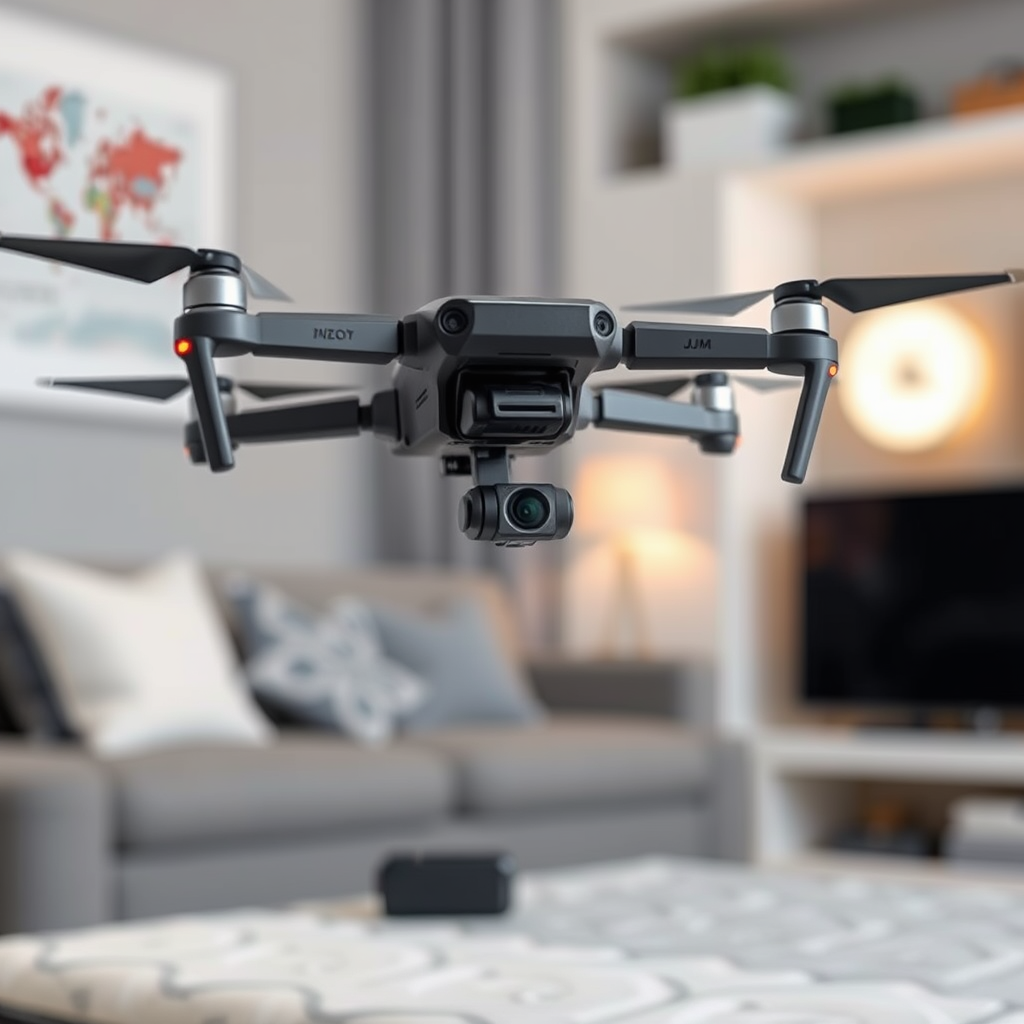
Yes, you can control a drone remotely using a handheld controller, smartphone app, or computer interface. This capability allows users to operate drones for various purposes, such as aerial photography, surveying, or recreational flying. The evolution of drone technology has made remote piloting more accessible, enabling enthusiasts and professionals alike to harness the potential of aerial vehicles. In this article, we will explore the mechanisms behind remote drone control, the necessary equipment, and best practices for safe operation.
Understanding Drone Control Systems
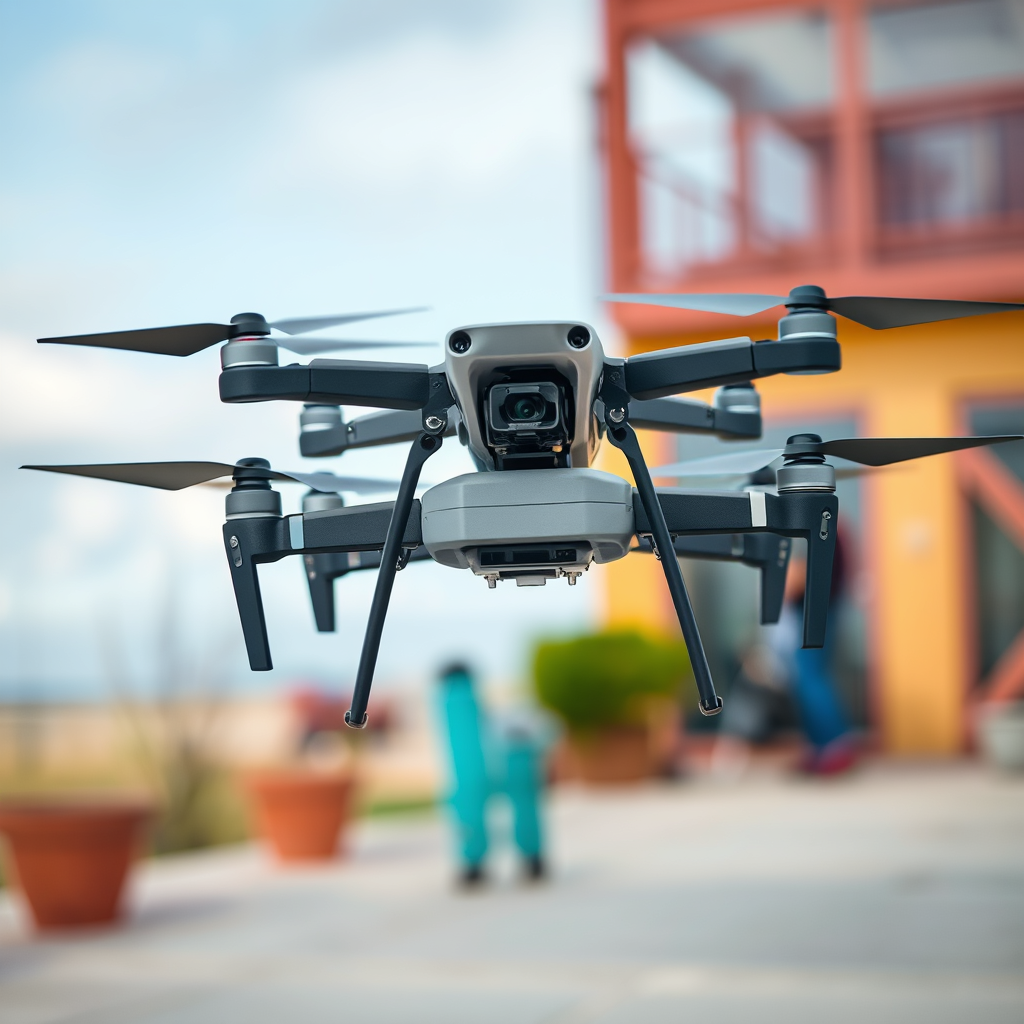
Drones typically use radio frequencies (RF) or Wi-Fi for communication, allowing the operator to send commands and receive data from the drone in real time. The most common form of communication, RF, operates on specific channels and is designed to minimize interference from other electronic devices. This ensures a stable connection even in environments with various electronic signals.
Most consumer drones come equipped with a dedicated remote control that connects directly to the drone. These handheld controllers are designed with joysticks and buttons that enable precise maneuvering. For instance, a typical controller allows for altitude adjustments, directional control, and camera functions, all of which contribute to a seamless flying experience. Additionally, many high-end drones incorporate telemetry data, providing real-time feedback on battery levels, GPS location, and system status to enhance user awareness and control.
Types of Remote Control Devices
Remote control devices for drones vary widely in functionality and design, catering to different user needs and preferences. Handheld controllers are the most traditional and popular choice among drone enthusiasts. These controllers often feature ergonomic designs, long-range capabilities, and advanced controls, providing users with a tactile and immersive flying experience. For example, the DJI Mavic series utilizes a dedicated remote that boasts a transmission range of up to 8 kilometers, allowing users to fly far beyond visual limits while maintaining control.
On the other hand, smartphone apps have gained traction for their convenience and user-friendly interfaces. Many modern drones can be operated directly from a smartphone or tablet, utilizing Wi-Fi or Bluetooth connections to communicate with the drone. These apps often include additional features such as live video feeds, flight path planning, and even social sharing options, making them appealing to casual users and beginners. For instance, the DJI Fly app enhances the flying experience by offering tutorials, automated flight modes, and easy access to media storage.
The Importance of Line of Sight
Maintaining a visual line of sight with your drone is crucial for safety and legal compliance. Many jurisdictions require pilots to keep their drones within sight during operation, ensuring that they can react promptly to any potential hazards or obstacles. This regulation is not only a legal requirement but also a fundamental aspect of safe flying practices. Keeping the drone in sight allows operators to make real-time adjustments based on visual cues, such as avoiding other aircraft, navigating around buildings, or responding to sudden environmental changes.
Moreover, flying beyond the line of sight can lead to disorientation and loss of control, particularly for novice pilots. To mitigate these risks, many drone manufacturers have incorporated features such as GPS positioning, altitude limits, and return-to-home functions that automatically guide the drone back to its launch point if it strays too far from the operator. Familiarizing yourself with these features can significantly enhance your safety while flying.
Features of Remote Control Drones
Modern drones are equipped with a plethora of features that enhance their usability and functionality. GPS integration is one of the most significant advancements, allowing drones to maintain stable flight and enabling functions such as “return-to-home,” which automatically brings the drone back to its launch site when the battery is low or the signal is lost. This feature is particularly valuable for less experienced pilots who may not yet feel confident in manually controlling the drone back to safety.
Additionally, many drones now offer autonomous flying modes that can be activated, allowing them to follow pre-set paths without constant control. Features like waypoint navigation enable users to plan a flight route on a map displayed within the control app, which the drone will then follow autonomously. This capability is particularly useful in aerial photography and surveying, where consistent flight paths are essential for capturing quality images or data.
Other advanced features include obstacle avoidance sensors that detect and automatically navigate around physical barriers, enhancing safety and reducing the likelihood of crashes. These technologies have made drone piloting more accessible to a broader audience, including those who may not have prior flying experience.
Safety Considerations When Operating Drones
Safety should always be a priority when operating drones. Before taking to the skies, it is essential to check local regulations regarding drone flight and remote control use, as laws can vary significantly by region. Many places require drone registration and adherence to specific altitude limits, no-fly zones, and other operational guidelines. Familiarizing yourself with these regulations can help ensure compliance and avoid potential fines or legal issues.
Performing thorough pre-flight checks is another critical safety measure. This includes inspecting the drone’s physical components, such as propellers, battery connections, and camera functionality. Ensuring that the drone is in optimal working condition before flight can prevent malfunctions during operation. Additionally, checking weather conditions is vital; strong winds, rain, or low visibility can significantly impact drone performance and safety.
Lastly, engaging in responsible flying practices, such as avoiding crowded areas, respecting privacy concerns, and being mindful of wildlife, contributes to a safer flying environment for everyone involved.
Troubleshooting Common Issues
Even experienced drone pilots may encounter issues while flying. One of the most common problems is connection issues between the drone and the remote control or smartphone app. To mitigate this, ensure that both devices are properly paired and within the specified range. Interference from other electronic devices can also cause connectivity problems, so it is advisable to fly in areas with minimal electronic noise.
Battery life management is also critical. Always monitor battery levels to avoid unexpected crashes. Most drones include battery monitoring systems that alert users when power levels are low; however, it is prudent to set a personal threshold for landing the drone before reaching critical battery levels. Additionally, understanding how different environmental factors, such as temperature and altitude, can affect battery performance can help in planning flights more effectively.
Future Trends in Drone Technology
The future of drone technology is promising, with several exciting advancements on the horizon. Advances in artificial intelligence (AI) and machine learning are enhancing autonomous control capabilities, allowing drones to learn from their environment and make intelligent flying decisions. This could lead to improved obstacle avoidance, better path optimization, and personalized flying experiences tailored to individual users.
Moreover, the integration of 5G technology is expected to revolutionize remote control responsiveness and range. With faster data transmission speeds and lower latency, operators will be able to control drones in real time without the lag that can occur with current Wi-Fi or RF systems. This could open new possibilities for applications such as live-streaming events, emergency response, and precision agriculture.
Additionally, the development of advanced sensor technology will likely lead to more sophisticated drones capable of performing complex tasks with minimal human intervention. As drone technology continues to evolve, it is essential for operators to stay informed and adapt to these changes to maximize their flying experience.
In conclusion, controlling a drone remotely is not only feasible but also increasingly accessible due to advancements in technology. By understanding the systems, equipment, and safety practices involved, you can enjoy a safe and enjoyable drone flying experience. As you explore the various options and features available, remember to prioritize safety and compliance, ensuring a responsible approach to this exciting and rapidly evolving field. Whether for leisure or professional applications, the world of drone piloting offers endless possibilities for exploration and creativity.
Frequently Asked Questions
Can you control a drone remotely from long distances?
Yes, you can control a drone remotely from long distances, depending on the drone’s range capabilities. Most consumer drones have a control range that can vary from a few hundred meters to several kilometers. Advanced models equipped with long-range transmission technology, such as 4G/LTE or Wi-Fi, can allow users to operate drones over much greater distances, enabling applications like aerial photography and surveying without being physically close to the drone.
How do you connect a drone for remote control?
To connect a drone for remote control, you typically need to pair it with a compatible remote control unit or a mobile device. Start by turning on the drone and the remote controller, then follow the manufacturer’s pairing instructions, which usually involve activating a Wi-Fi or Bluetooth connection. Once paired, you can gain access to the drone’s controls through the remote or an app, allowing you to maneuver the drone effectively.
Why is my drone not responding to remote control commands?
If your drone is not responding to remote control commands, it could be due to several factors, such as low battery levels in either the drone or the remote controller, interference from other electronic devices, or loss of signal due to distance. Additionally, ensure that the drone’s firmware is updated and that you are within the operational range. If problems persist, refer to the manufacturer’s troubleshooting guide for further assistance.
What are the best drones for remote control operations?
Some of the best drones for remote control operations include the DJI Mavic Air 2, which offers a great combination of range and camera quality, and the Autel Robotics EVO Lite+, known for its impressive flight time and camera capabilities. For advanced users, the DJI Phantom 4 Pro is a top choice, providing robust features for professional remote control operations, including obstacle avoidance and superior stability in flight.
Which remote control methods are most effective for drones?
The most effective remote control methods for drones include using dedicated remote controllers, smartphones, and tablets equipped with the appropriate apps. Dedicated controllers provide tactile feedback and greater range, making them ideal for serious drone enthusiasts. Meanwhile, mobile devices offer convenience and flexibility, allowing users to access additional features through apps, such as live video feeds and flight telemetry, enhancing the overall flying experience.
References
- https://en.wikipedia.org/wiki/Drone
- https://www.faa.gov/uas/
- https://www.nytimes.com/2021/07/12/technology/drones-remote-control.html
- https://www.sciencedirect.com/science/article/pii/S2351978921000011
- https://www.researchgate.net/publication/335127558_A_Survey_of_Remote_Control_Methods_for_UAVs
- https://www.nasa.gov/mission_pages/technology/innovation/remote_control_drones.html
- https://www.bbc.com/future/article/20190917-how-drones-are-controlled
- https://www.techopedia.com/definition/31344/remote-control-drone
- https://www.usc.edu/dept/publications/book/remote-control-drones.html
- https://www.wired.com/story/drone-remote-control/
