

Flying drones can offer a lucrative income, with potential earnings ranging from $15 to $150 per hour, depending on various factors such as experience, type of work, and market demand. As the drone industry continues to grow and evolve, many operators are discovering multiple avenues for generating income, from aerial photography to surveying. In this article, we will explore the different opportunities available for making money with drones and the factors that influence those earnings.
Understanding the Drone Market
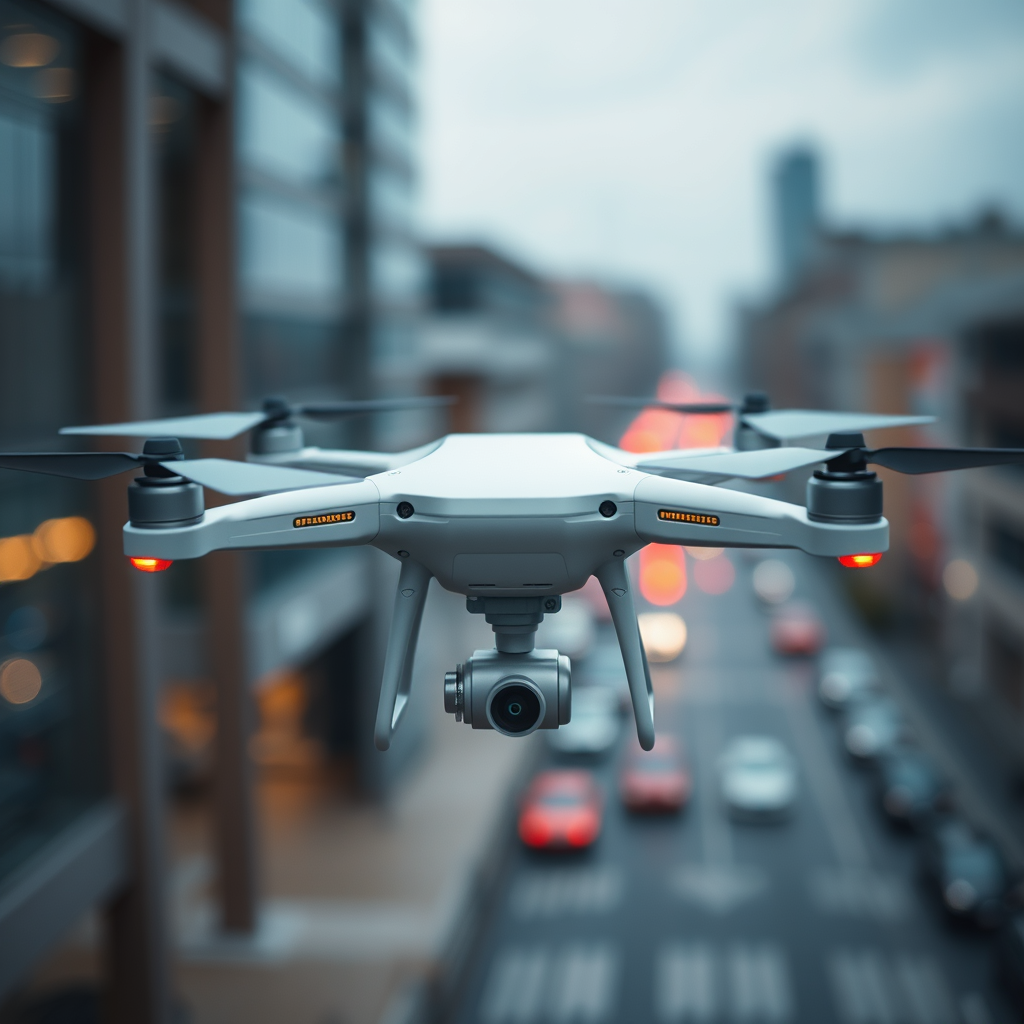
The drone industry has seen exponential growth in recent years, with estimates suggesting it could exceed $43 billion by 2024. This surge is driven by the increased accessibility of drone technology, which has lowered entry barriers for new operators. Notably, drones are being utilized across a variety of sectors, including agriculture, real estate, filmmaking, and construction, each demanding unique skills and services. The versatility of drones allows operators to provide a wide range of services, from capturing stunning aerial footage to conducting precise agricultural assessments. As businesses recognize the value of drone technology, the demand for qualified drone operators continues to rise, creating abundant opportunities for those looking to profit in this field.
Types of Drone Work Opportunities
Aerial photography and videography stand out as one of the most popular avenues for drone operation. This includes capturing images and videos for events such as weddings, corporate functions, and promotional materials for businesses. Real estate agents are increasingly utilizing drone footage to showcase properties from unique angles, giving potential buyers a comprehensive view of listings.
Surveying and mapping is another significant sector for drone operators, particularly in construction and agriculture. Drones equipped with advanced sensors and imaging technology allow operators to conduct topographical surveys, create 3D models, and monitor crop health efficiently. For example, agricultural drone services can assist farmers in determining irrigation needs, assessing crop conditions, and optimizing yields, thus improving productivity and profitability.
Additionally, drones are being employed for infrastructure inspections, search and rescue operations, and environmental monitoring, further expanding the range of services offered by drone operators. Each of these opportunities presents unique earning potential, making it essential for aspiring drone pilots to identify their areas of interest and expertise.
Skills and Qualifications Required
To operate a drone commercially in the United States, obtaining a Remote Pilot Certificate from the Federal Aviation Administration (FAA) is crucial. This certification requires passing a knowledge test that assesses understanding of regulations, airspace classification, weather effects, and drone operation protocols.
In addition to formal qualifications, aspiring drone operators should develop essential skills that enhance their marketability. Proficiency in piloting drones is fundamental, but complementary skills such as editing video footage and photography are equally important. Familiarity with software programs used for mapping and surveying can also provide a competitive edge. As with any profession, continuous education and staying updated with industry trends and technological advancements will further solidify an operator’s reputation and capabilities.
Equipment Costs and Considerations
Investing in drone technology can be significant, with initial costs varying widely based on the type of drone and additional equipment. Entry-level drones suitable for photography may start around $500, while professional-grade models equipped with high-resolution cameras can exceed $10,000. It’s also essential to consider supplementary equipment like gimbals for stabilization, additional batteries, and high-quality software for editing.
Ongoing expenses must also be factored into the equation. Maintenance costs for drones can add up, particularly as wear and tear occurs with regular use. Insurance is another critical consideration, as liability coverage can protect operators from potential risks associated with drone operation. Additionally, obtaining any necessary licenses or permits will incur their own costs, and these should be budgeted accordingly.
Factors Affecting Earnings Potential
Several factors influence the earnings potential for drone operators. Geographic location plays a vital role; areas with a high demand for drone services, such as urban centers or regions with a thriving real estate market, can support higher rates. Conversely, rural areas may offer fewer opportunities, impacting overall income.
Experience level and professional reputation are equally critical. Established operators with a robust portfolio and client testimonials can command higher fees than newcomers to the industry. Building a strong network and leveraging positive referrals can significantly enhance visibility and earning potential. Additionally, staying updated on market trends and diversifying service offerings can help operators adapt to changing demands and maximize their income.
Tips for Maximizing Your Income
To maximize income potential as a drone operator, effective marketing strategies are essential. Creating a professional website showcasing your portfolio, client testimonials, and a clear description of services offered can attract clients. Utilizing social media platforms can also enhance visibility, allowing operators to connect with potential customers and showcase their work.
Networking with professionals in related fields, such as real estate agents, construction firms, and event planners, can open doors to new opportunities. Collaborating with these individuals can lead to referrals and joint projects, expanding your client base. Additionally, attending industry events and workshops can provide valuable insights, foster connections, and enhance your knowledge of the latest drone technology and trends.
Moreover, consider offering specialized services or packages tailored to specific industries. Providing bundled services, such as aerial photography combined with video editing, can appeal to clients seeking comprehensive solutions, thereby increasing overall revenue.
In conclusion, while the potential earnings from flying drones can be substantial, they will vary based on the type of work and individual efforts. By understanding the market, honing your skills, and effectively promoting your services, you can maximize your income in this growing field. Embracing the opportunities within the drone industry, while continuously developing expertise and adapting to market demands, will position you for success in this exciting and lucrative profession.
Frequently Asked Questions
How much money can you realistically make flying drones for a living?
The earning potential for professional drone pilots can vary widely, typically ranging from $30,000 to over $100,000 annually, depending on factors such as location, industry, and experience level. Those who specialize in high-demand sectors like real estate photography, agriculture, or aerial surveying often command higher rates, while entry-level pilots may start on the lower end. Additionally, diversifying your services and obtaining certifications can enhance your earning capacity.
What industries pay the most for drone services?
Several industries offer lucrative opportunities for drone pilots, including real estate, agriculture, construction, and filmmaking. Real estate agents often hire drone operators to capture stunning aerial images of properties, while agricultural firms use drones for crop monitoring and analysis. In construction, drones are used for site inspections and progress monitoring. By targeting these high-paying sectors, drone pilots can maximize their income potential.
How can I increase my earnings as a drone pilot?
To boost your earnings as a drone pilot, consider expanding your skill set by obtaining additional certifications, such as those offered by the FAA or other professional organizations. Diversifying your services to include areas like aerial mapping, thermal imaging, or drone inspections can also attract a broader client base. Networking within industry-specific circles and building a strong online portfolio can further enhance your visibility and lead to higher-paying opportunities.
Why do some drone pilots earn significantly more than others?
The disparity in earnings among drone pilots is often due to factors such as specialization, experience, and geographic location. Pilots who focus on niche markets or possess advanced skills (like drone repair or custom software use) can demand higher fees. Additionally, those working in urban areas with a high demand for drone services typically earn more than those in rural regions. Building a strong reputation through quality work and customer service also plays a crucial role in achieving higher income levels.
Which certifications should I pursue to maximize drone pilot earnings?
To enhance your earning potential as a drone pilot, pursuing FAA Part 107 certification is essential, as it allows you to operate drones commercially in the U.S. Beyond that, consider additional certifications like the Remote Pilot Certificate or specialized training in areas such as aerial surveying or mapping. Obtaining industry-recognized credentials not only increases your credibility but also enables you to take on a wider range of projects, leading to higher income opportunities.
References
- https://en.wikipedia.org/wiki/Drone_photography
- https://www.faa.gov/uas/commercial_operators/
- https://www.forbes.com/sites/forbestechcouncil/2022/01/11/how-drones-are-transforming-industries-and-creating-new-job-opportunities/?sh=6b7d0d6f7c71
- https://www.sba.gov/article/2020/mar/02/drones-business-opportunities-and-challenges
- https://www.statista.com/statistics/1124054/drone-usage-revenue-worldwide/
- https://www.npr.org/2021/11/02/1051321689/drones-industry-jobs
- https://www.bbc.com/news/technology-58203297
