
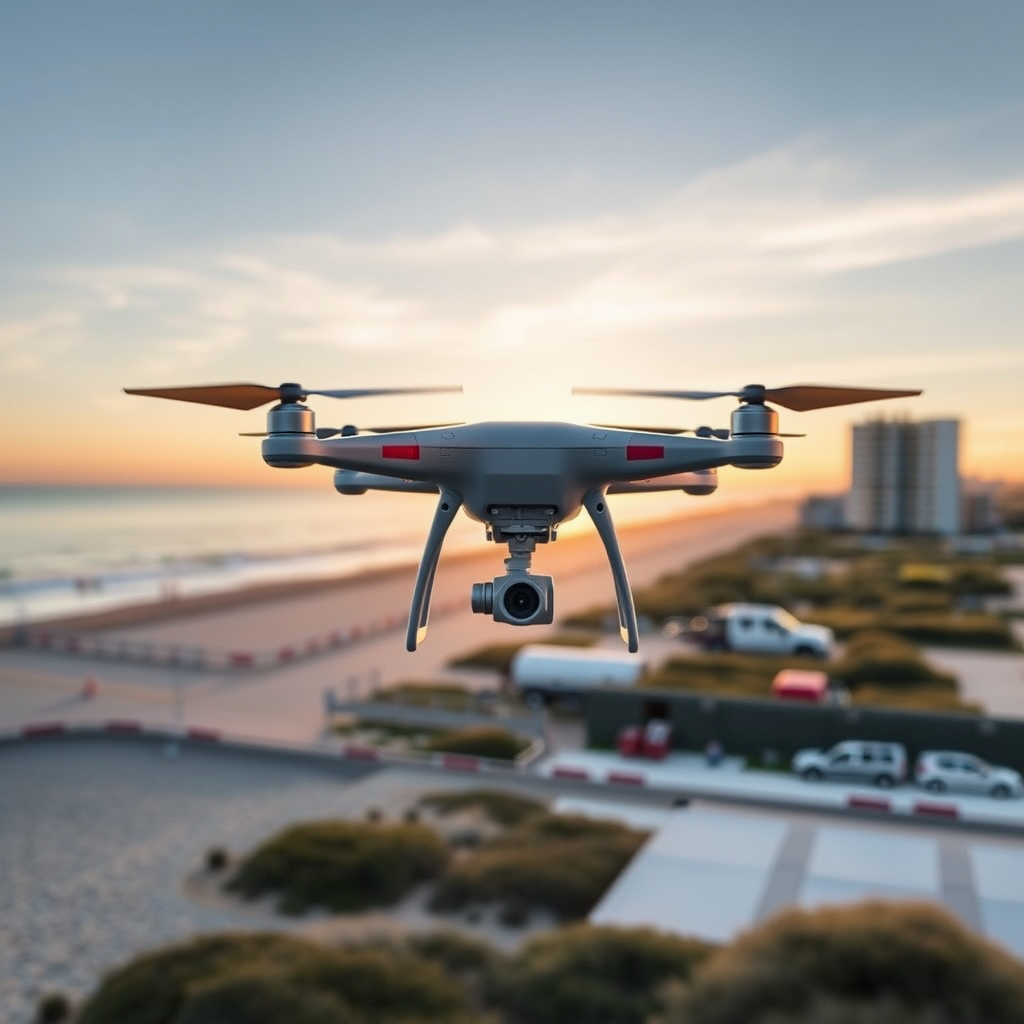
Yes, you can fly a drone at Myrtle Beach, but there are specific regulations and guidelines you must follow. Understanding these rules is crucial to ensure a safe and enjoyable flying experience while respecting the local environment and community. Myrtle Beach offers stunning coastal views and picturesque landscapes that can be beautifully captured from the air, but adhering to the regulations will not only protect the natural surroundings but also enhance your drone flying experience.
Understanding Local Regulations
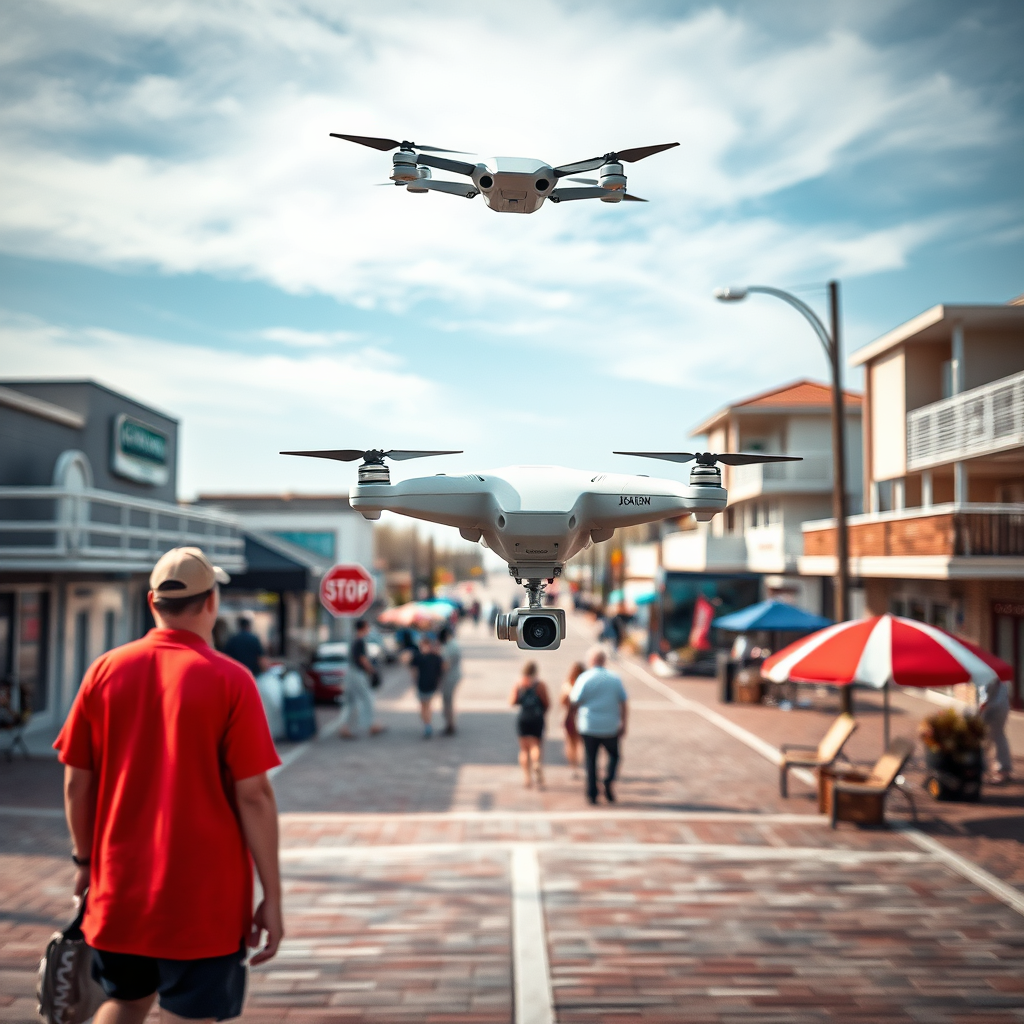
The Federal Aviation Administration (FAA) oversees drone operations across the United States and enforces regulations that all drone operators must adhere to. These federal regulations include maintaining visual line of sight, not exceeding altitude limits of 400 feet, and avoiding restricted airspace around airports. However, Myrtle Beach has its own specific rules that further dictate drone usage.
For example, certain public areas, including parts of the beach and local parks, may have designated no-fly zones. The city of Myrtle Beach has established these regulations to protect the safety of beachgoers, wildlife, and to ensure a peaceful environment for residents and visitors. It is essential for drone pilots to research and familiarize themselves with these local rules before taking flight to avoid potential fines or confiscation of equipment.
Designated Flying Areas
Identifying areas where drone flying is permitted is key to a successful flight. Myrtle Beach offers several parks and open spaces where drone operation is allowed, but pilots should always verify any specific restrictions. Areas like the Myrtle Beach State Park and certain sections of the beach may provide suitable environments for flying, but always check for signage indicating drone usage policies.
Additionally, some locations may have restrictions based on proximity to people, private property, or sensitive wildlife habitats. For instance, flying near crowded beach areas or over residential properties may be prohibited to minimize disturbances. Utilizing websites or drone applications can assist in locating these designated flying zones and ensuring compliance with local regulations.
Safety Guidelines for Drone Operation
Safety should always be a priority when operating a drone. Pilots are required to keep their drones within visual line of sight at all times, which allows for better control and awareness of the flying environment. Furthermore, it is critical to avoid flying over crowds, as this poses risks to both individuals and the drone itself.
The FAA mandates altitude limits that must be strictly adhered to; typically, this is capped at 400 feet above ground level. Staying within these limits not only ensures compliance with federal regulations but also enhances safety for both the pilot and the public. Prior to take-off, conducting a pre-flight checklist, including checking battery levels and ensuring proper functioning of the drone, can further enhance safety and prevent accidents.
Weather Considerations
Before flying, it is imperative to check local weather conditions. Windy or rainy days can pose significant risks to drone operation, as high winds can lead to loss of control and reduced battery life. Rain can damage electronic components and make flying unsafe.
Pilots should be aware of changing weather patterns, especially in coastal areas where conditions can shift rapidly. Utilizing weather apps or local meteorological services can provide real-time updates on wind speeds, precipitation, and overall flying conditions. By planning flights during optimal weather, drone pilots can enhance their flying experience and ensure safety.
Respecting Other Beachgoers and Wildlife
Respecting the presence of other beachgoers and local wildlife is essential for maintaining a harmonious environment. Drones can be intrusive, and maintaining a respectful distance from people is paramount to avoid causing distress or disruption.
Moreover, wildlife, particularly nesting birds and other sensitive species, can be adversely affected by drone activity. Being mindful of local wildlife protections, such as avoiding drone flights in areas known for nesting or breeding, ensures that drone pilots contribute positively to the ecosystem while enjoying their hobby. Awareness of local fauna and flora can enhance one’s respect for the environment and promote responsible flying.
Resources for Drone Pilots
Utilizing available resources can greatly benefit drone pilots in Myrtle Beach. There are numerous apps and websites that provide information on no-fly zones, local regulations, and updated guidelines. Tools like B4UFLY and Airmap can give real-time alerts about airspace restrictions and help pilots plan their flights effectively.
Additionally, joining local drone clubs or online forums can provide community support, sharing of experiences, and updates on local regulations. Networking with other drone enthusiasts can also enhance knowledge about the area, flight techniques, and best practices for capturing stunning aerial footage.
Tips for Capturing Great Footage
To capture the breathtaking beauty of Myrtle Beach, planning is essential. Flying during early morning or late afternoon can yield the best lighting conditions, providing vibrant colors and softer shadows for photography and videography. The golden hour, shortly after sunrise and before sunset, can create stunning visuals that highlight the natural beauty of the coastline.
Experimenting with different angles and heights can also produce unique perspectives. For instance, capturing shots from low altitudes can emphasize the expansive beach, while higher altitudes can showcase the vastness of the ocean and surrounding landscapes. Taking the time to scout for interesting foreground elements can add depth and context to your aerial shots, elevating the quality of the footage captured.
In conclusion, flying a drone at Myrtle Beach is possible with the right knowledge and precautions. Familiarizing yourself with local regulations, respecting the presence of others, and embracing the beauty of the area through aerial photography can lead to a rewarding experience. By adhering to safety guidelines and utilizing available resources, drone enthusiasts can enjoy the stunning vistas of Myrtle Beach while contributing to a safe and respectful environment. Happy flying!
Frequently Asked Questions
Can you fly a drone at Myrtle Beach without any permits?
Yes, you can fly a drone at Myrtle Beach, but there are regulations you must follow. The Federal Aviation Administration (FAA) requires that all drone pilots adhere to the rules for recreational flying, including flying below 400 feet, keeping the drone within visual line of sight, and avoiding flying over people without a waiver. Additionally, certain areas may require specific permits, so it’s crucial to check local regulations before launching your drone.
What are the best spots to fly a drone in Myrtle Beach?
Some of the best spots to fly a drone in Myrtle Beach include the expansive beaches, parks like Myrtle Beach State Park, and the marshes around the area. These locations offer stunning aerial views of the coastline and natural landscapes, but always ensure you are flying in permitted areas and are aware of any no-fly zones. Remember to respect the privacy of others and avoid congested areas to ensure a safe flying experience.
How do local laws affect drone flying in Myrtle Beach?
Local laws in Myrtle Beach can significantly affect drone flying, particularly concerning where and when you can operate your drone. The city has specific regulations that may restrict flying in certain public areas, such as near the boardwalk or crowded beaches, especially during peak tourist seasons. Always check with local authorities or the Myrtle Beach city website for the latest regulations to avoid fines and ensure a responsible flying experience.
Why is it important to know about drone regulations when flying in Myrtle Beach?
Understanding drone regulations is crucial when flying in Myrtle Beach to ensure compliance with local and federal laws, which helps prevent legal issues and promotes safety. Violating these regulations can lead to hefty fines and even the confiscation of your drone. Furthermore, being aware of drone laws fosters a respectful flying environment, ensuring you do not infringe on the rights or safety of others enjoying the beach and surrounding areas.
Which drone models are best for flying in Myrtle Beach?
The best drone models for flying in Myrtle Beach are those that offer stable flight control, high-resolution cameras, and good battery life. Popular choices include the DJI Mavic Air 2, which combines portability with excellent camera capabilities, and the DJI Mini 2, known for its lightweight design and ease of use. When selecting a drone, consider features that suit your flying style, such as obstacle avoidance and wind resistance, which can be particularly helpful in coastal environments.
