

Yes, you can fly your drone over houses, but there are important regulations and considerations to keep in mind. Understanding the legalities, safety measures, and best practices can help ensure a smooth flying experience. As drone technology becomes more accessible and popular among hobbyists and professionals alike, it is crucial to navigate the complexities of drone operation responsibly, especially when flying over residential areas.
Understanding FAA Regulations
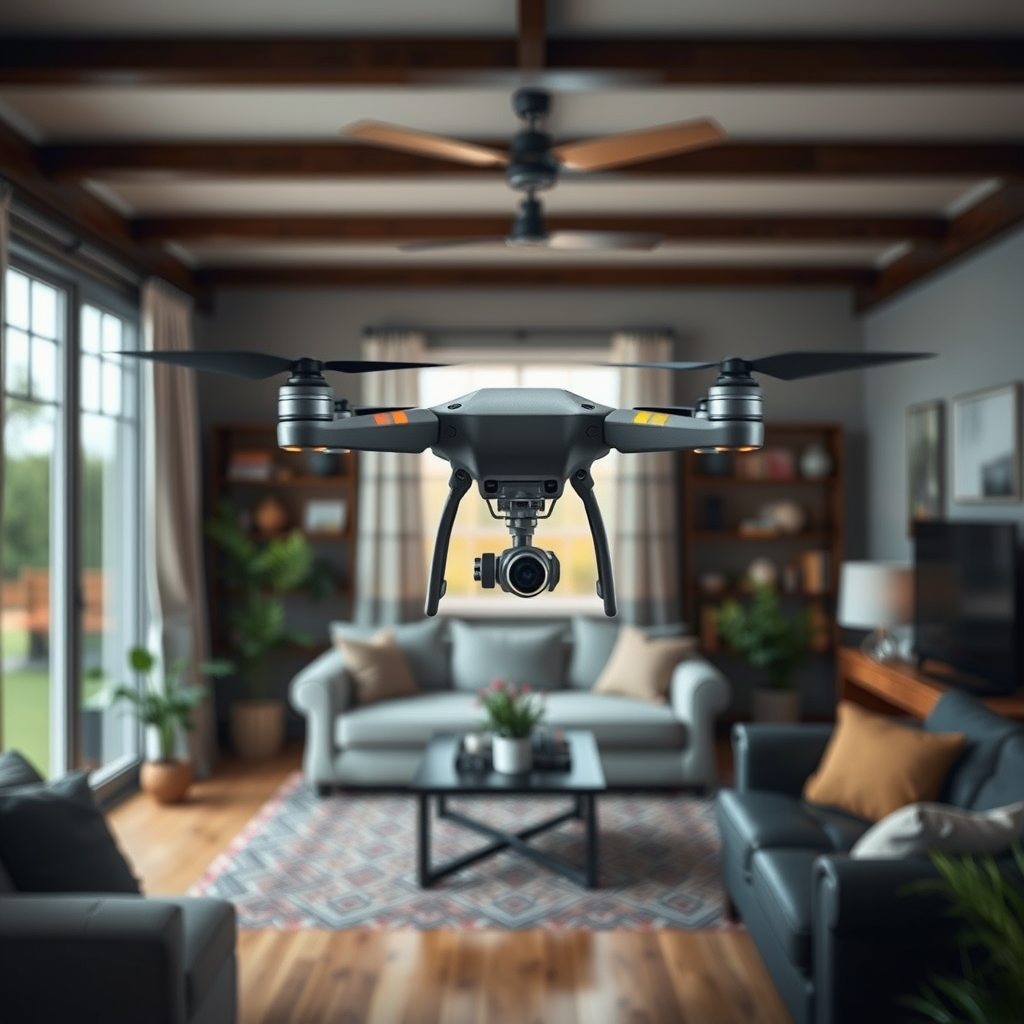
The Federal Aviation Administration (FAA) governs drone flight in the U.S., setting forth guidelines that all drone operators must adhere to. One of the primary regulations mandates that drones must be flown below 400 feet and within the operator’s visual line of sight. This ensures not only the safety of the drone operator but also that of other aircraft and people on the ground. Moreover, the FAA requires drone operators to register their drones if they weigh more than 0.55 pounds. Failure to comply with these regulations can lead to fines and penalties, so it is essential to familiarize yourself with the regulations and ensure you are operating within legal parameters.
Additionally, the FAA has introduced the Part 107 rules for commercial drone use, which includes additional requirements such as obtaining a remote pilot certificate. Even if you are flying for recreational purposes, it is wise to understand these commercial guidelines, as many of the principles apply universally to drone operation.
Local Laws and Restrictions
While the FAA provides overarching regulations, local laws and restrictions may impose further limitations on drone use. Many states and municipalities have their own laws regarding drone operation, often designed to address specific concerns within their communities. For instance, some cities may prohibit drone flights in certain areas, such as parks, schools, or crowded urban environments.
It is essential to check for any no-fly zones or specific local regulations before launching your drone. Tools such as the FAA’s B4UFLY app can help you determine if you are in a restricted area. Additionally, local authorities, such as police departments or municipal offices, can provide information about any additional drone regulations that might apply. Ignorance of these laws can lead to serious repercussions, including fines or even confiscation of equipment.
Respecting Privacy Rights
Flying over private property can raise privacy concerns for homeowners, making it essential to be mindful of individuals’ rights when operating your drone. Most states recognize a reasonable expectation of privacy, meaning that homeowners may have legitimate grounds for concern if a drone is hovering over their property without permission.
To maintain good relations and respect privacy rights, consider notifying homeowners in advance if you plan to fly in residential areas. In some cases, obtaining consent may be necessary, especially if you intend to capture video footage or photographs. This not only fosters goodwill but also helps you avoid potential legal disputes. Remember, being courteous and transparent can go a long way in building trust within the community.
Safety Considerations
Safety should always be a top priority when operating a drone, particularly in residential areas where children, pets, and other individuals may be present. Before each flight, ensure your drone is in good working condition, checking for any mechanical issues, battery levels, and firmware updates. Regular maintenance is crucial to prevent malfunctions that could lead to accidents or injuries.
Moreover, be aware of your surroundings while flying. Look out for potential hazards such as power lines, trees, and other structures that could pose a risk to your drone’s operation. Also, be conscious of weather conditions, as wind, rain, and other factors can significantly impact a drone’s stability and performance. By taking these safety considerations into account, you can minimize risks and ensure a more enjoyable flying experience.
Best Practices for Flying Over Houses
When flying over houses, implementing best practices can enhance safety and efficiency. One effective strategy is to create a flight plan before launching your drone. A well-thought-out flight plan allows you to identify potential obstacles, establish a clear route, and anticipate any changes in conditions or surroundings during your flight.
In addition, consider using a drone with advanced navigational features, such as GPS positioning and obstacle avoidance systems, to further aid in safe flying. These technologies can help reduce the likelihood of accidents and make it easier to navigate complex environments.
Communication is also key, particularly if you are flying in residential areas. Engaging with homeowners about your intentions can help alleviate concerns and foster a positive environment for drone operation. If a homeowner expresses discomfort with your presence, be respectful and consider modifying your flight path or timing.
Insurance and Liability
Obtaining drone insurance is a prudent decision for any operator, especially those who plan to fly over houses. Drone insurance can protect you against potential damages or accidents that may occur during flight, including property damage or bodily injury claims. Many insurance providers offer policies specifically tailored to drone operators, which can cover various scenarios, from crashes to legal disputes.
Furthermore, understanding your liability in case of property damage while flying over homes is vital. If your drone were to accidentally damage a property or injure someone, you could be held responsible for the costs associated with those damages. Having insurance can provide peace of mind and financial protection in these situations. Always ensure you read the terms and conditions of any insurance policy to understand what is covered and any limitations that may apply.
In summary, while flying your drone over houses is permissible under certain conditions, understanding the regulations, respecting privacy, and following safety practices are crucial for responsible drone operation. Always do your research and stay informed to enjoy your flying experience responsibly. By adhering to these guidelines and best practices, you can ensure a safe and enjoyable drone flying experience while positively contributing to your community.
Frequently Asked Questions
Can you legally fly your drone over residential houses?
Yes, you can legally fly your drone over residential houses in many areas, but it is crucial to adhere to local regulations and guidelines. In the United States, the Federal Aviation Administration (FAA) allows drone flights as long as you maintain a visual line of sight, fly below 400 feet, and avoid flying over people. However, always check your local laws and any homeowners’ association rules, as they may have additional restrictions.
What are the privacy concerns when flying a drone over houses?
Flying a drone over residential properties raises significant privacy concerns among homeowners. Many people feel that drones intrude on their personal space and can capture images or videos without consent. To mitigate privacy issues, drone operators should avoid flying directly over private property whenever possible and be respectful of others’ privacy by following ethical guidelines and local laws regarding aerial photography.
How can you ensure you are not violating any laws while flying your drone over houses?
To ensure compliance with laws while flying your drone over houses, familiarize yourself with both federal and local regulations. Consult the FAA’s rules regarding airspace restrictions, especially near airports, and check any state or municipal regulations that may impose additional restrictions. Additionally, consider notifying homeowners in advance or obtaining permission to fly over their property, which can foster goodwill and avoid potential conflicts.
What are the best practices for flying a drone over residential areas?
The best practices for flying a drone over residential areas include flying during daylight hours, maintaining a safe distance from people and structures, and keeping noise levels low to avoid disturbing residents. Always obtain necessary permissions if you’re capturing images or videos for commercial purposes, and respect local no-fly zones or restricted areas. Lastly, be responsible by keeping your drone in sight at all times and adhering to the guidelines set by the FAA.
Which drones are best suited for flying over houses while maintaining privacy?
Drones with advanced camera features and noise reduction technology are best suited for flying over houses while maintaining privacy. Models like the DJI Mavic Air 2 or the DJI Mini 2 offer high-quality imaging capabilities while being compact and relatively quiet. These drones also come equipped with obstacle avoidance systems, which help ensure safety and compliance when flying in residential areas, minimizing the risk of accidents and privacy violations.
References
- https://en.wikipedia.org/wiki/Drone_flight_regulations
- https://www.faa.gov/uas/getting_started/where_to_fly/
- https://www.fcc.gov/consumers/guides/rules-drones
- https://www.nytimes.com/2023/04/15/us/drone-regulations.html
- https://www.npr.org/sections/alltechconsidered/2021/04/26/990564890/how-to-fly-your-drone-responsibly
- https://www.ama-association.org/assets/documents/DroneSafety.pdf
- https://www.usatoday.com/story/tech/2021/06/19/drone-flying-rules/7701008002/
