
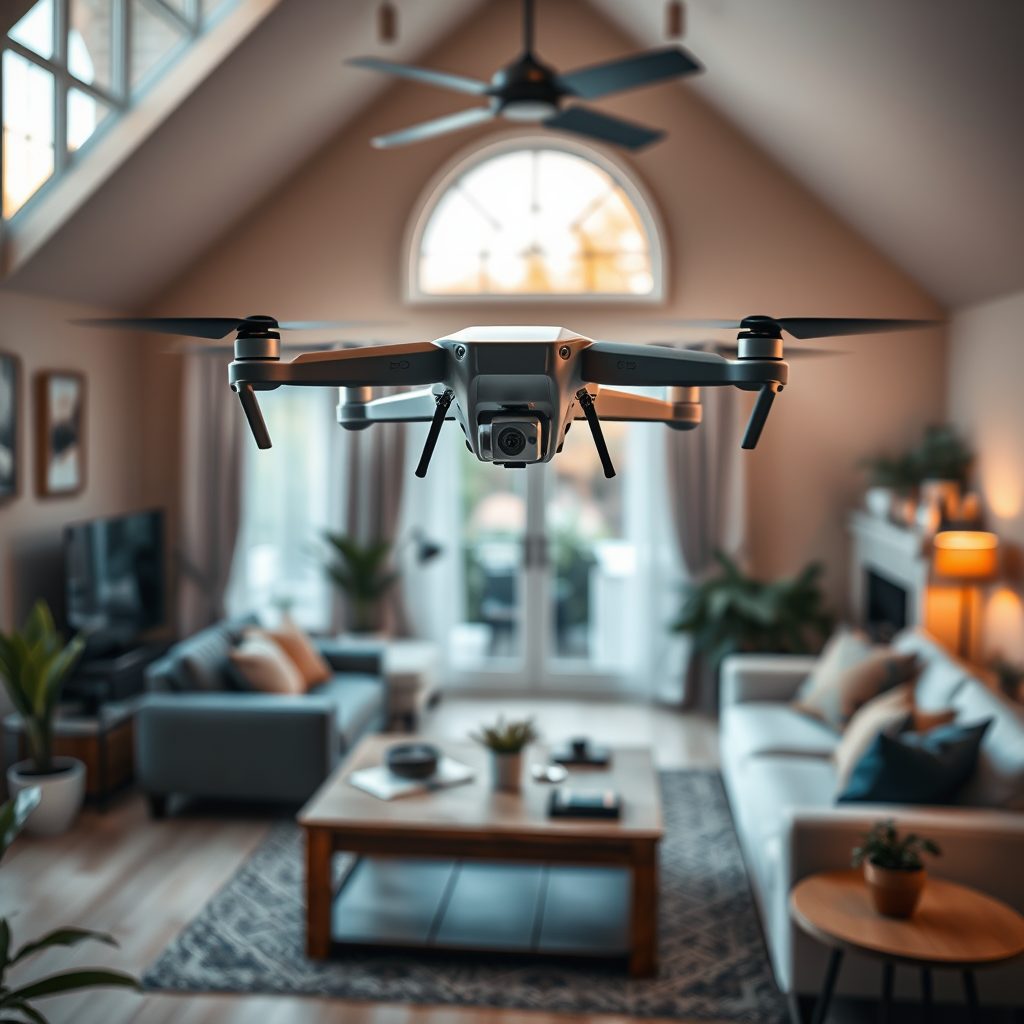
Yes, you can fly a drone from inside your house, but there are important considerations to keep in mind regarding safety, regulations, and technical capabilities. Indoor drone flying can be an exciting way to experience the technology firsthand, but it requires careful planning and a thorough understanding of both the environment and the equipment you are using. In this article, we will explore the factors that influence indoor drone flying, tips for safe operation, and the types of drones best suited for indoor use.
Understanding Indoor Flying Regulations
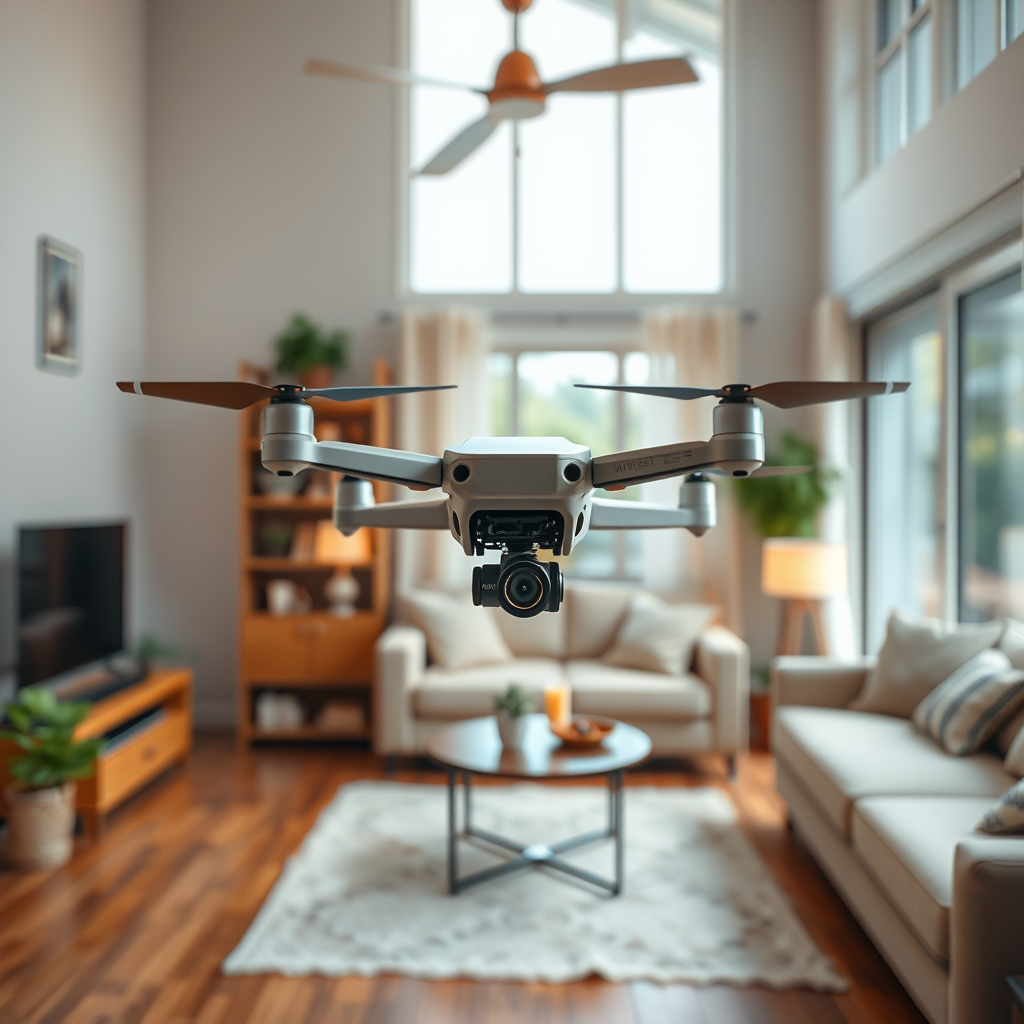
Before embarking on your indoor drone flying adventure, it is essential to familiarize yourself with local laws and regulations regarding drone usage. In many jurisdictions, while outdoor flying is often more heavily regulated, indoor drone operation can still be subject to specific rules. For instance, some areas may have regulations concerning noise levels, privacy, and even the types of drones that can be flown indoors.
Moreover, it is crucial to understand the distinction between indoor and outdoor flying restrictions. Outdoor flying typically requires consideration of airspace regulations, no-fly zones, and registration requirements for larger drones. Conversely, indoor flying tends to be less regulated but still necessitates adherence to safety standards to prevent accidents or damage. Always check with local authorities and drone regulations to ensure compliance and avoid unwarranted fines or penalties.
Safety Considerations
Safety is paramount when it comes to operating a drone indoors. One of the first considerations is ensuring there is enough space to maneuver the drone safely. An ideal indoor flying environment should have ample room—preferably a large, open area devoid of obstacles. Small rooms cluttered with furniture or decorations can pose a significant risk to both the drone and the surroundings.
Additionally, be aware of potential hazards like pets and people. A drone can be disorienting or startling to animals, and the risk of crashing into a person can lead to injury or damage. To mitigate these risks, always conduct a pre-flight check of your environment, ensuring that pets are secured in another room and that any individuals present are aware of the drone’s operation.
Suitable Drones for Indoor Use
When selecting a drone for indoor use, it’s essential to choose models that are specifically designed for such environments. Lightweight drones are generally more appropriate, as they are easier to control and less likely to cause injury or damage if they collide with objects. Look for drones equipped with protective features such as propeller guards, which can help prevent injuries and damage to both the drone and surrounding items.
Drones designed explicitly for indoor flying, like the DJI Tello or the Parrot Mambo, often come with enhanced stability and control features that make them ideal for confined spaces. These drones typically include onboard sensors that help maintain altitude and orientation, making them easier to fly in challenging indoor environments.
Tips for Successful Indoor Drone Flying
To ensure a successful indoor flying experience, consider using a drone equipped with GPS and stabilization features. While GPS may have limited functionality indoors due to signal interference from walls and furniture, drones with advanced stabilization technology can help maintain control and prevent crashes. This is especially beneficial for novice pilots who are still learning the nuances of drone flight.
Before attempting indoor flights, it is advisable to practice flying in an open area. This allows you to familiarize yourself with the controls and handling of the drone without the risk of damaging it or your surroundings. As you gain confidence, gradually transition to indoor environments, starting with larger, open spaces and progressively working your way to more confined areas.
Setting Up Your Indoor Flying Area
Creating a suitable indoor flying area is crucial for a successful drone flight. Start by clearing the flying space of obstacles and hazards. Remove any fragile items, furniture, or decorations that could be damaged by a wayward drone. Ideally, choose a room with high ceilings and minimal furniture to provide ample space for the drone’s flight path.
Additionally, marking boundaries can help maintain control during flight. Consider using tape or cones to designate the flying area, allowing you to visualize the limits and keep the drone within a safe zone. This is particularly useful when flying in spaces with limited visibility, as it helps prevent the drone from straying into hazardous areas.
Troubleshooting Common Indoor Flying Issues
Even with careful planning, indoor drone flying can present unique challenges. One common issue is signal interference, which can be exacerbated by walls, furniture, and electronic devices. To minimize these problems, ensure that the drone is calibrated correctly and that you are flying in an area with as few signal obstructions as possible.
Battery limitations can also affect indoor flying. Drones often have reduced battery life when flying indoors due to the increased power required for hovering and the absence of GPS assistance. Keep an eye on battery levels and be prepared to land the drone safely before it runs out of power. Learning how to recalibrate your drone for accurate indoor navigation is also essential, as this can help address issues related to orientation and stability.
In conclusion, flying a drone from inside your house is possible, but it requires careful planning and consideration of safety and regulations. Understanding local laws, ensuring a safe environment, and selecting the right equipment are essential steps in enjoying indoor drone flying responsibly. By following these guidelines and tips, you can have a successful and enjoyable indoor drone experience.
Frequently Asked Questions
Can I fly a drone from inside my house legally?
Yes, you can legally fly a drone from inside your house, as long as you follow the regulations set by your country’s aviation authority. In the United States, the Federal Aviation Administration (FAA) requires that you maintain visual line-of-sight with your drone and that you do not fly over people or in restricted airspace. Always check local laws and regulations as they may vary by region.
What are the risks of flying a drone indoors?
Flying a drone indoors poses several risks, including potential damage to your property, injury to people, and the risk of losing control of the drone in a confined space. Indoor flying can also lead to interference with the drone’s GPS signal, which may cause the drone to behave unpredictably. It’s advisable to use a drone specifically designed for indoor flying, which typically has features such as propeller guards and altitude hold.
How can I prepare my home for indoor drone flying?
To prepare your home for indoor drone flying, start by clearing the area of any obstacles, such as furniture or fragile items, that could be damaged. Ensure that you have enough space for the drone to maneuver safely, and consider using a large, open room with high ceilings. Additionally, check that there are no pets or small children nearby to reduce the risk of accidents.
Which drones are best suited for indoor flying?
The best drones for indoor flying are typically smaller, lightweight models designed for stability and safety. Look for drones with features like propeller guards, altitude hold, and advanced obstacle detection. Popular indoor drones include the DJI Tello, the Holy Stone HS210, and the Potensic A20, all of which are user-friendly and offer a good balance of performance and safety.
Why might my drone not connect to the controller when flying indoors?
Your drone might not connect to the controller when flying indoors due to several factors, including weak GPS signals, interference from Wi-Fi networks, or low battery levels. Indoor environments can obstruct signals that are essential for establishing a connection. To resolve this issue, ensure you are in an open space, away from electronic devices, and check that both the drone and controller are fully charged before attempting to fly.
References
- https://en.wikipedia.org/wiki/Drone
- https://www.faa.gov/uas/getting_started/
- https://www.nytimes.com/2021/05/06/technology/drone-regulations.html
- https://www.theguardian.com/technology/2020/oct/06/drone-flying-regulations-uk
- https://www.nasa.gov/mission_pages/UAVs/overview/index.html
- https://www.nsc.org/home-safety/tools-resources/seasonal-safety/drone-safety
- https://www.suasnews.com/2020/10/can-i-fly-my-drone-inside-my-home/
