
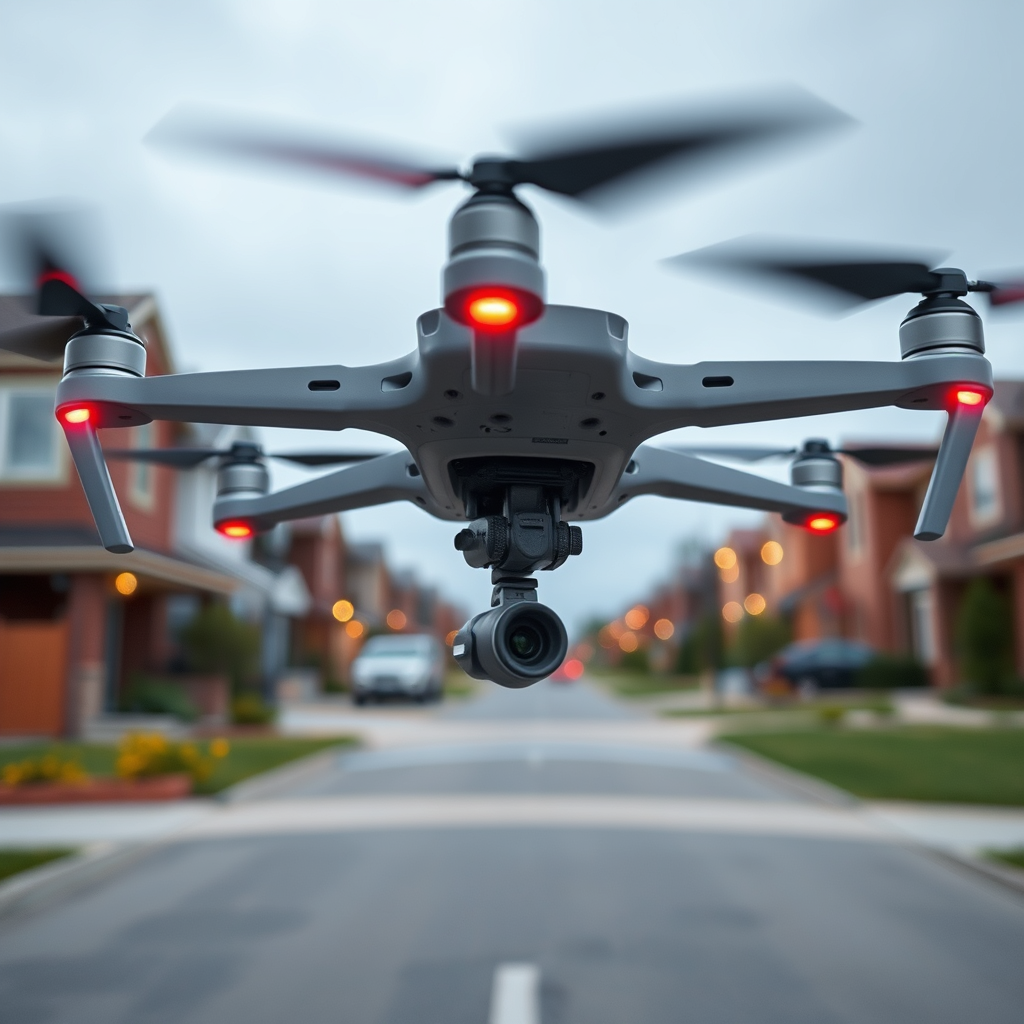
Yes, you can fly a drone in your neighborhood, but there are important regulations and considerations to keep in mind. Responsible drone operation requires an understanding of local laws, respect for privacy, and commitment to safety. By adhering to these guidelines, you can enjoy flying your drone while ensuring that you do not infringe on others’ rights or violate regulations.
Understanding Local Regulations
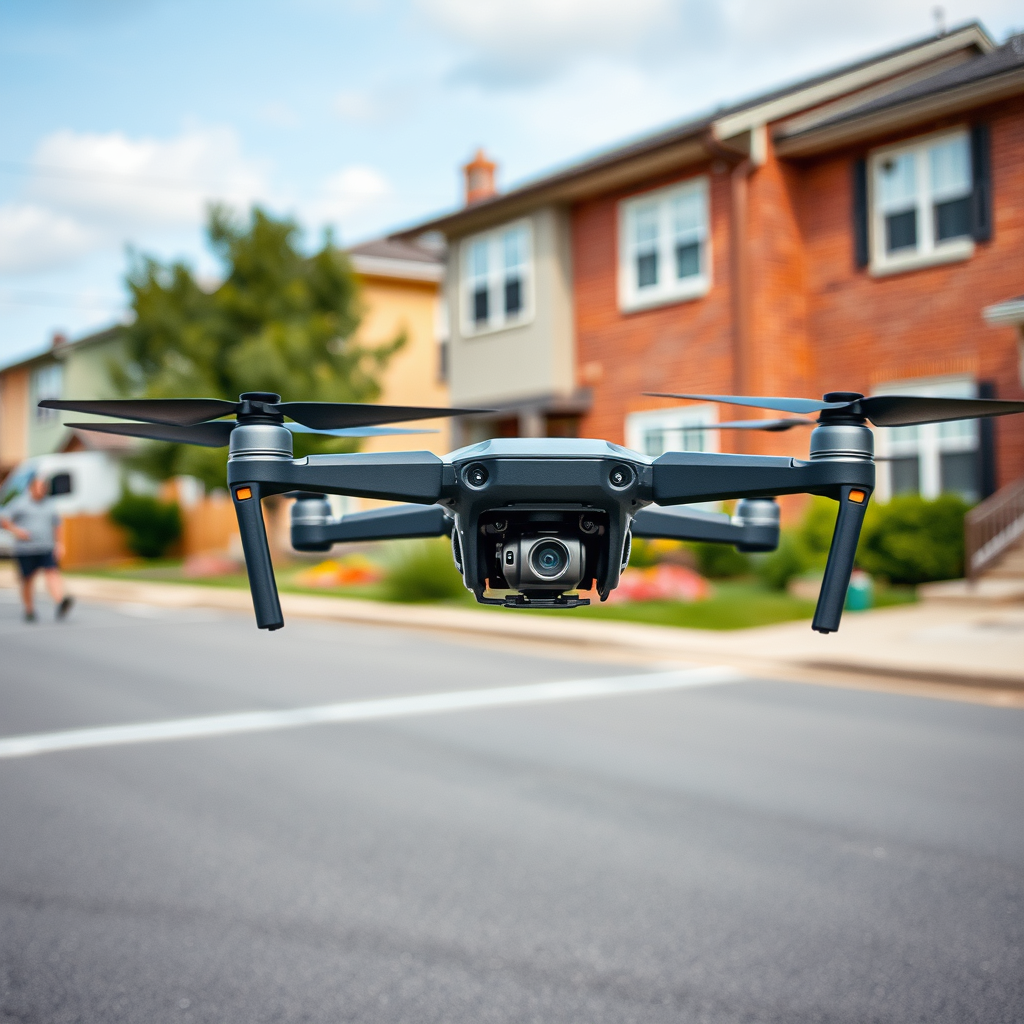
Before taking to the skies, it’s essential to familiarize yourself with the regulatory landscape governing drone use. In the United States, the Federal Aviation Administration (FAA) outlines basic drone operation rules, including registration requirements for drones weighing over 0.55 pounds, guidelines for recreational use, and mandates for commercial pilots. In addition to federal regulations, you must also check state laws, as some states have enacted specific legislation regarding drone operations.
Furthermore, local municipalities may have their own rules, especially in urban areas. For example, some cities have enacted ordinances that restrict drone flying in public parks, residential areas, or near schools. If you reside in a neighborhood governed by a homeowner association (HOA), review their guidelines as well. Some HOAs may have strict rules prohibiting drone flights altogether, while others might impose specific hours or areas for flying. Always ensure compliance with these regulations to avoid fines or legal repercussions.
Respecting Privacy
Respect for privacy is paramount when operating a drone in a neighborhood setting. Drones equipped with cameras can inadvertently invade the privacy of your neighbors, leading to discomfort or even legal disputes. It is advisable to avoid flying over private properties without obtaining explicit permission from the owners. This not only fosters goodwill but also protects you from potential accusations of trespassing.
Be mindful of your drone’s camera capabilities and the angles from which it captures footage. For instance, flying a drone at a height that allows you to see into someone’s backyard or home may be perceived as intrusive. If you’re planning to capture aerial footage, consider informing your neighbors in advance and discussing your intentions. Open communication can significantly reduce misunderstandings and foster a sense of community.
Safety Considerations
Safety should always be your top priority when flying a drone. Federal guidelines recommend maintaining a minimum distance from people and pets to avoid causing accidents or injuries. It is advisable to fly your drone at least 25 feet away from individuals not involved in the operation. Additionally, avoid flying in crowded areas, such as parks or events, where the risk of accidents increases significantly.
Keeping your drone within visual line-of-sight is another crucial safety measure. This practice allows you to maintain control over your drone and respond quickly to any unforeseen circumstances, such as sudden weather changes or technical malfunctions. Investing in a drone with built-in safety features, such as obstacle avoidance technology, can enhance your flying experience and minimize risks to both people and property.
Ideal Times for Flying
Choosing the right times to fly your drone can promote a harmonious relationship with your neighbors. Flying when your neighbors are less likely to be outside can minimize disturbances and complaints. Early mornings or late afternoons during weekdays are often optimal, as many people are at work or engaged in other activities.
Additionally, consider local events or holidays that might draw neighbors outdoors. Avoid flying during these times to respect their right to enjoy their property without the distraction of drone noise or activity. By being considerate and strategic about your flying schedule, you can maintain a favorable atmosphere in your neighborhood.
No-Fly Zones
Understanding no-fly zones is critical for any responsible drone operator. No-fly zones are designated areas where drone flights are restricted or prohibited, typically for safety reasons. These areas often include airports, military installations, and certain public spaces like schools and parks. The FAA provides a comprehensive list of no-fly zones, but it is wise to supplement this with local knowledge, as some municipalities may have additional restrictions.
Utilizing drone flight apps, such as Airmap or Kittyhawk, can be invaluable in identifying no-fly zones in your area. These applications provide real-time updates on airspace regulations and can alert you to potential hazards before you take off. Always check for no-fly zones before each flight to ensure compliance and avoid potentially serious legal repercussions.
Best Practices for Neighborhood Flying
Adopting best practices for drone operation in your neighborhood can cultivate goodwill and ensure a more enjoyable flying experience. First and foremost, consider notifying your neighbors about your drone activities. This proactive approach can alleviate concerns and foster transparency, allowing neighbors to understand when and where you will be flying.
Additionally, abide by the “know before you go” principle. Research local airspace rules, community regulations, and any temporary restrictions that may apply to your planned flights. Keeping informed about changing regulations can prevent inadvertent violations and reinforce your commitment to responsible drone use.
Lastly, consider joining local drone clubs or online communities to share experiences and learn from other drone enthusiasts. Networking with fellow pilots can provide valuable insights into best practices and local regulations, enhancing your flying knowledge and skills.
Technology and Tools
Leveraging technology can significantly improve your drone flying experience. Various apps designed for drone operators can help monitor airspace, check weather conditions, and ensure compliance with regulations. For example, apps like B4UFLY provide real-time information about airspace restrictions and can guide you on safe flying practices.
Investing in a drone equipped with advanced safety features can also enhance your flying experience. Look for drones that include features such as obstacle avoidance, geofencing, and return-to-home capabilities. These technologies can help prevent accidents and ensure a safer flying experience, increasing your confidence as a drone operator.
By utilizing these tools and technologies, you can stay informed and compliant, enabling you to enjoy flying while contributing to the safety and peace of your neighborhood.
Flying a drone in your neighborhood can be an enjoyable experience if done responsibly. By understanding local regulations, respecting privacy, and prioritizing safety, you can foster a positive atmosphere for yourself and your neighbors. Remember to stay informed about no-fly zones, choose ideal flying times, and leverage technology to enhance your flying experience. Ultimately, a responsible approach to drone operation not only enriches your hobby but also builds trust and camaraderie within your community.
Frequently Asked Questions
Can you fly a drone in a neighborhood legally?
Yes, you can fly a drone in a neighborhood, but there are specific regulations you must follow to ensure compliance with local laws. In the United States, the Federal Aviation Administration (FAA) mandates that drone operators maintain visual line of sight and fly below 400 feet. Additionally, you should check local ordinances as some cities or homeowners’ associations may have restrictions on drone usage in residential areas.
What are the common restrictions for flying drones in residential areas?
Common restrictions for flying drones in residential areas include maintaining a minimum distance from people and private property, avoiding crowded places, and adhering to local noise ordinances. Some neighborhoods may have rules prohibiting drone flights altogether or require permits for recreational use. Always consult your local laws and regulations to avoid fines or other legal issues.
How can I ensure I’m being respectful while flying my drone in a neighborhood?
To be respectful while flying your drone in a neighborhood, maintain a safe distance from people’s homes and private property, avoid flying during early morning or late evening hours to minimize noise disruption, and always ask for permission if you plan to fly near someone’s property. Additionally, consider using your drone for legitimate purposes, such as photography or surveying, while being mindful of privacy concerns.
Why is it important to check local drone laws before flying in a neighborhood?
Checking local drone laws before flying in a neighborhood is crucial to avoid legal repercussions and ensure the safety and privacy of residents. Different jurisdictions can have varying rules regarding drone operation, including altitude limits, no-fly zones, and restrictions on commercial use. By familiarizing yourself with these laws, you can enjoy your drone hobby responsibly and prevent conflicts with neighbors and authorities.
What is the best practice for flying a drone in a neighborhood without causing disturbances?
The best practice for flying a drone in a neighborhood without causing disturbances is to choose flight times wisely, ideally during daylight hours and when fewer residents are home. Keep your drone’s flight path away from populated areas and avoid hovering over private properties. Additionally, flying at a lower altitude and using quieter models can help reduce noise and minimize disruption to neighbors, fostering a more positive relationship within the community.
References
- https://www.faa.gov/uas/getting_started/regulations/
- https://www.faa.gov/uas/where_to_fly/
- https://www.nolo.com/legal-encyclopedia/drone-laws-your-state-29726.html
- https://www.wired.com/story/drone-laws-regulations/
- https://www.bbc.com/news/technology-47992716
- https://www.reuters.com/technology/what-you-need-know-about-drone-regulations-2021-04-29/
- https://www.ama-assn.org/delivering-care/public-health/drone-delivery-medicine-what-know
- https://www.nytimes.com/2021/05/07/us/drone-laws.html
