
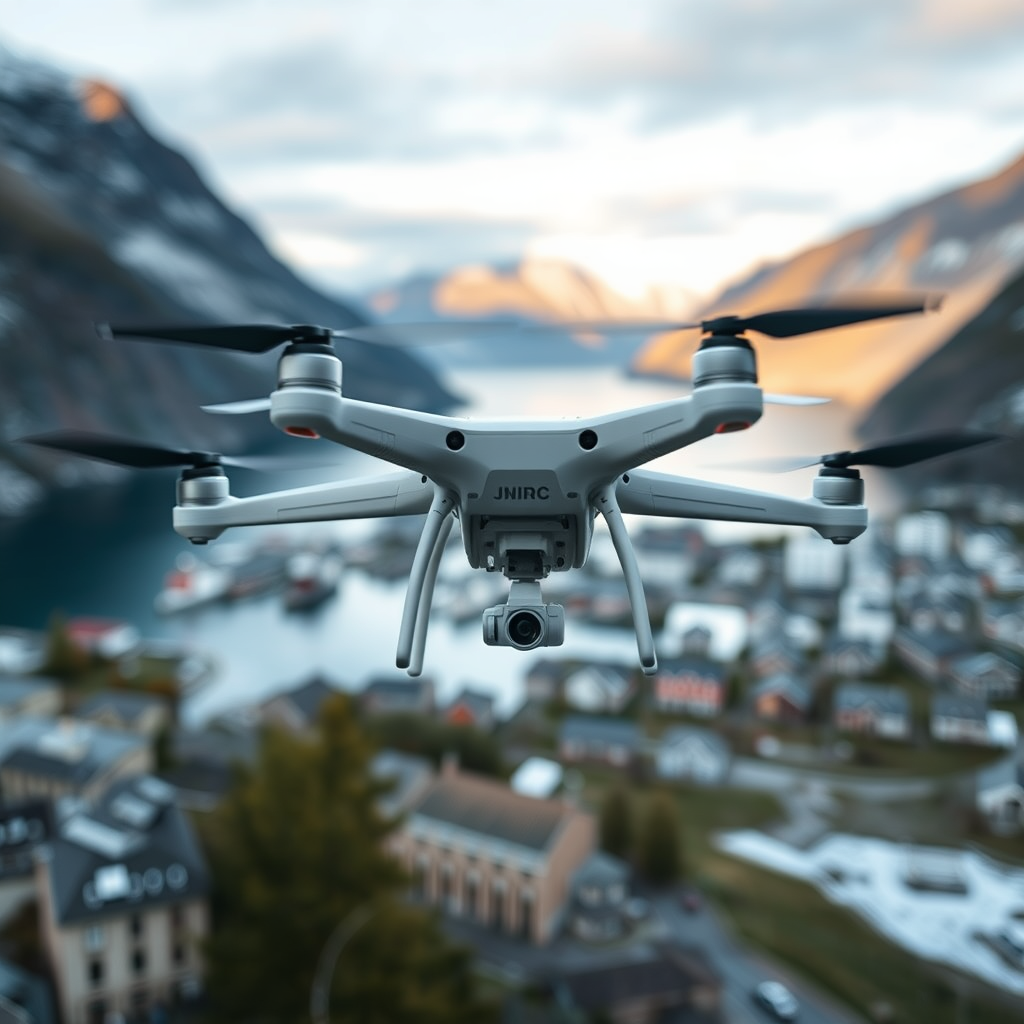
Yes, you can fly a drone in Norway, but there are specific regulations and guidelines you must follow to ensure safety and compliance. Norway, with its breathtaking landscapes and stunning natural beauty, has become a popular destination for drone enthusiasts. However, understanding the local rules is essential to fully enjoy your flying experience while respecting the environment and adhering to Norwegian law.
Overview of Drone Regulations in Norway
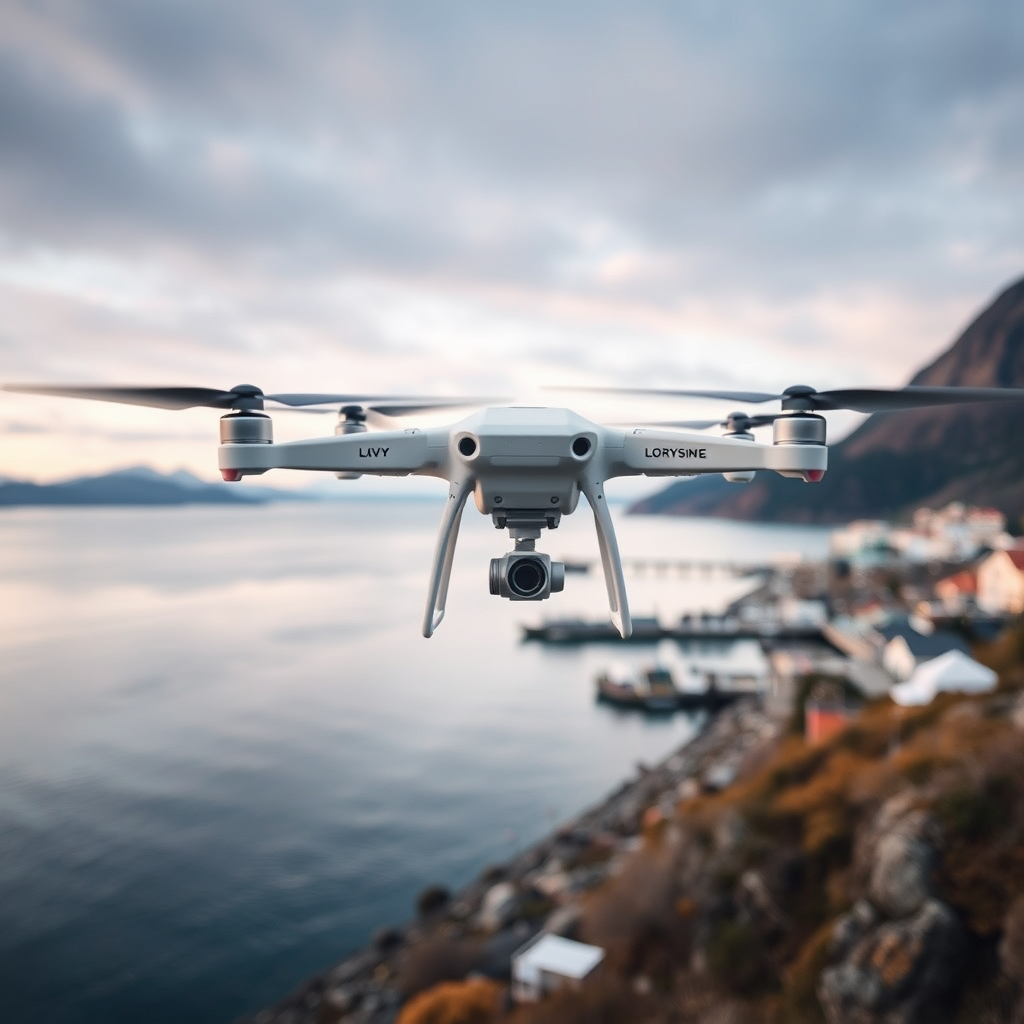
In Norway, drone regulations are governed by the Norwegian Civil Aviation Authority (CAA), and compliance is crucial for safe and responsible flying. Drones must be registered if they weigh more than 250 grams, which is an important threshold for both recreational and commercial operators. The registration process is straightforward and can often be completed online through the CAA’s official website.
Pilots are also required to familiarize themselves with specific operational regulations that apply to their flying activities. For instance, drone operators must not exceed a maximum altitude of 120 meters (approximately 394 feet) above ground level. Additionally, drones must not be flown in a way that endangers other people, property, or aircraft. It is also essential to maintain a safe distance from populated areas and sensitive locations, ensuring that drone flights do not disrupt the local community or environment.
Required Licenses and Permits
For those looking to use their drones commercially, a valid drone pilot license is required. The CAA offers a certification process that includes a theoretical examination and practical flight assessment. This ensures that pilots are adequately trained in drone operation and understand the relevant regulations.
Furthermore, special permissions may be necessary for flying in specific areas, particularly near airports and densely populated regions. For example, flying within a 5-kilometer radius of an airport typically requires explicit approval from the CAA. Pilots should always check for any temporary restrictions, especially during events or emergencies, to avoid fines or penalties.
No-Fly Zones and Restrictions
In Norway, several no-fly zones are designated to protect sensitive areas and ensure safety. Prohibited areas include military zones, which are strictly off-limits to drone operations, and airports, where drones must not be flown without prior permission. Additionally, nature reserves and national parks often have restrictions in place to protect wildlife and preserve natural habitats.
Before flying, it is advisable to consult local regulations and use apps or websites that provide up-to-date information on airspace restrictions. For example, the DroneAssist app can help pilots identify no-fly zones and stay informed about temporary restrictions due to wildlife activity or special events.
Safety Guidelines for Drone Operation
Safety is paramount when operating a drone. One of the fundamental safety guidelines is to maintain a visual line of sight with your drone at all times. This ensures that you are aware of your surroundings and can react promptly to any potential hazards. Flying during daylight hours is also recommended, as visibility is critical for safe operation.
Moreover, avoiding flying over crowds is essential to mitigate risk. Not only does this protect individuals from potential injury, but it also respects people’s privacy. Drone pilots should always be mindful of local communities and refrain from invasive flights over private property without permission.
Tips for Responsible Drone Use in Norway
Responsible drone use goes beyond simply adhering to regulations; it also involves considering the environmental impact of your activities. Norway is home to diverse wildlife and delicate ecosystems. Pilots should avoid flying in areas where wildlife may be disturbed, such as nesting sites or habitats during breeding seasons.
Additionally, following “Leave No Trace” principles is crucial while flying in natural areas. This means not only minimizing your physical footprint but also ensuring that your presence does not disrupt the natural environment. For instance, be cautious with noise pollution, as drones can be particularly disruptive to wildlife.
Insurance and Liability Considerations
While drone insurance is not mandatory in Norway, obtaining coverage can provide essential protection for operators. Insurance can cover damages to property, bodily injury, and other liabilities that may arise during drone operations. Various providers offer drone insurance tailored to the unique risks associated with aerial activities, and it is wise for both recreational and commercial pilots to consider this option.
Understanding your liability as a drone operator is also important. In the event of an accident, operators may be held responsible for any damages incurred. Therefore, being well-informed about local laws and having adequate insurance can help mitigate potential legal issues.
In conclusion, flying a drone in Norway is permissible, provided you follow the appropriate regulations and guidelines. The key to a successful and enjoyable flying experience lies in staying informed about local laws, prioritizing safety, respecting the environment, and understanding your responsibilities as an operator. By adhering to these principles, you can take advantage of Norway’s stunning landscapes while ensuring a safe and respectful drone flying experience.
Frequently Asked Questions
What are the legal requirements for flying a drone in Norway?
In Norway, drone pilots must adhere to the regulations set by the Norwegian Civil Aviation Authority (CAA). Pilots need to register their drones if they weigh over 250 grams and must obtain a remote pilot license for drones weighing more than 2 kg. Additionally, pilots must follow operational guidelines, including maintaining a visual line of sight with their drone and avoiding flights over populated areas without special permission.
How high can you legally fly a drone in Norway?
In Norway, the general maximum altitude for flying a drone is 120 meters (approximately 394 feet) above ground level. However, drone operators must also consider specific local regulations, as some areas, such as near airports or in nature reserves, may have stricter altitude limits. Always check the local airspace rules before taking off to ensure compliance and safety.
Why are there restrictions on flying drones in certain areas of Norway?
Restrictions on flying drones in certain areas of Norway are primarily in place to protect public safety, wildlife, and the environment. Sensitive areas, such as national parks, wildlife habitats, and urban zones, often have regulations to minimize disturbance to animals and people. Understanding these restrictions is crucial for responsible drone operation and to avoid fines or legal issues.
What are the best practices for flying a drone in Norway’s natural landscapes?
When flying a drone in Norway’s stunning natural landscapes, it’s essential to follow best practices such as respecting wildlife habitats, avoiding sensitive areas, and maintaining a safe distance from people. Additionally, ensure you have the appropriate permissions for commercial use and always check the weather conditions before flying. Using a drone responsibly helps preserve Norway’s natural beauty while ensuring compliance with local laws.
Which apps can help drone pilots navigate airspace regulations in Norway?
Several apps can assist drone pilots in navigating airspace regulations in Norway, including “Drone Assist” and “AirMap.” These apps provide real-time airspace information, including no-fly zones and altitude limits, making it easier for pilots to plan their flights safely. Utilizing these tools can enhance your flying experience and ensure compliance with Norwegian drone regulations.
References
- https://www.norwegian.no/faq/drone-regulations-in-norway
- https://www.avinor.no/en/airport/drone-flying-in-norway
- https://www.faa.gov/uas/getting_started/what_is_ua
- https://www.nrk.no/norge/kan-du-fly-drone-i-norge-1.15123467
- https://www.faa.gov/uas/education_resources/
- https://www.droneii.com/drone-regulations-in-norway
- https://www.faa.gov/uas/learn/
- https://www.journalofdronepolicy.org/articles/2021/12/15/drone-regulations-in-norway
- https://www.dronerules.eu/countries/norway/
