
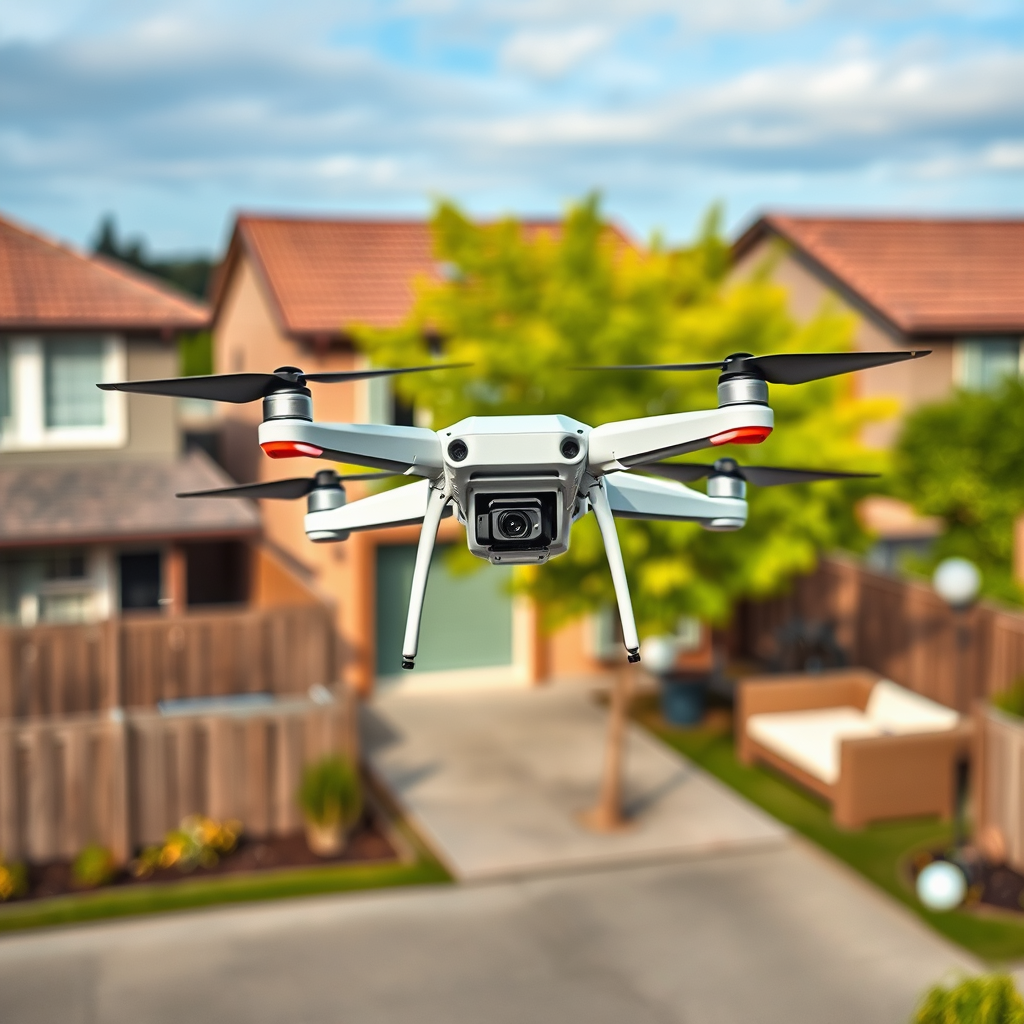
Yes, you can fly a drone in a residential area, but it is essential to navigate a complex landscape of regulations, safety protocols, and community considerations. Understanding the Federal Aviation Administration (FAA) guidelines, respecting the privacy of your neighbors, and adhering to local laws are crucial to ensuring that your drone use is responsible and non-disruptive. By being informed, you can enjoy the benefits of drone flying while minimizing potential conflicts with others in your community.
Understanding Local Regulations
Before launching your drone in a residential area, it’s vital to familiarize yourself with the FAA guidelines that govern drone operations. The FAA has established rules for both recreational and commercial drone pilots, which include altitude restrictions, no-fly zones, and the requirement to register your drone if it weighs more than 0.55 pounds. It’s also important to check for any specific local ordinances or homeowner association rules that may impose additional restrictions on drone use. For example, some communities may have noise ordinances that could affect the times you are allowed to fly your drone. By understanding these regulations, you can avoid fines and ensure that your drone activities do not disturb your neighbors.
Additionally, it is beneficial to stay updated on any changes in drone regulations, as the landscape is evolving rapidly with advancements in technology and increasing interest in drone applications. Online resources, including the FAA’s official website and local government portals, can provide you with the latest information and updates regarding drone operation laws.
Safety Considerations
Safety is paramount when flying a drone in residential areas. Maintaining a safe distance from people and structures is critical to avoiding accidents. The FAA recommends flying at least 25 feet away from individuals and 150 feet away from congested areas to minimize risks. Moreover, always keep your drone within your visual line of sight, which not only ensures compliance with regulations but also enhances your ability to react quickly to any potential hazards.
Practicing good safety measures can also prevent equipment malfunctions from posing risks to others. Regularly inspect your drone for any mechanical issues and ensure that your batteries are fully charged before each flight. Additionally, consider using a drone with advanced safety features, such as obstacle avoidance technology and emergency landing capabilities, to further enhance safety during your flights.
Respecting Privacy
Respecting the privacy of your neighbors is not only a moral obligation but also a legal one. Avoid flying over private property without explicit permission, as this may violate privacy laws and lead to disputes. It is advisable to communicate with your neighbors before flying your drone, particularly if you plan to capture images or videos in the vicinity of their homes. By being transparent about your drone activities, you can foster goodwill and alleviate any concerns they may have regarding privacy.
Moreover, be cautious when recording or photographing individuals without their consent. Many states have laws that protect individuals from being filmed without their knowledge, especially in their own homes. As a responsible drone operator, prioritize ethical considerations and always aim to operate your drone in a way that respects the privacy of others.
No-Fly Zones
Understanding and respecting no-fly zones is essential for responsible drone operation. These zones include areas where drone flights are prohibited, such as near airports, military installations, and places where emergency response operations are taking place. The FAA provides resources, including maps and apps, that help identify restricted airspace and no-fly zones in your area.
Utilizing tools like the FAA’s B4UFLY app can help you stay informed about airspace regulations while planning your drone flights. This app provides real-time information about nearby airspace restrictions, making it easier to avoid no-fly zones and comply with aviation regulations. By being aware of these boundaries, you not only adhere to the law but also contribute to the overall safety of airspace for all users.
Best Practices for Flying in Residential Areas
When flying in residential areas, adopting best practices can significantly enhance the experience for both you and your neighbors. First, aim to fly during daylight hours, as visibility is crucial for safe operation. Daylight flights allow you to better navigate obstacles, assess your surroundings, and maintain control of your drone.
Additionally, consider limiting the duration of your flights to minimize disturbances to neighbors. Prolonged drone flights can lead to noise complaints and affect the peace of your community. A good rule of thumb is to keep flights within 20 to 30 minutes, allowing ample time for battery management and ensuring that your drone returns safely without causing disruption.
Finally, familiarize yourself with the local wind patterns and weather conditions before flying. Wind can significantly impact drone stability and control, especially in residential areas where trees and buildings can create unpredictable gusts. By choosing optimal flying conditions, you can enhance safety and enjoyment during your drone activities.
Engaging with the Community
Building a positive relationship with your community can greatly enhance your drone-flying experience. Before embarking on your drone activities, consider informing your neighbors about your intentions. Open communication can alleviate any concerns they might have regarding noise or privacy invasion, fostering an environment of understanding and cooperation.
Participating in local drone clubs or online forums can also be beneficial. These communities provide invaluable resources, tips, and insights into best practices for flying drones responsibly. Engaging with fellow drone enthusiasts can expand your knowledge, help you stay informed about local regulations, and encourage respectful drone operation within your community.
In addition, consider organizing community events, such as drone demonstrations or educational workshops, to promote awareness and understanding of drone technology. Such initiatives can help demystify drone operation and showcase the potential benefits of drones, such as aerial photography, surveying, or search and rescue operations.
In summary, while flying a drone in a residential area is possible, it comes with a set of responsibilities. By adhering to regulations, prioritizing safety, and respecting privacy, you can contribute to a positive drone-flying culture in your community. Always stay informed, engage with your neighbors, and practice responsible drone use to ensure that your experience is enjoyable and harmonious.
Frequently Asked Questions
Can you fly a drone in a residential area?
Yes, you can fly a drone in a residential area, but there are specific regulations and guidelines you must follow. The Federal Aviation Administration (FAA) allows drone flights in these zones as long as you maintain a visual line of sight, do not exceed 400 feet in altitude, and stay away from people and private property. Additionally, it’s essential to check local laws and homeowners’ association (HOA) rules, as they may impose further restrictions on drone operations.
What are the legal restrictions for flying drones in residential neighborhoods?
Legal restrictions for flying drones in residential neighborhoods depend on federal, state, and local regulations. The FAA mandates that drones cannot be flown over private property without permission. Some states and municipalities have enacted their own drone laws, which may include no-fly zones, altitude limitations, and required permits. Always consult local ordinances and consider reaching out to neighbors to ensure compliance and respect their privacy.
How can I ensure my drone flight is safe and respectful in residential areas?
To ensure safe and respectful drone flights in residential areas, always follow the FAA’s safety guidelines, including flying below 400 feet and keeping the drone in your line of sight. Avoid flying over crowded areas and private properties without explicit permission. It’s also wise to fly during daylight hours and avoid bad weather, as well as to communicate with local residents about your drone activities to foster goodwill and understanding.
Why do some people complain about drones flying in residential areas?
People often complain about drones flying in residential areas due to concerns over privacy, noise, and safety. Drones can invade personal space, capturing images or videos without consent, which can make residents feel uncomfortable. Additionally, the noise generated by drones can be disruptive, especially in quiet neighborhoods. Understanding these concerns and being considerate can help alleviate tensions and promote responsible drone use.
What is the best way to check if I can fly my drone in a specific residential area?
The best way to check if you can fly your drone in a specific residential area is to use the FAA’s B4UFLY app, which provides information on airspace restrictions, local regulations, and no-fly zones. Additionally, researching local laws through city or county websites can provide insights into any specific drone regulations in that area. Engaging with local drone clubs or community forums can also yield valuable information about flying safely and legally in residential neighborhoods.
References
- https://www.faa.gov/uas/getting_started/registration
- https://www.faa.gov/uas/resources/policies_regulations/
- https://www.nasa.gov/aeroresearch/programs/airspace/uas.html
- https://www.droneflyers.com/drone-laws-residential-areas/
- https://www.wired.com/story/faa-drone-regulations-2021-guide/
- https://www.nytimes.com/2021/01/07/business/drone-regulations.html
