
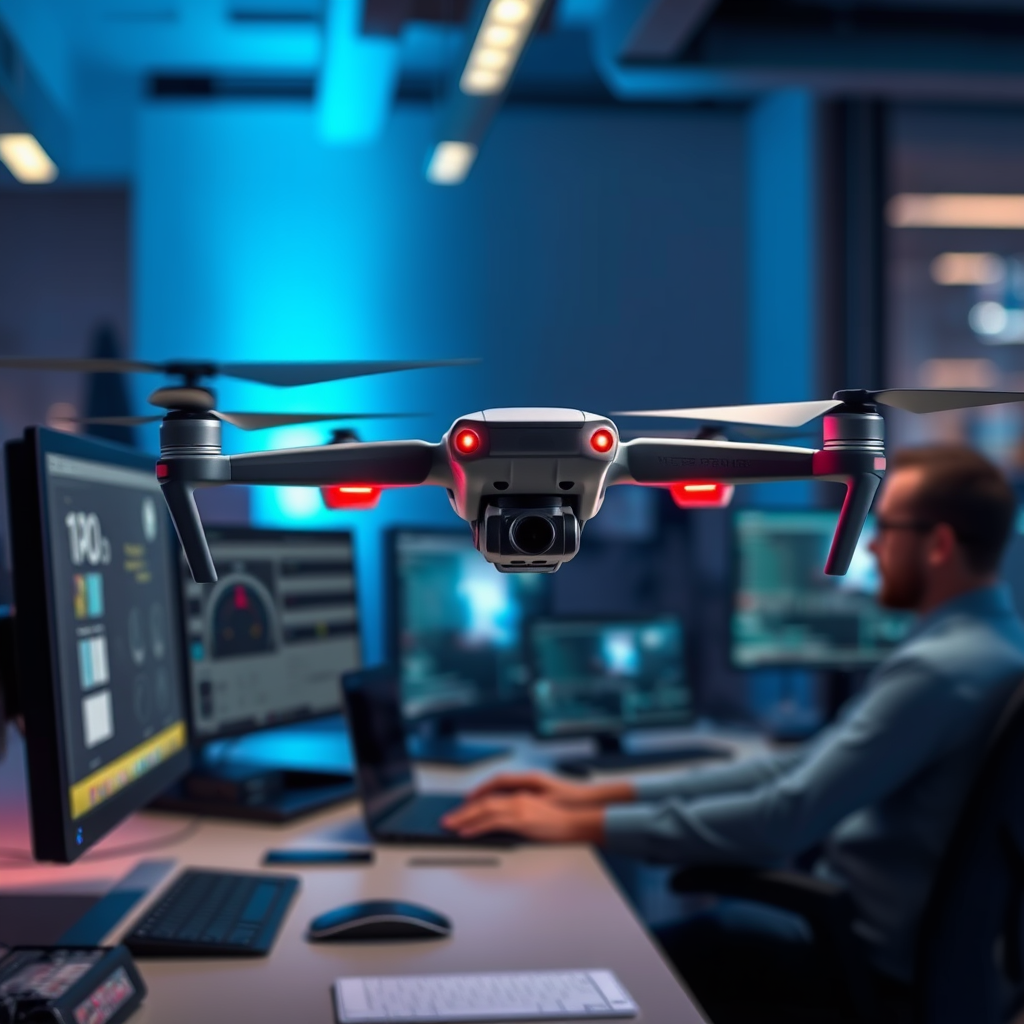
Yes, you can fly a drone in restricted airspace, but only with special permissions and under specific conditions. Restricted airspace is designated for national security and safety reasons, and flying a drone in these areas without authorization can result in severe penalties. Understanding the regulations, obtaining the necessary permissions, and prioritizing safety are essential steps for any drone operator considering flying in these zones.
Understanding Restricted Airspace
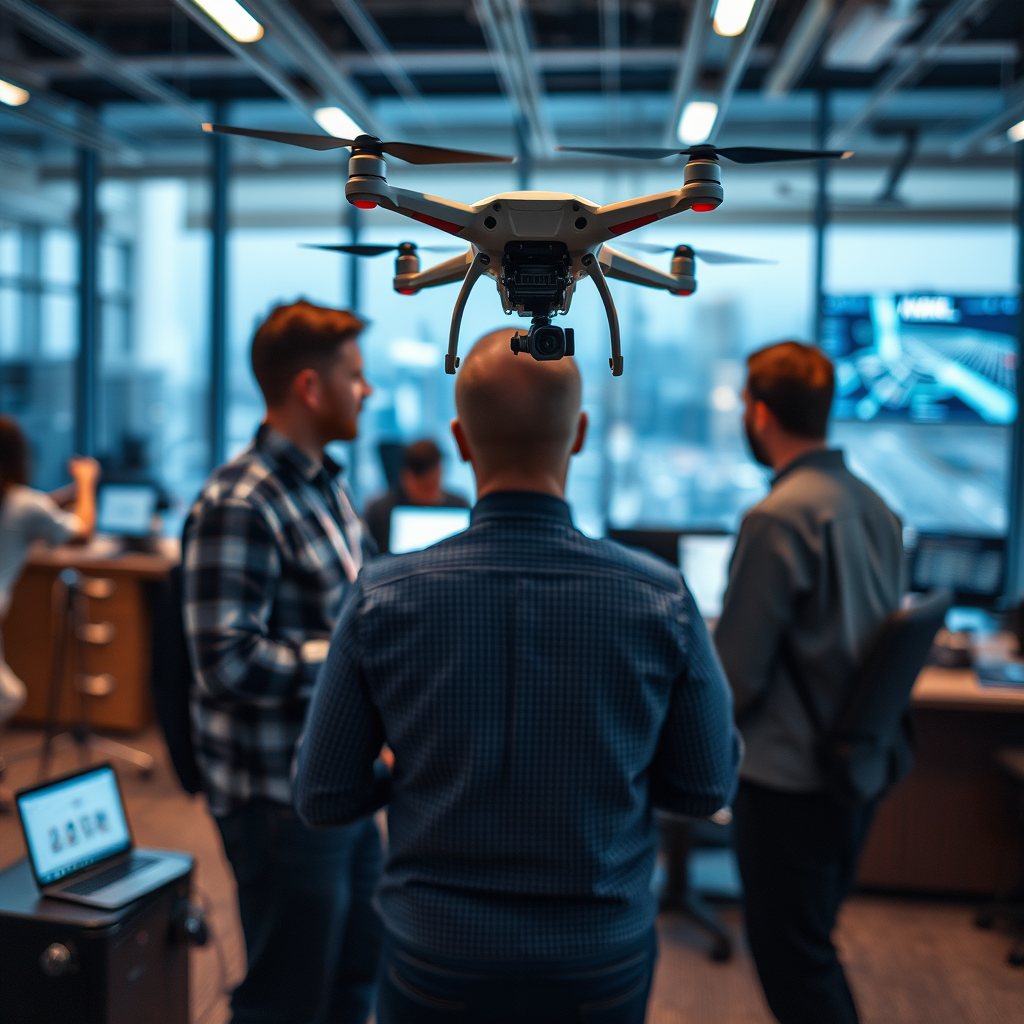
Restricted airspace is a designated area where flight operations are limited or prohibited to protect national security, ensure safety, or facilitate military operations. These zones can be temporary or permanent and are usually established around sensitive locations such as military bases, nuclear power plants, or major public events. The Federal Aviation Administration (FAA) classifies restricted airspace using specific designations (e.g., R-xxxx), and the primary purpose is to prevent unauthorized access that could pose risks to both the public and national security.
There are various types of restricted airspace, including military operations areas (MOAs), warning areas, and special use airspace. Military airspace is primarily used for training exercises and can include both active and inactive zones. National security airspace, on the other hand, is designated to protect vital government facilities and sensitive regions from unauthorized surveillance or attacks. Understanding these classifications is crucial for drone operators, as the rules governing these areas can differ significantly.
Legal Regulations for Drone Use
The operation of drones in the United States is governed by the FAA, which has established comprehensive regulations to ensure safe and responsible use. Under Part 107 of the Federal Aviation Regulations, drone operators must adhere to specific guidelines such as maintaining a visual line of sight with the drone, flying below 400 feet, and avoiding flights over people. Importantly, these regulations apply universally, but flying in restricted airspace necessitates additional considerations.
Adhering to local laws is equally vital. Different states and municipalities may have their own laws regarding drone use, and these can vary widely. For instance, some regions may require drone operators to obtain local permits or notify municipal authorities before flying. Non-compliance with these regulations can lead to fines, legal repercussions, and even the confiscation of the drone. Therefore, staying informed about both federal and local regulations is essential for responsible drone operation.
Obtaining Permission to Fly
To fly a drone in restricted airspace, operators must secure permission from the FAA or the relevant authorities. The process typically involves submitting a request for a waiver or authorization. Drone pilots can use the FAA’s Low Altitude Authorization and Notification Capability (LAANC) system, which allows for near-instantaneous approval in many controlled airspaces. However, for restricted areas specifically, pilots may need to file a more detailed request, often requiring justification for the flight.
When submitting a request, pilots need to provide essential documentation, including details about the planned flight, the purpose of the operation, and information about the drone itself. It is advisable to submit these requests well in advance of the intended flight date to account for any potential delays in processing. Additionally, pilots should be prepared to demonstrate that their operation will not interfere with any military or governmental activities taking place in the restricted airspace.
Safety Considerations
Safety is paramount when considering flying a drone in restricted areas. Situational awareness becomes crucial, as operators must be vigilant about the surrounding environment and any potential hazards. This includes understanding the activities occurring in the restricted airspace, such as military maneuvers or emergency response operations. Pilots should also stay updated on any temporary flight restrictions (TFRs) that may be issued due to special events or emergencies.
The consequences of unauthorized drone flights can be severe. Penalties can include hefty fines, criminal charges, and civil liability for any damages caused. Additionally, unauthorized flights can jeopardize public safety and lead to increased scrutiny and regulation of drone operations overall. Therefore, it is essential for drone operators to prioritize safety and compliance to mitigate risks and foster a positive image of drone usage in society.
Alternatives to Flying in Restricted Airspace
For those looking to fly drones but wishing to avoid the complexities of restricted airspace, numerous alternatives exist. Many areas near restricted zones are open for drone operation, allowing pilots to enjoy their hobby or profession without the need for special permissions. Researching local parks, recreational areas, and open fields can uncover numerous opportunities for flying.
Drone flight planning apps can also be invaluable tools for identifying safe zones. Applications like AirMap, Skyward, and UAV Forecast provide real-time information on airspace classifications, potential hazards, and weather conditions. These apps can help drone operators find suitable locations for flight that comply with regulations, ensuring a smooth and legal flying experience.
Resources for Drone Pilots
Several resources are available to assist drone pilots in navigating regulations and enhancing their flying skills. The FAA’s official website is a fundamental resource, offering comprehensive information about regulations, safety guidelines, and the application process for flying in restricted airspace. Additionally, organizations such as the Academy of Model Aeronautics (AMA) and the Drone Pilot Ground School provide educational materials, training programs, and community support for drone enthusiasts.
Online forums and social media groups dedicated to drone pilots can also offer valuable insights, sharing experiences and tips from fellow operators. These platforms can be an excellent way to stay informed about the latest developments in drone regulations and technology.
Conclusion
Flying a drone in restricted airspace is possible under certain conditions, but it requires careful planning and adherence to regulations. Operators must obtain the necessary permissions, remain aware of their surroundings, and prioritize safety to avoid legal troubles. By understanding the rules, utilizing available resources, and exploring alternative flying locations, drone enthusiasts can enjoy their hobby while staying compliant with essential regulations. For more information, consult the FAA website and stay updated on drone laws to ensure a responsible and enjoyable flying experience.
Frequently Asked Questions
What is considered restricted airspace for drone flying?
Restricted airspace refers to specific areas where the flight of aircraft, including drones, is limited or prohibited. This can include zones near airports, military bases, national parks, and other sensitive locations. It’s crucial for drone operators to consult resources like the FAA’s sectional charts or use drone apps to identify and understand the boundaries of restricted airspace before flying.
How can I find out if I’m in restricted airspace before flying my drone?
To determine if you’re in restricted airspace, you can use various tools and apps designed for drone pilots, such as FAA’s B4UFLY app or other mapping services like AirMap. These tools provide real-time data about airspace classifications and restrictions, helping you stay compliant with local regulations. Always double-check airspace status before takeoff to avoid penalties or dangerous situations.
Why is it important to avoid flying drones in restricted airspace?
Avoiding restricted airspace is crucial for safety and legal compliance. Flying in these areas can lead to serious consequences, including fines, loss of drone, or even criminal charges. Additionally, restricted airspace is often designated to protect sensitive facilities, wildlife, or the safety of manned aircraft, making adherence to these regulations essential for all drone operators.
What should I do if I accidentally fly into restricted airspace?
If you accidentally fly into restricted airspace, the first step is to safely land your drone as soon as possible to avoid any penalties or accidents. After landing, it’s important to review the airspace regulations and understand how you entered the restricted zone. Consider notifying local authorities if you believe your drone may have inadvertently compromised safety, and always learn from the experience to improve your pre-flight checks in the future.
Which drones are allowed to operate in restricted airspace?
Generally, no drones are permitted to operate in restricted airspace unless they have received special permission from the relevant authorities, such as the FAA or military. Exceptions may apply for authorized commercial operations or emergency services with prior approval. Always ensure you have the necessary permits and understand the specific regulations for your drone type before attempting to fly in these areas.
References
- https://www.faa.gov/uas/where_to_fly/restricted_areas
- https://www.nasa.gov/aeroresearch/programs/uas/restricted-airspace
- https://en.wikipedia.org/wiki/Drone_regulation_in_the_United_States
- https://www.nationalgeographic.com/science/article/drones-airspace-regulations
- https://www.faa.gov/uas/getting_started/registration
- https://www.aopa.org/news-and-media/all-news/2021/january/22/the-faa-and-drone-flying-restrictions
- https://www.faa.gov/uas/faq
- https://www.uscg.mil/Our-Organization/Assistant-Commandant-for-Operations-CG-7/Office-of-Commandant/Marine-Safety-Information-Bulletin/Drone-Operations-in-Restricted-Airspace
