
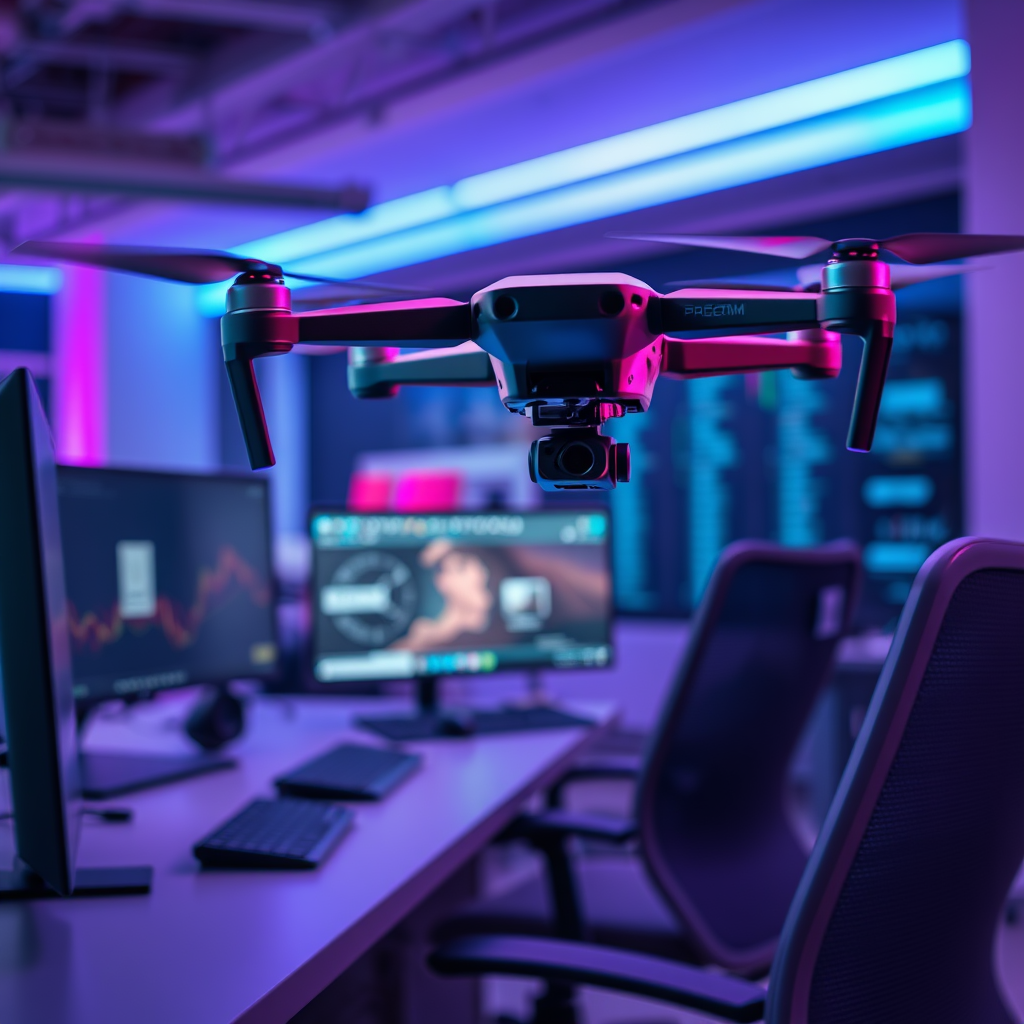
Yes, you can fly a drone in Thailand, but there are specific regulations and requirements you must follow. Understanding these rules will ensure a safe and lawful flying experience while enjoying the beautiful landscapes of Thailand. The country is known for its stunning scenery, from picturesque beaches to lush jungles, making it an attractive destination for drone enthusiasts. However, failing to adhere to the established regulations can lead to legal consequences or safety hazards, so it’s crucial to familiarize yourself with the guidelines before taking to the skies.
Understanding Thailand’s Drone Regulations

The Civil Aviation Authority of Thailand (CAAT) is the primary governing body for drone operations in the country. Their framework aims to ensure the safety of both drone pilots and the general public while integrating drone technology into the airspace. Operators must be aware that any drone weighing over 2 kilograms requires registration and a license to operate legally. This weight threshold is significant, as many consumer drones fall below this limit, allowing casual users to fly without stringent requirements. However, those using heavier drones for commercial purposes must navigate a more complex regulatory landscape, including adherence to operational limits and reporting obligations.
The regulations are designed not only to govern where and how drones can be flown but also to ensure that drone operations do not interfere with manned aircraft. Pilots must remain aware of their surroundings and respect other airspace users, especially in busy areas or during events.
Registration and Licensing Requirements
To operate a drone legally in Thailand, owners must register their drones online through the CAAT website. The registration process is relatively straightforward, requiring basic information about the drone, such as its make, model, and weight. Once registered, drone operators will receive a unique registration number that must be displayed on the drone itself.
For those intending to use their drones for commercial purposes, obtaining a remote pilot license is mandatory. This license is achieved by completing a training course and passing a written exam administered by the CAAT. The training typically covers critical aspects of drone operation, including safety protocols, airspace regulations, and emergency procedures. Prospective pilots should prepare for both theoretical knowledge and practical flying skills to ensure they can operate their drones safely and effectively.
No-Fly Zones and Restrictions
Drone pilots in Thailand must also be vigilant regarding no-fly zones and specific restrictions that apply to certain areas. Airports, military installations, and government buildings are strictly off-limits for drone flights to prevent interference with manned aircraft and sensitive operations. In addition to these universally restricted areas, national parks and wildlife reserves may have unique regulations that prohibit drone use altogether to protect local wildlife and natural resources.
For instance, popular tourist destinations like the Phi Phi Islands and the ancient city of Ayutthaya have designated areas where drone flying is prohibited or requires special permits. Pilots should always check for local restrictions before flying and respect signage indicating no-drone zones. Using apps that provide real-time information about airspace restrictions can significantly aid in ensuring compliance with local laws.
Flying Drones for Recreational Use
For recreational drone pilots, the guidelines are somewhat less stringent, but adherence to certain rules is still essential. Pilots must maintain visual line of sight with their drones at all times and are typically limited to an altitude of 90 meters (about 295 feet) above ground level. This altitude limit is designed to minimize the risk of collisions with manned aircraft and to ensure that drone activities do not disturb the public.
Additionally, drone operators should consider the privacy of individuals when flying in populated areas. Capturing images or videos of people without their consent can lead to privacy violations and potential legal issues. It is advisable for recreational pilots to familiarize themselves with local regulations, as rules can vary significantly from one region to another, especially in tourist-heavy areas.
Insurance and Liability Considerations
While insurance is not a legal requirement for flying drones in Thailand, obtaining coverage is highly advisable. Drone insurance can provide financial protection against damages or accidents that may occur during operation. This can include damage to property, injuries to individuals, or even theft of the drone itself.
Understanding liability is crucial for drone operators, especially in the event of an accident. Without insurance, pilots may find themselves facing significant financial repercussions if they are held liable for damages. Many insurance providers offer tailored policies for drone operators, covering a range of scenarios and ensuring that pilots can fly with peace of mind.
Tips for Responsible Drone Flying in Thailand
To ensure a positive experience while flying drones in Thailand, operators should adhere to several best practices. First and foremost, respect local customs and privacy concerns. Engaging with local communities and seeking permission when flying in private areas can foster goodwill and reduce potential conflicts.
Additionally, always be aware of the weather and environmental conditions before taking off. Thailand’s tropical climate can lead to sudden changes in weather, such as heavy rains or strong winds, which can jeopardize flight safety. Pilots should utilize weather apps and forecasts to avoid flying during adverse conditions.
Lastly, engaging with other local drone pilots through online forums or social media can provide invaluable insight into the best practices and regulations specific to a region. Networking with experienced drone enthusiasts can enhance your flying experience and ensure compliance with local laws.
In conclusion, flying a drone in Thailand is possible with the right knowledge of regulations and requirements. By understanding the guidelines set forth by the Civil Aviation Authority of Thailand, registering your drone, and obtaining necessary licenses, you can enjoy a safe and responsible flying experience in this beautiful country. Always respect no-fly zones, consider insurance options, and stay informed about local customs and regulations to ensure your drone activities are both enjoyable and compliant. Before embarking on your journey, make it a habit to check for updates on laws and regulations, allowing you to fly with confidence and respect for the stunning landscapes Thailand has to offer.
Frequently Asked Questions
What are the regulations for flying a drone in Thailand?
In Thailand, drone operation is regulated by the Civil Aviation Authority of Thailand (CAAT). You must register your drone if it weighs over 2 kilograms and obtain permission for commercial use. Additionally, flying is prohibited in certain areas such as national parks, near airports, and over crowds. Always check local regulations and obtain necessary permits before flying to avoid fines or confiscation of your drone.
How can I register my drone in Thailand?
To register your drone in Thailand, you must fill out an application form available on the CAAT website. You will need to provide details such as the drone’s specifications and proof of ownership. After submitting your application, the CAAT will review it, and if approved, you will receive a registration certificate. Make sure to complete this process before flying your drone to comply with Thai laws.
Why is it important to follow drone laws in Thailand?
Following drone laws in Thailand is crucial to ensure your safety and the safety of others. Non-compliance can lead to hefty fines, confiscation of your drone, or even criminal charges. Additionally, respecting regulations protects Thailand’s natural beauty and cultural heritage, promoting responsible tourism and drone usage.
What are the best places to fly a drone in Thailand?
Some of the best places to fly a drone in Thailand include the stunning beaches of Krabi, the picturesque landscapes of Chiang Mai, and the historical sites of Ayutthaya. Always ensure you have the necessary permits and that you’re flying in permitted areas to capture breathtaking aerial footage while adhering to local drone regulations.
Which drone models are recommended for beginners flying in Thailand?
For beginners flying in Thailand, models like the DJI Mini 2 and the Holy Stone HS720 are recommended due to their user-friendly interfaces and lightweight designs. These drones offer excellent camera quality and GPS features, making them suitable for capturing stunning images while being compliant with regulations regarding weight and portability.
References
- https://en.wikipedia.org/wiki/Drone_regulation_in_Thailand
- https://www.faa.gov/uas/getting_started/where_to_fly
- https://www.thaiembassy.com/thailand/thailand-drone-regulations
- https://www.reuters.com/world/asia-pacific/thailand-launches-drone-registration-program-2020-03-01/
- https://www.bbc.com/news/world-asia-55118643
- https://www.theguardian.com/world/2020/jul/10/thailand-issues-new-drone-regulations-amid-aviation-safety-concerns
- https://www.civilaviation.go.th/en/
- https://www.gov.uk/guidance/drone-safety-remote-pilot-competence-and-drone-operations
