
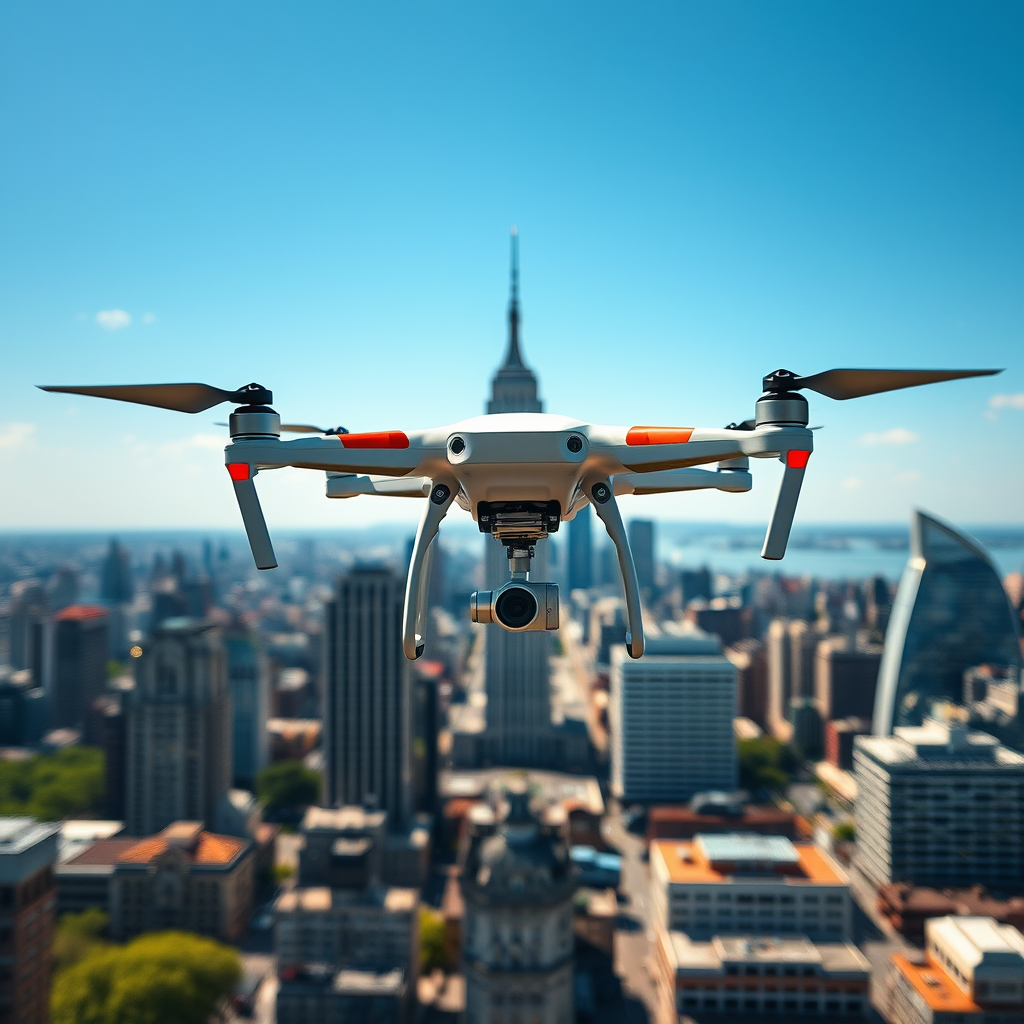
Yes, you can fly a drone in the city, but there are important regulations and safety considerations to keep in mind. Urban drone flying presents unique opportunities for aerial photography, surveying, and recreational use, yet it also comes with challenges such as legal restrictions, safety concerns, and potential conflicts with residents. This article will guide you through the legal requirements, best practices, and challenges of urban drone flying, ensuring you have the knowledge to navigate this exciting aerial frontier responsibly.
Understanding Local Regulations
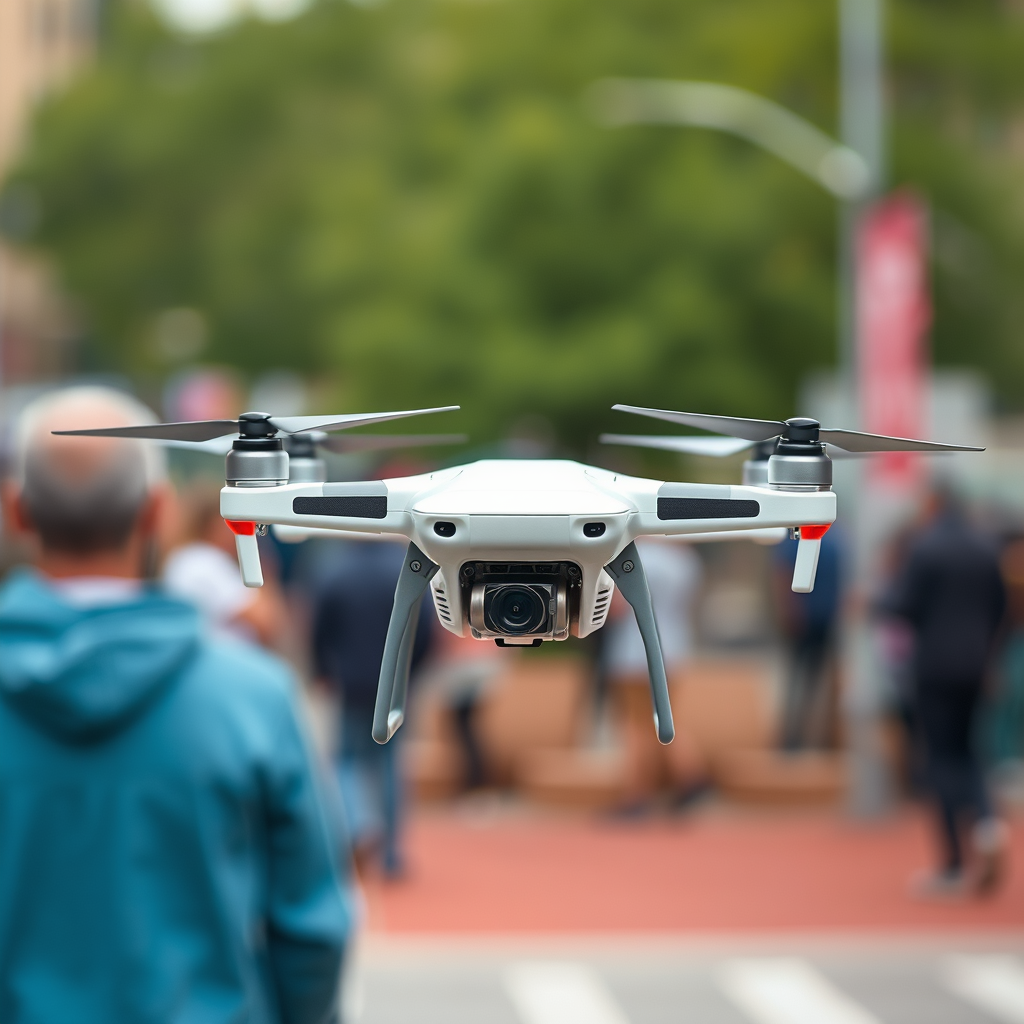
Before you take to the skies, it’s essential to familiarize yourself with the Federal Aviation Administration (FAA) regulations governing drone use. In the United States, the FAA requires that all drone operators register their aircraft if it weighs over 0.55 pounds and less than 55 pounds. Additionally, operators must adhere to the Part 107 rules if they intend to use their drone for commercial purposes, which include obtaining a Remote Pilot Certificate.
However, it’s not just federal laws that you must consider; local laws and ordinances can impose additional restrictions. Many cities have their own regulations regarding drone flight, which may include designated no-fly zones, restrictions on flying over crowds, or specific times when drone use is permissible. For instance, a city may prohibit drone flying in certain parks or near government buildings. Therefore, it is vital to check local laws before flying, as violations can lead to fines or legal repercussions.
Choosing the Right Drone
Selecting the appropriate drone for urban flying is crucial for compliance and safety. Drones come in various sizes and weights, and many urban areas have specific regulations regarding these factors. For example, lighter drones (under 0.55 pounds) may face fewer restrictions, making them more suitable for urban environments.
Furthermore, consider opting for drones that come equipped with advanced features designed for urban navigation. These may include obstacle avoidance systems, GPS stabilization, and geofencing capabilities, which can help you avoid restricted areas automatically. Drones like the DJI Mini 2 or the Parrot Anafi are excellent choices for urban environments due to their compact size and intelligent flight features. Ensuring that your drone is equipped for the challenges of city flying can significantly enhance your experience and safety.
Safety Considerations
Safety should always be a top priority when flying a drone in the city. One of the most critical safety practices is to maintain a safe distance from people, buildings, and vehicles. The FAA recommends that drone operators keep their aircraft at least 25 feet away from individuals not involved in the operation. This distance is essential not only for the safety of bystanders but also to avoid potential legal issues.
Additionally, avoid flying in crowded areas or near sensitive locations such as airports, stadiums, or emergency response areas. Urban environments are often bustling with activity, which can increase the risk of accidents or interference with emergency operations. Always conduct a pre-flight check to assess the area you plan to fly in, considering weather conditions, visibility, and air traffic.
Ideal Locations for Flying Drones in the City
Finding suitable locations for drone flying in urban settings can be a challenge, but many cities have designated areas where drone activity is welcomed. Parks, open fields, and recreational areas are often ideal for flying, as they typically feature fewer obstacles and bystanders. For example, Central Park in New York City has specific zones where drone flying is permitted, while many other parks across the country have similar designations.
Additionally, researching community event schedules can help you avoid potential conflicts. For instance, if there’s a concert or festival taking place, it’s likely that drone use may be restricted during those times. Utilizing local resources, such as city websites or community boards, can help you stay informed about the best places and times to fly your drone.
Tips for Responsible Drone Use
Responsible drone use is crucial for maintaining a positive relationship with local communities and ensuring the safety of all individuals involved. One effective practice is following the “See and Avoid” principle, which emphasizes the importance of maintaining situational awareness while flying. Always keep your drone within visual line of sight and remain vigilant for other aircraft, obstacles, and people.
Respecting privacy is another important aspect of responsible drone operation. Avoid flying over residential areas or private properties without permission. Not only can this lead to privacy violations, but it can also result in negative reactions from residents. If you are capturing images or video, consider notifying any affected parties, and ensure you are complying with any local privacy laws regarding aerial photography.
Dealing with Challenges
Urban environments present unique challenges for drone pilots, including obstacles such as tall buildings and signal interference. Drones may experience difficulties with GPS signals in densely populated areas, potentially affecting navigation and stability. To mitigate these issues, familiarize yourself with your drone’s features and capabilities, especially those related to indoor flying or GPS-denied environments.
Noise complaints from residents can also pose a challenge. Drones can produce significant noise, which may be disruptive in quiet neighborhoods. To avoid conflicts, consider flying during times when noise is less likely to disturb residents, such as during the day when ambient noise is higher. Additionally, choosing quieter drone models can help reduce the impact of sound on the community.
Resources for Urban Drone Pilots
As an urban drone pilot, staying informed about airspace regulations and community guidelines is essential. Online platforms such as AirMap and DroneZone provide real-time airspace information, including no-fly zones and temporary flight restrictions. These resources can help you plan your flights and avoid potential legal issues.
Joining local drone clubs or online communities can also provide valuable support and advice. Engaging with fellow drone enthusiasts allows you to share experiences, learn about safe flying practices, and discover the best local spots for flying. Many cities have dedicated groups on social media platforms where pilots can connect and share tips, making it easier to stay informed and compliant.
In conclusion, flying a drone in the city is indeed possible, but it requires adherence to regulations and a commitment to safety and respect for others. Understanding local laws, selecting the right drone, and being mindful of safety considerations are crucial steps to ensure a responsible flying experience. By staying informed, respecting privacy, and actively engaging with your community, you can enjoy the exhilarating experience of urban drone flying while contributing positively to the environment around you.
Frequently Asked Questions
Can you legally fly a drone in the city?
Yes, you can legally fly a drone in the city, but there are specific regulations you must follow. The Federal Aviation Administration (FAA) governs drone use in the U.S., requiring pilots to adhere to local laws, which may include restrictions on flying near airports, crowded areas, or critical infrastructure. Always check your city’s regulations and obtain necessary permits, as city ordinances may impose additional limitations on drone operations.
What are the restrictions for flying a drone in urban areas?
Restrictions for flying a drone in urban areas typically include no-fly zones, altitude limits, and proximity to people and vehicles. Many cities prohibit flying drones over populated areas or events, and some require a minimum distance from buildings, parks, and other structures. To ensure compliance, consult the FAA’s B4UFLY app or local government resources to understand the specific rules applicable to your city.
How can I find out if I can fly my drone in a specific city?
To find out if you can fly your drone in a specific city, start by checking the FAA’s official website for federal regulations and guidelines. Next, use tools like the B4UFLY app, which provides real-time information on airspace restrictions, and search for local government websites that outline city-specific laws regarding drone use. Additionally, contacting local law enforcement or aviation authorities can help clarify any doubts about flying in that area.
Why do some cities have strict regulations on drone flying?
Some cities have strict regulations on drone flying primarily to ensure public safety and privacy. Drones pose potential risks such as collisions with buildings or other aircraft, and they can invade personal privacy if flown too close to homes and businesses. Local governments aim to mitigate these risks by implementing regulations that control where and how drones can be operated within urban environments.
What is the best practice for flying a drone in a city?
The best practice for flying a drone in a city includes thorough pre-flight planning, adherence to both federal and local regulations, and maintaining situational awareness. Always conduct a thorough check of your drone, plan your flight path to avoid congested areas, and keep the drone within your line of sight. Being respectful of people’s privacy and avoiding sensitive locations, such as schools and hospitals, will help ensure a safe and responsible flying experience in urban settings.
References
- https://www.faa.gov/uas/getting_started/where_to_fly
- https://www.nytimes.com/2021/05/05/us/drone-regulations.html
- https://www.cnet.com/tech/mobile/drone-rules-where-you-can-fly-in-the-us/
- https://www.npr.org/2020/08/05/899370850/city-drones-how-cities-are-embracing-the-flying-tech
- https://www.wired.com/story/drone-regulations-city-limits/
- https://www.smithsonianmag.com/innovation/drone-use-in-cities-is-on-the-rise-180973738/
- https://www.abcnews.go.com/Technology/drones-cities-faa-regulations-urban-environments/story?id=68956065
- https://www.theguardian.com/technology/2019/jul/29/drones-cities-urban-air-mobility-transportation-technology
