
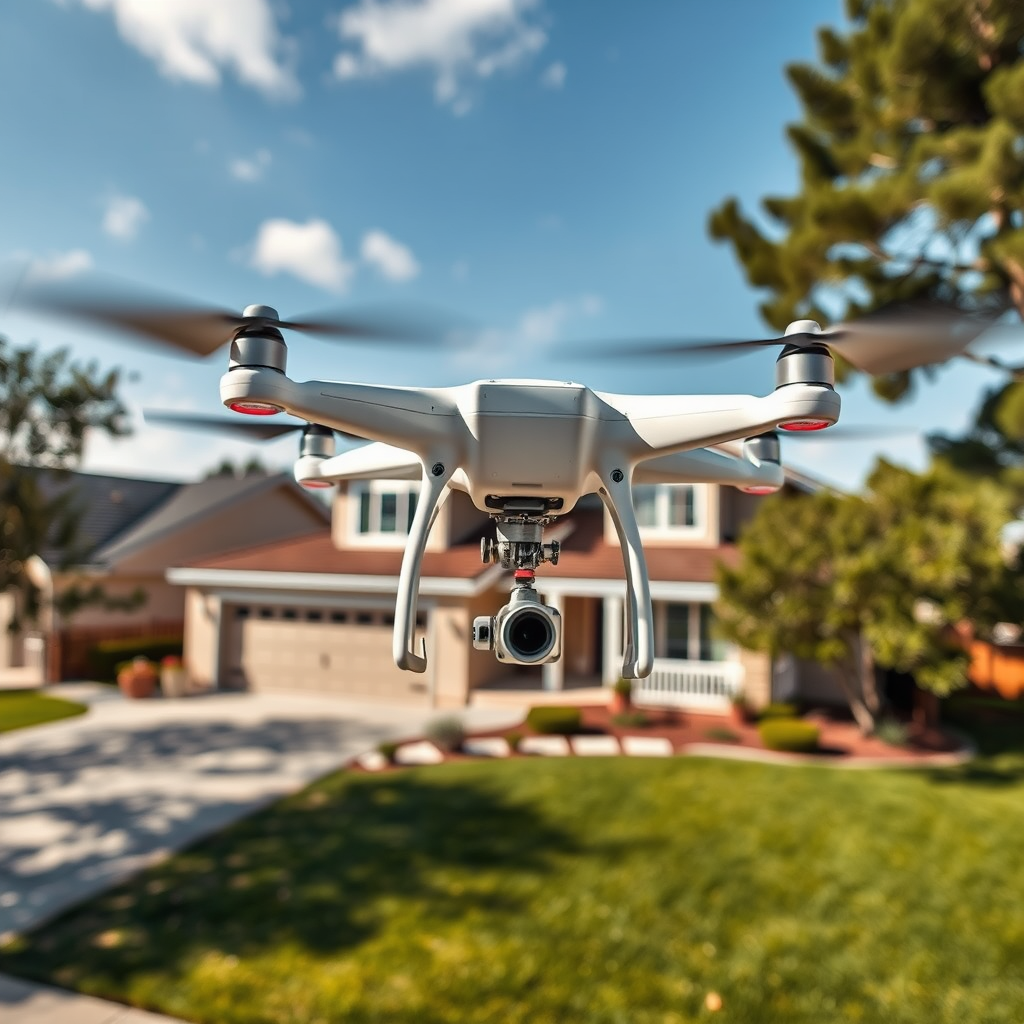
Yes, you can fly a drone on private property, but there are important legal considerations and responsibilities to keep in mind. Property owners have the right to control what happens on their land, which may include regulating drone flights. Understanding these rights and responsibilities, alongside federal regulations and local laws, is crucial for both drone operators and property owners to ensure a lawful and respectful flying experience.
Understanding Property Rights
Private property owners generally have the authority to dictate drone usage on their premises. This means that if you want to operate a drone on someone else’s land, you must obtain permission from the owner. Trespassing laws may apply if you fly without permission, potentially leading to civil disputes or criminal charges. For instance, if you fly a drone over a residential property without the owner’s consent, you may be infringing on their property rights, which could result in legal action. It is essential for drone operators to recognize that property boundaries extend vertically into the airspace above the land, as established by legal precedents like the U.S. Supreme Court case, United States v. Causby. Therefore, respecting the rights of property owners is not just courteous; it is a legal obligation.
Federal Regulations Overview
The Federal Aviation Administration (FAA) regulates airspace and has established specific rules for drone operation that apply to all pilots, regardless of property ownership. According to FAA guidelines, drone operators must adhere to certain operational limits, such as maintaining a maximum altitude of 400 feet, keeping their drone within visual line of sight, and avoiding flights near airports or crowded areas. Additionally, commercial drone operators must obtain a Part 107 certification, which requires passing an aeronautical knowledge test. Even when flying on private property, it is imperative to comply with these federal regulations to ensure safe and responsible drone use. Ignoring FAA guidelines can lead to penalties, including fines and loss of flying privileges.
Seeking Permission
Always ask for consent from the property owner before flying. This not only fosters goodwill but also protects you legally. Document any agreements for future reference if needed; a simple written consent can suffice, outlining the terms under which you are permitted to fly. For example, if a property owner allows you to fly for a specific purpose, such as taking aerial photos for a real estate listing, having this agreement documented can help clarify expectations and protect you from any misunderstandings. Additionally, being transparent about your intentions can help alleviate concerns the property owner may have regarding privacy or safety.
Privacy Concerns
Respecting the privacy of individuals on or near the property is paramount when flying a drone. Drones equipped with cameras have the potential to invade personal spaces, leading to privacy violations and legal challenges. For instance, if you capture images or videos of individuals in their backyards without consent, you may face accusations of invasion of privacy. It is advisable to avoid flying drones in a manner that could intrude upon someone’s private life or create discomfort. Being aware of the social context and the potential implications of your drone activities will help you navigate these concerns responsibly. If your drone usage could inadvertently affect someone’s privacy, it is best to reconsider your flight plan or seek explicit permission from those potentially affected.
Local Laws and Ordinances
In addition to federal regulations, local laws may impose additional restrictions on drone usage. These can vary widely from one municipality to another and may include specific no-fly zones, such as near schools, hospitals, or government buildings. For example, cities like Los Angeles have implemented strict drone regulations that require permits for flying in certain areas. Therefore, it is crucial to check local ordinances before taking off to ensure compliance. Resources such as local government websites or community boards can provide necessary information about drone regulations in your area. Ignorance of local laws does not exempt you from the consequences of violating them, so thorough research is essential for responsible drone operation.
Safety Measures
Ensuring you are following safety protocols is vital to avoid accidents or damage while flying a drone. First and foremost, conduct a pre-flight checklist to verify that your drone is in good working condition. This includes checking battery levels, ensuring that all components are functioning, and confirming that there are no restrictions on flying in the area. Additionally, be aware of your surroundings, including people and animals, when flying. For instance, if you are flying in a park where children are playing, be cautious and maintain a safe distance to prevent accidents. Using a spotter can also enhance safety, as they can help keep an eye on both the drone and the environment. Prioritizing safety not only protects you and your equipment but also reassures property owners and the public of your responsible flying practices.
Consequences of Violating Rules
Understanding potential legal repercussions for flying without permission is crucial for drone operators. Violations can lead to various consequences, ranging from fines imposed by the FAA to civil actions initiated by property owners claiming trespass or invasion of privacy. For example, if a property owner files a complaint about your drone activity, you could face legal action that may result in fines or even restrictions on future drone operations. The severity of the consequences often depends on the nature of the violation; repeated offenses can lead to escalated penalties. Therefore, adhering to both federal and local regulations, seeking permission, and respecting property rights are all essential practices that can help avoid these complications.
In conclusion, while flying a drone on private property is generally permissible, it is essential to communicate with the property owner, adhere to federal and local regulations, and prioritize safety and privacy. Engaging with property owners respectfully, understanding the legal framework surrounding drone use, and practicing responsible flying habits are critical components of a positive flying experience. By staying informed and respectful, drone operators can enjoy the benefits of their technology while fostering a culture of compliance and goodwill within their communities.
Frequently Asked Questions
Can you fly a drone on private property without permission?
No, you cannot fly a drone on private property without the owner’s permission. While the Federal Aviation Administration (FAA) regulates airspace, property owners have the right to control what happens above their land. If you’re planning to fly a drone, it’s always best to seek explicit consent from the property owner to avoid legal issues and respect their privacy.
What are the legal requirements for flying a drone on private property?
To legally fly a drone on private property, you must follow FAA regulations, which include registering your drone if it weighs more than 0.55 pounds, flying below 400 feet, and maintaining visual line of sight with your drone. Additionally, obtaining permission from the property owner is crucial to avoid trespass claims. Always check for local laws and regulations that may impose further restrictions on drone usage.
Why is it important to ask for permission before flying a drone on private land?
Asking for permission before flying a drone on private land is important to respect the property owner’s rights and privacy. Unauthorized drone flights can be considered trespassing, leading to potential legal consequences. Moreover, seeking permission can foster good relationships with neighbors and help prevent conflicts that may arise from privacy concerns or safety issues.
What should you do if a neighbor complains about your drone flying over their property?
If a neighbor complains about your drone flying over their property, the first step is to have an open and respectful conversation with them. Explain your intentions for flying the drone and listen to their concerns. If necessary, you may want to avoid flying over their property in the future, or you can seek their permission to alleviate any tension. Maintaining good communication can often resolve misunderstandings.
Which drones are best for flying on private property?
The best drones for flying on private property largely depend on your intended use, such as photography, surveying, or recreational flying. For aerial photography, drones like the DJI Mavic Air 2 or Phantom 4 Pro offer excellent camera quality and features. If you’re looking for a beginner-friendly option for recreational use, the DJI Mini SE is lightweight and user-friendly. Always consider flight time, camera capabilities, and ease of use when selecting a drone for private property.
References
- https://en.wikipedia.org/wiki/Drone_regulations_in_the_United_States
- https://www.faa.gov/uas/getting_started/registration
- https://www.faa.gov/uas/laws_regs/
- https://www.nolo.com/legal-encyclopedia/drone-law-flying-private-property-29703.html
- https://www.theguardian.com/technology/2021/jul/06/drone-regulation-private-property-flying
- https://www.ncbi.nlm.nih.gov/pmc/articles/PMC7552963/
- https://www.abc.net.au/news/2021-05-23/drone-flying-rules-in-australia/100096930
- https://www.usatoday.com/story/tech/2020/08/31/drone-law-private-property-what-you-need-know/5641979002/
