
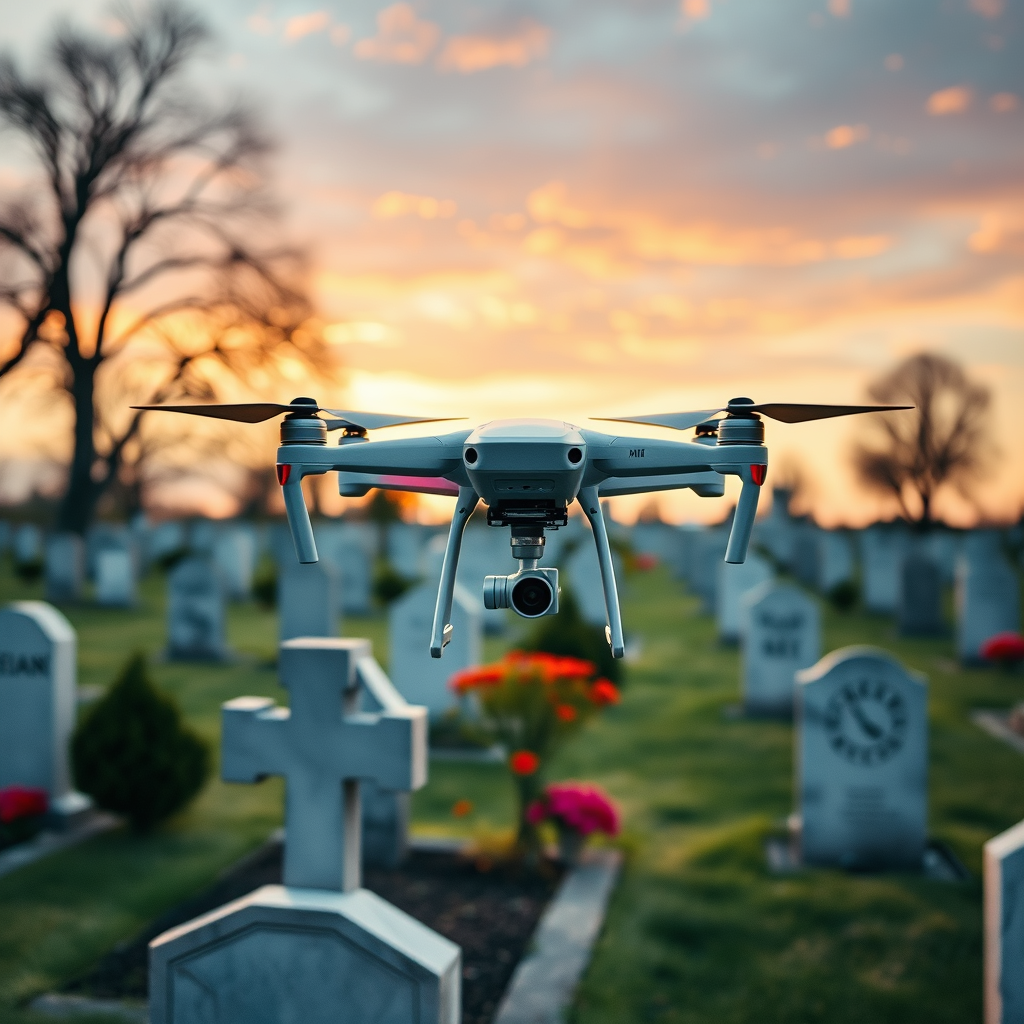
Yes, you can fly a drone over a cemetery, but there are important legal and ethical considerations to keep in mind. It is essential to understand local regulations, respect the privacy of visitors, and be aware of cultural sensitivities surrounding such locations. Engaging in responsible drone operation not only ensures compliance with the law but also fosters a respectful relationship with the community and the memory of those interred.
Understanding Local Laws and Regulations
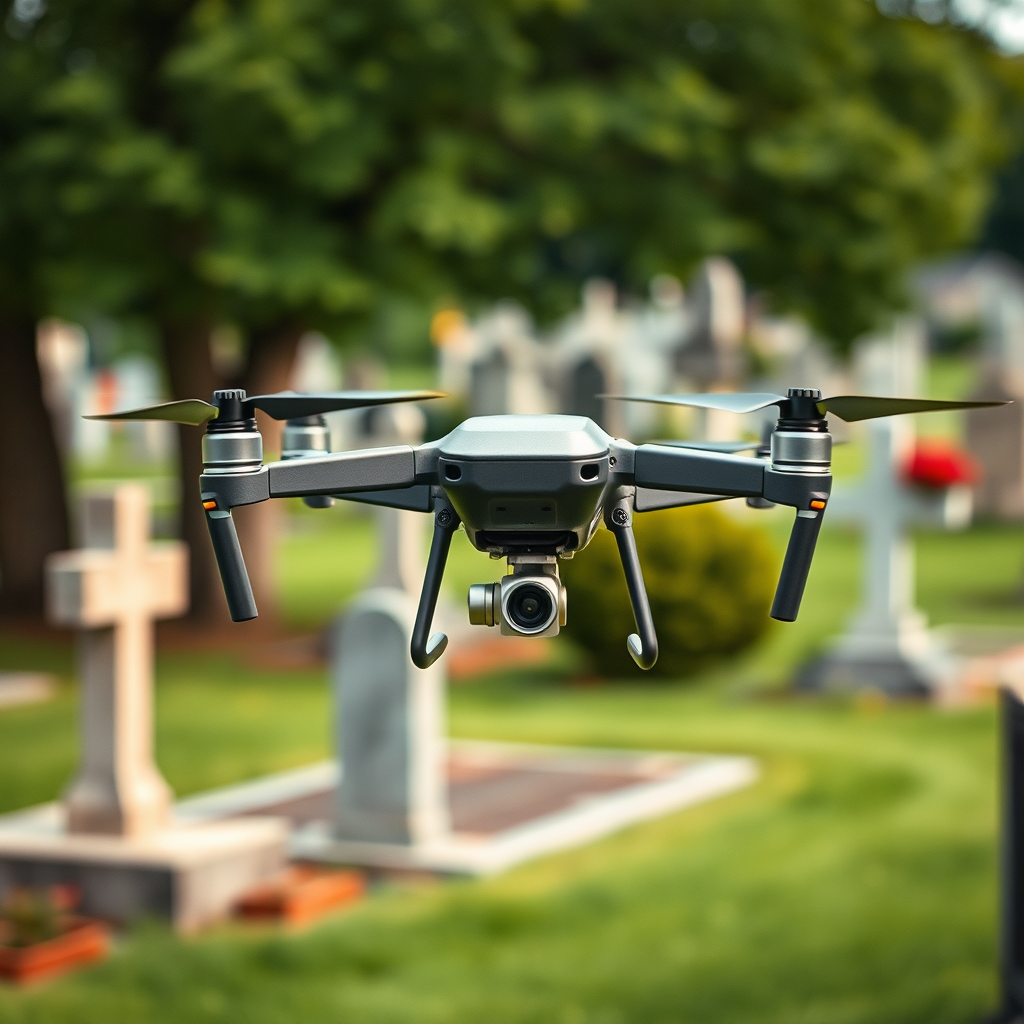
When considering drone operation over a cemetery, the first step is to research local drone laws. Various jurisdictions have specific regulations that govern where drones can be flown, and these rules can vary significantly from one place to another. For instance, the Federal Aviation Administration (FAA) in the United States has established guidelines that may restrict drone flights near populated areas, which includes cemeteries. Additionally, state and local laws may impose additional restrictions, making it crucial to conduct thorough research before attempting to fly.
It is also important to check for no-fly zones in the vicinity of the cemetery. Many cemeteries are located near airports or military installations, which are designated airspaces where drone operation is prohibited. Tools such as the FAA’s B4UFLY app can help drone operators determine whether a specific area is a no-fly zone, thereby preventing unintentional violations. Ignoring these regulations can lead to fines or other legal repercussions, emphasizing the importance of being informed before taking flight.
Respecting Privacy Concerns
Cemeteries are sacred spaces for many individuals, serving as places of mourning and remembrance. Consequently, it is critical to acknowledge the significance of these sites and the potential intrusion that flying a drone may cause to visitors. The presence of a drone can be disruptive, especially if it captures images of grieving families without their consent. This raises significant ethical issues surrounding privacy and respect.
When using drones equipped with cameras, operators must be particularly cautious about the angles and areas they choose to capture. Consideration should be given to the likelihood of inadvertently photographing people in emotionally vulnerable situations. To maintain ethical integrity, drone pilots should avoid flying during peak visiting hours and always prioritize the comfort of those who are there to pay their respects.
Cultural Sensitivities and Etiquette
Different cultures have varying beliefs and practices surrounding death, mourning, and the afterlife, which can impact the perception of drone use over cemeteries. For instance, in some cultures, the act of flying a drone over burial sites may be seen as disrespectful or intrusive, while in others, it may be more accepted. Understanding these differences is paramount to ensuring responsible drone operation.
Following cemetery guidelines is also crucial. Many cemeteries have specific rules regarding drone usage, which may include designated flying times or outright prohibitions. Familiarizing oneself with these rules not only demonstrates respect for the site but also helps in avoiding potential conflicts with management or other visitors. Engaging with cemetery staff can provide additional insights into acceptable practices and any specific cultural considerations that may apply.
Safety Precautions for Drone Operation
Safety should always be a top priority when operating a drone, especially in sensitive environments like cemeteries. Maintaining a safe distance from people and headstones helps prevent accidents and disturbances. A general rule is to keep the drone at least 50 feet away from visitors and significant markers. This not only protects individuals but also ensures that the drone does not inadvertently damage any memorials or headstones.
Additionally, monitoring weather conditions is essential for safe drone operation. Flying in adverse weather can compromise control over the drone, increasing the risk of accidents. Pilots should avoid flying in high winds, rain, or low visibility conditions to ensure a smooth and safe flight experience. Preparation and caution can significantly reduce risks and enhance the overall experience of drone flying.
Alternatives to Flying over Cemeteries
If the primary goal is to capture beautiful images or footage without the associated ethical concerns, there are various alternatives to consider. Ground-level photography can be a viable option, allowing individuals to take stunning visuals without the complications of drone flight. This method enables photographers to focus on the artistry of the landscape and the intricacies of memorials without invading anyone’s privacy.
Moreover, exploring other scenic locations nearby where drone flying is permitted can provide ample opportunities for aerial photography. Parks, open fields, and natural landscapes often allow for drone operation without the ethical dilemmas posed by cemeteries. These alternative locations can offer unique perspectives and breathtaking visuals while maintaining a respectful approach to sensitive sites.
Tips for Responsible Drone Piloting
To ensure responsible drone piloting, education is paramount. Aspiring drone operators should familiarize themselves with best practices, including understanding the technical aspects of their equipment and the legal landscape surrounding drone operation. Joining local drone clubs or participating in online forums can provide valuable insights and resources for safe flying.
Communication with cemetery officials is another key component of responsible drone use. If there is a specific purpose for flying—such as for a memorial project or artistic endeavor—reaching out to the cemetery management for permission can be beneficial. Many cemetery officials may be open to drone use if approached respectfully, and they can provide guidance on acceptable practices and any associated regulations.
In summary, while flying a drone over a cemetery is technically feasible, it requires careful consideration of legal, ethical, and cultural factors. By prioritizing respect for the site and its visitors, adhering to local regulations, and exploring alternative methods for capturing images, drone operators can enjoy their passion for aerial photography while maintaining a responsible and ethical approach. Ultimately, fostering a respectful relationship with the community and honoring the memory of those interred should be the guiding principles in any drone activity conducted in such sensitive areas.
Frequently Asked Questions
Can you legally fly a drone over a cemetery?
The legality of flying a drone over a cemetery depends on local laws and regulations. Generally, the Federal Aviation Administration (FAA) allows drone flights in public spaces, but many states and municipalities have specific laws that prohibit drone use over private property, including cemeteries. It’s essential to check local regulations and obtain any necessary permissions before flying a drone in such sensitive areas.
What are the potential privacy concerns when flying a drone over a cemetery?
Flying a drone over a cemetery can raise significant privacy concerns, as it may capture images or videos of grieving families and private memorials. Respecting the privacy of individuals and the sanctity of the space is crucial. To avoid potential conflicts, drone operators should consider flying at a height that ensures privacy and refrain from capturing identifiable images of people or gravestones without permission.
How can you ensure you are respectful while operating a drone over a cemetery?
To operate a drone respectfully over a cemetery, it is vital to adhere to local regulations and best practices. This includes avoiding flight during burial services, maintaining a distance from mourners, and flying at a higher altitude to minimize disturbance. Additionally, communicating with cemetery management for guidelines and obtaining consent can help ensure respectful drone usage.
What should you do if you encounter a problem while flying a drone over a cemetery?
If you encounter a problem while flying a drone over a cemetery, such as being approached by staff or visitors, it’s important to land the drone immediately and comply with any requests made by cemetery personnel. If the issue involves legal concerns, such as a potential violation of local laws, it’s best to gather information and consult legal advice if necessary. Always prioritize safety and respect for the location.
Which drones are best suited for aerial photography in sensitive locations like cemeteries?
When selecting a drone for aerial photography in sensitive locations like cemeteries, it’s essential to choose models that offer quiet operation and high-quality cameras, such as the DJI Mavic Air 2 or DJI Mini 2. These drones are compact, easy to maneuver, and equipped with features like obstacle avoidance, which can help ensure a safer and more respectful flying experience in delicate environments.
References
- https://www.faa.gov/uas/resources/policies_regulations/
- https://www.nolo.com/legal-encyclopedia/drone-laws-cemeteries-29936.html
- https://www.washingtonpost.com/technology/2021/07/01/drone-cemetery-rules/
- https://www.americanbar.org/groups/science_technology/publications/section_news/2021/september-2021/drone-use-cemeteries/
- https://www.nytimes.com/2021/07/02/technology/drone-cemeteries.html
- https://www.deathcare.com/drone-use-in-cemeteries/
