
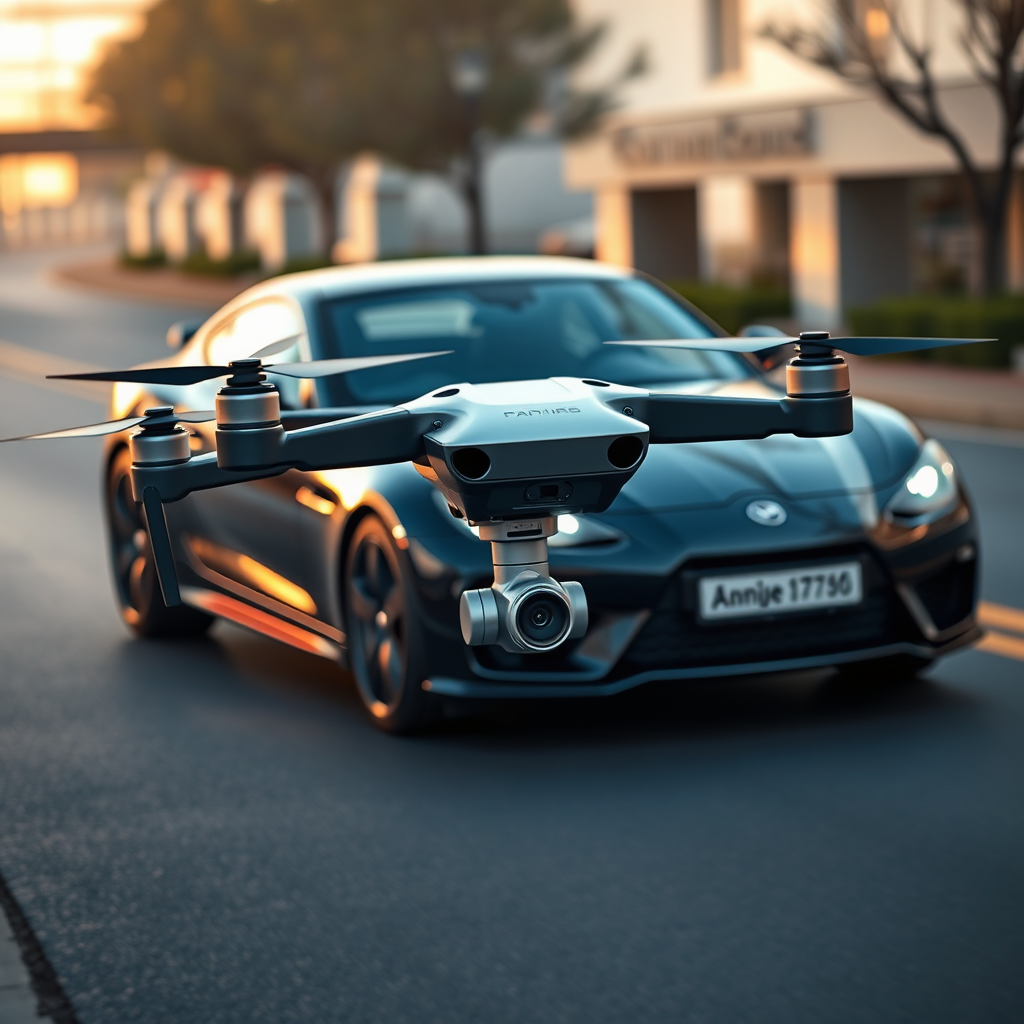
Yes, you can fly a drone over a public road, but there are important regulations and safety considerations to keep in mind. Flying a drone in such areas requires a clear understanding of the legal framework, as well as a commitment to ensuring the safety of both the drone operator and the public. In this article, we will explore the legal guidelines, safety considerations, necessary permissions, and best practices for responsible drone operation over public roads.
Understanding Drone Regulations
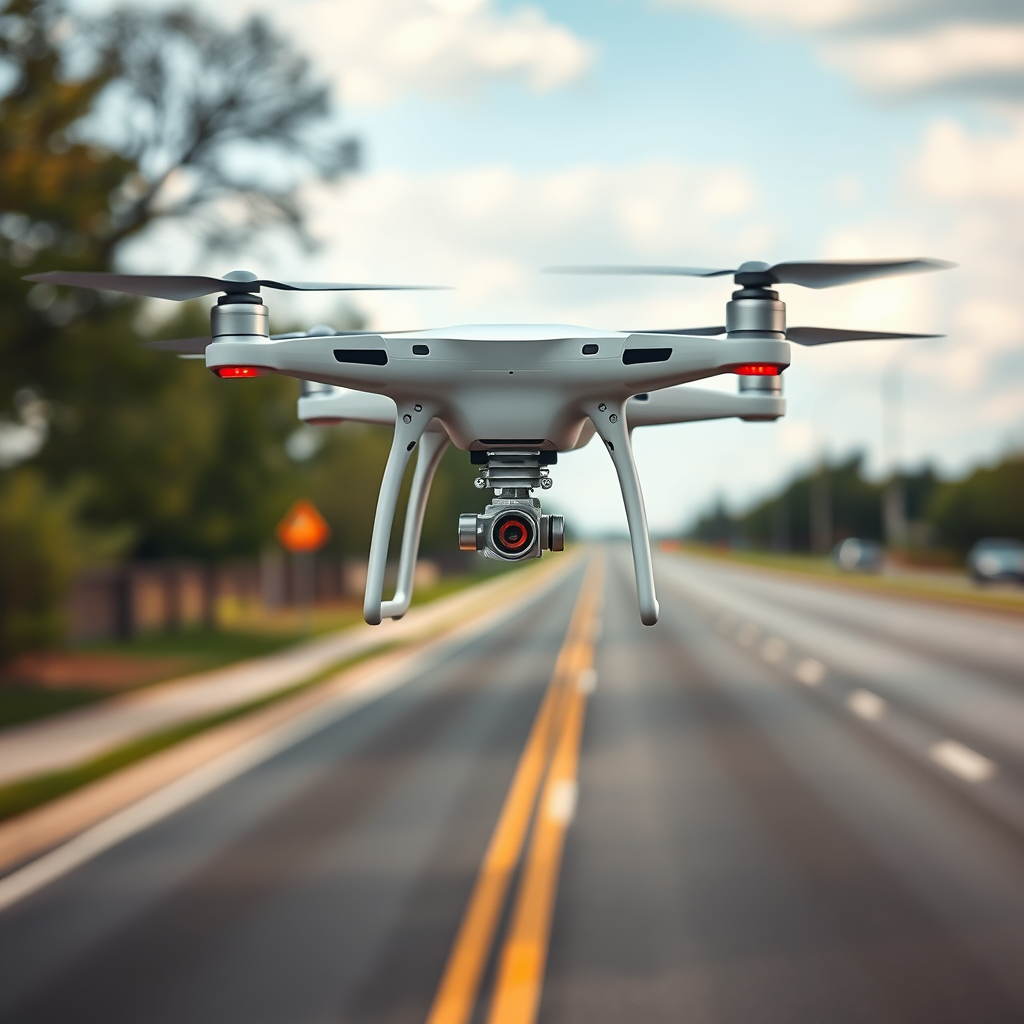
Drones must comply with the regulations set forth by the Federal Aviation Administration (FAA) in the United States. The FAA mandates that all drone operators must register their drones if they weigh more than 0.55 pounds and less than 55 pounds. Additionally, drone operators must adhere to the Part 107 rules if they are flying for commercial purposes, which outline specific requirements such as flying below 400 feet and maintaining visual line-of-sight with the drone at all times.
Moreover, it’s essential to check local laws as they can vary significantly by state and municipality. Some areas may have stricter rules regarding drone flights near public spaces, while others may allow more leniency. For example, cities like New York and Los Angeles have designated drone no-fly zones, while rural areas might have fewer restrictions. Always check local regulations before conducting any drone operations, as non-compliance can lead to fines or other legal consequences.
Safety Considerations
Safety is paramount when flying drones, especially over public roads. Operators must maintain a safe distance from vehicles and pedestrians to reduce the risk of accidents. The FAA recommends a minimum distance of 25 feet from people and vehicles when flying a drone. However, to enhance safety, it is advisable to keep an even greater distance whenever possible.
Additionally, avoid flying over crowds to minimize risk. Flying over large gatherings such as concerts, sporting events, or street fairs can pose serious safety dangers. In the event of a malfunction or sudden loss of control, the potential for injury to individuals below increases significantly. Implementing a robust risk assessment before any flight can help in identifying potential hazards and determining the safest operational strategies.
Required Permissions and Notifications
Depending on the location and nature of the drone flight, some areas may require special permits for drone operations. For instance, flying in controlled airspace or near airports generally necessitates advanced permission from the FAA. Moreover, for drone operators planning to fly at large public events, notifying local authorities may be necessary to ensure compliance with safety regulations.
In addition to permits, engaging with local law enforcement or community organizations can enhance transparency and foster goodwill. This proactive approach can also help in gaining support from the community, which can be beneficial for future drone operations. Operators should familiarize themselves with the specific permitting process in their area to avoid any legal complications.
Best Practices for Flying Over Roads
Planning your flight path in advance is crucial to avoid unexpected obstacles and ensure a smooth operation. Utilize mapping tools and software to identify potential hazards such as power lines, buildings, and other drones in the area. Having a predetermined flight route not only aids in navigation but also enhances safety by minimizing the likelihood of accidents.
Using a spotter during the flight can significantly improve safety. A spotter can help monitor ground traffic, alerting the operator to any potential dangers that may arise during the drone’s flight. This is particularly important when flying over busy roads, as the drone operator’s focus should remain on controlling the drone, while the spotter keeps an eye on the surrounding environment.
Insurance and Liability
Considering obtaining drone insurance is a wise decision for anyone operating a drone, especially over public roads. Drone insurance can provide liability protection against damages or injuries that may occur as a result of an accident. Policies typically cover damages to third-party property and bodily injuries, which can be financially devastating without appropriate coverage.
Additionally, it is crucial to understand your responsibilities in case of an accident. Familiarize yourself with the legal implications of drone operation and the potential liabilities you may face. This knowledge not only prepares you for unforeseen incidents but also encourages a more responsible approach to flying.
Common Mistakes to Avoid
One of the most common mistakes made by drone operators is failing to check airspace restrictions before flying. It is essential to utilize resources such as the FAA’s B4UFLY app to ensure you are aware of any restrictions in your intended flight area. Ignoring these guidelines can result in severe penalties and jeopardize public safety.
Another frequent oversight is disregarding weather conditions that could affect flight safety. Wind, rain, and visibility can significantly impact a drone’s performance. Always check the weather forecast before your flight, and be prepared to reschedule if conditions are unfavorable. Ensuring that you have a clear understanding of the weather patterns can help avoid accidents and ensure a successful flight.
In conclusion, while flying a drone over a public road is possible, it is crucial to adhere to regulations, prioritize safety, and practice responsible flying. Understanding the legal framework, taking necessary safety precautions, obtaining required permissions, and avoiding common mistakes are essential steps for a successful drone operation. Always stay informed about the latest guidelines and be prepared to adjust your plans accordingly to enjoy a safe and responsible flying experience.
Frequently Asked Questions
Can you legally fly a drone over a public road?
Yes, you can legally fly a drone over a public road in many jurisdictions, but you must comply with local laws and regulations. In the United States, the Federal Aviation Administration (FAA) permits drone flights as long as you maintain a safe distance from vehicles and people. It’s essential to check local and state laws, as some areas may have specific restrictions regarding drone operations over roads.
What are the safety guidelines for flying a drone over a public road?
When flying a drone over a public road, it is crucial to adhere to safety guidelines to ensure the safety of both your drone and the public. Always maintain a visual line of sight with your drone, fly below 400 feet, and avoid flying directly over moving vehicles. Additionally, be aware of your surroundings, including pedestrians and other potential hazards, to prevent accidents.
Why is it important to check local laws before flying a drone over a public road?
Checking local laws is vital because regulations can vary significantly by location, affecting your ability to fly a drone over public roads. Some cities or counties may have specific drone laws that restrict or prohibit flights over populated areas, including roads. Following these regulations helps you avoid fines and legal issues while promoting safe drone operation.
What should you do if you encounter law enforcement while flying a drone over a public road?
If you encounter law enforcement while flying a drone over a public road, it’s essential to remain calm and cooperative. Politely inform them that you are flying a drone and provide any necessary documentation, such as registration or proof of compliance with local regulations. Respect their authority and follow their instructions, as they may have specific concerns regarding airspace safety.
Which drones are best suited for flying over public roads?
The best drones for flying over public roads are those that offer stability, reliability, and advanced safety features. Look for drones equipped with GPS for accurate positioning, obstacle avoidance sensors, and a good flight range. Models such as the DJI Mavic Air 2 and the Autel Robotics EVO Lite are popular choices due to their robust features and user-friendly interfaces, making them suitable for various environments, including public roads.
References
- https://www.faa.gov/uas/getting_started/part_107
- https://www.faa.gov/uas/
- https://www.nasa.gov/aeroresearch/programs/airspace/uas
- https://www.dronepilotgroundschool.com/drone-laws-flying-over-people/
- https://www.wired.com/story/drone-regulations-2023/
- https://www.theguardian.com/technology/2021/jan/14/drones-flown-over-public-roads-uk-regulations
- https://www.nytimes.com/2020/01/04/business/drone-regulations-faa.html
- https://www.usc.edu/dept/publications/occr/2020/FAA_UAS_Regulations.pdf
