
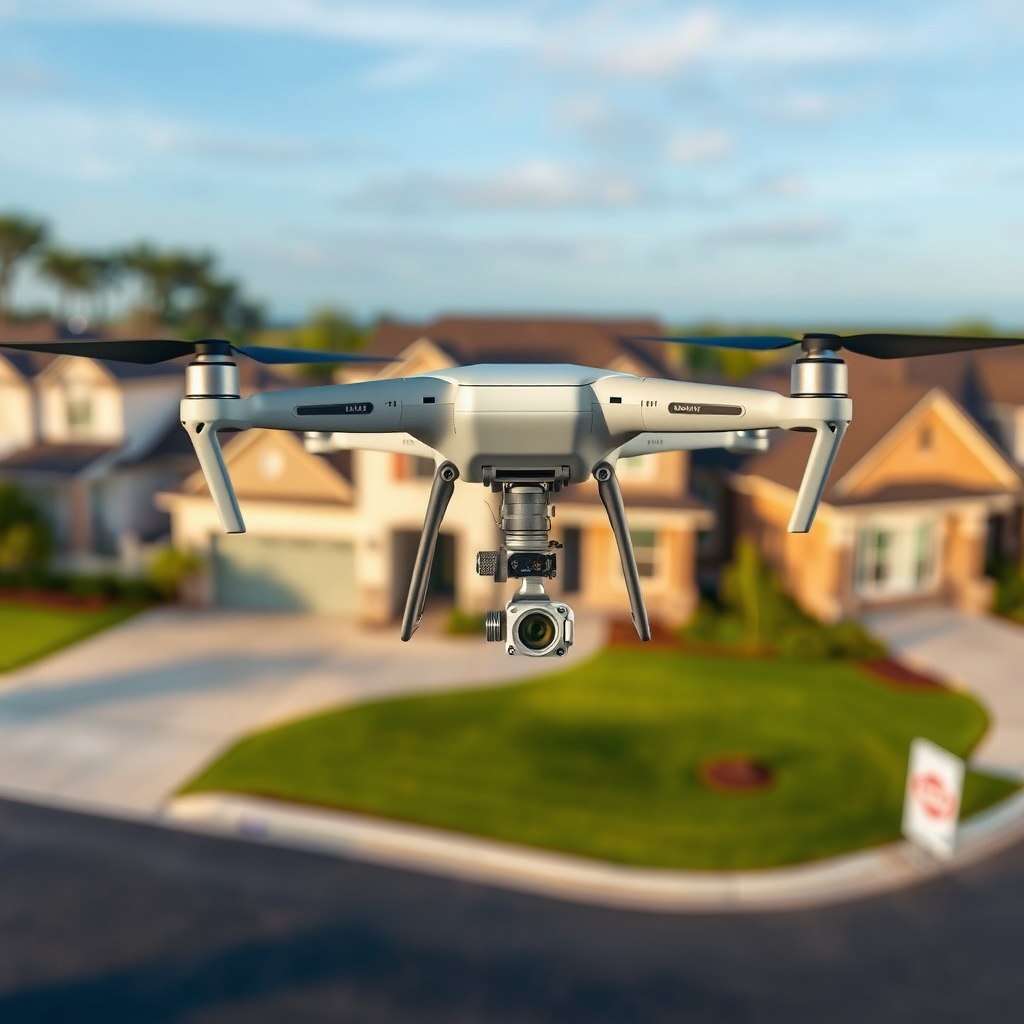
Yes, you can fly a drone over commercial property, but there are specific regulations and considerations to keep in mind. Understanding these rules will help you avoid legal issues and ensure safe operation. As drone technology continues to evolve, commercial applications are becoming increasingly common. However, it’s critical to navigate the regulatory landscape carefully to ensure compliance and safety in your operations.
Understanding Drone Regulations
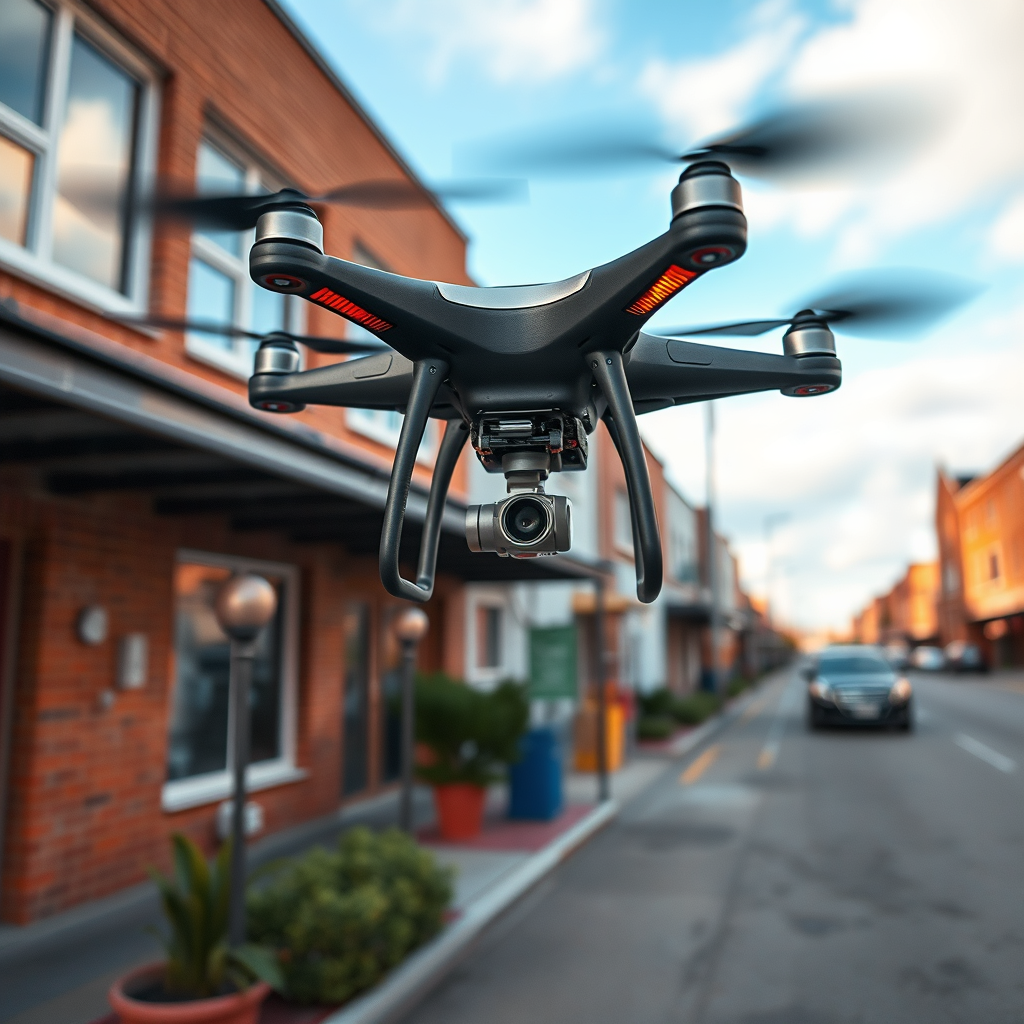
The Federal Aviation Administration (FAA) governs drone usage in the U.S., establishing comprehensive rules that dictate airspace and operational parameters for unmanned aerial vehicles (UAVs). According to the FAA, drone operators must adhere to the guidelines established under Part 107, which includes requirements for remote pilot certification, drone registration, and operational limitations. For instance, drones must be flown below 400 feet and within the visual line of sight of the operator.
Commercial properties may also have specific local regulations or restrictions that vary by state or municipality. Some local jurisdictions have enacted additional rules governing drone operations, particularly in urban areas. For example, cities like New York and San Francisco have implemented strict regulations regarding drone flights, including designated no-fly zones. Therefore, it is essential to check both state and local regulations to ensure compliance before planning your flight.
Permission and Consent
Before flying a drone over commercial property, it is crucial to seek permission from property owners. Failing to do so could lead to legal disputes or claims of trespassing. Property owners have the right to control what happens on their land, and obtaining consent not only helps to foster goodwill but also reduces potential conflicts.
In addition to securing permission, consider the privacy concerns that may arise from aerial photography or videography. Commercial properties may have sensitive areas that, if captured by a drone, could lead to privacy violations or security breaches. For instance, capturing images of employees or confidential business operations without consent could lead to legal repercussions. Always be transparent about your intentions and clarify how you plan to use any footage or data collected.
Airspace Restrictions
When flying a drone over commercial property, be mindful of airspace restrictions. Controlled airspaces include areas near airports, military bases, and other sensitive zones where drone operations are heavily regulated. For example, flying within five miles of an airport typically requires prior notification to the airport and air traffic control.
Moreover, you should check for temporary flight restrictions (TFRs) that might affect your flight path. TFRs can occur during special events, natural disasters, or security emergencies, prohibiting drone flights in designated areas. Utilizing tools such as the FAA’s B4UFLY app or online airspace maps can help you identify any restrictions before you launch your drone.
Safety Guidelines
Safety should always be a top priority when flying drones, especially over commercial properties. Maintaining a safe distance from people and structures is crucial to preventing accidents. The FAA recommends keeping a minimum distance of 25 feet from individuals not involved in the operation, and flying at least 100 feet away from structures unless you have secured the necessary permissions.
In addition to adhering to distance guidelines, it’s essential to follow the drone’s operating manual and ensure proper maintenance for safe flying. Regular checks of battery life, propeller conditions, and software updates can significantly reduce the risk of malfunctions mid-flight. Moreover, consider conducting a pre-flight checklist to ensure that all equipment is functioning correctly.
Insurance and Liability
Obtaining liability insurance is a prudent step for anyone operating a drone, particularly in commercial settings. Liability insurance can protect you against potential damages caused by your drone, whether it involves injury to individuals or damage to property. Depending on the scope of your operations, you may also want to consider additional coverage options, such as equipment insurance, to safeguard your investment.
Understanding the implications of damage or injury caused by your drone is also essential. In many cases, the operator may be held liable for any incidents that occur. Therefore, having a clear understanding of your responsibilities and legal obligations can mitigate risks and protect your business interests.
Uses of Drones Over Commercial Property
Drones have a multitude of applications over commercial properties, serving various industries and purposes. For instance, they can be used for inspections, such as surveying roofs, infrastructure, and solar panels, providing valuable insights that would otherwise require extensive human labor. Utilizing drones for these inspections can enhance efficiency, reduce costs, and improve safety by minimizing the need for workers to access hazardous areas.
In addition to inspections, drones can also be employed for promotional videos and marketing campaigns. Capturing aerial footage of commercial properties can create engaging content that showcases the property’s features and surroundings. However, it is crucial to familiarize yourself with the types of data you can legally collect and share, ensuring that you are compliant with privacy laws and regulations.
Future Trends in Drone Usage
The landscape of drone usage is evolving rapidly, and staying updated on regulations and technologies that may impact operations is essential. As drones become more integrated into business processes, advancements in technology, such as AI and machine learning, are likely to enhance their capabilities. Future trends may include improved obstacle avoidance systems, longer battery life, and enhanced data collection methods.
Moreover, regulatory agencies like the FAA are continually revising rules to accommodate the growing use of drones in commercial applications. Keeping abreast of these changes and adapting to new regulations will be critical for businesses looking to leverage drone technology for their operations.
In conclusion, while flying a drone over commercial property is possible, it is crucial to adhere to regulations and seek permission. Understanding drone laws, obtaining necessary consents, and prioritizing safety can help you navigate the complexities of drone operations effectively. Additionally, staying informed about evolving trends and technologies will not only enhance your operational efficiency but also position you to capitalize on new opportunities in this dynamic field. For more information on drone regulations, consider consulting local authorities or a legal expert to ensure compliance and protect your interests.
Frequently Asked Questions
What are the legal regulations for flying a drone over commercial property?
The legal regulations for flying a drone over commercial property vary by country and region. In the United States, the Federal Aviation Administration (FAA) requires drone operators to follow specific guidelines, including obtaining a Remote Pilot Certificate for commercial use. Additionally, operators must ensure they are not violating local laws or property rights, which may involve seeking permission from the property owner if flying directly over their land. Always check local regulations and consult legal advisors if unsure.
How can I get permission to fly a drone over someone else’s commercial property?
To get permission to fly a drone over someone else’s commercial property, you should first identify the property owner and reach out to them directly. Explain your purpose for flying the drone, whether it’s for photography, surveying, or another reason, and assure them that you will adhere to safety protocols. A written agreement or a verbal confirmation can provide clarity and peace of mind for both parties involved.
Why is it important to understand airspace classifications when flying drones over commercial properties?
Understanding airspace classifications is crucial when flying drones over commercial properties because different airspace types have varying restrictions. For instance, controlled airspace, which is often near airports, requires specific permissions and may have altitude limits. By knowing whether the airspace is classified as Class G (uncontrolled) or Class B, C, D, or E (controlled), you can ensure compliance with FAA regulations and avoid potential fines or accidents.
What are the best practices for flying a drone over commercial properties safely?
The best practices for flying a drone over commercial properties safely include conducting a pre-flight checklist, aiming to maintain a safe distance from people and structures, and ensuring your drone is equipped with the latest software and firmware. Additionally, always fly within your visual line of sight and be aware of your surroundings to avoid obstacles, and consider weather conditions that might affect your flight. Following these practices can help ensure safety and compliance with regulations.
Which types of drones are best suited for commercial property surveying?
The best types of drones for commercial property surveying are those equipped with high-resolution cameras, GPS capabilities, and advanced sensors. Drones like the DJI Phantom 4 RTK or the senseFly eBee X are popular choices because they offer precise mapping capabilities, durability, and ease of use. Selecting a drone that fits your specific surveying needs—whether it be for aerial photography, topographic mapping, or thermal imaging—will lead to more effective and efficient results.
References
- https://www.faa.gov/uas/getting_started/part_107/
- https://www.npr.org/2021/04/07/984771912/drone-use-is-soaring-but-so-are-the-rules
- https://www.wired.com/story/drone-laws-2021/
- https://www.theguardian.com/us-news/2021/apr/07/drones-commercial-property-law
- https://www.ncsl.org/research/transportation/drone-laws.aspx
- https://www.faa.gov/uas/resources/policies_regulations/
- https://en.wikipedia.org/wiki/Drone_regulations_in_the_United_States
