
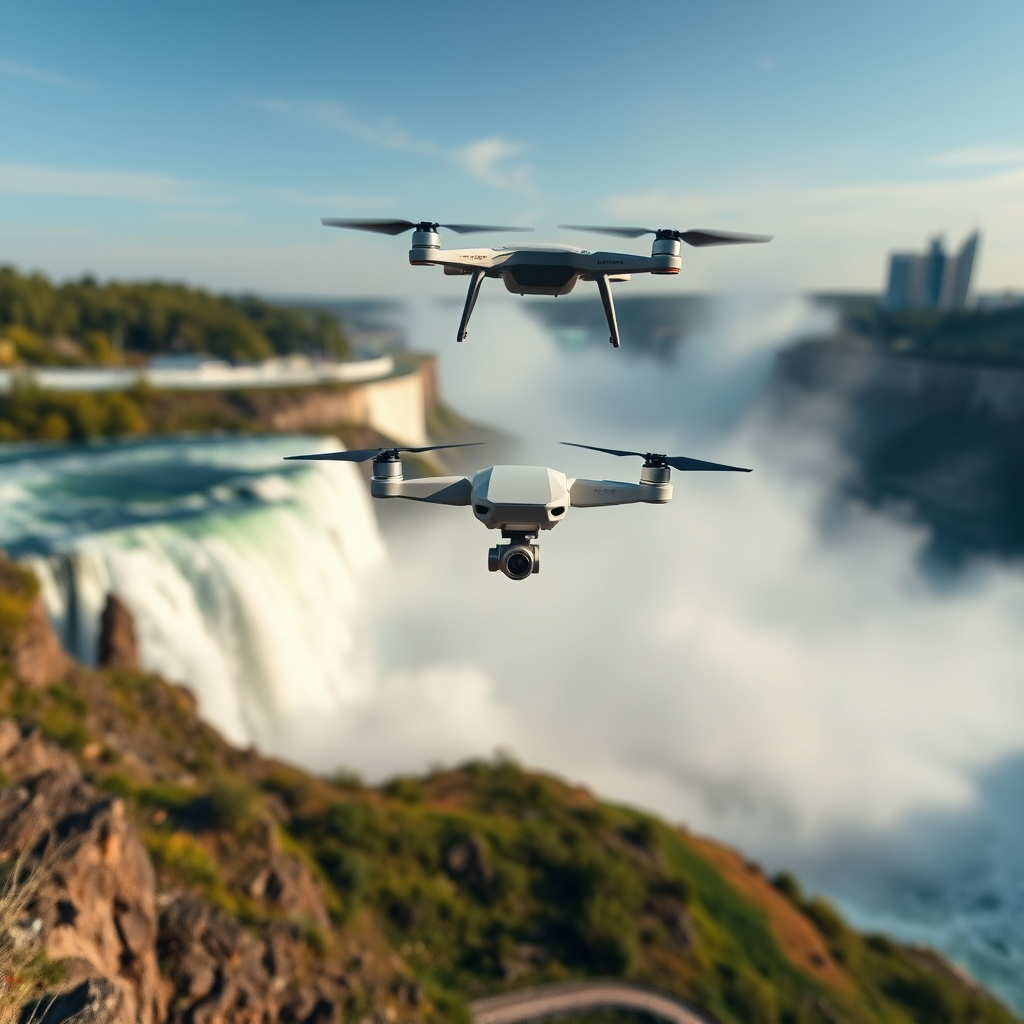
Yes, you can fly a drone over Niagara Falls, but there are important regulations and safety considerations to keep in mind. Understanding these guidelines will help ensure a safe and enjoyable flying experience while respecting the natural beauty of the area. With its breathtaking landscapes and iconic waterfalls, capturing aerial footage of Niagara Falls can be a remarkable endeavor for drone enthusiasts. However, being aware of the regulations and safety practices is crucial to preserving the environment and ensuring compliance with local laws.
Understanding Drone Regulations
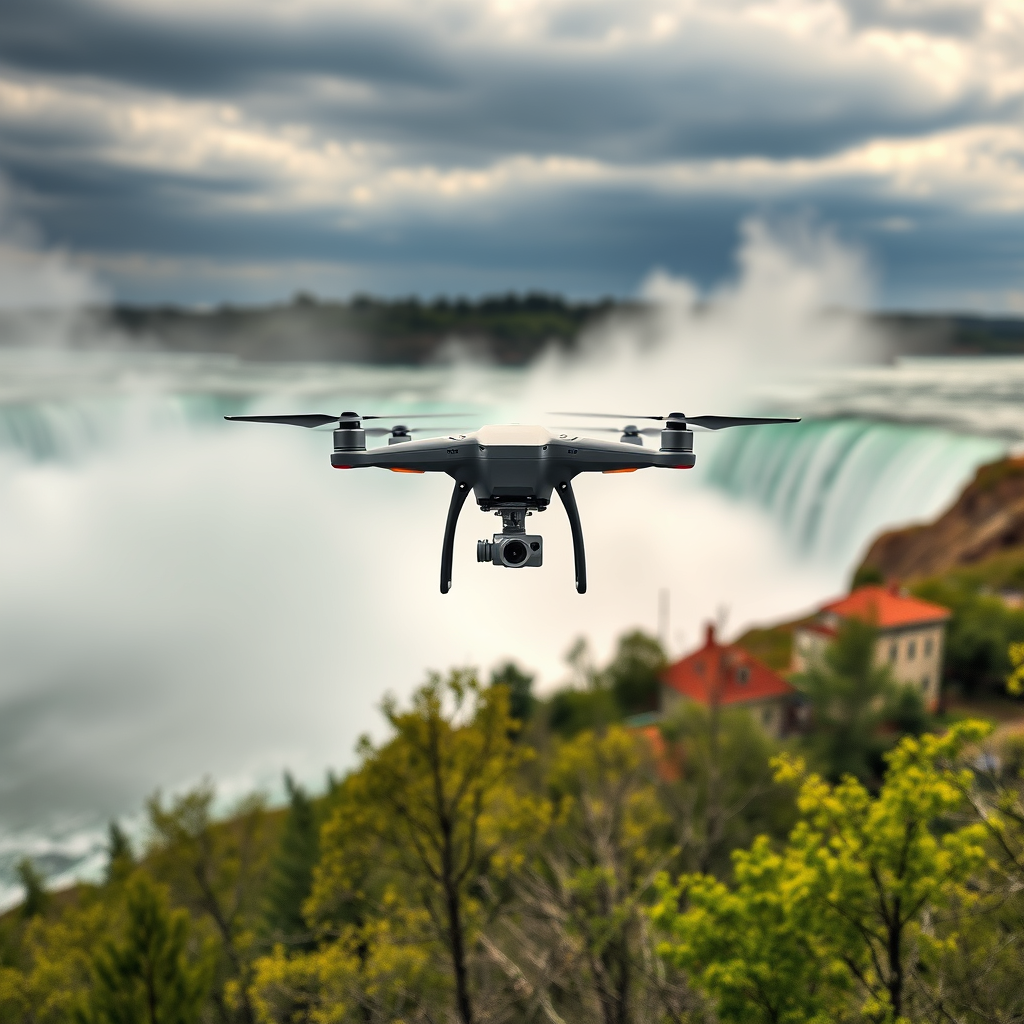
The Federal Aviation Administration (FAA) governs all drone operations in the United States, including those at iconic locations like Niagara Falls. As a drone operator, it is essential to adhere to FAA guidelines, which include registering your drone if it weighs more than 0.55 pounds, obtaining a Remote Pilot Certificate if flying for commercial purposes, and following the rules for recreational use.
In addition to federal regulations, specific rules apply to national parks, including Niagara Falls, which is managed by the National Park Service (NPS). The NPS has strict regulations surrounding drone use to protect wildlife, visitors, and the natural environment. Generally, drones are not permitted to be flown in national parks without special permission, and violations can result in fines or confiscation of equipment. Therefore, it’s vital to check both FAA regulations and NPS guidelines before planning your flight.
No-Fly Zones Around Niagara Falls
When planning to fly a drone over Niagara Falls, it’s important to be aware of no-fly zones. Certain areas surrounding the falls may be designated as restricted airspace for safety and security reasons. This includes zones near airports and sensitive infrastructure. For example, the proximity to Buffalo Niagara International Airport creates airspace restrictions that drone operators must navigate.
Moreover, the immediate area around Niagara Falls may have additional restrictions to protect visitors and the environment. Using resources like the FAA’s B4UFLY app can help you identify these no-fly zones and ensure you are flying legally. Knowledge of local restrictions is crucial before planning your flight, as entering a no-fly zone can lead to serious legal repercussions.
Safety Precautions for Drone Flying
Safety should always be a top priority when flying a drone, especially in a dynamic environment like Niagara Falls. One essential precaution is to maintain a visual line of sight (VLOS) with your drone at all times. This means you should be able to see your drone without the aid of binoculars or other devices, allowing for better control and awareness of your surroundings.
Additionally, being aware of weather conditions is critical. The weather near Niagara Falls can change rapidly, with strong winds and sudden rain showers being common. Before taking off, check local weather forecasts and be prepared to adjust your plans accordingly. Avoid flying during inclement weather or when wind speeds exceed the recommended limits for your drone model.
Best Times to Fly
Timing your drone flight can significantly enhance your experience and the quality of your footage. Early mornings or late afternoons are often the best times to fly, as these periods typically see fewer crowds and softer lighting for photography. The golden hour, just before sunset, can provide stunning visuals of the falls with warm, diffused light.
Furthermore, visiting during weekdays rather than weekends can help you avoid the heavy influx of tourists. This not only makes for a more serene flying experience but also allows you to capture the falls from unique angles without the obstruction of crowds. Planning your flight around off-peak times can yield the best results for both photography and safety.
Photography Tips for Capturing the Falls
Capturing the majestic beauty of Niagara Falls from the air requires a keen understanding of camera settings and composition. To achieve striking images, consider using a slower shutter speed to create a silky effect of the flowing water. This can bring a sense of motion to your photographs, showcasing the power and beauty of the falls.
Experimenting with angles and perspectives is also crucial when shooting aerial footage. High vantage points can provide breathtaking wide shots, while lower angles may highlight the intricate details of the water cascading over the rocks. Don’t hesitate to take multiple shots from different heights and distances to find the perfect composition. Additionally, consider using filters to reduce glare and enhance colors, making your images even more captivating.
Responsible Drone Use
Responsible drone use is paramount when flying over natural landmarks like Niagara Falls. It is essential to respect wildlife and natural habitats during your drone flights. Avoid flying your drone near nesting areas or over wildlife to minimize disturbances.
Furthermore, follow the principle of leave no trace by minimizing your impact on the environment. This includes not littering or disturbing the local flora and fauna. Being a responsible drone operator not only ensures compliance with regulations but also helps preserve the natural beauty of Niagara Falls for future generations to enjoy.
Alternatives to Drone Flying
If flying a drone over Niagara Falls does not align with your plans or interests, there are numerous alternatives to capture the beauty of this iconic landmark. Guided tours provide a unique perspective and often include insights into the history and geology of the falls. Scenic viewpoints, such as the Observation Tower and various vantage points along the Niagara Parkway, offer excellent opportunities for photography without the need for a drone.
Additionally, consider enrolling in local photography classes or workshops. Many professional photographers offer courses that focus on landscape photography, providing valuable tips and techniques to help you capture stunning images using traditional methods. These alternatives can be just as rewarding while ensuring a responsible approach to enjoying the natural wonders of Niagara Falls.
In conclusion, while flying a drone over Niagara Falls is possible, it is essential to adhere to regulations and prioritize safety. Understanding the FAA guidelines, respecting no-fly zones, and taking necessary safety precautions will help ensure a successful experience. By being informed and respectful of the environment, you can enjoy a rewarding experience while capturing stunning aerial views of this iconic landmark. Always stay updated on the latest regulations before your visit to ensure a safe and enjoyable flight.
Frequently Asked Questions
Can you legally fly a drone over Niagara Falls?
No, flying a drone over Niagara Falls is prohibited due to strict regulations established for the area. The Niagara Falls State Park, along with federal regulations from the National Park Service, restricts drone usage to ensure the safety of visitors and the preservation of the natural landscape. Violating these regulations can result in fines and confiscation of the drone.
What are the penalties for flying a drone in restricted areas like Niagara Falls?
Penalties for flying a drone in restricted areas like Niagara Falls can vary, but they often include hefty fines that can reach thousands of dollars. Additionally, authorities may confiscate your drone and issue legal notices for violating federal or state laws. It’s crucial to adhere to local regulations to avoid these consequences.
Why are drones banned at Niagara Falls?
Drones are banned at Niagara Falls primarily for safety and conservation reasons. The area is a high-traffic tourist destination, and flying drones can pose risks to both visitors and wildlife. Moreover, the sound and visual presence of drones can disrupt the natural experience of the falls and interfere with the delicate ecosystem.
What are some alternative photography options near Niagara Falls instead of using a drone?
If you’re looking to capture stunning images of Niagara Falls without using a drone, consider visiting designated viewpoints like the Prospect Point Observation Tower or the Cave of the Winds. You can also take a boat tour on the Maid of the Mist for unique angles. Professional photographers often recommend using a high-quality camera with a zoom lens to capture dynamic shots of the falls from various perspectives.
Which areas near Niagara Falls allow drone flying?
While Niagara Falls itself is a no-fly zone, there are surrounding areas in Niagara County that may permit drone flying, provided you adhere to local laws and FAA regulations. Parks and open spaces a few miles away from the falls may allow drone usage, but always check local ordinances and ensure you are not infringing on any private properties or restricted zones.
References
- https://www.nps.gov/articles/drone-regulations.htm
- https://www.niagarafalls.ca/living/drone-use-in-niagara-falls.aspx
- https://www.faa.gov/uas/
- https://www.cbc.ca/news/canada/niagara-falls-drone-laws-1.6165803
- https://www.ontario.ca/page/drone-flying-ontario
- https://www.niagaraparks.com/plan-your-visit/faq/#drone-policy
- https://www.wgrz.com/article/news/local/drone-use-in-niagara-falls-policy/71-31c1f6c8-bb26-4b58-8e7e-bb4e1f0c1b5e
