
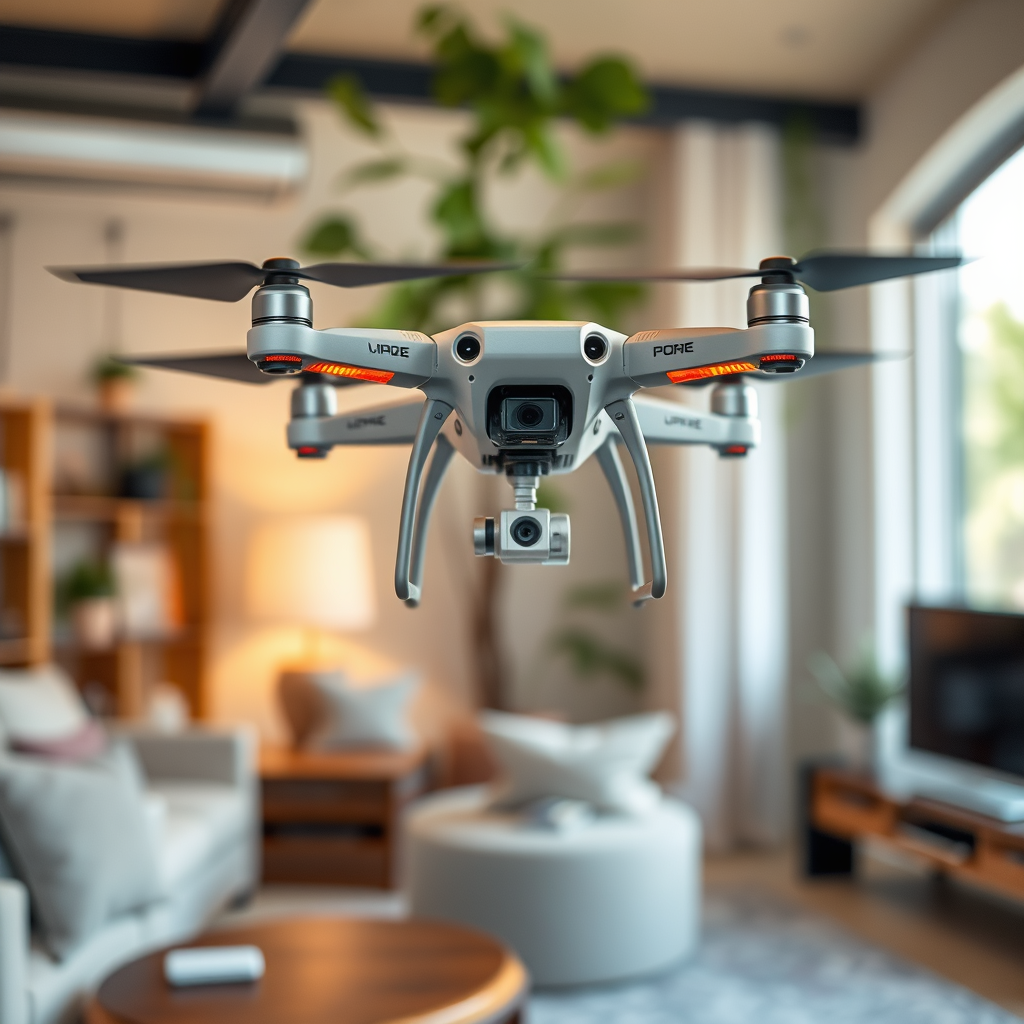
Yes, you can fly a drone without WiFi. Many drones are designed to operate independently using their dedicated remote controls or via mobile applications that utilize Bluetooth connectivity. However, the absence of an internet connection can impact the overall flying experience and limit certain functionalities. This article delves into the various dimensions of flying a drone without WiFi, including connectivity options, types of drones suitable for offline flight, control methods, limitations, safety considerations, and tips for successful flights.
Understanding Drone Connectivity Options
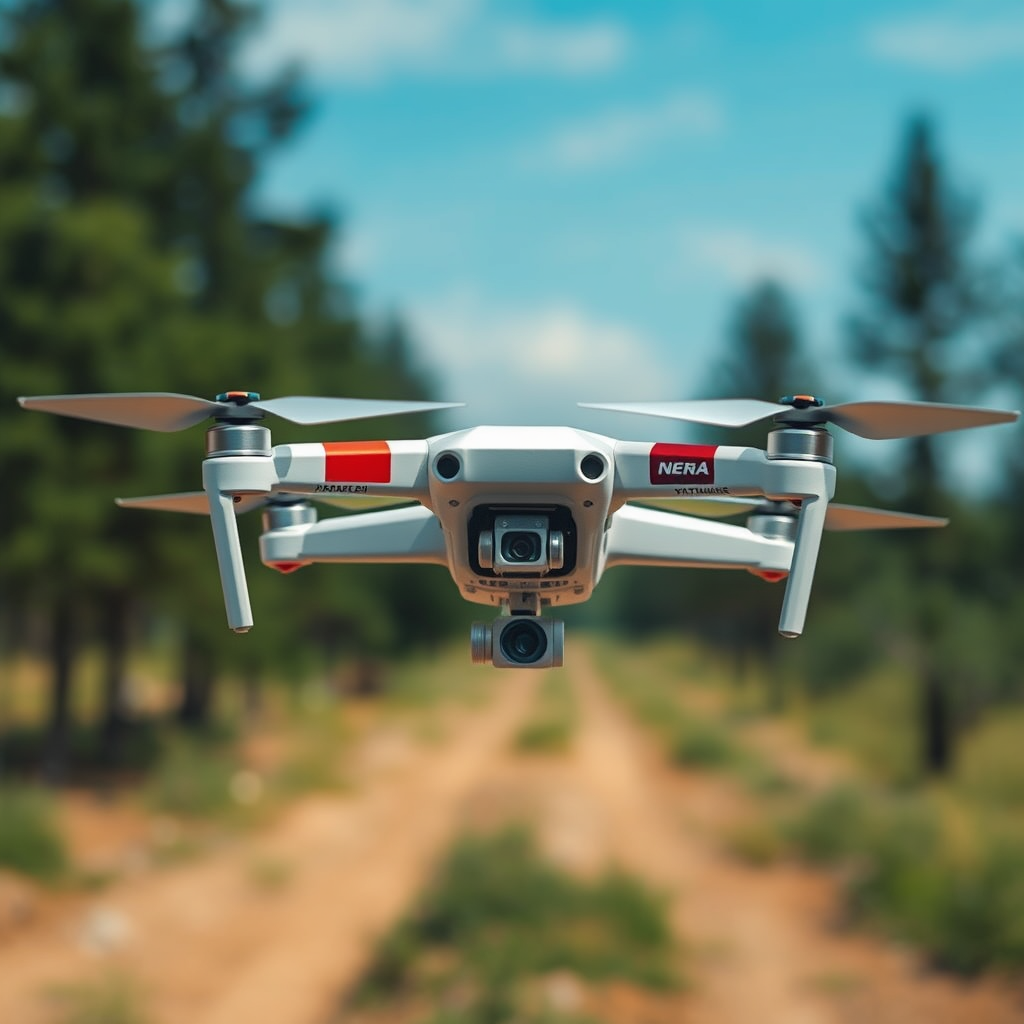
The connectivity of a drone plays a pivotal role in how it operates and what features are available during flight. Most consumer drones rely on dedicated remote controls that communicate with the drone via radio frequency, allowing for reliable operation even when WiFi is unavailable. This remote control typically allows the pilot to navigate the drone, adjust camera settings, and execute various flight maneuvers.
In contrast, some drones utilize WiFi connectivity to enhance user experience. WiFi-enabled drones often provide features such as live streaming video feeds, real-time telemetry data, and GPS assistance. While these features can significantly elevate the flying experience, they are not strictly necessary for basic flight operations. For instance, a drone can still be piloted effectively without WiFi, relying instead on pre-programmed flight paths or manual controls.
Types of Drones That Can Fly Without WiFi
When considering which drones can operate without WiFi, it’s essential to categorize them into two main types: toy drones and professional drones.
Toy drones are typically designed for casual use and often do not require any WiFi connection to function. They come equipped with basic controls and features that enable users to enjoy flying without the complexities of internet connectivity. Popular examples include models from brands like Holy Stone and Syma, which are user-friendly and ideal for beginners.
On the other hand, professional drones usually have more advanced capabilities. Many of these drones come with modes that allow for offline flying, though pilots may find that certain features become limited. For instance, drones such as the DJI Mavic series can operate without an internet connection, enabling pilots to fly using GPS coordinates stored in the drone’s memory. However, real-time mapping and live video streaming features will be unavailable, which could affect the overall flight experience.
How to Control a Drone Without WiFi
Controlling a drone without WiFi involves understanding how to leverage the drone’s remote control effectively. The majority of drones come with user manuals that outline the functions of each control, making it imperative for pilots to familiarize themselves with these controls prior to flight.
For basic flight operations, pilots can use the remote control to adjust altitude, direction, and speed. Additionally, many drones allow pilots to set waypoints or fly in specific modes, such as altitude hold or headless mode, which can simplify navigation. It is crucial to practice flying in open areas where there are minimal obstructions, allowing for better line-of-sight control.
If your drone includes offline features or settings, take the time to explore these options. Some models may allow you to pre-program flight paths or engage in autonomous flight modes that do not require real-time GPS data, enabling a more streamlined flying experience even without internet connectivity.
Limitations of Flying Drones Offline
While flying a drone without WiFi is feasible, it does come with certain limitations that can affect the quality of the flight experience. One of the most significant drawbacks is the lack of GPS functionality, which can hinder navigation and positioning accuracy. Without GPS, users may find it challenging to maintain a stable flight path, especially in unfamiliar areas.
Moreover, the absence of real-time data features becomes apparent when pilots seek to utilize live video feeds or telemetry data. For instance, without WiFi, a drone may not be able to send high-definition video back to the pilot’s mobile device, which could impact applications such as aerial photography or videography. Even the ability to monitor battery levels or other critical flight data in real time may be restricted.
Additionally, if the drone loses its connection to the remote control or experiences a low battery, the pilot may have limited options for recovery or safe landing without GPS assistance.
Safety Considerations When Flying Without WiFi
Safety is paramount when operating a drone, especially in situations where WiFi connectivity is absent. Pilots should always ensure that they fly within their line of sight. This practice not only enhances control over the drone but also helps prevent accidents with other aircraft, obstacles, or people.
Before taking off, it is crucial to check local regulations regarding drone flight in your area. Many regions have specific laws governing drone use, including altitude restrictions and no-fly zones, which can vary significantly depending on local jurisdictions. Ignoring these regulations could result in fines or other legal consequences.
Additionally, conducting a pre-flight check can help mitigate risks. Ensure that the drone is in good working order, with fully charged batteries and functioning propellers. Being aware of your surroundings, including weather conditions, is also essential for safe flying.
Tips for Successful Drone Flights Without Internet
To enhance your flying experience without WiFi, consider these practical tips. First, if your drone allows for it, pre-download maps or flight paths before heading out. This will enable you to navigate effectively, even in areas where GPS signals may be weak.
Another important step is to ensure that your drone’s firmware is updated before a flight. Firmware updates often contain improvements and bug fixes that can enhance performance and stability. Check the manufacturer’s website for the latest updates and installation instructions.
Finally, practice makes perfect. Spend time getting comfortable with your drone’s controls and capabilities in various conditions, which will significantly improve your overall flying skills.
In conclusion, while flying a drone without WiFi is entirely possible, it comes with limitations that require careful consideration. By understanding the connectivity options, types of drones available, control methods, and safety measures, pilots can prepare adequately for a successful flight. With proper preparation and awareness of your drone’s capabilities, you can enjoy rewarding flying experiences even without the internet. Happy flying!
Frequently Asked Questions
Can you fly a drone without WiFi?
Yes, you can fly a drone without WiFi. Most consumer drones operate using a direct connection between the remote controller and the drone itself, often utilizing radio frequencies rather than relying on an internet connection. However, certain features, such as live video streaming and accessing cloud-based maps may require WiFi or mobile data, so it’s essential to check your specific drone’s capabilities.
How does flying a drone without WiFi affect its features?
Flying a drone without WiFi primarily limits access to features that require internet connectivity. For example, you might lose the ability to utilize GPS-assisted flight modes, real-time video streaming to your mobile device, or access to firmware updates. However, basic flight functions, including takeoff, landing, and manual navigation, can still be performed without WiFi.
Why is WiFi important for some drone operations?
WiFi is important for certain drone operations because it enables features that enhance user experience and functionality. For instance, WiFi allows for live video feeds to be transmitted to your smartphone or tablet, facilitates easier access to maps for navigation, and enables firmware updates that can improve performance and add new features to your drone. Without WiFi, these functionalities may be limited or unavailable.
What are the best drones that can fly without WiFi?
Some of the best drones that can operate without WiFi include the DJI Phantom 4, the Parrot Anafi, and the Holy Stone HS720. These models provide robust flight capabilities and retain essential functions when disconnected from the internet. When choosing a drone for offline use, look for features such as reliable remote control range and stable flight performance without the need for WiFi connectivity.
Which drone features require WiFi to function?
Several drone features require WiFi to function effectively, including live video streaming, cloud-based software updates, and advanced navigation systems that rely on real-time data. Additionally, features like geofencing, which prevents the drone from flying into restricted areas, and certain automated flight modes, can also depend on an active WiFi connection. Understanding which features necessitate WiFi can help you plan your flights accordingly.
References
- https://en.wikipedia.org/wiki/Drone#Control_methods
- https://www.faa.gov/uas/getting_started/part_107/
- https://www.nasa.gov/mission_pages/UAS/what-is-an-uas.html
- https://www.reuters.com/article/us-technology-drones-explainer-idUSKBN2A91P5
- https://www.dji.com/education/education-policies
- https://www.nytimes.com/2020/01/07/technology/drone-technology.html
- https://www.techopedia.com/definition/27942/drone
- https://www.ustechpolicy.com/2021/02/23/the-need-for-drone-regulations-in-the-united-states/
