
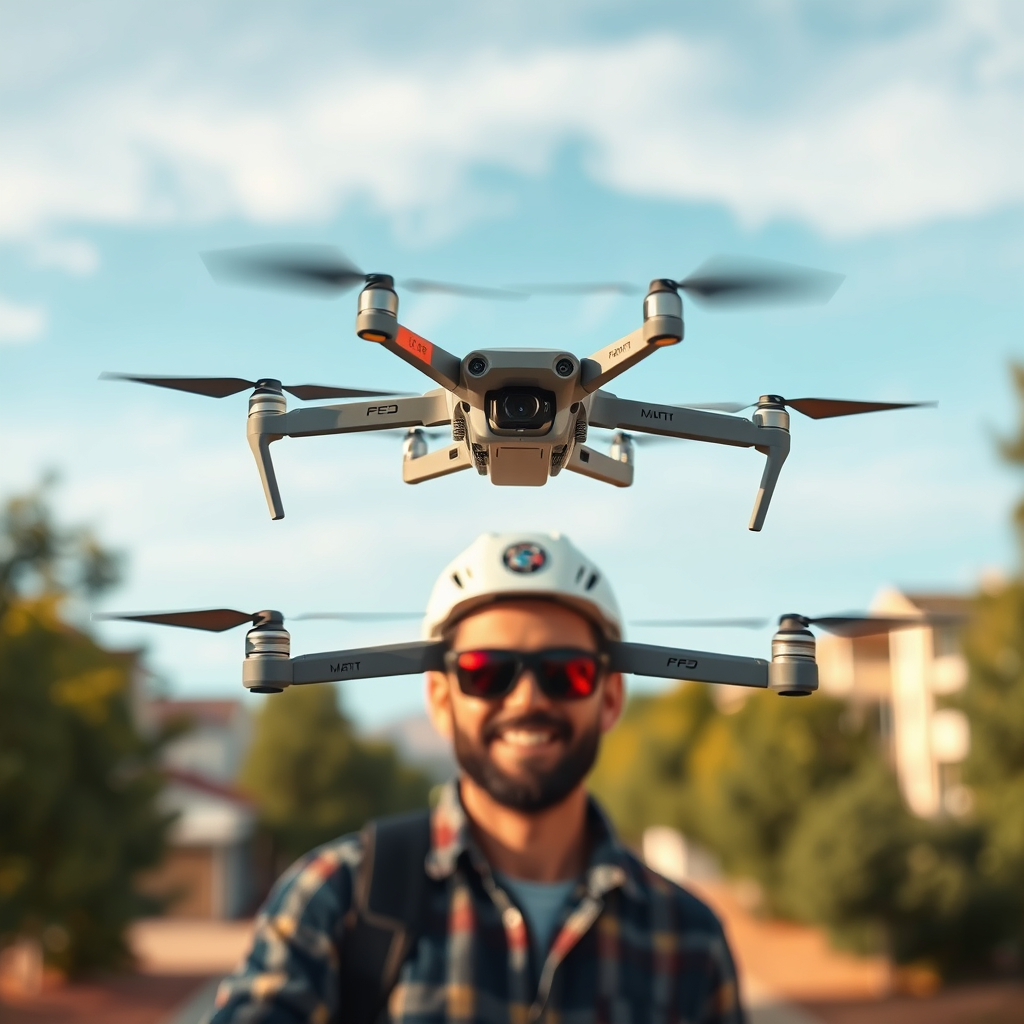
Yes, you can generally fly a sub 250g drone in many locations, but there are specific regulations and restrictions that vary by country and region. Understanding these rules is essential to ensure safe and legal flying. Sub 250g drones have become increasingly popular due to their lightweight design, which often exempts them from more stringent regulations that apply to heavier drones. However, it is crucial for pilots to familiarize themselves with local laws and best practices to maximize their flying experience while ensuring compliance with safety standards.
Understanding Sub 250g Drones
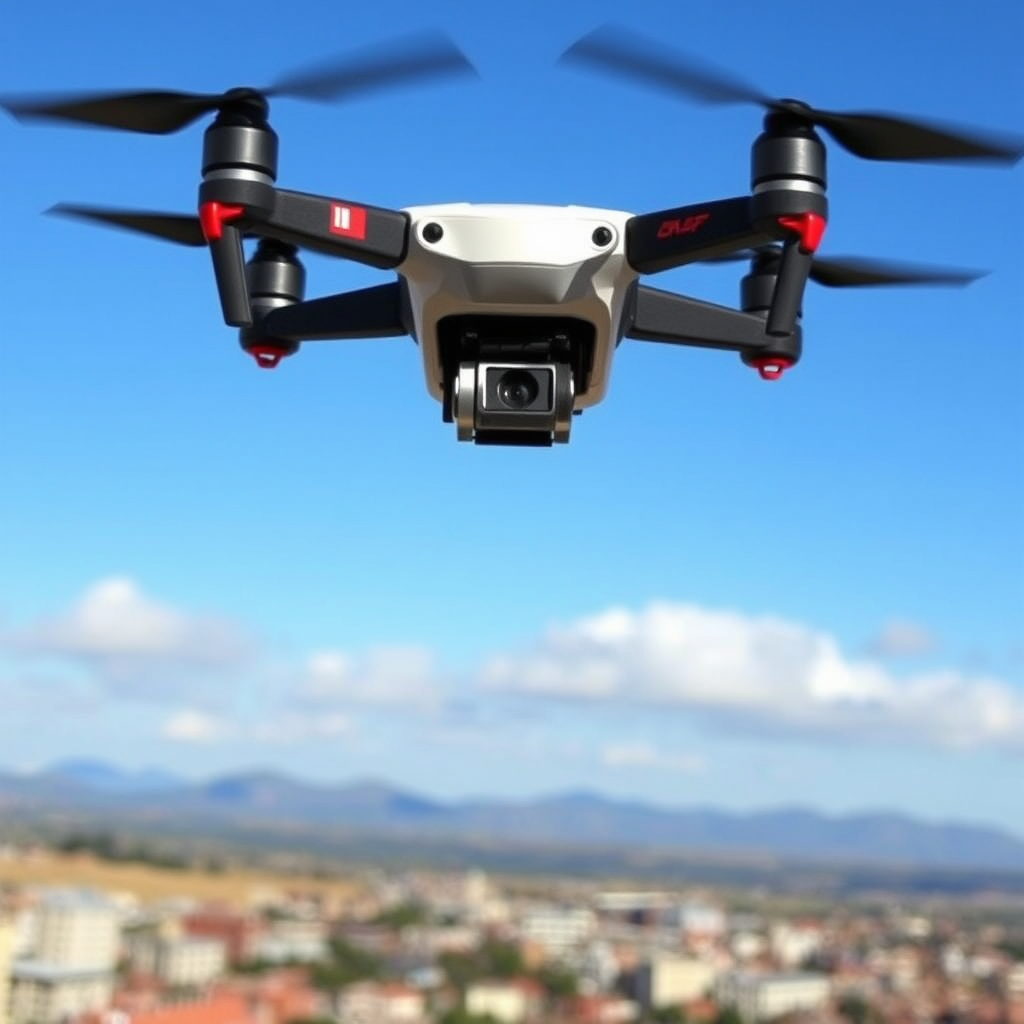
Sub 250g drones are defined as unmanned aerial vehicles (UAVs) that weigh less than 250 grams (approximately 0.55 pounds). This weight threshold is significant because many countries have relaxed regulations for drones under this limit, recognizing that their smaller size and weight pose a reduced risk to public safety. Common specifications of these drones include compact designs, shorter flight times, and limited payload capacities, which make them ideal for casual users and beginners.
Popular models in this category include the DJI Mini 2 and the Holy Stone HS720E. The DJI Mini 2, for instance, weighs just 249 grams and features a 12MP camera capable of shooting 4K video, making it an excellent choice for photography enthusiasts. The Holy Stone HS720E, on the other hand, offers a 4K camera and intelligent flight modes, providing users with advanced capabilities in a lightweight package. Both models exemplify how sub 250g drones can deliver high-quality performance without the regulatory burdens associated with heavier drones.
Legal Regulations for Flying Drones
In the United States, the Federal Aviation Administration (FAA) governs drone operations. For sub 250g drones, the FAA has established specific guidelines that make it easier for hobbyists and casual flyers to operate their drones legally. As of recent regulations, pilots do not need to register these drones, provided they fly them recreationally and adhere to the community-based guidelines. However, they must still comply with basic operational rules, such as maintaining visual line of sight and avoiding flying above 400 feet.
Internationally, regulations vary significantly. For example, in the United Kingdom, the Civil Aviation Authority (CAA) mandates that drone pilots obtain an Operator ID and a Flyer ID for any drone weighing over 250 grams. However, for sub 250g drones, the regulations are less stringent, allowing users more freedom. Other countries, like Australia, have similar rules, with the Civil Aviation Safety Authority (CASA) allowing more leniency for lighter drones. It is vital for drone operators to research and understand the specific laws of the regions they intend to fly in to avoid legal complications.
No-Fly Zones and Restrictions
No-fly zones are designated areas where drone flights are prohibited or restricted. Common no-fly zones typically include airports, military bases, and areas near critical infrastructure. For instance, flying a drone near an airport can pose serious safety risks, and the FAA enforces strict regulations to prevent this. Additionally, many countries have established temporary flight restrictions (TFRs) during events, such as sporting events or natural disasters, which can further limit drone operations.
Local laws can also impose restrictions on drone usage in certain areas, such as national parks or urban centers. In the United States, for example, drones are generally prohibited in national parks to protect wildlife and the natural environment. Similarly, many cities have enacted ordinances that restrict drone flights in crowded urban areas, where the risk of accidents is higher. Drone operators should be diligent in identifying these no-fly zones and ensuring compliance to avoid penalties.
Best Practices for Responsible Flying
Operating a sub 250g drone responsibly is crucial for ensuring safety and compliance with regulations. One of the most important best practices is to maintain visual line of sight during flights. This means that pilots should always be able to see their drone without the aid of visual enhancement devices. This practice not only helps avoid collisions with other aircraft but also allows pilots to respond quickly to any potential hazards.
Moreover, drone pilots should be conscious of their surroundings and avoid flying near manned aircraft, such as helicopters or small planes. Understanding airspace classifications can help pilots identify areas where manned aircraft operate frequently. Joining local drone clubs or communities can also provide valuable insights into safe flying practices and foster a culture of responsible drone usage.
Apps and Tools for Drone Pilots
Several apps and tools are available to assist drone pilots in navigating airspace restrictions and planning safe flying locations. One of the most recommended apps is Airmap, which provides real-time airspace information and alerts about temporary flight restrictions. This app allows pilots to check whether a specific location is suitable for drone flying and offers guidance on nearby no-fly zones.
Another useful tool is Drone Assist, which provides an interactive map that displays airspace restrictions and advisories. This app is particularly beneficial for pilots who frequently fly in urban areas or near controlled airspace. Additionally, SkyVector offers flight planning resources that can help drone operators navigate airspace more effectively. Utilizing these tools enhances the safety and legality of drone flying experiences.
Safety Tips for Flying Sub 250g Drones
Before taking to the skies, conducting thorough pre-flight checks is essential for ensuring the drone is in optimal working condition. Pilots should inspect the drone’s battery, propellers, and camera to ensure everything is functioning correctly. Regular maintenance, including firmware updates and component checks, can significantly reduce the risk of malfunctions during flight.
In the event of an emergency, such as loss of signal or battery failure, pilots should be familiar with their drone’s fail-safe features. Many sub 250g drones are equipped with return-to-home functions that automatically bring the drone back to its takeoff location if the signal is lost. Pilots should practice emergency scenarios to stay prepared and react appropriately to unforeseen circumstances while flying.
In conclusion, while you can fly a sub 250g drone in many places, it’s crucial to be aware of and adhere to local regulations. Understanding the specifications of these drones, familiarizing yourself with legal regulations, and practicing responsible flying are all critical components of a successful and enjoyable flying experience. By prioritizing safety and compliance, drone pilots can explore the skies confidently, ensuring that they operate within the legal frameworks while enjoying the incredible capabilities of their sub 250g drones.
Frequently Asked Questions
What are the regulations for flying a sub 250g drone in urban areas?
In many countries, sub 250g drones benefit from more relaxed regulations compared to heavier drones. However, it’s crucial to check local laws before flying in urban areas, as some cities may have specific rules regarding drone operation, including no-fly zones, altitude limits, and the need for permits. Always prioritize safety and the privacy of others when flying in populated areas.
How do I ensure compliance when flying my sub 250g drone?
To ensure compliance while flying your sub 250g drone, familiarize yourself with the regulations set by aviation authorities in your country, such as the FAA in the United States or EASA in Europe. Key points include maintaining visual line-of-sight, avoiding restricted airspace, and adhering to altitude limits. Additionally, consider registering your drone if required and always respect privacy laws and other people’s property.
Why is flying a sub 250g drone advantageous compared to heavier drones?
Flying a sub 250g drone offers several advantages, including fewer regulatory restrictions, which often means you can fly in more locations with less paperwork. These lightweight drones are typically more affordable, easier to transport, and can be flown in a wider range of environments. Furthermore, because they are less likely to cause injury or damage, they generally allow for more flexible and casual flying experiences.
Which sub 250g drones are best for beginners?
For beginners, some of the best sub 250g drones include the DJI Mini SE, the Holy Stone HS720E, and the Potensic D80. These models are user-friendly, offer impressive camera quality, and include features like GPS, altitude hold, and return-to-home functions, making them suitable for novice pilots. They strike a balance between affordability and performance, allowing beginners to learn the basics without a heavy investment.
Can I fly a sub 250g drone at night?
Generally, flying a sub 250g drone at night is subject to the same regulations as larger drones, which often prohibit night flying without special permissions. In the U.S., for example, the FAA requires that drones flown at night be equipped with anti-collision lights visible for at least three statute miles. Always check your local laws and regulations, as they can vary significantly, and ensure safety measures are in place when flying after dark.
References
- https://en.wikipedia.org/wiki/Drone_regulations
- https://www.faa.gov/uas/getting_started/part_107/
- https://www.faa.gov/uas/
- https://www.theguardian.com/technology/2021/apr/04/drone-regulations-uk-eu-usa
- https://www.bbc.com/news/technology-54914996
- https://www.nytimes.com/2021/04/05/technology/drones-regulation.html
- https://www.auswaertiges-amt.de/en/aussenpolitik/themen/technologiefreiheit/faq-drone/2285206
- https://www.nasa.gov/mission_pages/UAVs/faq/index.html
- https://www.reuters.com/technology/us-issues-new-drone-rules-2021-08-31/
