
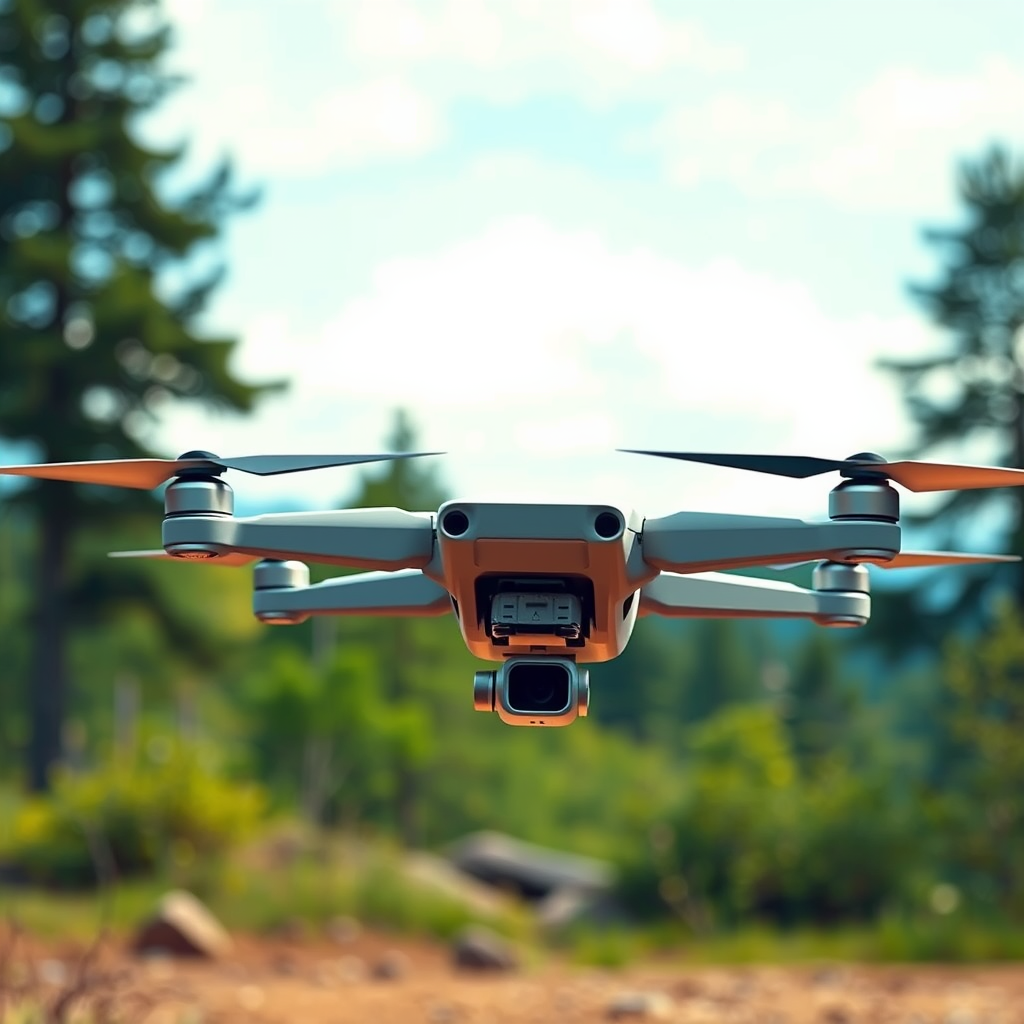
Yes, you generally cannot fly drones in national parks due to strict regulations enforced by the National Park Service (NPS). These regulations are designed to protect wildlife, preserve the natural landscape, and ensure a peaceful experience for all visitors. The prohibition of drone use is a critical measure to maintain the integrity of these treasured environments. Let’s take a closer look at the regulations, underlying reasons for these restrictions, potential exceptions, consequences for violations, alternatives to drones, and the importance of staying informed about local regulations.
Understanding National Park Regulations
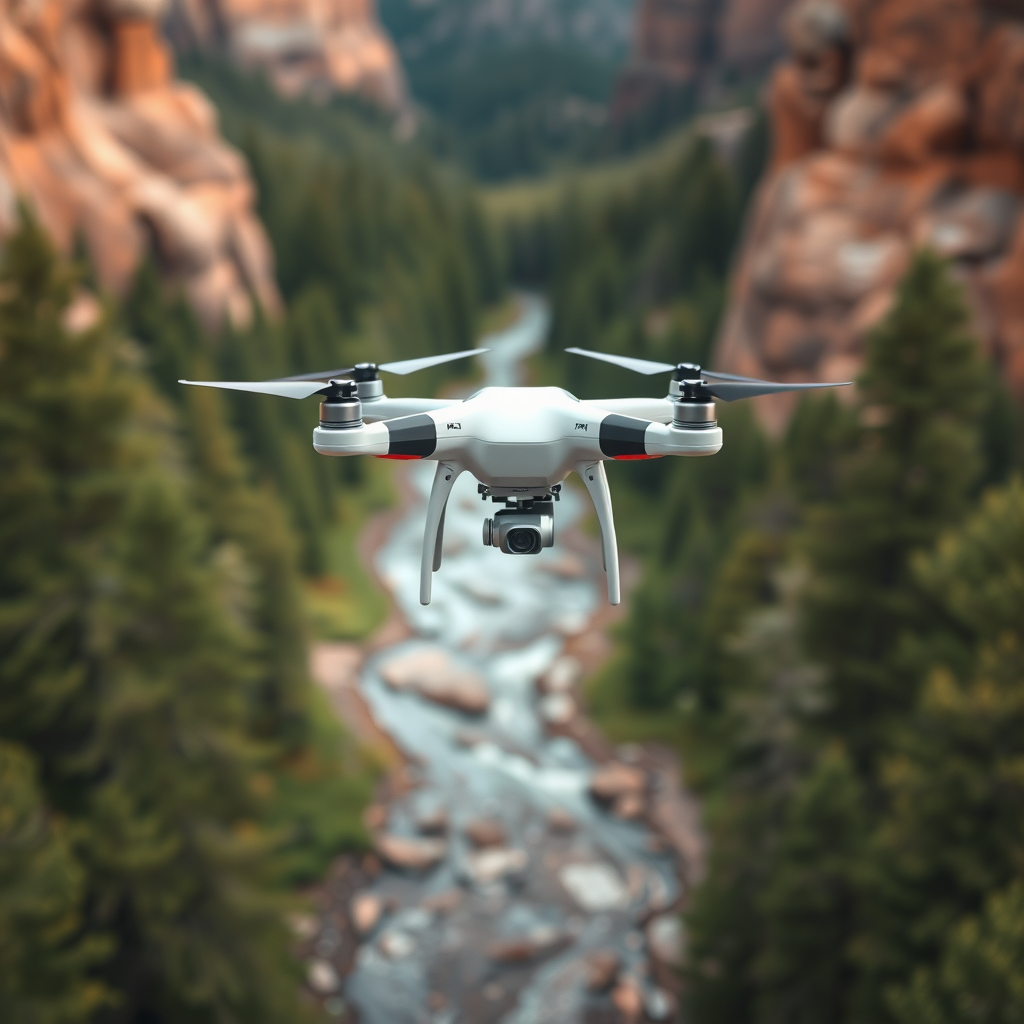
The National Park Service has a clear and unequivocal stance regarding drone usage: it is prohibited in all national parks across the United States. This blanket ban is rooted in the overarching mission of the NPS to conserve the natural and cultural resources of the parks for the enjoyment of future generations. The regulations are not arbitrary; they are meticulously crafted to protect the fragile ecosystems and wildlife habitats that exist within these protected areas. For instance, the disruption caused by drones can be particularly detrimental during sensitive periods in wildlife life cycles, such as breeding or migration seasons.
Additionally, the NPS emphasizes preserving the serenity and natural soundscape of national parks. The use of drones can introduce unnatural noises that disturb both wildlife and visitors, undermining the tranquil experience many seek when visiting these majestic landscapes. By enforcing these regulations, the NPS aims to maintain the parks as sanctuaries of natural beauty and peace.
Reasons for Drone Restrictions
The restrictions on drone usage in national parks stem from several key concerns. First and foremost, drones can significantly disturb wildlife. For example, the sound of a drone flying overhead can startle animals, causing them to flee from their natural habitats, which can lead to stress, disorientation, and even abandonment of nests or young. This is particularly concerning for species that are already threatened or endangered.
Furthermore, the noise generated by drones can disrupt the experience of park visitors who come to enjoy the natural sounds of birds, rustling leaves, and flowing water. The introduction of mechanical noise can detract from the serene environment that many individuals seek when they enter a national park, fundamentally altering the experience. These factors create a compelling case for the NPS to maintain strict regulations on drone usage.
Exceptions to the Rule
While the general prohibition on drone use in national parks is strict, there are limited exceptions that may allow for drone operation under specific circumstances. For instance, commercial filming, scientific research, or other special projects may warrant an exception, but these activities require obtaining a special permit from the NPS. This process often involves a detailed application, outlining the purpose of the drone use, potential impact on the environment, and measures to mitigate any disturbances.
It is worth noting that while some parks may have designated areas where drone use is permitted, these situations are exceedingly rare. In most instances, the NPS discourages drone use to ensure that the integrity of the park’s ecosystem and visitor experience is upheld. If you believe your project may qualify for an exception, it is essential to engage with park officials well in advance of your planned visit.
Consequences of Violating Drone Rules
The consequences of flying a drone in a national park can be severe. Violators may face substantial fines, and their equipment could be confiscated. The penalties for illegal drone operation can range from several hundred dollars to thousands, depending on the nature and severity of the infraction. Moreover, violators may be subject to legal action under federal law, as national parks are federally protected lands.
The enforcement of these regulations is taken seriously by park rangers and law enforcement officers, who are vigilant in monitoring drone activity. It is crucial for visitors to understand these potential repercussions, not only to avoid financial penalties but also to contribute positively to the preservation of these natural spaces.
Alternatives to Flying Drones
For those looking to capture the stunning beauty of national parks without the use of drones, various alternatives exist that can yield equally impressive results. Hand-held cameras and GoPros are excellent options for photography and videography, allowing for creativity without disrupting wildlife or the park environment. These devices are portable, user-friendly, and can provide high-quality images.
Additionally, consider participating in photography workshops that focus on landscape and wildlife photography skills, further enhancing your ability to capture the essence of the parks. Many workshops are led by experienced photographers who can offer insights into composition, lighting, and the ethical considerations of photographing wildlife.
Moreover, it’s essential to embrace the experience of being present in nature, without the lens of a camera. Spending time simply observing and appreciating the surroundings can provide a deeper connection to the environment, which is often more rewarding than capturing images.
Staying Informed About Local Regulations
Navigating the regulations surrounding drone use in national parks requires diligence and awareness. Before visiting a national park, always check the specific regulations of that park, as rules can vary significantly between different locations. The official National Park Service website is an invaluable resource for obtaining up-to-date information on drone policies, park rules, and any ongoing changes in legislation.
Moreover, engaging with park staff upon arrival can provide additional insights and updates regarding any temporary regulations that may be in effect. Staying informed not only ensures compliance but also enhances your overall experience by allowing you to fully appreciate the beauty and tranquility of the national park.
In summary, flying drones in national parks is generally prohibited to protect the environment and enhance visitor experiences. If you’re planning a trip to a national park, consider alternative methods to capture your adventures while respecting the natural beauty around you. Always stay informed about specific regulations to avoid any legal issues during your visit, and remember that the true value of these parks lies in their preservation for generations to come.
Frequently Asked Questions
Can you fly drones in national parks?
Generally, flying drones in national parks is prohibited in the United States due to regulations set by the National Park Service (NPS). These rules are in place to protect wildlife, preserve natural landscapes, and ensure visitor safety. If you’re considering using a drone in a national park, it’s essential to check for specific park regulations, as some parks may have designated areas where drone use is permitted under strict guidelines.
What are the consequences of flying a drone in a national park?
Flying a drone in a national park can lead to serious consequences, including hefty fines and potential confiscation of your drone. Penalties can vary by location but can reach up to several thousand dollars. Additionally, violating these regulations can negatively impact your ability to fly drones in other areas, as a record of infractions may be noted.
How can I find out if drone flying is allowed in a specific national park?
To determine if drone flying is allowed in a specific national park, you can visit the official National Park Service website or the park’s own webpage. These resources provide detailed information about drone regulations, including any restrictions or designated areas for drone use. You can also contact park rangers directly for the most accurate and up-to-date information.
Why are drones banned in most national parks?
Drones are banned in most national parks primarily to protect wildlife and preserve the natural environment. The noise and disturbance caused by drones can disrupt animal behaviors and habitats, while also detracting from the natural experience of other park visitors. Additionally, the potential for accidents or collisions with wildlife or other visitors raises safety concerns, which is why the NPS enforces strict regulations against drone use.
What are the best alternatives to flying drones in national parks for photography?
If you’re looking for alternatives to capture stunning photography in national parks, consider using high-quality cameras or smartphones with excellent zoom capabilities. Hiking to vantage points, using tripods for stability, and exploring lesser-known trails can also yield breathtaking images. Additionally, check if the park offers guided photography tours or workshops that can enhance your skills without violating drone regulations.
References
- https://www.nps.gov/subjects/drones/index.htm
- https://www.faa.gov/uas/where_to_fly/national_parks
- https://www.nps.gov/articles/drones-in-national-parks.htm
- https://www.wilderness.net/NWPS/documents/Policy/DronePolicy.pdf
- https://www.nationalparks.org/our-work/impact/drone-use-national-parks
- https://www.fws.gov/service/faq-using-drones-national-wildlife-refuges
- https://www.wildlife.org/wildlife-professionals-and-the-use-of-drones/
- https://www.nytimes.com/2020/01/20/us/drones-national-parks.html
- https://www.sciencedirect.com/science/article/pii/S2351978917301702
