
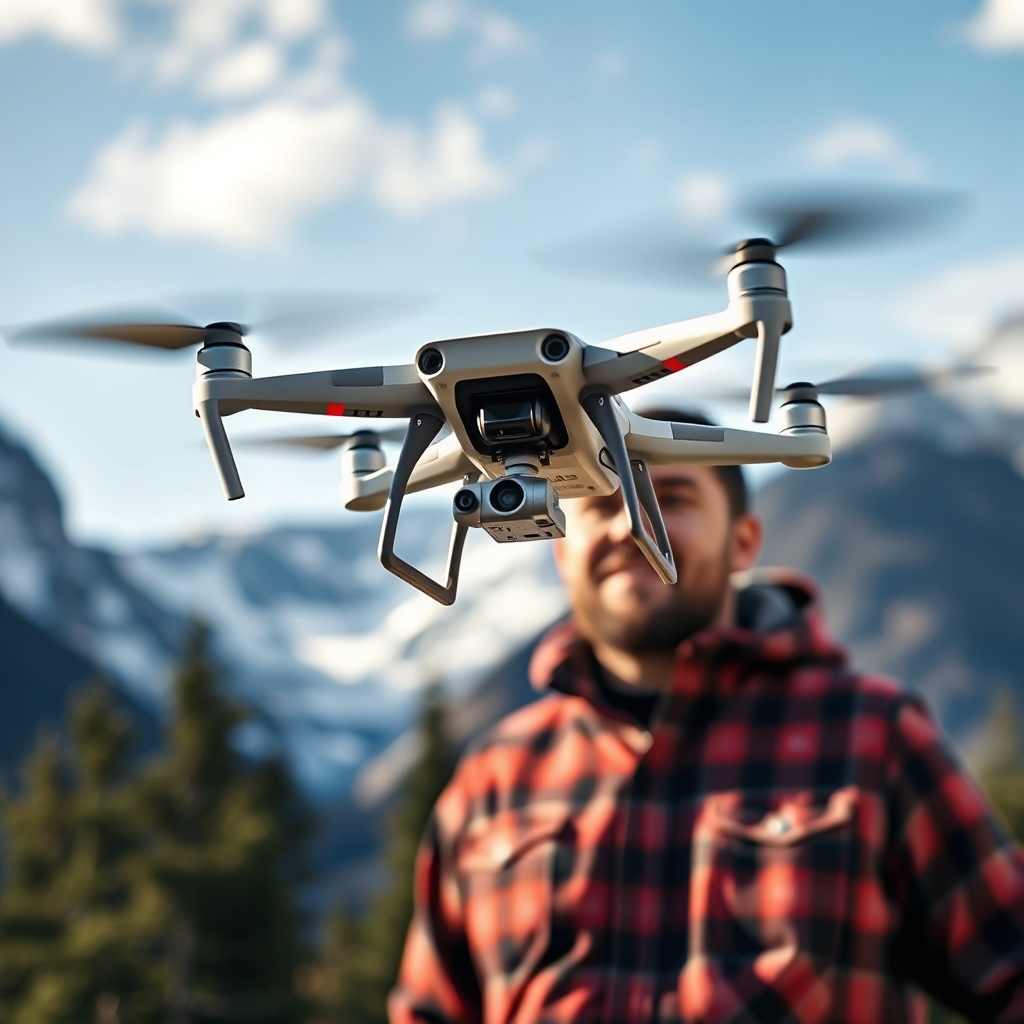
Yes, you can fly drones in Banff, but there are specific regulations and guidelines you must follow to ensure safety and compliance with local laws. Banff National Park, known for its breathtaking landscapes and diverse wildlife, has strict rules regarding drone use to protect its natural beauty and the safety of visitors. In this article, we will cover the essential rules and best practices for flying drones in this stunning national park, ensuring that your experience is both enjoyable and compliant with legal requirements.
Understanding Canadian Drone Regulations
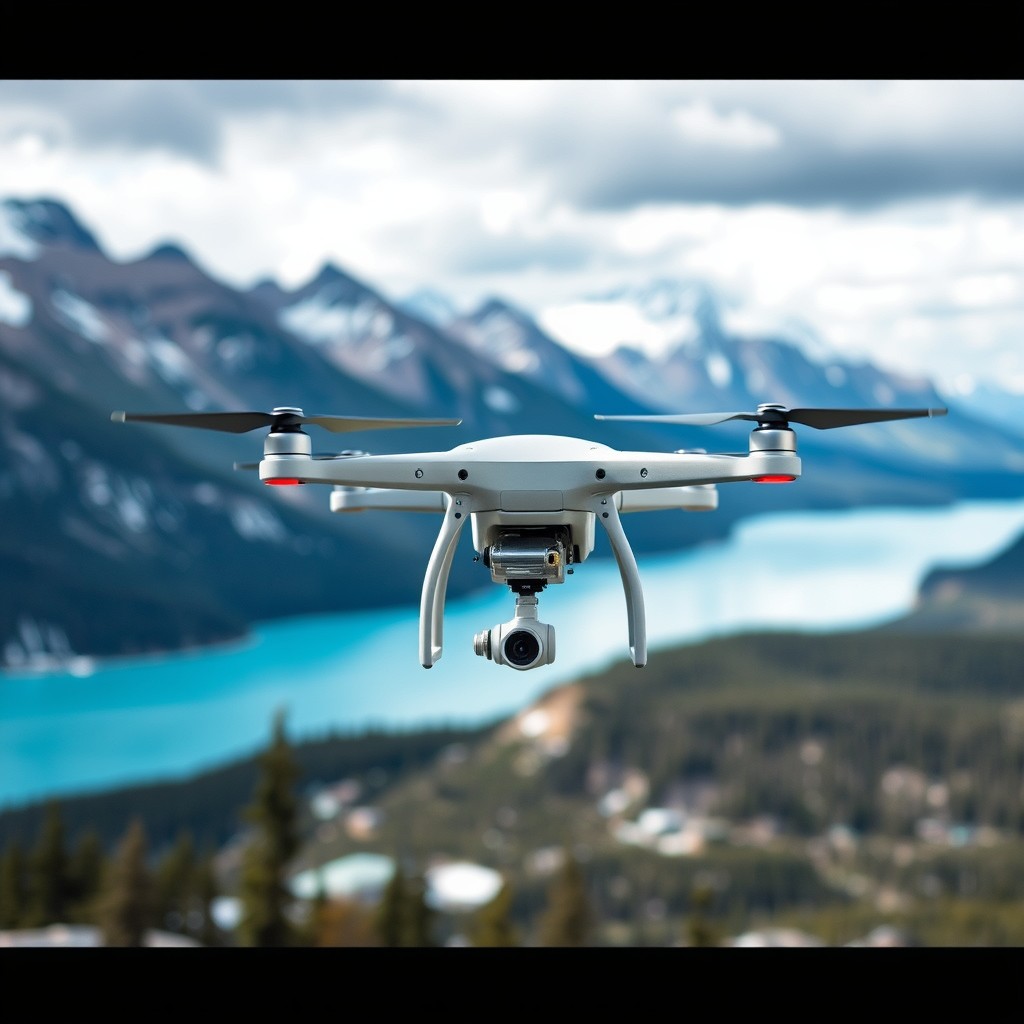
In Canada, drone pilots are required to adhere to regulations set forth by Transport Canada. These regulations classify drone operations into two categories: basic and advanced, which are primarily determined by the weight of the drone and the nature of the flight.
For basic operations, drones weighing less than 250 grams can be flown without special certification, provided they remain within visual line of sight and at least 30 meters away from people. Advanced operations, on the other hand, apply to drones exceeding this weight and require pilots to obtain a Pilot Certificate – Advanced Operations. This certification involves completing a written exam and a flight review, ensuring that pilots are well-equipped to handle more complex flying scenarios. Understanding these regulations is crucial for any aspiring drone pilot and serves as a foundational aspect of responsible drone usage in Banff and beyond.
National Park Restrictions
Drones are generally prohibited in most national parks, including Banff, primarily due to concerns regarding wildlife protection and visitor safety. The serene environment of Banff is home to various species, including elk, bears, and other sensitive wildlife, all of which can be disturbed by the presence of drones. Additionally, the park attracts millions of visitors each year, and the introduction of drones can create safety hazards and diminish the overall experience for others.
Despite these restrictions, there are designated areas and specific times when drone use may be permitted under special permits. Pilots interested in capturing the park’s beauty from above should consult with Parks Canada for guidance on where and when drone flying may be allowed. Regulations can differ based on seasonal wildlife activity and environmental factors, so it’s essential to stay informed.
Required Permits and Authorizations
To fly a drone within Banff National Park, pilots must obtain permission through the appropriate channels. This typically involves applying for a Special Use Permit (SUP), which is required for any drone flights that do not fall under standard regulations. The application process may require pilots to outline the purpose of their flight, the expected impact on wildlife, and a plan for mitigating potential disturbances.
Special use permits can be requested for specific events, projects, or research initiatives, and they are assessed on a case-by-case basis. It is crucial for pilots to provide detailed information and demonstrate a commitment to responsible flying practices to increase the likelihood of permit approval. Additionally, there may be associated fees and conditions attached to the permits, so it’s advisable to plan well in advance.
Safety Considerations
Safety is paramount when flying drones, especially in an environment as dynamic as Banff National Park. Pilots should always maintain a safe distance from wildlife, adhering to a minimum of 100 meters away from animals to prevent stress or disruption to their natural behaviors. This not only protects the wildlife but also ensures the safety of the drone pilot and other visitors.
Weather conditions in the mountainous terrain can change rapidly, making it essential for drone operators to assess the forecast before embarking on their flight. High winds, rain, or sudden temperature drops can affect drone performance and safety. Pilots should also be aware of potential hazards such as trees, power lines, and other obstacles that can pose risks during flight. Conducting a pre-flight assessment and ensuring that all equipment is functioning properly can help mitigate these risks.
Tips for Responsible Drone Flying
Responsible drone flying involves not only adhering to legal regulations but also respecting the natural environment and the experience of other visitors. Pilots should always respect park boundaries and posted signage regarding drone use to avoid potential fines or penalties. Engaging in responsible flying also means following the “Leave No Trace” principles, which emphasize minimizing environmental impact and preserving the natural beauty of the park.
It is advisable to educate oneself about the specific areas where drone flying is allowed and to engage with local drone communities for insights on best practices. Joining forums or groups focused on drone flying in national parks can provide valuable tips and foster a sense of community among pilots who share a passion for both flying and conservation.
Alternative Locations for Flying Drones
If flying a drone in Banff National Park is not feasible due to restrictions, there are alternative locations nearby where drone flying is permitted. Many areas outside the national park boundaries offer stunning landscapes and open spaces ideal for drone photography and exploration. For instance, locations such as Kananaskis Country and the Bow Valley can provide breathtaking views without the stringent regulations found within national parks.
Researching local parks or open spaces in Alberta that allow drone activity can also yield great results. Municipalities often have designated areas for recreational drone flying, and these locations can be just as picturesque as Banff without the regulatory hurdles. Always check local guidelines and regulations before planning your flights to ensure compliance and safety.
In conclusion, while flying drones in Banff National Park is restricted, understanding the regulations and obtaining the necessary permits can allow for responsible drone use. Pilots should prioritize safety, respect for wildlife, and the overall experience of park visitors when planning their flights. With careful consideration and planning, drone enthusiasts can still capture the breathtaking beauty of Banff while contributing to its preservation. Always consider alternative locations if necessary, and be an advocate for responsible flying practices to ensure that these stunning landscapes remain protected for future generations.
Frequently Asked Questions
Can you fly drones in Banff National Park?
No, flying drones is prohibited in Banff National Park due to regulations intended to protect wildlife, preserve natural landscapes, and ensure visitor safety. The park is a sensitive ecosystem where drone noise can disturb animals and other visitors. Anyone caught flying a drone in Banff may face fines and have their equipment confiscated, so it’s essential to respect these regulations.
What are the consequences of flying a drone in Banff without permission?
Flying a drone in Banff National Park without the necessary permissions can lead to significant consequences, including hefty fines that can reach up to $25,000. Additionally, your drone can be confiscated by park authorities, and you may face legal consequences. It’s crucial to adhere to local regulations to avoid these penalties and protect the park’s delicate environment.
How can I legally fly a drone near Banff?
To legally fly a drone near Banff, you can look for designated areas outside the national park boundaries where drone usage is permitted. Ensure you comply with Transport Canada regulations regarding drone operation, which include maintaining a distance from people and avoiding restricted airspace. Always check local bylaws and guidelines before planning your flight to ensure a safe and legal experience.
Why are drone regulations so strict in Banff?
Drone regulations in Banff are strict primarily to safeguard the park’s unique wildlife and natural beauty. The noise and presence of drones can cause stress to animals, disrupt their habitats, and negatively affect the visitor experience. By enforcing these regulations, the park aims to maintain its ecological integrity and provide a peaceful environment for all visitors to enjoy.
Which areas near Banff allow drone flying?
While Banff National Park itself prohibits drone flying, surrounding areas such as certain parts of Kananaskis Country or designated public lands may permit drone use. However, it’s essential to verify local laws and ensure that you are not in proximity to sensitive wildlife areas or private property. Always do thorough research and check with local authorities to find the best places to fly your drone responsibly.
References
- https://www.pc.gc.ca/en/pn-np/ab/banff/visit/activites-activities/drone
- https://www.canada.ca/en/services/environment/conservation/airspace-drone-use.html
- https://www.banff.ca/DocumentCenter/View/964/Drone-Use-in-Banff-National-Park-PDF
- https://www.rcmp-grc.gc.ca/en/news/2021/drone-safety-in-the-national-parks
- https://www.alberta.ca/drone-use.aspx
