
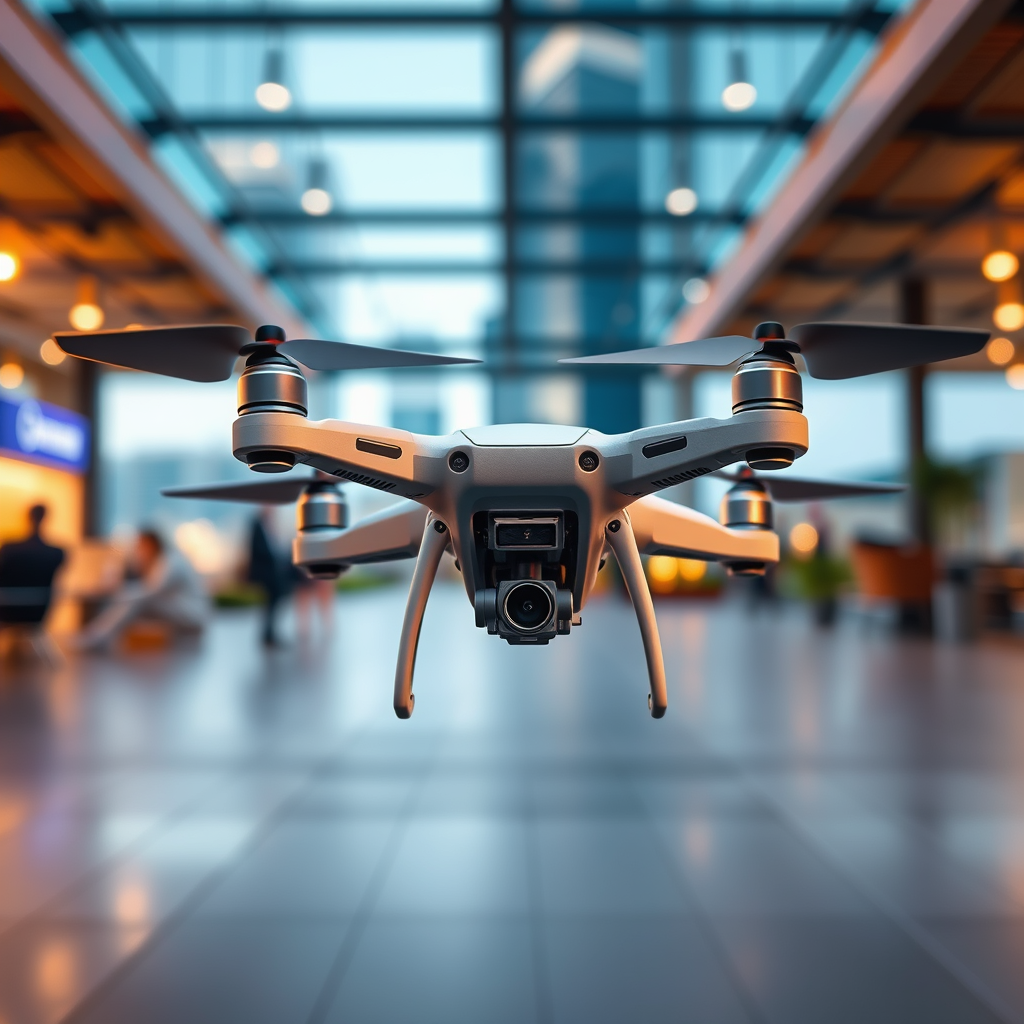
Yes, you can fly drones in Sydney, but there are specific regulations and guidelines you must follow to ensure safe and legal operation. Understanding these regulations is crucial for both recreational and commercial drone operators to avoid penalties and ensure the safety of people and property. This article will provide you with essential information on where and how you can fly drones in this vibrant city, helping you navigate the intricacies of drone use in Sydney.
Understanding Drone Regulations in Australia
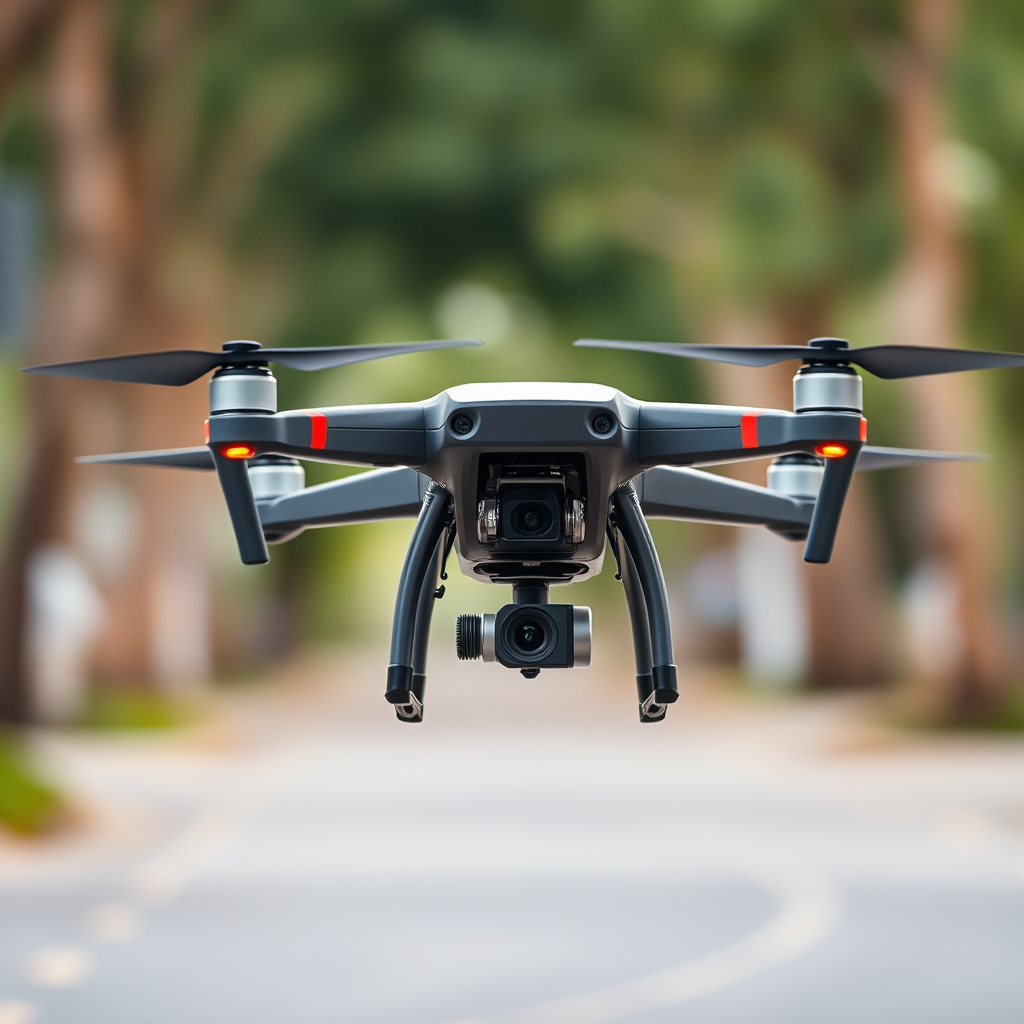
The primary governing body for drone regulations in Australia is the Civil Aviation Safety Authority (CASA). CASA sets forth a comprehensive framework aimed at ensuring the safe operation of unmanned aerial vehicles (UAVs). Under these regulations, drone operators must adhere to strict guidelines that include maintaining a maximum altitude of 120 meters (400 feet), avoiding restricted airspace, and maintaining visual line of sight with the drone at all times.
Additionally, it is imperative to be aware of local laws and guidelines that may further restrict drone operations in certain areas. Non-compliance with CASA regulations can result in significant fines and penalties, making it essential for drone operators to stay informed about both national and local laws.
Areas Where Drones Can Be Flown
Sydney offers several designated parks and open spaces that are suitable for drone flying. Popular locations include Centennial Park, Sydney Park, and the expansive areas around the Sydney Olympic Park. These areas provide ample open space and minimal air traffic, making them ideal for recreational flying.
However, there are numerous prohibited zones where drone flying is strictly forbidden. Notable examples include areas near airports such as Sydney Airport and Bankstown Airport, as well as urban centers and crowded public events. Flying in these restricted areas poses significant safety risks and legal repercussions. Additionally, drone operators should always check for updates regarding temporary flight restrictions, which may arise due to events or emergencies.
Registration and Licensing Requirements
For recreational drone operators in Australia, registration is typically not required for drones weighing less than 2 kg. However, for those flying drones that exceed this weight or those used for commercial purposes, registration becomes mandatory. The registration process is straightforward; operators must provide personal details and information about their drone to CASA.
For commercial drone use, a Remote Pilot License (RePL) is required. This entails completing a training course and passing a practical flight assessment, ensuring that operators are well-versed in safe flying practices and regulations. Moreover, obtaining a Certificate of Registration for your drone may also be necessary, depending on its weight and intended use.
Safety Guidelines for Flying Drones
Adhering to safety guidelines is paramount for responsible drone operation. One of the most critical rules is maintaining a visual line of sight with your drone at all times. This ensures that operators can effectively monitor the drone’s surroundings and respond to any potential hazards.
Additionally, flying over people and private property is restricted under CASA regulations. Operators should be cautious and respectful, avoiding crowded areas, private residences, and sensitive sites. Not only does this help prevent accidents, but it also promotes a positive relationship between drone pilots and the wider community.
Tips for Responsible Drone Operation
To ensure safe and responsible drone flying, operators should establish a routine for pre-flight checks and maintenance. This includes inspecting the drone for any signs of damage, ensuring battery levels are adequate, and verifying that all components are functioning correctly. A well-maintained drone is less likely to encounter technical issues during flight, which can lead to accidents.
Respecting the privacy of others is another vital aspect of responsible drone operation. Operators should be mindful of the potential for their drone cameras to capture images or videos of individuals without consent. It’s advisable to avoid flying in densely populated areas and to always seek permission when flying over private property.
Local Resources for Drone Pilots
Sydney boasts a variety of local clubs and communities dedicated to drone enthusiasts. Joining organizations such as the Sydney Drone Club or the Australian Drone Fishing Club can provide valuable networking opportunities, as well as access to organized events and meet-ups. Engaging with fellow drone pilots can enhance your skills and knowledge, ultimately leading to safer and more enjoyable flying experiences.
For additional support and information, numerous online resources and forums exist, such as the CASA website, which offers updates on regulations and guidelines. Online communities on platforms like Reddit or Facebook also serve as excellent places to share experiences and seek advice from fellow drone operators.
In conclusion, flying drones in Sydney is possible as long as you follow the regulations set forth by CASA and respect the local environment and communities. Being informed about where and how you can legally operate your drone, the necessary registration and licensing requirements, and the importance of safety guidelines is crucial for all drone enthusiasts. By staying educated and prepared, you can enjoy the stunning views of Sydney from the sky while contributing positively to the drone flying community.
Frequently Asked Questions
What are the regulations for flying drones in Sydney?
In Sydney, drone operators must adhere to the Civil Aviation Safety Authority (CASA) regulations. This includes flying below 120 meters, keeping the drone within visual line of sight, and avoiding flying over populated areas and near airports. Additionally, operators need to ensure their drone is registered if it weighs over 250 grams and must hold a Remote Pilot License (RePL) for commercial operations.
How do I obtain permission to fly a drone in Sydney’s national parks?
To fly a drone in Sydney’s national parks, you must first obtain a permit from the National Parks and Wildlife Service (NPWS). This usually involves submitting an application that outlines your intended use, the specific location, and the time you wish to fly. It’s essential to check the NPWS website for specific guidelines and regulations, as some areas may be completely off-limits to drone flights.
Why are there restrictions on flying drones in certain areas of Sydney?
Restrictions on flying drones in certain areas of Sydney are primarily in place to ensure public safety, protect wildlife, and preserve the natural environment. High-density urban areas, such as near airports and popular tourist attractions, pose risks of accidents and privacy violations. Additionally, some locations are designated as no-fly zones to prevent disturbances to nearby residents and wildlife habitats.
What are the best places to fly drones in Sydney?
Some of the best places to fly drones in Sydney include open spaces like Centennial Park, the expansive Sydney Olympic Park, and along the scenic coastline of Bondi Beach. These areas typically offer ample space and fewer restrictions, allowing for stunning aerial photography and videography. However, always check local regulations and ensure you’re flying in permitted zones to avoid fines.
Which drone models are suitable for beginners flying in Sydney?
For beginners flying in Sydney, models like the DJI Mini SE and the Holy Stone HS720 offer user-friendly features, good stability, and decent flight times without being overly complex. These drones are lightweight, portable, and come with built-in safety features, making them ideal for new pilots. Always ensure that the drone you choose meets CASA requirements and is suitable for your intended flying environment.
References
- https://www.civilaviation.gov.au/
- https://www.sydneyairport.com.au/airport-guide/drone-rules
- https://www.nsw.gov.au/topics/drone-regulations
- https://www.bbc.com/news/world-australia-49714485
- https://www.reuters.com/article/us-australia-drone-idUSKBN1WZ0I6
- https://www.sydney.com/destinations/sydney/sydney-surrounds/blue-mountains/using-drones-in-sydney
