
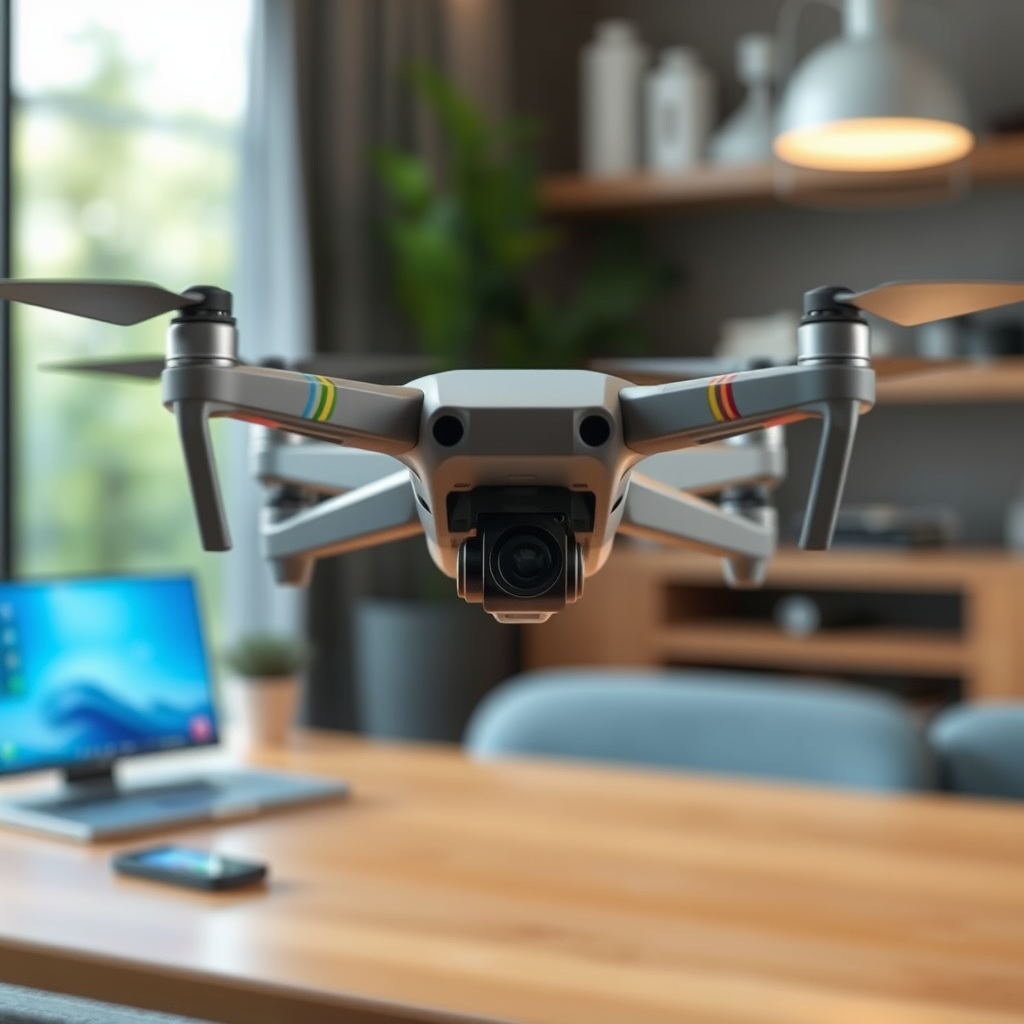
Yes, you can hear a drone at 400 feet, but the audibility depends on various factors such as the drone’s model, environmental conditions, and background noise levels. While many smaller hobbyist drones operate quietly, larger drones, especially those used for commercial purposes, can produce discernible sounds even from a significant distance. Understanding the nuances of drone noise levels and the factors that influence their audibility is essential for both drone operators and the general public.
Understanding Drone Noise Levels
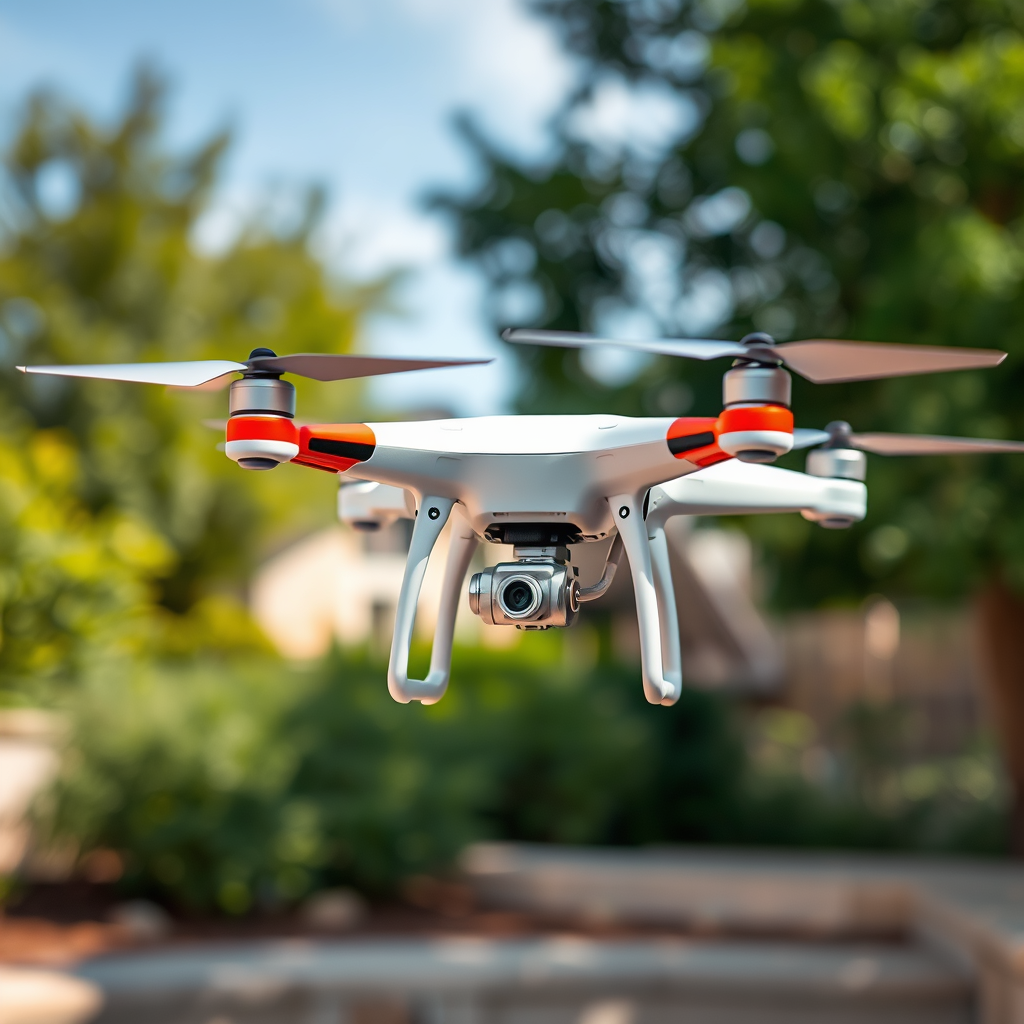
Different drone models emit varying levels of sound, which are often measured in decibels (dB). Hobbyist drones, typically designed for recreational use, tend to be quieter, often operating in the range of 60-75 dB. In contrast, commercial drones used for filming, surveying, or agricultural monitoring can reach sound levels of 80 dB or more, depending on their size and weight. For example, a DJI Phantom 4, a popular model among enthusiasts and professionals alike, produces a noise level around 70 dB, making it audible at considerable distances.
The distinction between drone types is crucial for understanding their impact on noise pollution. Smaller, lightweight drones may blend into the background noise of a serene environment, while larger, more powerful drones can disrupt the tranquility, particularly in rural or quiet suburban areas. The noise generated by a drone is primarily a result of its motors and propellers, which create turbulence as they move through the air, contributing to the overall sound profile.
Factors Affecting Audibility
Environmental factors such as wind, humidity, and terrain can significantly influence how sound travels. For instance, windy conditions can carry or distort the sound waves produced by drones, making them harder to locate. Similarly, high humidity can affect sound propagation, often resulting in a clearer transmission of sound over longer distances.
Terrain plays a pivotal role as well; a flat, open area may allow drone sounds to travel farther than hills or dense forests that can obstruct sound waves. On the other hand, background noise levels also affect audibility. In urban settings, the cacophony of traffic, construction, and other human activities can mask the sound of a drone flying overhead. Conversely, in quiet rural areas, even the faintest hum of a drone can be easily discerned, making it an important consideration for drone operators who may be flying in sensitive environments.
Distinguishing Drone Sounds
Drones typically produce a buzzing or humming sound, which can vary in pitch and volume depending on their design and operational mode. Most drones create a distinctive sound characterized by the rapid whirring of their propellers. For instance, smaller quadcopters may emit a higher-pitched sound, while larger drones, particularly those with multiple rotors, may produce a deeper, more resonant hum.
Familiarizing yourself with the sound of different types of drones can help in identifying them from a distance. Some individuals even describe the sound of drones as resembling a swarm of bees or a distant lawnmower. This understanding not only aids in identification but also raises awareness about drone activity in various settings, from parks to residential neighborhoods.
Distance and Sound Propagation
Sound diminishes with distance; at 400 feet, the sound may be faint or difficult to identify for smaller drones. The inverse square law dictates that sound intensity decreases with the square of the distance from the source. Thus, a drone flying at this altitude may be almost imperceptible if it is a smaller model.
In contrast, larger drones and those carrying heavy payloads tend to be louder and more easily heard, even at a greater distance. For example, delivery drones designed to transport packages are often equipped with powerful motors that generate more noise, making them audible from further away. Furthermore, the altitude at which a drone operates can also be a critical factor. Drones flying at lower altitudes are likely to be more audible than those at the maximum legal altitude of 400 feet, particularly if there are no obstructions in the environment.
Legal Considerations
Understanding regulations regarding drone flight can help in assessing noise complaints and community impact. Many jurisdictions have specific guidelines that limit drone operations near residential areas to minimize noise disturbance. For instance, the Federal Aviation Administration (FAA) in the United States mandates that drones must be flown below 400 feet to ensure safety and compliance with airspace regulations.
In addition to federal regulations, local laws may impose further restrictions on drone operations, particularly in urban areas where noise pollution can be a significant issue. Drone operators should familiarize themselves with these regulations to avoid potential conflicts and ensure responsible flying practices. Moreover, being aware of community attitudes towards drones can foster better relationships between operators and residents, ultimately leading to more harmonious coexistence.
Practical Tips for Identification
Observing flight patterns and behaviors can help determine if a drone is present, even if it is not clearly audible. Drones typically exhibit unique movement patterns, such as hovering, rapid ascents, or erratic flights, which can be indicators of their presence. Additionally, watching for visual cues, such as flashing lights or the drone’s silhouette against the sky, can further assist in identification.
Listening for vibrations or other indirect sounds may also indicate a drone’s proximity. For instance, the vibration of nearby surfaces or the rustling of leaves can sometimes signal the presence of a drone nearby, even if its sound is minimal. Building awareness of these signs can enhance your ability to detect drones in various environments, whether for personal interest, safety concerns, or regulatory compliance.
In conclusion, while you can hear a drone at 400 feet, various factors influence its audibility. Understanding the relationship between drone models and their sound profiles, along with environmental influences, can enhance awareness of drone activity in your area. If you’re curious about drone noise or have concerns regarding local drone usage, consider reaching out to local drone enthusiasts or regulatory bodies for more information. This knowledge can help foster a more informed and engaged community regarding the evolving presence of drones in our skies.
Frequently Asked Questions
Can you hear a drone flying at 400 feet?
Yes, you can typically hear a drone flying at 400 feet, but the audibility can vary based on several factors including wind conditions, the drone’s make and model, and your proximity to the drone. Most consumer drones operate at sound levels comparable to a quiet lawn mower, so if you’re close enough, you should be able to hear it. However, at a distance, the sound may be faint or even inaudible, especially in a noisy environment.
What factors affect the sound of a drone at 400 feet?
Several factors influence how well you can hear a drone at 400 feet, including its size, design, and motor type. Larger drones often produce more noise due to their powerful propellers, while smaller, quieter models may be less noticeable. Environmental factors like wind speed and direction, as well as background noise from urban areas or nature, also play a significant role in sound perception.
Why do some drones seem quieter than others when flying at high altitudes?
The perceived loudness of a drone can depend on its design and the materials used in construction. Drones that are built with noise-reducing features, such as quieter propellers or advanced motor technology, tend to produce less sound. Furthermore, the altitude at which the drone is flying affects how sound travels; sound dissipates over distance, which may make higher-flying drones seem quieter.
How can I identify a drone flying above me?
Identifying a drone flying at 400 feet can be challenging, but there are a few indicators. Look for visual cues like the drone’s silhouette against the sky, blinking lights, or its movement patterns. Additionally, listening for the distinct buzzing or whirring sounds associated with drone propellers can help confirm its presence. If you suspect a drone is nearby, consider using a smartphone app designed to detect drone activity.
What is the best way to reduce noise from a drone flying at 400 feet?
To reduce noise perception from a drone flying at 400 feet, operators can implement various strategies. Choosing drones with quieter propeller designs, using noise-dampening materials, and maintaining optimal battery levels can help minimize sound. Additionally, flying during times of lower atmospheric noise or in less populated areas can also lessen the impact of drone noise on surrounding communities.
References
- https://en.wikipedia.org/wiki/Drone
- https://www.faa.gov/uas/resources/publications/
- https://www.ncbi.nlm.nih.gov/pmc/articles/PMC7351715/
- https://www.sciencedirect.com/science/article/pii/S2096579619300765
- https://www.researchgate.net/publication/337894300_Sound_of_Drones
- https://www.nytimes.com/2020/01/14/us/drone-noise.html
- https://www.theguardian.com/us-news/2019/jun/15/drones-noise-pollution-impact-environment
- https://www.ncbi.nlm.nih.gov/books/NBK541042/
