
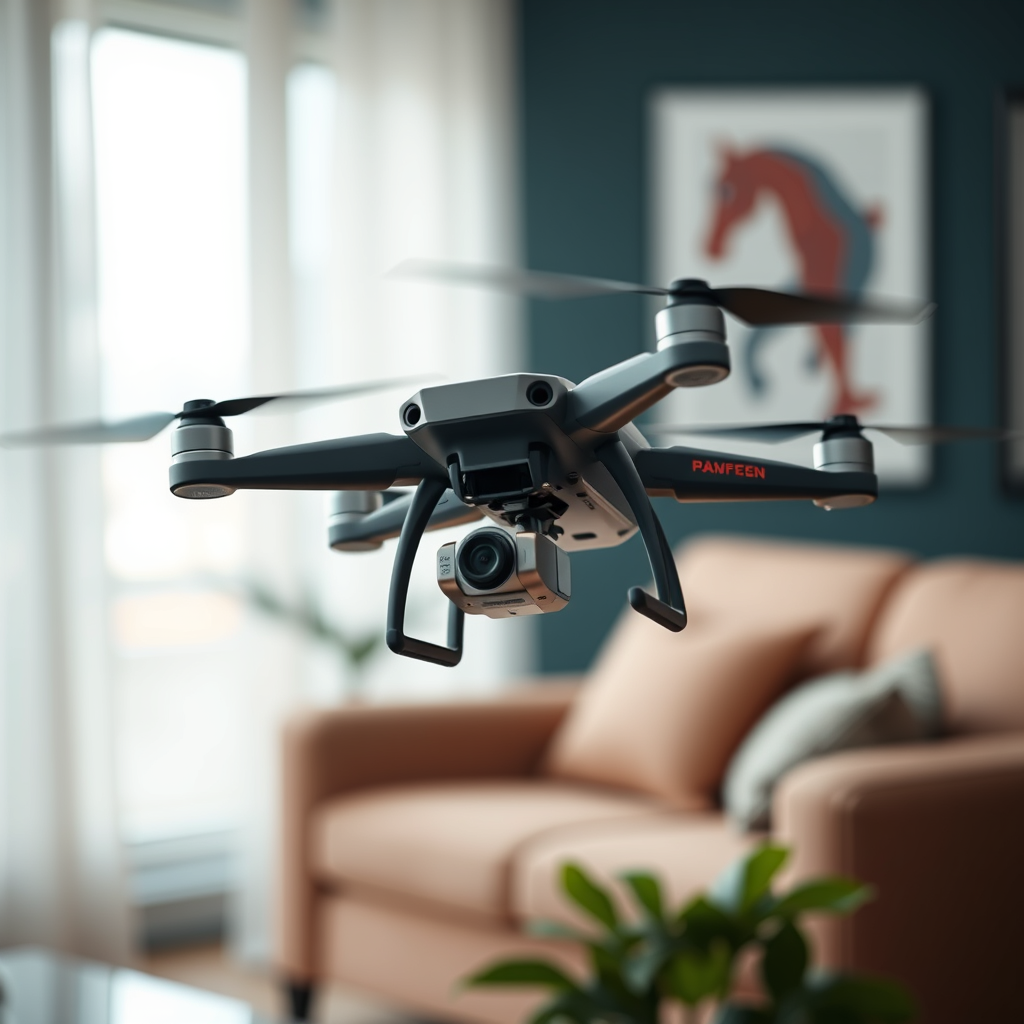
You cannot legally shoot at drones in most jurisdictions, as it poses significant safety risks and legal consequences. While the frustration of unauthorized drone surveillance or trespassing can be overwhelming, resorting to shooting down a drone is not only illegal but also dangerous. Understanding the complexities of drone regulations, the risks involved, and the consequences of such actions is crucial for anyone who may be tempted to take this drastic measure.
Understanding Drone Regulations
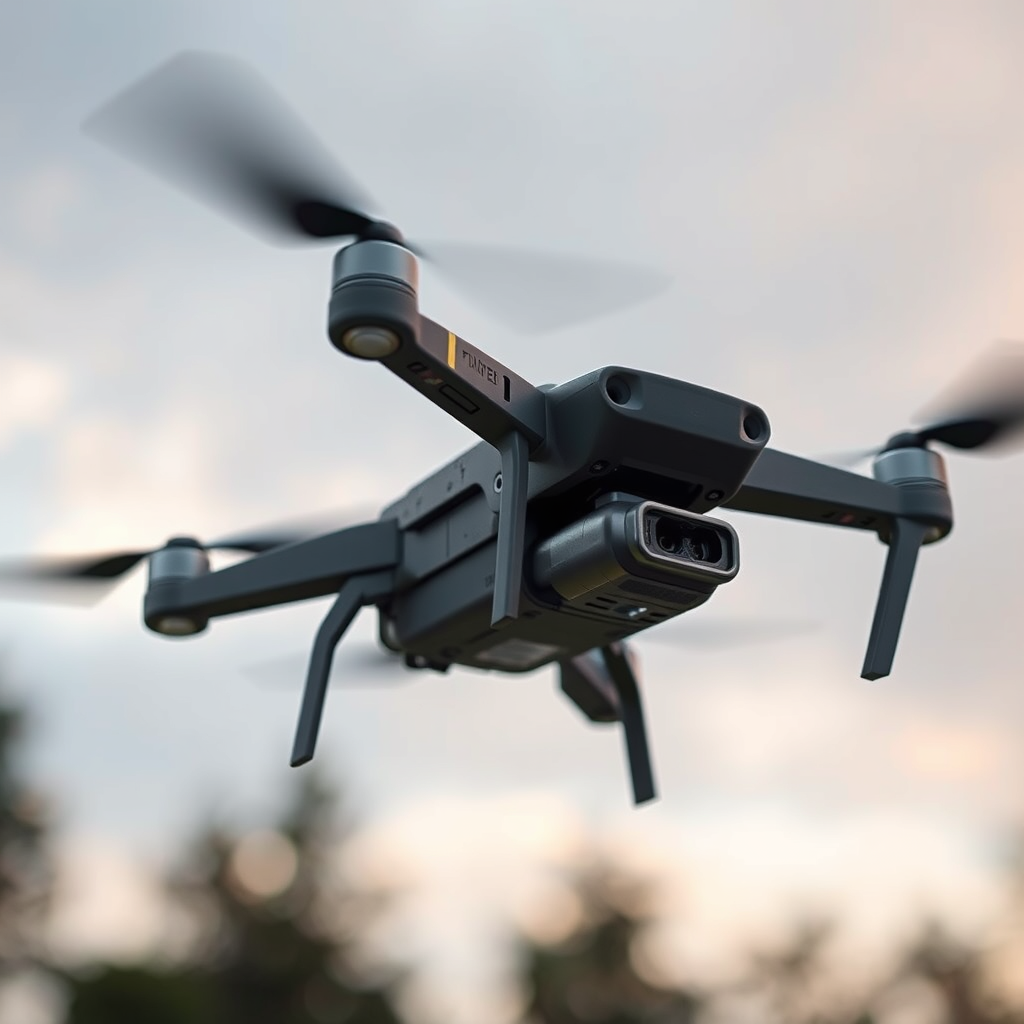
Many countries have strict laws prohibiting the interference with drones, classifying them as aircraft under aviation regulations. In the United States, for example, the Federal Aviation Administration (FAA) regulates the airspace and has established clear guidelines for drone operators. Shooting at a drone can be seen as an act of endangerment, as it poses a risk not just to the drone itself but also to other aircraft, people on the ground, and property. Countries like Canada and the UK have similar regulations that classify drones as aircraft and mandate that any interference can lead to substantial penalties.
Additionally, various state and local laws further complicate this issue, often imposing additional restrictions and potential criminal charges for those who attempt to shoot down a drone. For instance, in California, shooting at a drone can result in felony charges, particularly if the action is deemed reckless. Thus, understanding local drone laws is essential for anyone considering any form of intervention.
The Risks of Shooting at Drones
Shooting at drones carries significant risks, primarily the potential to harm people or property nearby. Bullets fired into the air can have unpredictable trajectories, and the consequences can be dire. According to the National Safety Council, stray bullets injure or kill people every year in the U.S., underscoring the inherent dangers of discharging a firearm in populated areas.
Moreover, drones often fly in urban settings or near residential neighborhoods. The risk of injuring bystanders or damaging property, such as cars or homes, escalates significantly with the discharge of a weapon. A single errant bullet can cause catastrophic outcomes, leading to injury or even loss of life, which not only carries moral implications but also legal ramifications.
Alternative Ways to Address Drone Concerns
Instead of resorting to shooting at drones, individuals concerned about unauthorized drone activity should consider reporting the issue to local authorities. Law enforcement agencies or aviation authorities are better equipped to handle drone-related concerns. Many communities also have dedicated departments to deal with aerial trespassing and can take appropriate action without jeopardizing public safety.
Another alternative is utilizing technological solutions, such as drone jammers, where legal. These devices can disrupt the communication between the drone and its operator, effectively grounding the drone without physical confrontation. However, it is crucial to note that the legality of using such devices varies by jurisdiction, and some areas have strict regulations against their use due to concerns about airspace safety and interference with legitimate drone operations.
The Impact of Shooting on Drone Technology
Damaging a drone can lead to loss of significant data and technology, particularly if the drone is being used for commercial purposes. Many businesses rely on drones for aerial photography, surveying, or delivery services. Destroying a drone not only results in the immediate financial loss of the equipment but also impacts the business’s operations and data integrity.
Furthermore, drones are often equipped with advanced technology, including cameras and sensors that may be crucial for various applications. By shooting down a drone, you risk losing sensitive information and potentially infringing on intellectual property rights. The costs associated with replacing the drone, recovering lost data, and facing legal action can far outweigh any perceived benefits of taking such drastic measures.
Legal Consequences of Shooting at Drones
The legal consequences of shooting at drones can be severe, as violating aviation laws can result in hefty fines and imprisonment. In the United States, for instance, the FAA has the authority to impose civil penalties for shooting down drones, which can reach thousands of dollars. Additionally, criminal charges can include recklessness, endangerment, and destruction of property.
It is essential to understand local laws before taking any action against a drone. For example, in states like Texas, while there may be laws permitting property owners to protect their property, shooting at a drone can still lead to legal consequences if the action is deemed disproportionate or reckless. Therefore, consulting legal professionals or local statutes is advisable to avoid unintended repercussions.
Personal Safety Considerations
Engaging with drones can escalate conflicts and lead to dangerous situations, both for the individual taking action and for others nearby. Confrontations over drone activity can quickly become volatile, especially if the drone operator feels threatened. Prioritizing personal safety for yourself and others is crucial in any encounter with a drone.
Instead of confrontation, consider peaceful resolution methods, such as reaching out to the drone operator if identifiable, or seeking mediation through local authorities. Promoting dialogue about drone use can lead to understanding and potentially resolving conflicts without resorting to harmful or illegal actions.
In summary, shooting at drones is generally illegal and poses numerous risks, both legally and personally. If you’re facing issues with drones, exploring lawful and safe alternatives is the best approach. Always stay informed about local laws and prioritize safety and responsibility. Engaging with your community and authorities can lead to constructive solutions that respect the rights of all parties involved.
Frequently Asked Questions
Can you legally shoot down a drone invading your privacy?
Legally shooting down a drone can lead to significant legal repercussions, as it is generally prohibited to damage or destroy someone else’s property, including drones. In many jurisdictions, shooting down a drone may be considered a criminal offense or civil liability. If you believe a drone is invading your privacy, it’s advisable to report it to local authorities rather than taking matters into your own hands.
What are the consequences of shooting at a drone?
The consequences of shooting at a drone can vary widely depending on local laws but often include criminal charges, fines, and potential civil lawsuits from the drone’s owner. Additionally, discharging a firearm in many areas is subject to strict regulations, and you could inadvertently endanger others, leading to severe legal implications. It’s crucial to understand the legal framework in your area before considering any action against a drone.
How can I protect my property from drones without shooting them down?
To protect your property from unwanted drones, consider using anti-drone technology such as signal jammers or drone detection systems, which can alert you to their presence without causing damage. Additionally, establishing physical barriers and privacy screens, or even talking to neighbors about potential drone surveillance, can help mitigate privacy concerns. Familiarizing yourself with local laws regarding drones can also empower you to take appropriate action.
Why are shooting down drones illegal in most places?
Shooting down drones is illegal in most places primarily because drones are considered aircraft under federal law, and damaging them can endanger public safety. Laws are in place to protect not only the drone operators’ rights but also surrounding communities from the risks associated with firearms discharges. The Federal Aviation Administration (FAA) and other local regulations emphasize safety and responsibility when it comes to aerial vehicles.
What should I do if a drone is flying over my property?
If a drone is flying over your property, the first step is to assess the situation calmly and determine whether it poses a threat to your privacy or safety. Document the drone’s activity, including photos or videos, and check local regulations about drone flights. If you feel uncomfortable, contact local law enforcement or the FAA to report the drone, as they can provide guidance on how to handle the situation appropriately.
References
- https://en.wikipedia.org/wiki/Drone#Legal_issues
- https://www.faa.gov/uas/resources/policy_documents/
- https://www.theguardian.com/technology/2022/jun/09/us-drone-laws-what-you-need-to-know
- https://www.nytimes.com/2021/05/25/us/drone-regulations.html
- https://www.forbes.com/sites/forbestechcouncil/2021/10/20/what-are-the-laws-regarding-shooting-down-drones/?sh=5e2a8e4d1c07
- https://www.abc.net.au/news/2020-12-03/can-you-shoot-a-drone-over-your-property/12946772
- https://www.nolo.com/legal-encyclopedia/can-you-shoot-down-drone-32942.html
