

Yes, you can fly a drone in cold weather, but there are important considerations to keep in mind to ensure safe and effective operation. Understanding how temperature affects drone performance and taking necessary precautions can help you enjoy your flying experience even in chilly conditions. Cold weather presents unique challenges that can impact battery life, mechanical performance, and overall safety. By preparing your drone properly and adhering to best practices, you can successfully navigate these challenges and maximize your flying experience in winter.
Understanding Cold Weather Effects on Drones
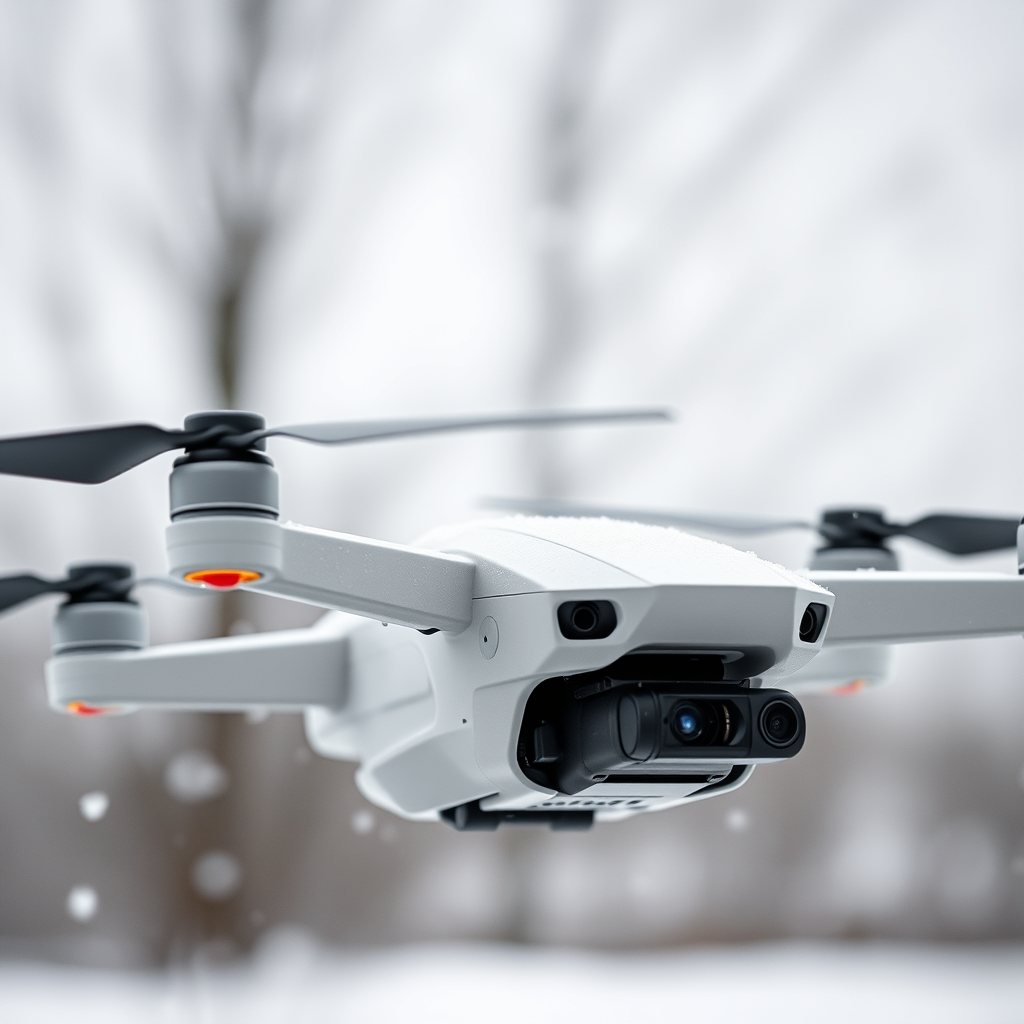
Cold temperatures can significantly reduce battery life, leading to shorter flight times. Lithium-polymer (LiPo) batteries, commonly used in drones, are particularly susceptible to temperature fluctuations. As the temperature drops, the chemical reactions within the battery slow down, resulting in diminished capacity and a potential loss of power during flight. For instance, a battery that typically offers a flight time of 25 minutes in moderate temperatures may only provide 15-20 minutes in sub-zero conditions. This can lead to unexpected landings and, in some cases, crashes if the pilot is not aware of the reduced battery performance.
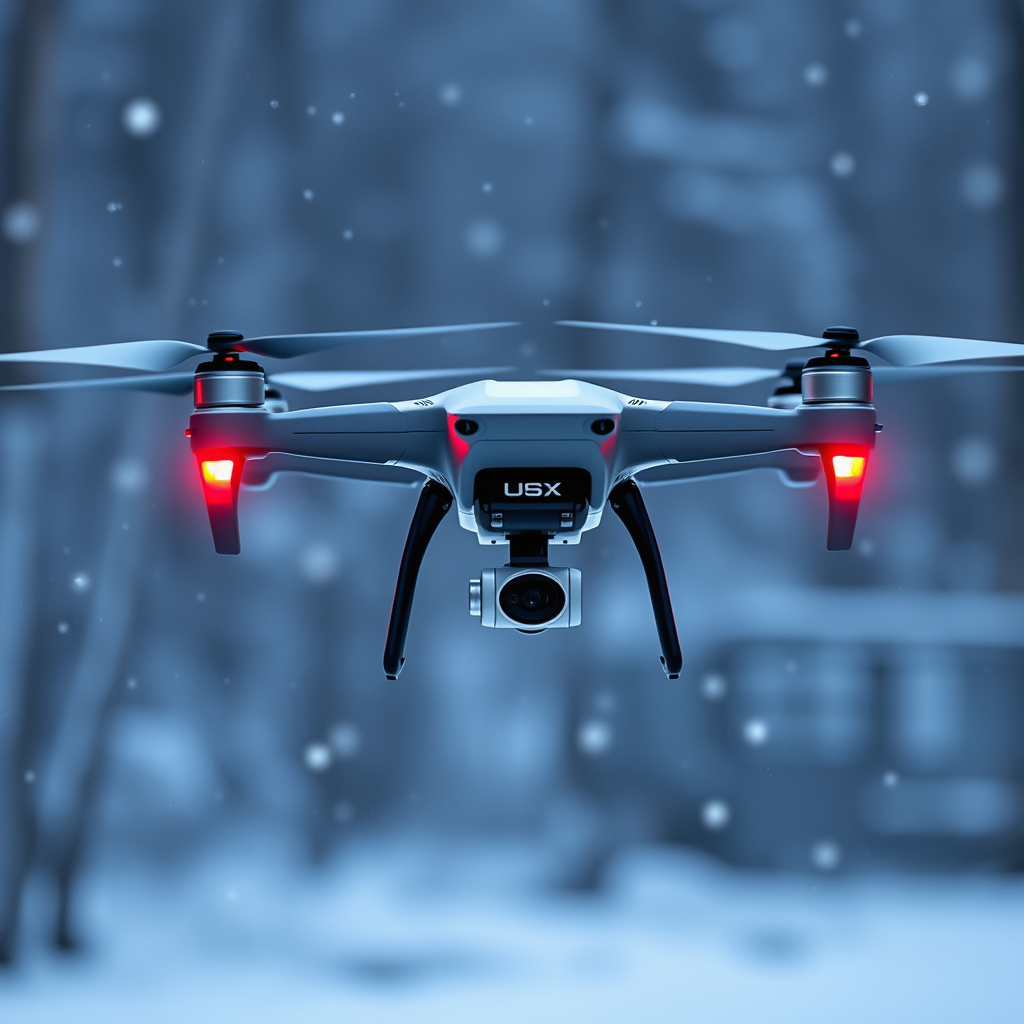
Additionally, the drone’s components, such as motors and sensors, may perform suboptimally in extreme cold. Cold weather can cause lubricants to thicken, increasing friction in the motors and potentially leading to overheating or mechanical failure. Sensors may also be less responsive, affecting the drone’s ability to stabilize itself or navigate accurately. Understanding these effects is crucial for any pilot looking to operate their drone in colder environments.
Preparing Your Drone for Cold Weather
Preparation is key to ensuring successful drone operation in cold weather. One of the most critical steps is to keep batteries warm before flight. Storing them in an insulated bag or even in a pocket close to your body can help maintain their optimal operating temperature. Some drone pilots recommend using battery warmers or heat packs specifically designed for this purpose to prolong battery life during flights.
Another important aspect of preparation is to inspect your drone for any signs of wear or damage that could be exacerbated by cold conditions. Before each flight, check the propellers, motors, and body for cracks or defects that may worsen in lower temperatures. Additionally, ensure that all connections are secure and that the drone’s firmware is up to date, as manufacturer updates often include performance improvements for cold weather operations.
Tips for Flying Drones in Cold Conditions
When flying in cold conditions, it’s advisable to limit flight duration to avoid battery failure. Planning shorter flights with safe return times is essential to prevent being caught in a situation where the drone cannot return due to power loss. For example, if your drone typically has a 20-minute flight time, consider limiting your sessions to 10-15 minutes in cold weather to allow for a safe return home.
Monitoring battery voltage closely during flight is another crucial tip. Most modern drones provide real-time telemetry data, allowing pilots to keep an eye on battery levels. If you notice a significant drop in voltage or a warning from the drone, it’s wise to land immediately to avoid a forced landing that could result in damage.
Safety Precautions While Flying in the Cold
Flying in cold weather necessitates additional safety precautions. One of the most important is to avoid flying in extreme winds, which can be more pronounced in cold conditions. High winds can make controlling the drone significantly more difficult and can increase the risk of accidents, especially if the drone is already operating at reduced battery capacity.
Moreover, it’s essential to be aware of ice and snow accumulation on the drone, which can affect stability and control. Ice can weigh down the drone, alter its center of gravity, and impede rotor function. Regularly checking for ice buildup during your flight and landing promptly if you notice any is crucial for maintaining safety.
Legal Considerations for Winter Drone Flying
When planning to fly your drone in winter conditions, it’s imperative to check local regulations regarding drone operation in these environments. Some municipalities may have specific restrictions or guidelines that apply to flying during winter months, particularly in areas prone to heavy snowfall or ice. For instance, flying near airports or populated areas may come with additional regulations to ensure safety.
Additionally, maintaining proper distance from people and property is critical, especially since ice can make landings tricky. Pilots should adopt a conservative approach, allowing for ample space to account for potential landing difficulties caused by slippery conditions or unexpected gusts of wind.
Post-Flight Care for Drones in Cold Weather
After landing, proper post-flight care is essential to prolong your drone’s lifespan and maintain its performance. One crucial step is to warm up the drone and batteries gradually. Bringing the drone into a warmer environment without sudden temperature changes can help prevent condensation from forming on sensitive electronic components. Sudden temperature shifts can lead to moisture buildup, which can damage the drone’s internal systems.
Additionally, cleaning off any snow or ice accumulated during the flight is vital. This not only protects the drone’s components but also helps ensure that the drone is ready for its next outing. Use a soft cloth to remove any moisture and inspect for any signs of wear or damage that may have occurred during the flight.
In conclusion, flying a drone in cold weather is indeed possible, but it requires careful preparation and awareness of the unique challenges that low temperatures present. From understanding the effects of cold on battery life and drone performance to taking necessary safety precautions and adhering to legal guidelines, pilots must be proactive in their approach. By following these best practices and conducting regular equipment checks, you can enjoy a successful and safe flying experience even in winter conditions. Prioritize safety, stay informed about local regulations, and ensure your drone is well-prepared for the challenges of cold weather flying.
Frequently Asked Questions
Can you fly a drone in cold weather?
Yes, you can fly a drone in cold weather, but there are several factors to consider. Cold temperatures can affect battery performance, reducing flight time and overall drone efficiency. It’s important to monitor the battery levels closely and keep your drone warm before flying to ensure optimal performance.
What are the effects of cold weather on drone batteries?
Cold weather significantly impacts drone batteries, typically lithium polymer (LiPo) batteries, by reducing their capacity and voltage. In frigid temperatures, the chemical reactions within the battery slow down, leading to a decrease in flight time and potential issues like battery failure. To mitigate these effects, store batteries warm and consider using battery warmers during flights.
How should I prepare my drone for flying in cold temperatures?
To prepare your drone for cold weather flying, start by fully charging your batteries and ensuring they are at room temperature before use. Additionally, check for firmware updates, inspect propellers for any damage, and ensure all components are functioning properly. It’s also advisable to fly in a clear, calm area to avoid wind and potential hazards.
Why is it important to check weather conditions before flying a drone in winter?
Checking weather conditions is crucial when flying a drone in winter due to potential hazards like snow, ice, and strong winds that can impair visibility and affect drone control. Adverse weather can lead to crashes and damage to your drone. Always ensure that conditions are safe and suitable for flying to protect both your aircraft and the surrounding environment.
What are the best practices for flying a drone in snowy conditions?
The best practices for flying a drone in snowy conditions include keeping the drone dry by avoiding flying directly in snowfall, using anti-ice coatings, and maintaining visibility. Additionally, it’s wise to avoid flying over ice-covered bodies of water, as losing a drone in such conditions can be challenging. Always keep the drone within line of sight and be aware of battery performance, as cold weather can cause rapid power drain.
References
- https://www.faa.gov/uas/getting_started/remote_id
- https://www.dronepilotgroundschool.com/drone-flying-in-cold-weather/
- https://www.nsf.gov/news/special_reports/drones/
- https://www.nasa.gov/aero/faq-drone-safety
- https://www.uavcoach.com/drone-weather-tips/
- https://www.sciencedirect.com/science/article/abs/pii/S0167779919302584
- https://www.abc.net.au/news/2021-06-11/drones-cold-weather-flying-tips/100162650
- https://www.weather.gov/safety/drone
