
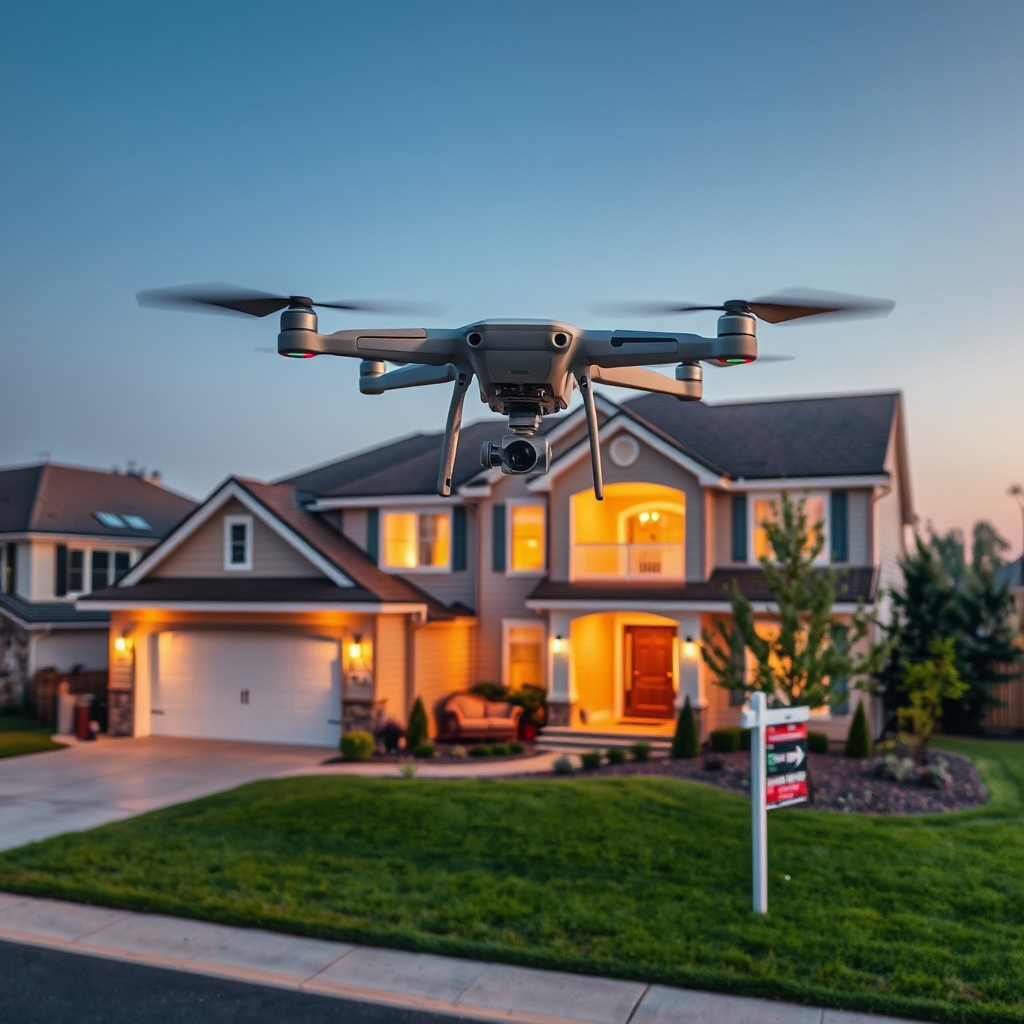
You generally cannot shoot down a drone over your property due to legal and safety concerns. Attempting to do so can lead to serious legal repercussions, including criminal charges and civil lawsuits. Understanding the complex landscape of drone regulations and property rights is essential for anyone dealing with intrusive drones. This article will explore the regulations, implications, and alternative options for addressing drone incursions into your airspace.
Understanding Drone Laws
Drones, or unmanned aerial vehicles (UAVs), are subject to a variety of federal regulations, primarily enforced by the Federal Aviation Administration (FAA). The FAA has established guidelines that govern where and how drones can operate, including restrictions on flying over private property without permission. In the United States, it is illegal to shoot down a drone, as doing so violates federal airspace regulations. The FAA classifies drones as aircraft, and damaging or destroying an aircraft can lead to serious criminal charges, including felonies resulting in significant fines or imprisonment.
Moreover, the legal framework surrounding drones is continually evolving, with various states implementing additional regulations that can complicate the issue further. For instance, some states have passed laws prohibiting the use of drones to invade privacy or surveil individuals without consent, but these laws do not grant property owners the right to destroy or disable drones. Therefore, it is crucial to stay informed about both federal and state regulations regarding drone usage and property rights to prevent any legal missteps.
Property Rights and Airspace
Property rights are a foundational concept in real estate law, allowing individuals to control and use their land. However, these rights do not extend indefinitely into the air above the property. The legal principle of “navigable airspace” holds that airspace above a certain altitude (generally 500 feet in populated areas) is regulated by the FAA and is considered public airspace. This means that while you have the right to the land beneath your feet, you do not have ownership over the airspace above it, making shooting down a drone legally problematic.
This distinction between property rights and airspace ownership is further complicated by the rise of drone technology. Drones can operate at various altitudes, often flying below the navigable airspace threshold. While you may feel justified in defending your property from what you perceive as an invasion, the law does not support the notion that you have the right to destroy an object that is legally operating within public airspace. As such, understanding these nuances is key to addressing drone-related issues responsibly.
Potential Consequences of Shooting a Drone
Shooting down a drone can lead to a myriad of legal consequences. First and foremost, the drone’s owner may pursue civil litigation against you for damages to their property. In many cases, these drones can be quite expensive, and you could be liable for the full cost of the drone, as well as any additional damages associated with its destruction. Furthermore, if the drone was being operated in a manner that violated specific regulations, the owner might also face penalties, but that does not absolve you of legal responsibility for your actions.
Criminal charges are another significant risk associated with shooting a drone. Depending on the circumstances, you could face charges related to the destruction of property, discharge of a firearm, or even federal aviation violations. These charges can lead to hefty fines, community service, or even jail time. Additionally, if your actions inadvertently cause harm to bystanders or damage to other property, the civil liabilities can multiply, resulting in even more severe financial repercussions. Thus, the potential consequences of shooting a drone far outweigh any perceived benefits.
Alternatives to Shooting Down a Drone
Rather than resorting to the drastic measure of shooting down a drone, there are several non-destructive and legally compliant alternatives to consider. One effective approach is to contact local authorities, such as law enforcement or the FAA, to report unauthorized drone activity. These organizations are equipped to handle such situations and can take appropriate action against the operator if necessary.
Another option is to invest in a drone detection system that can help identify and monitor drone activity in your vicinity. These systems can provide valuable information about the drone’s location and operator, allowing you to take informed action without resorting to destruction. Additionally, if you can identify the drone operator, engaging them in a calm and respectful conversation can lead to amicable resolutions. Often, drone pilots may not be aware of the privacy implications of their flights and may be willing to adjust their flight paths to respect your property.
Reporting Drone Incidents
When faced with unauthorized drone activity, it is essential to report the incident to the appropriate authorities. Local law enforcement agencies can investigate complaints about privacy violations or harassment, while the FAA can take action against operators who violate drone regulations. When reporting an incident, be sure to document the occurrence thoroughly; capturing photos or videos of the drone in question can serve as crucial evidence in any subsequent investigation.
In addition to documenting the incident, familiarize yourself with local laws regarding drone use and privacy. Many regions have specific ordinances that address drone flight in residential areas, and knowing these can help you advocate for your rights effectively. Keeping a record of drone encounters can also help establish a pattern of behavior if the issue persists.
Community and Privacy Concerns
As drones become increasingly prevalent, concerns about privacy and community impact are rising. The proliferation of drones can lead to significant privacy invasions, as they are equipped with high-definition cameras capable of capturing images and videos without consent. Understanding the balance between embracing technological advancements and protecting individual privacy is crucial for communities.
Advocating for stronger regulations on drone usage can be a proactive measure to address these concerns. Engaging with local government officials and participating in community meetings can help raise awareness about the need for policies that protect residents’ privacy rights. By promoting responsible drone use and encouraging compliance with existing laws, communities can work towards a more harmonious coexistence with this evolving technology.
In conclusion, while the desire to protect your property from intrusive drones is understandable, shooting one down is fraught with legal risks and potential consequences that can outweigh the benefits. It is crucial to explore alternative solutions, such as reporting the incident, engaging the drone operator, or utilizing detection systems, and to understand your rights and responsibilities regarding drone use in your area. If drone-related issues persist, consulting with a legal expert can provide clarity and guidance on navigating the complex landscape of aerial privacy and property rights.
Frequently Asked Questions
What are the legal implications of shooting down a drone over my property?
Shooting down a drone is illegal in most jurisdictions due to laws regarding the use of firearms and airspace. Engaging in such actions can result in serious legal consequences, including criminal charges and civil liabilities. It’s essential to understand that even if the drone is flying over your property, it often falls under federal regulations, such as those enforced by the Federal Aviation Administration (FAA), which protects the airspace.
How can I protect my privacy from drones flying over my property?
To protect your privacy from drones, consider installing privacy fences, using landscaping to obstruct views, and being vocal about your concerns if you suspect someone is operating a drone without permission. In some cases, local laws may offer recourse against invasive drone surveillance, so it’s advisable to consult with legal experts to explore your options for privacy protection.
Why are drones allowed to fly over my property?
Drones are typically allowed to fly over private property because airspace is regulated at the federal level by the FAA. As per these regulations, as long as the drone operator complies with local laws and the drone is flying at an appropriate altitude, they can legally operate their drones in public airspace, even if that means flying over private properties.
What should I do if I feel threatened by a drone over my property?
If you feel threatened by a drone, the first step is to document the situation by taking photos or videos of the drone and its operator, if possible. You should then report the incident to local authorities, as they can help determine if the drone activity violates any laws or regulations. Always prioritize your safety and avoid any confrontational actions.
Which alternatives exist to shooting down a drone over my property?
Instead of resorting to shooting down a drone, consider alternatives like using a drone detection system to monitor drone activity or contacting local law enforcement if you believe the drone is invading your privacy. Additionally, engaging with the drone operator directly may help resolve the situation amicably, as they might not be aware of your concerns regarding their presence.
References
- https://www.wired.com/story/can-you-shoot-down-a-drone-over-your-property/
- https://www.nolo.com/legal-encyclopedia/can-you-shoot-down-drone-your-property-29760.html
- https://www.lawfareblog.com/can-you-shoot-down-drone-your-property
- https://www.theguardian.com/us-news/2020/jun/18/drone-privacy-laws-shooting-down
- https://www.upenn.edu/pennnews/news/2021-03-17/what-your-rights-are-when-it-comes-drones-and-your-property
- https://www.ncsl.org/research/civil-and-criminal-justice/drone-laws.aspx
- https://www.bbc.com/news/world-us-canada-54139424
