
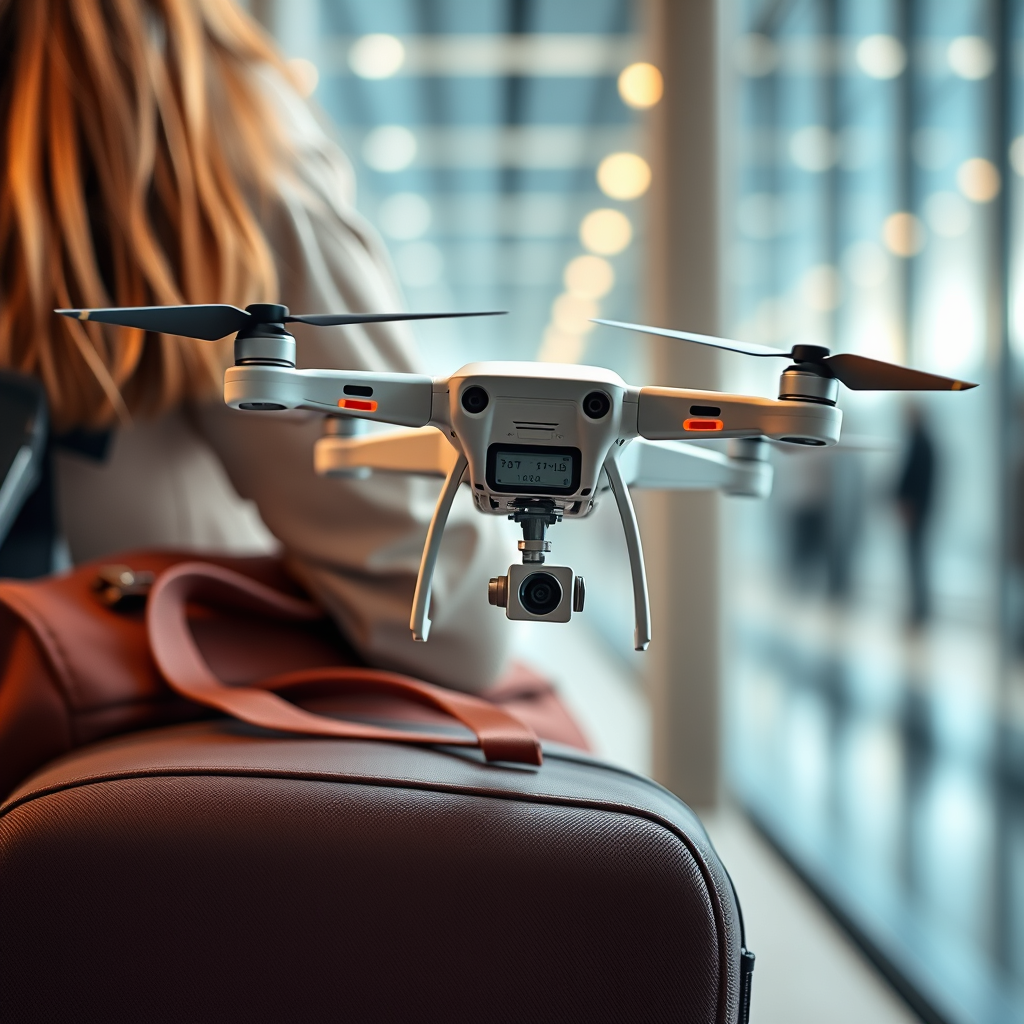
Yes, you can generally take a drone in your hand luggage, but it’s important to follow specific airline regulations and local laws. Each airline may have different policies regarding battery size, weight limits, and the types of drones allowed. Understanding these regulations will help ensure a smooth travel experience and mitigate any potential issues at the airport or upon arrival at your destination.
Airline Regulations for Drones
When traveling with a drone, the first step is to check the specific policies of the airline you are flying with. Airlines often have unique regulations surrounding the transport of drones, which can include restrictions on the size and weight of the drone itself, as well as the total weight of your hand luggage. For instance, while most commercial drones are compact enough to fit into overhead compartments or under the seat, some larger models may exceed the size limits set by airlines.
Moreover, some airlines may have specific requirements regarding the type of drones allowed in the cabin. For example, airlines might prohibit drones that include certain hazardous materials or components. To avoid complications, it’s prudent to visit the airline’s official website or contact their customer service for the most accurate and up-to-date information about their drone transport policies.
Battery Rules and Safety
One of the most critical aspects of traveling with a drone involves the batteries that power them. Most airlines adhere to strict guidelines regarding lithium batteries, which are commonly used in drones. Generally, airlines limit battery capacity to 100 watt-hours (Wh) for carry-on baggage. Batteries exceeding this limit typically need to be checked in or may not be allowed at all.
To ensure compliance and safety, it is advisable to store lithium batteries in protective cases to prevent short-circuiting. Many manufacturers provide specialized battery cases designed for this purpose. Additionally, consider carrying spare batteries in your hand luggage as most airlines allow a limited number of spare batteries, typically up to two or three, as long as they fall within the allowed capacity. Always check your airline’s specific regulations regarding spare batteries before you travel.
Security Screening Procedures
Navigating airport security can be one of the more stressful aspects of traveling with a drone. Be prepared for the possibility of needing to remove your drone from your bag during the screening process. Security personnel may want to inspect the drone more closely to ensure it does not pose any threats.
It’s also essential to follow the Transportation Security Administration (TSA) guidelines for electronic devices. The TSA recommends that travelers keep their electronics easily accessible, which includes drones. Ensure that the drone is free of any attached accessories, like propellers or batteries, that could complicate the screening process.
International Travel Considerations
When traveling internationally with a drone, it is crucial to research and understand the regulations governing drone use in your destination country. Different countries have varying laws regarding drone operation, which can include registration requirements, altitude restrictions, and designated no-fly zones. For example, countries like Australia and Canada have specific guidelines that demand drone operators to register their drones if they exceed a particular weight or are used for commercial purposes.
Additionally, upon arrival, some countries require you to declare your drone to customs. Failure to do so may result in fines or confiscation of your equipment. To avoid any legal issues, familiarize yourself with the local regulations, and consider reaching out to local authorities or drone enthusiast groups for further guidance.
Tips for Traveling with a Drone
To ensure your drone remains safe and functional throughout your travels, consider utilizing a hard case designed specifically for drones. These cases provide robust protection against impacts and rough handling during transit. Moreover, they often come with customizable foam inserts that secure the drone and all of its components, minimizing the risk of damage.
Keeping your accessories organized is equally important. Use pouches or small organizers to separate extra batteries, propellers, chargers, and other essential components. This not only simplifies packing but also makes the security screening process more efficient, as you can quickly access any item required for inspection.
Common Mistakes to Avoid
Traveling with a drone can be straightforward if you remain vigilant and organized. However, some common mistakes can lead to unnecessary headaches. One of the most significant errors is ignoring airline updates. Regulations can change frequently, so always check for any travel advisories or changes in policy shortly before your flight.
Another common misstep is neglecting to register your drone, if required by law. Failing to register can result in fines and complications, particularly in countries with strict drone regulations. Always verify registration requirements for both your home country and your destination to ensure compliance.
In summary, taking a drone in hand luggage is indeed possible, but it requires careful planning and adherence to regulations. By knowing the rules, preparing adequately, and staying informed about airline policies and local laws, you can enjoy a hassle-free travel experience with your drone. Always verify the latest guidelines before your trip to avoid any surprises that could disrupt your plans.
Frequently Asked Questions
Can you take a drone in hand luggage on a plane?
Yes, you can typically take a drone in hand luggage when flying, but there are specific regulations that vary by airline and country. Most airlines allow drones in carry-on bags as long as their battery capacity does not exceed the restrictions set by the International Air Transport Association (IATA), which is usually up to 160 watt-hours for lithium batteries. Always check with your airline for their specific policies regarding drones and batteries to avoid any issues at security.
What are the regulations for carrying a drone in hand luggage internationally?
When carrying a drone in hand luggage internationally, regulations can differ significantly between countries. Many countries require you to declare your drone at customs, and some may have restrictions on the type of drone or its battery capacity. It is essential to research the drone regulations of your destination country to ensure compliance and to avoid potential fines or confiscation of your drone.
How should I pack my drone in hand luggage to ensure it’s safe?
To pack your drone safely in hand luggage, disassemble any removable parts such as propellers and place them in protective cases or pouches. Use a padded bag or dedicated drone backpack to cushion the drone and its components from impacts. Ensure that batteries are stored according to airline regulations, often in a fireproof bag or case, and keep them in your carry-on luggage rather than checked baggage for safety.
Why do some airlines have restrictions on taking drones in hand luggage?
Airlines impose restrictions on taking drones in hand luggage primarily due to safety concerns regarding lithium batteries and potential security risks. Lithium batteries can pose a fire hazard if damaged or improperly handled, which is why they often have strict regulations on their capacity and placement. Additionally, drones can be viewed as potential security risks, prompting airlines to enforce rules for transport to ensure passenger safety.
Which drone models are commonly allowed in hand luggage?
Most consumer drones, especially those that are compact and lightweight, are typically allowed in hand luggage. Popular models like the DJI Mavic series, Parrot Anafi, and other foldable drones are often permitted, given their smaller size and lower battery capacity. However, always check the specific regulations of your airline and the airport security guidelines to confirm that your particular drone model can be taken on board.
References
- https://www.faa.gov/uas/getting_started/know_before_you_fly
- https://www.tsa.gov/travel/security-screening/whatcanibring/items/drone
- https://www.gov.uk/guidance/drone-safety
- https://www.nytimes.com/2020/12/17/travel/drones-air-travel.html
- https://www.theguardian.com/travel/2021/jun/30/how-to-take-a-drone-on-a-plane
- https://www.wired.com/story/airline-drone-carry-on/
- https://www.caa.co.uk/Consumers/Unmanned-aircraft/Drone-safety/
- https://www.nasa.gov/feature/nasa-drone-safety-research
- https://www.abc.net.au/news/2021-03-30/traveling-with-a-drone-what-you-need-to-know/100038454
