
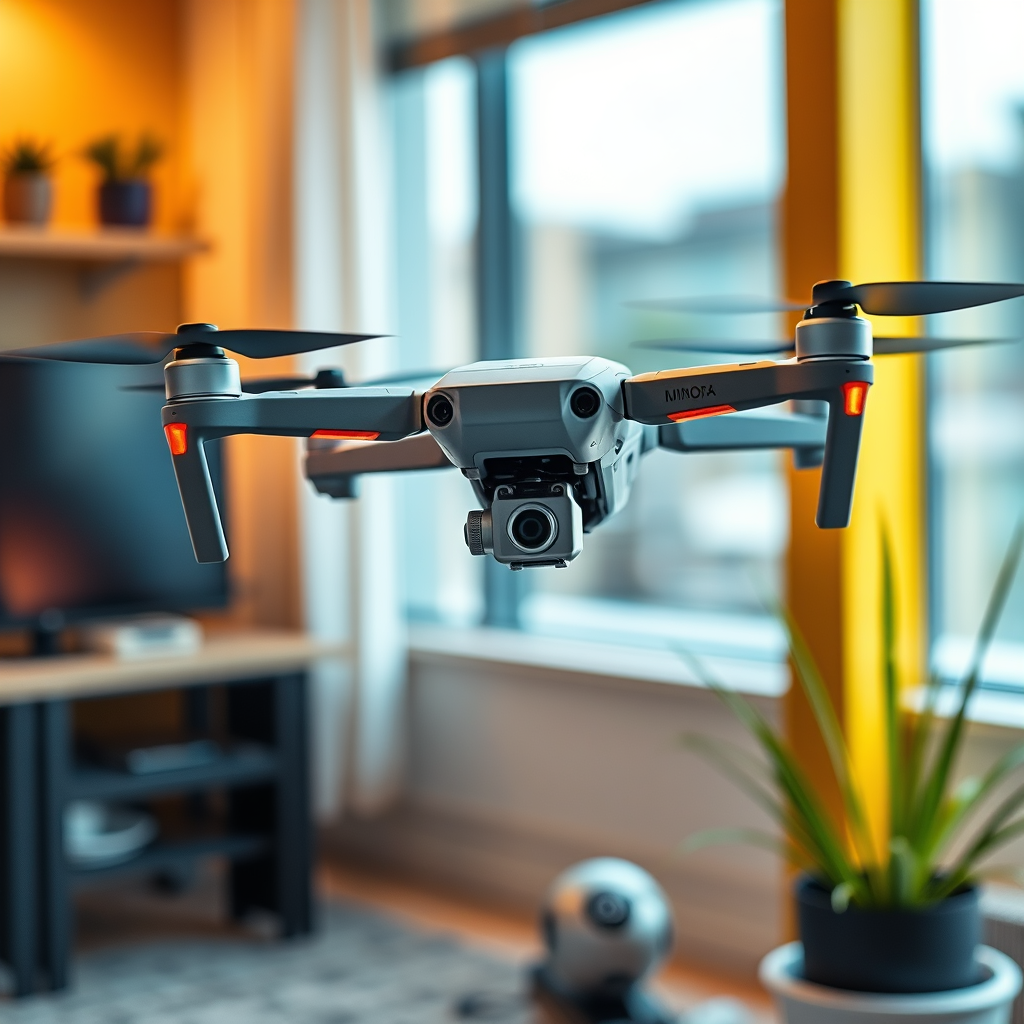
Yes, you can track a DJI drone using various methods. This capability is essential for both safety and recovery purposes, allowing drone operators to monitor their aircraft’s location and ensure compliance with regulations. With advancements in technology, DJI drones are equipped with features that facilitate tracking, while additional tools and apps can enhance these capabilities. In this article, we will explore how to track a DJI drone, the technologies available, and what you need to know for effective tracking.
Understanding DJI Drone Tracking Features
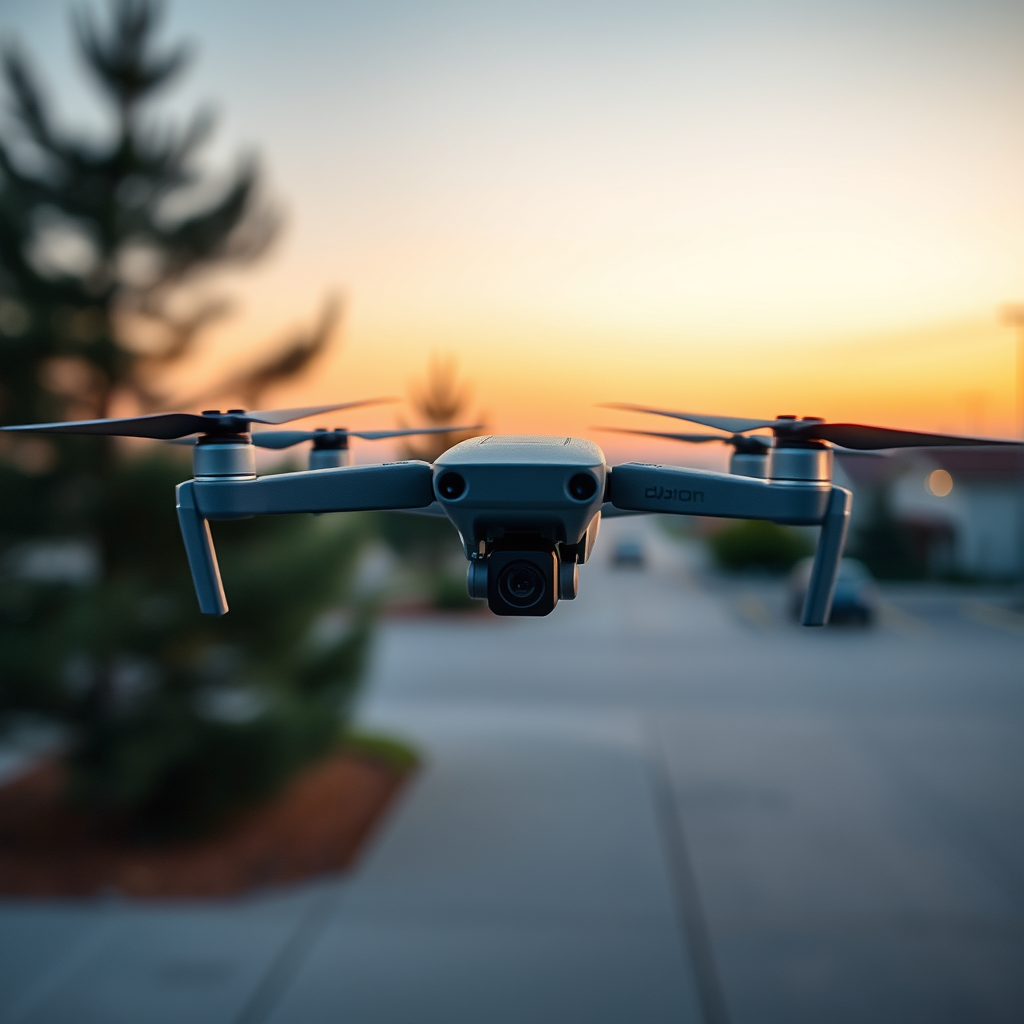
Many DJI drones come equipped with built-in tracking features that are integrated into the DJI Fly app. These features leverage GPS (Global Positioning System) and GLONASS (the Russian counterpart) technology, enabling real-time location tracking of the drone. The combination of these technologies allows users to maintain a precise understanding of their drone’s whereabouts, even in challenging environments. The tracking capability is particularly useful in urban areas, where signal interference may be more prevalent.
DJI drones, such as the Mavic Air 2 and the Phantom 4 series, utilize advanced navigation systems that provide accurate positioning. By regularly updating their firmware, users can ensure that their drones have the latest tracking capabilities. Furthermore, the drones’ ability to store flight data enhances the tracking experience, allowing operators to review past missions and identify any discrepancies in flight paths.
Using the DJI Fly App
The DJI Fly app is a robust tool for managing drone operations, and it includes specific tracking options, including the “Find My Drone” functionality. This feature is invaluable if your drone goes missing or loses connection with the remote controller. The app enables users to view the drone’s last known location on a map, alongside its flight path, which can be critical in recovering the drone.
To utilize the “Find My Drone” feature effectively, ensure that the drone is powered on and that it has a connection to GPS. The app will display the last recorded position, which can be used to guide the search. Additionally, the app provides audible alerts and flashing lights on the drone, making it easier to locate in the field. By familiarizing yourself with the app’s interface and features before flying, you can significantly increase your chances of recovering a lost drone.
Third-Party Tracking Solutions
While the DJI Fly app offers built-in tracking features, several third-party apps and devices can enhance tracking capabilities. Options include GPS trackers that can be attached to the drone, providing increased accuracy and additional functionality. For instance, devices like the Tile or Tracki GPS trackers can be affixed to the drone’s body, allowing for independent tracking outside of the DJI ecosystem.
Third-party applications, such as Airdata UAV and DroneLogbook, provide comprehensive flight logging and tracking features. These platforms allow users to analyze flight data, track drone locations over time, and share information with team members or stakeholders. Some of these apps even offer geofencing capabilities to prevent flights in restricted airspace, ensuring compliance with aviation regulations.
When considering third-party solutions, it is essential to ensure compatibility with your specific DJI model and to evaluate the potential impact on flight performance. Comprehensive research and user reviews can guide you in selecting the right tool for your tracking needs.
Legal and Safety Considerations
Familiarizing yourself with local laws regarding drone tracking and privacy is crucial. Different jurisdictions may have varying regulations governing the use of drones, including tracking capabilities. For example, in some areas, tracking a drone without the consent of individuals nearby may violate privacy laws. It is essential to consult local regulations and adhere to them to avoid legal ramifications.
Additionally, tracking your drone must not interfere with other airspace regulations. For instance, flying near airports or in controlled airspace may require specific permissions. Operators should always prioritize safety and compliance to ensure responsible drone operation. Being aware of no-fly zones and obtaining necessary permits can help avoid potential legal challenges.
Troubleshooting Tracking Issues
Common issues that may arise during drone tracking include weak GPS signals, app malfunctions, or interference from surrounding structures. To mitigate these problems, operators should ensure that their drones have a clear line of sight to the sky during takeoff and flight. This approach will help the GPS system acquire satellite signals more effectively.
If the DJI Fly app is not functioning correctly, consider troubleshooting steps such as restarting the app, updating the software, or ensuring that the drone’s firmware is current. Regular maintenance, including checking for hardware damages and ensuring that all connections are secure, can also improve tracking reliability.
If you frequently encounter tracking issues, consider investing in a high-quality GPS tracker that offers a more robust tracking solution. Some trackers are designed to work in environments where GPS signals may be weak, providing a more reliable backup option.
Best Practices for Drone Recovery
If your drone goes missing, there are several steps you can take to improve the chances of recovery. First, utilize the tracking features available through the DJI Fly app to locate the drone’s last known position. This information can be invaluable, especially in dense environments where visual spotting may be challenging.
Additionally, informing local authorities or nearby drone enthusiasts can help in the search. Many communities have online forums or groups dedicated to drone flying, where members may be willing to assist in recovery efforts. When searching, be sure to bring along a mobile device with the DJI Fly app installed to facilitate real-time tracking.
Performing pre-flight checks is equally important in minimizing the risk of losing your drone. Check battery levels, GPS functionality, and updates to the app and firmware before taking off. Establishing a reliable flight plan that includes safe return-to-home settings can also prevent loss in the event of signal interference or low battery.
In conclusion, tracking a DJI drone is not only possible but also advisable for responsible drone operation. By utilizing built-in features, third-party solutions, and adhering to legal guidelines, you can enhance your flying experience and ensure the safety of your drone. Knowledge of tracking methods, along with a proactive approach to maintenance and recovery, will empower drone operators to navigate the skies confidently and responsibly.
Frequently Asked Questions
Can you track a DJI drone if it goes missing?
Yes, you can track a DJI drone if it goes missing, primarily through the DJI Fly app or the DJI GO 4 app, depending on your drone model. These apps provide a feature called “Find My Drone,” which helps locate your drone using GPS coordinates. However, this feature requires that the drone is powered on and within range, so it’s essential to familiarize yourself with these tracking capabilities before flying.
How does the tracking feature work on DJI drones?
The tracking feature on DJI drones works through GPS technology, allowing the drone to communicate its location to the pilot’s mobile device via the DJI Fly or GO 4 app. The app displays the live position of the drone on a map, showing the route it has taken and its current altitude. Additionally, if the drone loses signal, it can automatically return to the home point, which is a critical safety feature to prevent permanent loss.
Why can’t I track my DJI drone sometimes?
There are several reasons you may not be able to track your DJI drone. One common issue is that the drone is out of range of the remote controller, which can happen in areas with poor GPS signal. Additionally, if the drone’s battery is low or it has been turned off, tracking will be impossible. It’s also important to ensure that your app is updated to the latest version, as software updates can improve tracking capabilities.
What are the best practices for avoiding losing a DJI drone?
To avoid losing your DJI drone, always perform a pre-flight checklist that includes ensuring a strong GPS signal and adequate battery life. Familiarize yourself with the drone’s return-to-home (RTH) feature, which automatically returns your drone to its takeoff point if the signal is lost. Additionally, always fly your drone within visual line-of-sight and avoid flying in areas with potential signal interference.
Which DJI drones have the best tracking capabilities?
DJI drones like the Mavic Air 2, Mavic Mini 2, and the Phantom 4 series are known for their excellent tracking capabilities. These models come equipped with advanced GPS systems and features like “Find My Drone,” which enhances their ability to be tracked easily. Additionally, newer models incorporate obstacle avoidance technology and improved return-to-home functionality, making them safer and more reliable for tracking during flight.
References
- https://en.wikipedia.org/wiki/Drone_tracking
- https://www.faa.gov/uas/getting_started/remote_id
- https://www.nytimes.com/2020/01/29/technology/drone-regulations.html
- https://www.nist.gov/news-events/news/2019/05/nist-research-focuses-drone-traffic-management
- https://www.reuters.com/article/us-drones-security-idUSKBN1Z22YI
- https://www.ncbi.nlm.nih.gov/pmc/articles/PMC7266249/
- https://www.techrepublic.com/article/how-to-track-drone-activity-in-your-area/
