

Yes, you can track a lost drone, but the effectiveness of recovery depends on various factors such as the drone model, tracking features, and environmental conditions. Modern drones often come equipped with advanced technology that facilitates tracking; however, understanding how to leverage these features effectively is crucial for maximizing recovery chances. In this article, we’ll explore the different methods to locate a lost drone, the technology that enables tracking, and the proactive steps you can take to enhance your recovery efforts.
Understanding Drone Tracking Technology
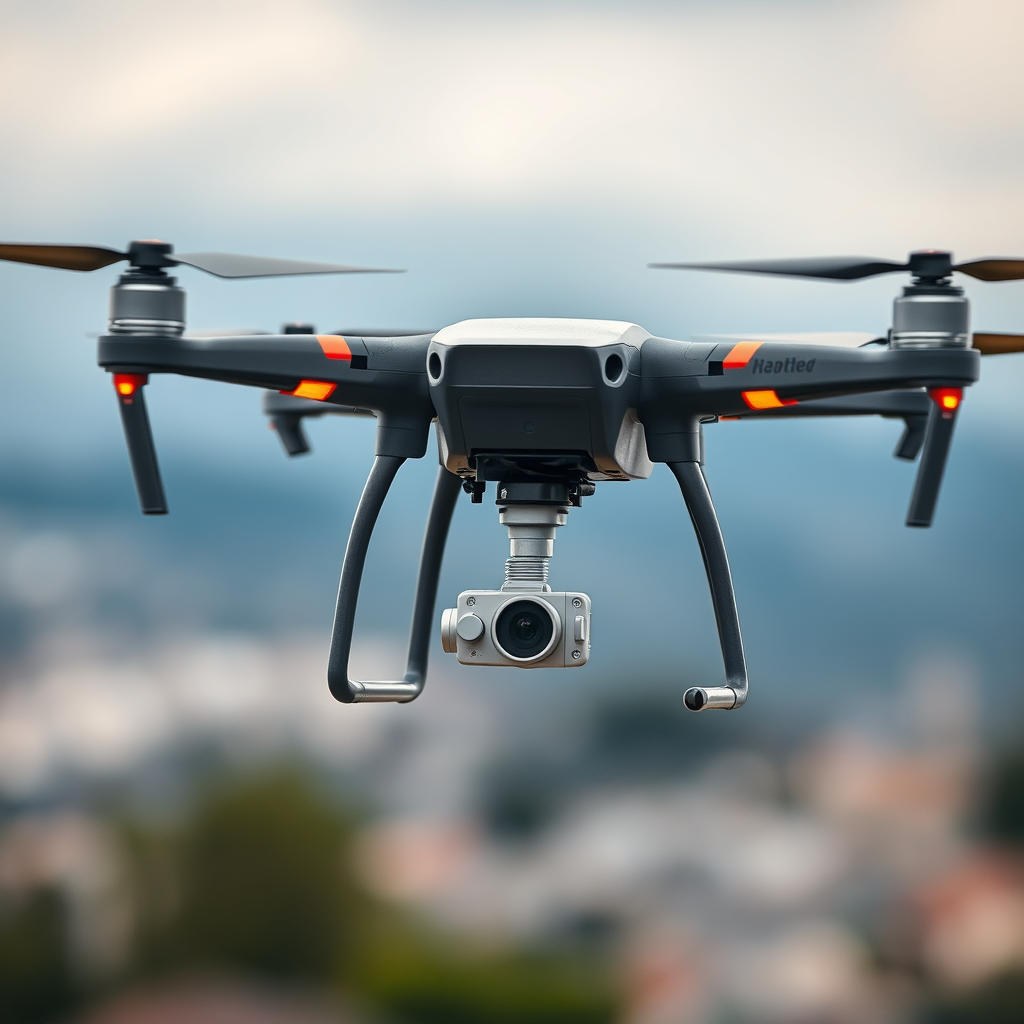
Many modern drones come equipped with GPS tracking systems that significantly aid in locating them when lost. These systems utilize satellite signals to provide real-time location data, which can be accessed through a connected mobile app or remote controller. For instance, drones from brands like DJI or Parrot often incorporate GPS alongside other sensors that allow for precise navigation and tracking.
Moreover, some drones have built-in features that send alerts to your smartphone when they are out of operational range or when battery levels are critically low. These alerts can be invaluable in preventing loss before it occurs. For example, DJI’s “Find My Drone” feature enables users to receive notifications if their drone strays beyond a predefined distance, allowing for immediate action to mitigate potential loss.
Understanding these tracking technologies is essential for drone operators. The integration of GPS not only assists in navigation during flights but also serves as a recovery tool in case the drone goes missing. However, the effectiveness of these systems can vary based on the specific model and its features.
Utilizing Mobile Apps for Tracking
Several mobile applications are designed to connect with your drone’s GPS for real-time tracking, making it easier to locate a lost device. For instance, applications such as DJI Go, Flytrex, and Airdata can display your drone’s last known coordinates and flight path on a map. These tools not only facilitate tracking but also offer insights into the drone’s flight history, which can be beneficial in determining the last known location.
When using these apps, it is important to ensure that the drone’s GPS is activated and functioning correctly prior to takeoff. Many of these applications provide user-friendly interfaces that allow operators to quickly access critical information. Some apps even feature a “find my drone” function that helps pinpoint the device’s location with a simple tap.
Additionally, leveraging community-driven platforms like Drone Rescue can enhance recovery efforts. These platforms connect drone operators who have lost their devices with local enthusiasts who may be able to assist in the search, thereby increasing the chances of successful recovery.
How to Use the Remote Controller
The remote controller may have features that allow you to initiate a “return to home” function, which is one of the most effective methods for recovering a lost drone. This function instructs the drone to autonomously navigate back to its takeoff point, provided it has sufficient battery life and a stable GPS signal.
To utilize this feature effectively, familiarize yourself with your drone’s remote controller before flying. Understanding how to activate the return-to-home function can be crucial in an emergency. For example, many controllers have a dedicated button for this purpose; pressing it can trigger the drone to ascend to a specific height and return to the launch location.
If your remote controller is still receiving a signal, following the last known signal can also be beneficial. Many drones will show the last recorded location on the controller’s display, which can guide you to the area where the drone went offline.
Environmental Factors Affecting Tracking
While GPS technology is a powerful tool for locating lost drones, various environmental factors can interfere with signal reception and tracking effectiveness. Dense forests, tall buildings, or mountainous terrains can obstruct satellite signals, making it challenging to pinpoint a drone’s exact location.
Moreover, weather conditions such as heavy rain, fog, or high winds can affect both the drone’s performance and the reliability of tracking signals. For example, flying a drone in a stormy environment may lead to unexpected malfunctions or loss of GPS connectivity, complicating recovery efforts.
Understanding these potential obstacles can help drone operators make informed decisions about where and when to fly. It is advisable to conduct pre-flight checks and consider local terrain and weather conditions to reduce the risk of losing a drone.
Steps to Take After Losing Your Drone
If you find yourself in the unfortunate situation of losing your drone, immediate action is crucial. Start by checking the last known location using your tracking device or app. Most modern drones will log their last known position, which can serve as a starting point for your search.
Once you have identified the last known point, spread out in a systematic search pattern from that location to increase your chances of recovery. A grid search method can be particularly effective; this involves dividing the area into sections and searching each one thoroughly before moving on to the next.
Additionally, enlisting help from friends or fellow drone enthusiasts can expedite the search process. More eyes on the ground can increase the likelihood of spotting the drone, especially in larger areas.
Preventative Measures for Future Flights
Taking preventative measures can significantly reduce the risk of losing your drone in the future. One effective strategy is to attach a tracking device specifically designed for drones. These standalone devices can provide additional tracking capabilities independent of the drone’s built-in system, thereby enhancing recovery chances.
Regularly updating your drone’s software is another crucial step. Manufacturers frequently release updates that improve functionality, including tracking features. Ensuring that your drone’s firmware is up-to-date helps maintain optimal performance and reliability during flights.
Furthermore, always perform a pre-flight checklist that includes checking battery levels, GPS calibration, and ensuring that the return-to-home feature is set correctly. By being proactive and prepared, you can minimize the risk of losing your drone.
In conclusion, while tracking a lost drone is possible, utilizing the right technology and following effective search strategies are key to maximizing recovery chances. Understanding the capabilities of your drone, leveraging mobile apps, and being mindful of environmental factors can significantly enhance your tracking efforts. Always be proactive with preventative measures to reduce the risk of losing your drone in the future, ensuring a more enjoyable and secure flying experience.
Frequently Asked Questions
Can you track a lost drone using GPS?
Yes, you can track a lost drone using GPS if it is equipped with a GPS module and has a reliable connection at the time it goes missing. Most modern drones feature GPS tracking that allows you to pinpoint their location through a companion app on your smartphone or tablet. However, the effectiveness of GPS tracking largely depends on the drone’s battery life and signal quality at the moment of loss.
What should I do if my drone goes missing?
If your drone goes missing, the first step is to check the last known location using its tracking app, if available. You should then physically search the area where it last reported its position, as well as consider the wind direction that may have affected its flight path. Additionally, alert local authorities or nearby drone enthusiasts, as they may assist in your search or provide advice on how to recover it safely.
Why is it important to have a drone with tracking capabilities?
Having a drone with tracking capabilities is crucial because it greatly increases the chances of recovery if it becomes lost or crashes. Tracking features can provide real-time location updates and flight history, allowing you to quickly find your drone. Furthermore, many tracking systems also include geofencing abilities, preventing your drone from flying beyond a certain area, which can help avoid loss in the first place.
What is the best way to prevent losing my drone?
To prevent losing your drone, always fly within your visual line of sight and familiarize yourself with the terrain before takeoff. Use a reliable GPS-enabled drone with a robust tracking app, and enable features like “Return to Home” that automatically bring the drone back to its takeoff point when the battery is low or signal is lost. Regularly check for firmware updates and practice safe flying habits to minimize the risk of loss.
Which apps can help me track my lost drone?
Various apps can help you track your lost drone effectively, including the manufacturer’s proprietary app, such as DJI GO for DJI drones or the Fly app for Parrot drones. Additionally, third-party applications like DroneLogbook and Airdata UAV provide advanced tracking and flight logging features. Make sure to explore the app’s capabilities before flying, as they can significantly enhance recovery chances if your drone goes missing.
References
- https://en.wikipedia.org/wiki/Drone_tracking
- https://www.faa.gov/uas/getting_started/laws_regulations/
- https://www.nytimes.com/2020/12/14/technology/drones-lost-tracking.html
- https://www.npr.org/2021/06/12/1008186216/drones-are-they-safe-and-what-happens-when-they-get-lost
- https://www.techradar.com/news/how-to-track-a-lost-drone
- https://www.reuters.com/technology/drones-spotting-lost-ones-ahead-2022-06-16/
- https://www.wired.com/story/how-to-find-a-lost-drone/
