
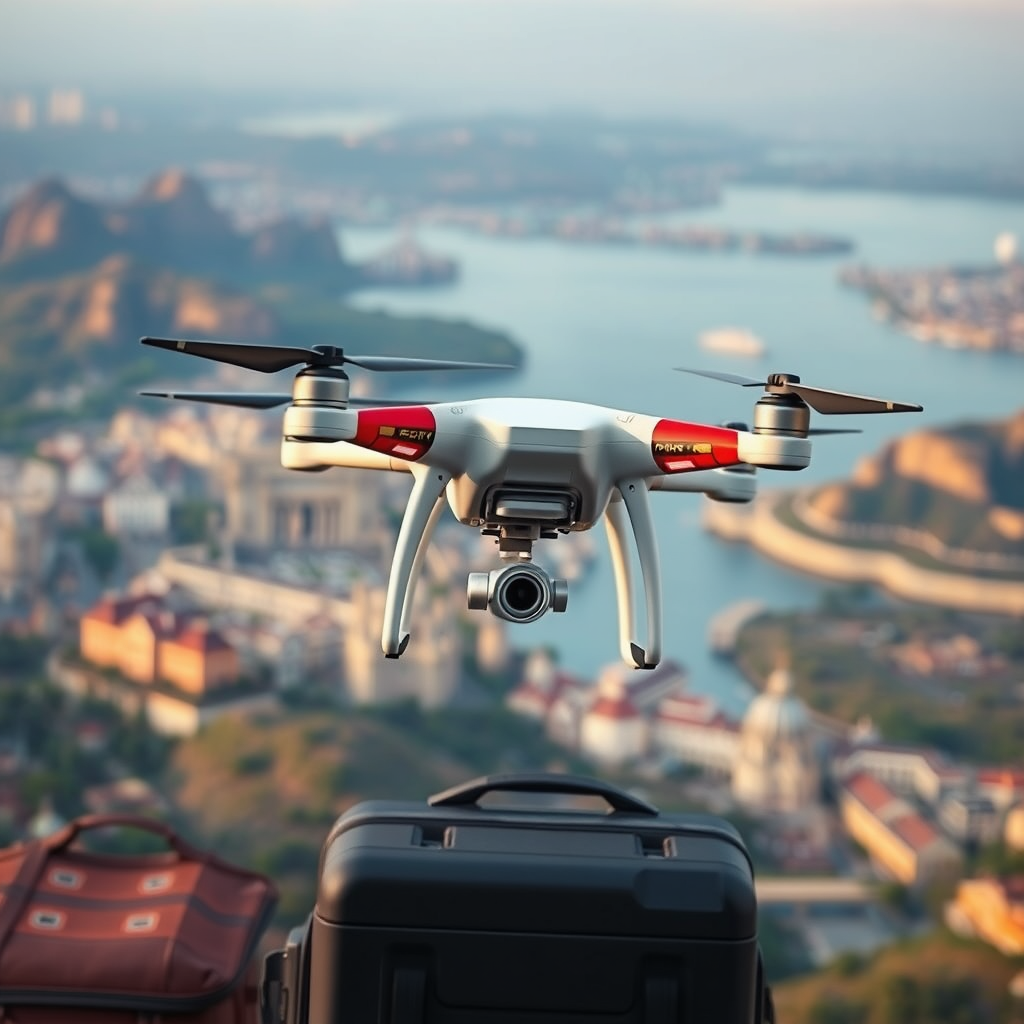
Yes, you can travel with a drone on a plane, but there are specific regulations and guidelines to follow. Understanding these rules is essential to ensure a smooth travel experience without any hassles. Drones have become increasingly popular for both recreational and professional use, and traveling with one requires knowledge of airline policies, TSA regulations, and international laws. This guide will help you navigate the complexities of bringing your drone along on your next flight.
Understanding Airline Policies
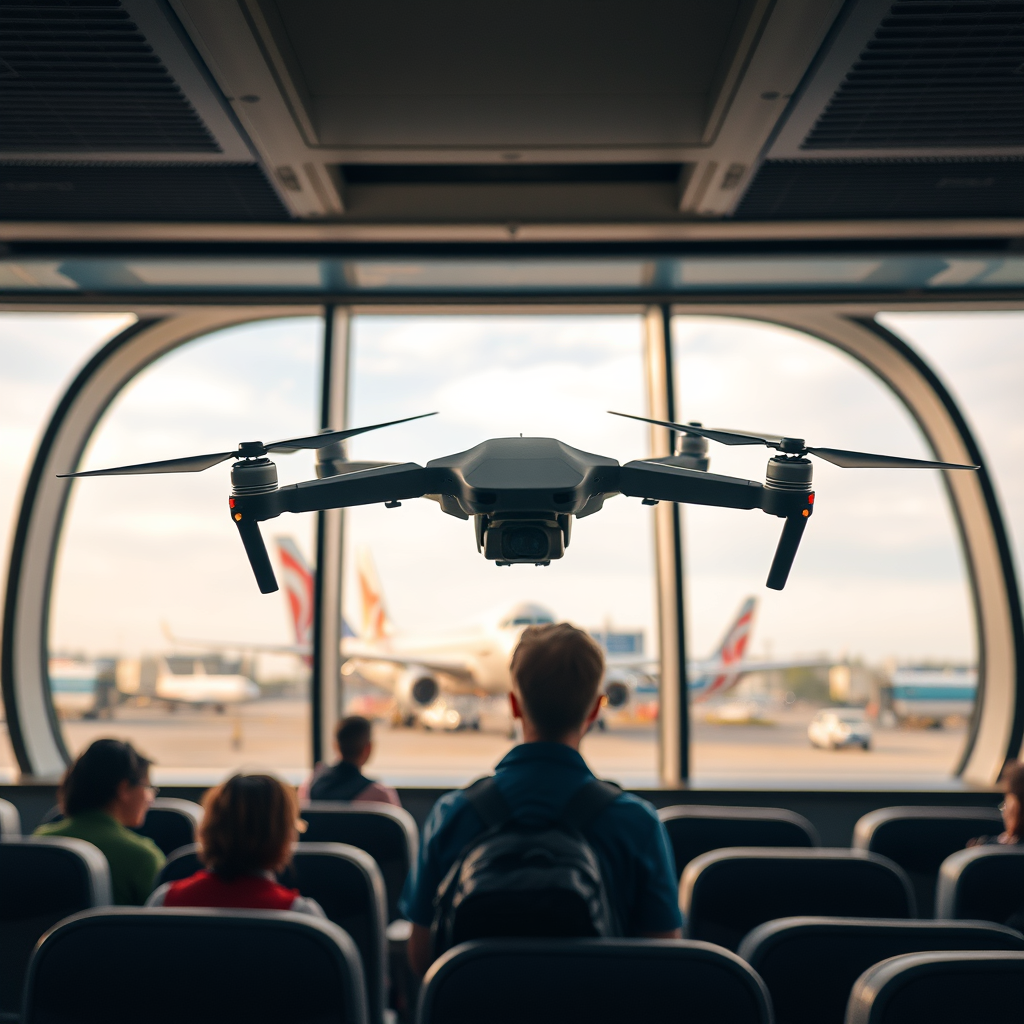
Different airlines have varying rules regarding drone transportation, which can lead to confusion if not properly addressed. For instance, some airlines may permit drones in carry-on luggage but restrict them in checked baggage due to safety concerns. Others might have specific size and weight limitations that apply to drones. It is crucial to check the airline’s website or contact customer service before your trip to verify their specific regulations regarding drones. Always ensure that you have the latest information, as policies can change frequently.
For example, Delta Airlines allows the transport of drones in both carry-on and checked luggage, but they recommend checking the drone’s size against their restrictions. In contrast, Southwest Airlines has a more lenient policy, permitting drones as long as they fit within the standard carry-on dimensions. Be proactive in your research to avoid any surprises at the airport.
TSA Regulations for Drones
The Transportation Security Administration (TSA) permits drones in both carry-on and checked luggage, but there are essential guidelines you must adhere to. A key consideration is the management of lithium batteries, which power most drones. The TSA has specific restrictions on lithium batteries, particularly those exceeding 100 watt-hours. Batteries larger than this must be transported in carry-on luggage, and you are typically limited to a maximum of two spare batteries.
To comply with TSA regulations, you should ensure that all batteries are securely packed and protected from short-circuiting. Placing them in their original packaging or using battery cases can help mitigate risks during transit. If you are traveling internationally, be aware that other countries may have additional regulations regarding battery transportation, so always double-check the rules of your destination.
International Travel Considerations
When traveling internationally with a drone, it is imperative to research the drone laws of your destination country, as regulations may differ significantly from those in the United States. Some countries require permits for drone usage, while others may have outright bans in certain areas or for specific types of drones.
For instance, in countries like Canada and the United Kingdom, drone operators must register their drones and may need to obtain a Special Flight Operations Certificate (SFOC). Countries such as Japan and Australia have strict guidelines regarding drone flight zones, and operating a drone in restricted areas without proper authorization can result in fines or confiscation. Familiarizing yourself with local laws before your trip can prevent legal issues and ensure that you can enjoy flying your drone safely and legally.
Packing Your Drone for Air Travel
To protect your drone during transit, it’s essential to pack it correctly. Using a sturdy, padded case designed specifically for drones can help avoid damage during handling. Ensure that the case is large enough to accommodate your drone and any accessories, such as the remote control, extra propellers, and batteries.
Remove all batteries from the drone before packing, as they must be handled separately according to TSA guidelines. Batteries should be stored in a manner that prevents short-circuiting, such as in their original packaging or in a battery-safe case. Additionally, make sure that your drone and accessories are organized in a way that allows for easy access during security screening.
Tips for Smooth Security Screening
Security screening can be a point of stress for many travelers, especially those carrying drones. To facilitate a smoother experience, be prepared to take your drone out of its case during security checks. This is similar to how laptops and other large electronic devices are treated. Keeping your drone and its accessories easily accessible in your carry-on bag can expedite the process.
Moreover, consider arriving at the airport earlier than usual to allow ample time for security checks. If you have any questions or concerns during the screening process, don’t hesitate to ask TSA personnel for assistance. Being organized and proactive can significantly reduce potential delays or complications.
What to Do Upon Arrival
Upon arriving at your destination, it is crucial to familiarize yourself with local drone laws and regulations before taking flight. This information can often be found on government websites or through local aviation authorities. Understanding where you can and cannot fly is essential for avoiding fines or drone confiscation.
In some cases, local authorities may require you to register your drone, particularly if it exceeds a certain weight or is intended for commercial use. Ensure that you have all necessary documentation on hand, including your registration, if applicable. By adhering to local laws, you can enjoy a worry-free experience capturing stunning aerial views of your travel destination.
Traveling with a drone on a plane is entirely feasible, but it demands careful planning and adherence to regulations. By understanding airline policies, TSA regulations, and international laws, you can enjoy the benefits of aerial photography and videography during your travels. Always conduct thorough research and prepare adequately to ensure a seamless travel experience. Whether capturing breathtaking landscapes or documenting your adventures, being informed will help you fly your drone responsibly and legally.
Frequently Asked Questions
What are the regulations for traveling with a drone on a plane?
When traveling with a drone on a plane, it’s essential to familiarize yourself with both airline policies and the regulations of the destination country. In the U.S., the Federal Aviation Administration (FAA) allows passengers to carry drones in their luggage, but they must follow specific guidelines, such as removing the battery and carrying it in your carry-on bag. Always check the airline’s website for specific rules and any weight restrictions, as well as the regulations of your destination to avoid fines or confiscation.
How should I pack my drone when flying?
To ensure your drone arrives safely, pack it securely in a padded case or backpack designed for drones. Remove the batteries and store them in your carry-on bag, as lithium batteries are often restricted in checked luggage due to fire hazards. Additionally, protect the propellers and delicate components with bubble wrap or protective covers to prevent damage during transit.
Why do some airlines have restrictions on traveling with drones?
Airlines impose restrictions on traveling with drones primarily due to safety concerns related to lithium batteries, which pose fire risks if damaged or improperly handled. Additionally, drones can be seen as potential security threats, which leads to stricter regulations. It’s crucial to adhere to these guidelines to ensure a safe flying experience for all passengers and avoid potential delays or fines.
Which countries have strict regulations regarding drone travel?
Countries like Japan, Australia, and the United Kingdom have strict regulations regarding drone travel, requiring permits or specific registration for drone usage. In places like Canada, drones must also adhere to Transport Canada’s rules, which can include restrictions on where drones can be flown. Always research local drone laws before traveling to avoid legal issues and ensure compliance with the destination’s regulations.
What should I do if my drone gets damaged during air travel?
If your drone gets damaged during air travel, report the issue immediately to the airline’s customer service or baggage claim department. Document the damage with photos and keep all relevant receipts and luggage tags. Many airlines have policies for compensating passengers for damaged luggage, so be sure to file a claim as soon as possible to expedite the resolution.
References
- https://en.wikipedia.org/wiki/Drone_regulations
- https://www.faa.gov/uas/travel
- https://www.tsa.gov/travel/security-screening/whatcanibring/items/drone
- https://www.caa.co.uk/Consumers/Unmanned-aircraft/Traveling-with-drones/
- https://www.nytimes.com/2021/09/13/travel/drones-airlines.html
- https://www.gov.uk/guidance/drone-safety
- https://www.abc.net.au/news/2021-10-01/can-i-take-my-drone-on-a-plane/100505420
