
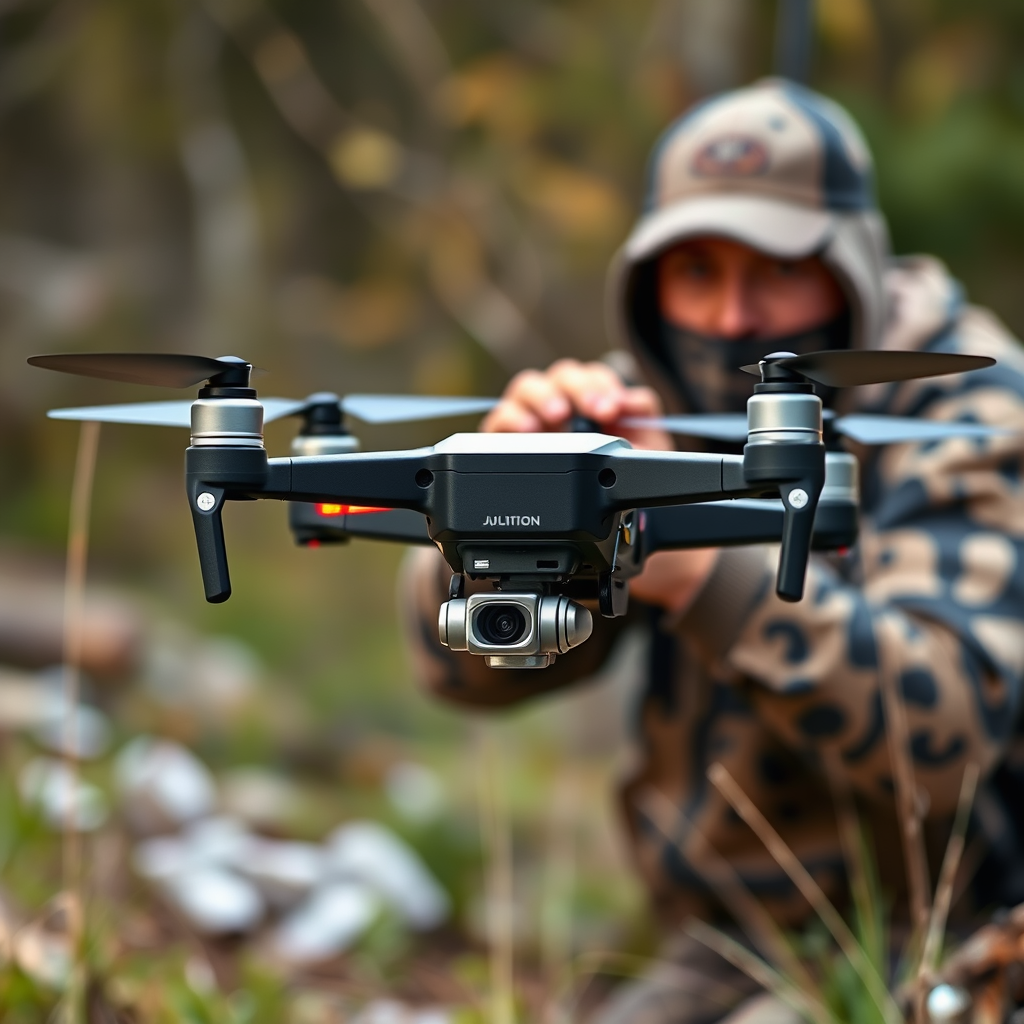
Yes, you can use a drone while hunting, but there are specific regulations and ethical considerations you need to be aware of. Drones can enhance your hunting experience by providing aerial views and scouting capabilities, allowing hunters to cover vast areas and make informed decisions. However, the use of drones in hunting is not universally permitted and varies significantly by location, making it critical for hunters to familiarize themselves with local laws and ethical standards.
Understanding Drone Regulations
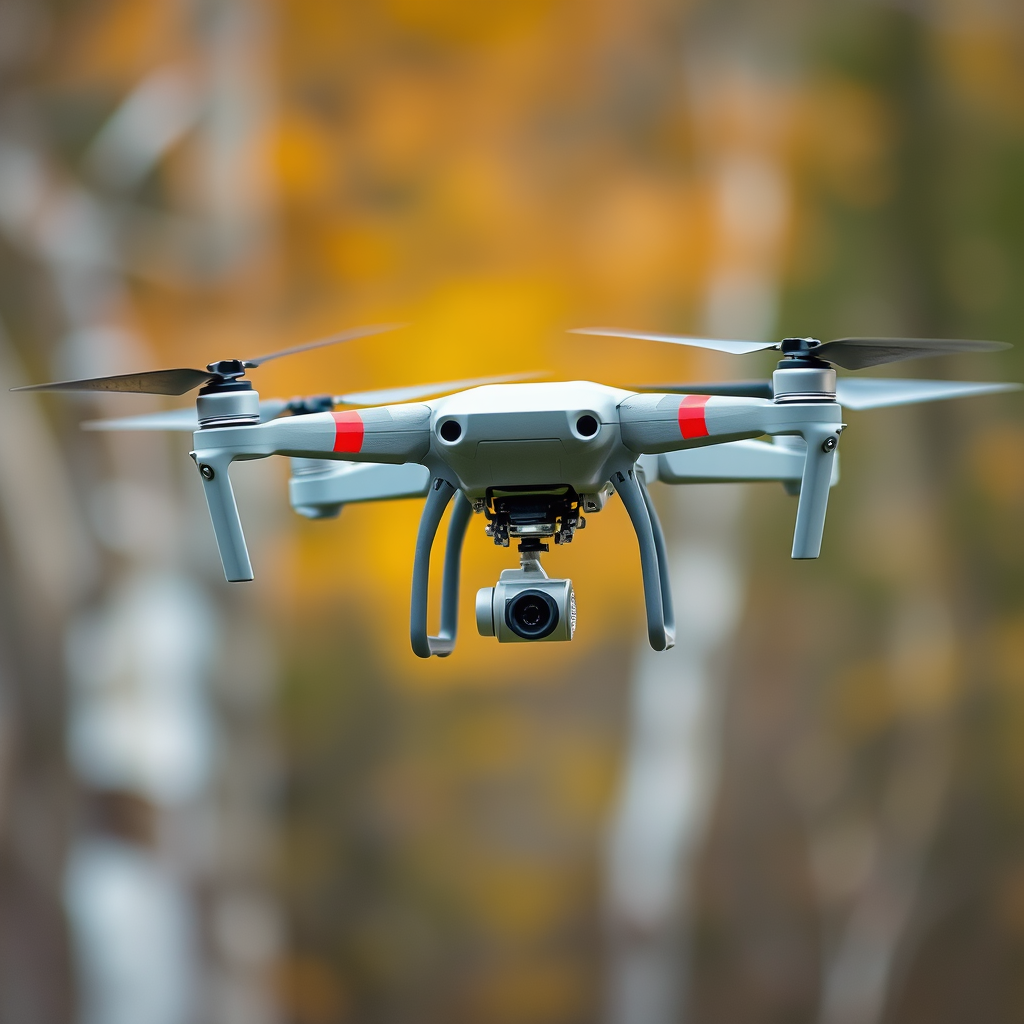
Federal and state laws govern drone usage, including hunting, and these regulations can differ greatly from one jurisdiction to another. In the United States, the Federal Aviation Administration (FAA) has established rules for drone operation, which include requirements for registration and operational guidelines. Additionally, many states have implemented specific regulations regarding the use of drones in hunting contexts. For example, some states explicitly prohibit the use of drones to locate, track, or harass wildlife, while others may allow drones for scouting but restrict their use during the actual hunting process.
Before using a drone for hunting, hunters must check with their local wildlife agency or department of natural resources to understand the specific laws applicable to their area. Compliance with these regulations is not only a legal obligation but also a vital aspect of responsible hunting practices.
Ethical Considerations
Using drones can raise ethical questions regarding fair chase principles, which are foundational to hunting as a sport. The concept of fair chase emphasizes the need for a balance between the hunter’s skills and the animal’s natural behaviors and abilities. Using a drone to locate or track game can be perceived as an unfair advantage, potentially undermining the integrity of the hunt.
Moreover, hunters should consider how drone usage may impact wildlife behavior. The presence of drones can induce stress in animals, leading to changes in their natural habits and habitats. It is essential for hunters to weigh the benefits of using drones against the potential disruption they may cause to wildlife and to adhere to ethical hunting practices that prioritize the well-being of the animals involved.
Benefits of Using Drones
Drones can significantly enhance the hunting experience by allowing hunters to scout large areas quickly and efficiently. With the help of aerial views, hunters can identify potential hunting spots, locate water sources, and monitor animal movements without physically traversing the terrain. This capability is particularly beneficial in expansive wilderness areas where traditional scouting methods may be time-consuming and less effective.
Additionally, drones equipped with high-resolution cameras provide real-time aerial footage, aiding in better decision-making. For instance, hunters can assess the health of a game population or observe herd dynamics from a distance, enabling them to plan their approach more strategically. This advanced scouting capability can lead to more successful hunting outings while also promoting a deeper understanding of the ecosystem and wildlife behavior.
Types of Drones Suitable for Hunting
When selecting a drone for hunting, it is crucial to consider the various capabilities and features that different models offer. Factors such as flight range, battery life, and camera quality can significantly affect a hunter’s experience.
For instance, drones with a longer flight range allow hunters to cover vast areas without needing to land and recharge frequently. Battery life is equally important; a drone that can operate for 20 to 30 minutes on a single charge may not be sufficient for extended scouting missions.
Opting for drones with high-resolution cameras enhances the effectiveness of scouting, as clear images can reveal details about game populations and terrain features. Some popular models among hunters include the DJI Mavic series and the Autel Robotics EVO series, both known for their reliability, ease of use, and impressive camera capabilities. Each hunter’s specific needs and budget will ultimately guide their choice of drone.
Safety Protocols for Drone Operation
Safety is paramount when operating drones, especially in environments where other hunters and wildlife coexist. Ensuring adherence to safety guidelines can help avoid accidents during flight. This includes maintaining a visual line of sight with the drone at all times and avoiding operation in adverse weather conditions, which can lead to crashes or loss of control.
Moreover, it is essential to be aware of no-fly zones. Many hunting areas may overlap with protected wildlife habitats or areas that require special permits for drone operation. Before flying a drone, hunters should consult local regulations and obtain any necessary permits to avoid legal repercussions and ensure the safety of both wildlife and other individuals in the vicinity.
Best Practices for Drone Use During Hunting
To maximize the benefits of drone use while maintaining ethical standards, hunters should follow best practices. It is advisable to use drones primarily for scouting rather than for tracking or hunting directly. By employing drones for reconnaissance purposes, hunters can gather valuable information without compromising fair chase principles.
Respecting wildlife and other hunters is crucial when operating a drone. This means keeping the drone at a distance from animals to avoid causing undue stress and being considerate of other individuals in the area who may not be using a drone. By prioritizing responsible drone use, hunters can contribute to a positive hunting culture that values both technology and tradition.
In summary, while using a drone for hunting can offer numerous advantages, it is essential to adhere to regulations and ethical practices. Always stay informed about local laws and consider the impact on wildlife. For the best hunting experience, balance technology with traditional hunting values. By doing so, you can enjoy the benefits of modern tools while respecting the age-old principles of this cherished outdoor activity.
Frequently Asked Questions
Can you use a drone while hunting in the United States?
Yes, you can use a drone while hunting in the United States, but regulations vary by state. Many states prohibit the use of drones for the purpose of spotting or locating game animals, as it can give hunters an unfair advantage. It’s crucial to check your local wildlife regulations and hunting laws to ensure compliance, as violations can lead to fines or loss of hunting privileges.
What are the restrictions on using drones for hunting?
Restrictions on using drones for hunting typically include limitations on their use for scouting or tracking game. Most states ban the use of drones to assist in the actual hunting process, especially during the hunting season. Additionally, federal regulations may apply, such as restrictions on flying drones in certain wildlife areas or national parks, so always verify the specific rules in your area.
How can drones enhance the hunting experience?
Drones can enhance the hunting experience by providing aerial reconnaissance, allowing hunters to scout vast areas quickly and efficiently. They can capture high-resolution images and videos, helping hunters identify potential hunting spots or track animal movements from a safe distance. Additionally, drones equipped with thermal imaging cameras can aid in locating animals during low visibility conditions.
Why are drones controversial in hunting?
Drones are controversial in hunting primarily because they can provide an unfair advantage to hunters by allowing them to easily locate and track game animals. This can lead to overharvesting and disrupt wildlife populations. Wildlife conservationists argue that using drones undermines the principles of fair chase, which is a fundamental aspect of ethical hunting practices.
Which states allow the use of drones for hunting activities?
As of now, a handful of states allow limited use of drones for specific hunting activities, but it’s essential to check the latest regulations as laws are frequently updated. For example, states like Alaska have been known to permit drones for scouting, while others, like Texas, have more restrictive policies. Always consult your state’s wildlife agency for the most accurate and up-to-date information regarding drone use in hunting.
References
- https://en.wikipedia.org/wiki/Drone_hunting
- https://www.fws.gov/service/hunting-and-drone-use
- https://www.nationalgeographic.com/science/article/drones-hunting-animals-conservation
- https://www.nraila.org/articles/20150930/the-use-of-drones-in-hunting
- https://www.theguardian.com/environment/2021/jul/20/drones-hunting-animals-ethics
- https://www.usgs.gov/mission-areas/wildlife-ecology/science/drones-wildlife-research
