
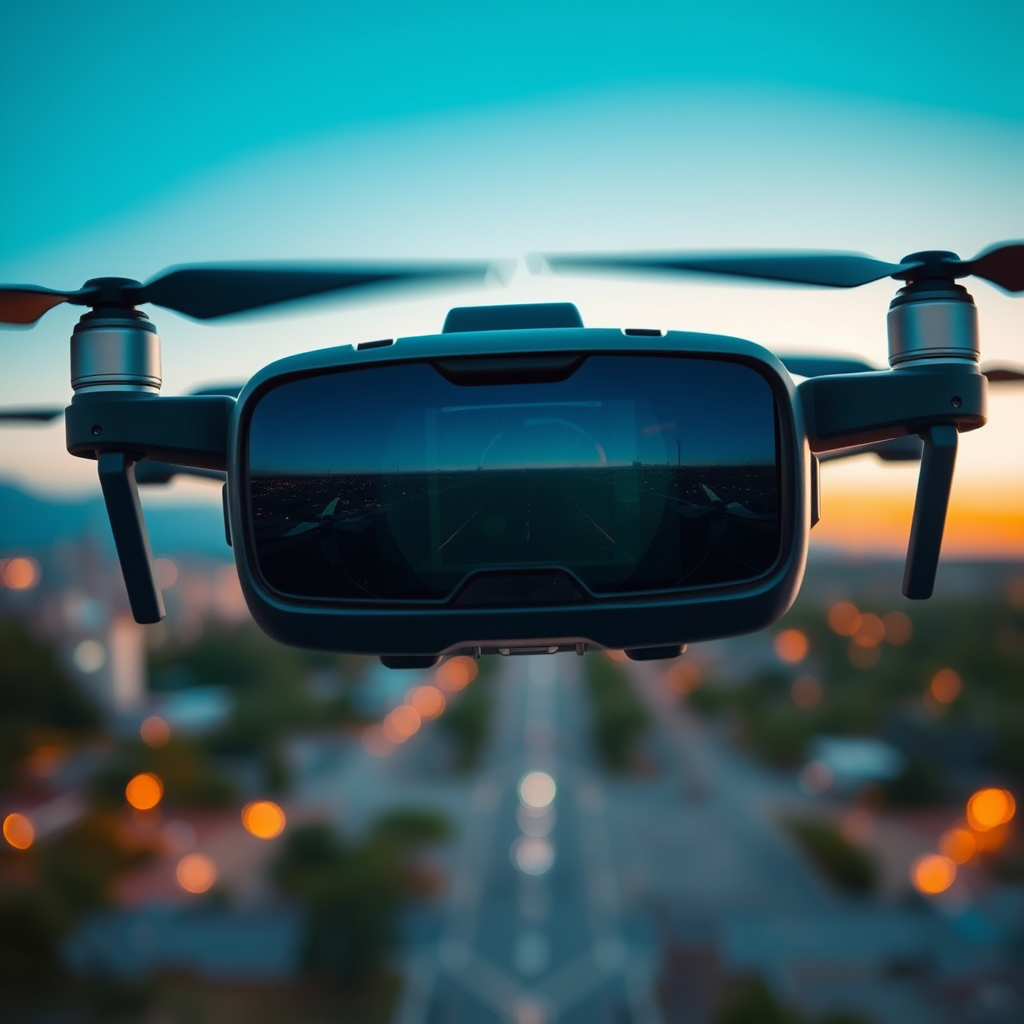
Yes, you can use DJI FPV goggles with certain other drones, but compatibility varies based on the drone model and transmission technology. While DJI FPV goggles are primarily designed for DJI drones, they can work with other systems if properly configured. This flexibility allows for a broader range of options for drone enthusiasts who wish to enhance their flying experience. In this article, we’ll explore the compatibility of DJI FPV goggles with various drone models, the necessary equipment, and how to set up your goggles for optimal performance.
Understanding DJI FPV Goggles’ Technology
DJI FPV goggles utilize advanced OcuSync technology, which is renowned for its low-latency video transmission. This technology seamlessly integrates with DJI drones to provide high-definition video feeds with minimal delay, a crucial aspect for first-person-view (FPV) flying. Compatibility with other drones hinges on whether they employ a similar transmission protocol. For instance, many non-DJI drones rely on analog transmission systems or other proprietary technologies that may not support OcuSync. Understanding the technical specifications of both the goggles and the drone is essential for ensuring a successful connection.
Furthermore, the resolution capabilities of the DJI FPV goggles, which can display video in 810p at 120fps, set a benchmark that some other systems may not meet. Therefore, while DJI goggles can potentially connect to third-party drones, the overall experience may vary significantly depending on the technology used in those drones.
Compatible Drones with DJI FPV Goggles
While DJI’s FPV goggles are primarily intended for their own line of drones, several third-party models equipped with OcuSync or compatible transmission technologies can work with them. Notable examples include some drones from manufacturers like BetaFPV, Eachine, and others that have integrated OcuSync technology into their systems. For instance, the BetaFPV X-Knight and Eachine Novice series drones have shown compatibility, offering users the ability to leverage the advanced features of DJI goggles.
However, it’s crucial to note that compatibility is not universal. Users should verify the specific model’s specifications and capabilities before attempting to connect. Engaging with community forums and manufacturer support can provide insights into which drones currently support DJI FPV goggles.
Setting Up DJI FPV Goggles with Non-DJI Drones
Proper binding and setup are vital for successfully connecting DJI FPV goggles to other drones. The process typically involves several steps:
1. Binding Process: For OcuSync-compatible drones, start by ensuring both the goggles and the drone are powered on. Enter the binding mode on the drone, then initiate the binding process through the goggles. This step is crucial for establishing a secure connection.
2. Adjusting Frequency Settings: Depending on the drone, it may be necessary to adjust the frequency settings for optimal performance. Navigate to the goggles’ settings menu and select the appropriate frequency bands that correspond to the drone’s transmission system.
3. Testing the Connection: Once bound, conduct a ground test to ensure video transmission is stable. Check for any latency issues or signal dropouts, as these may indicate a need for further adjustments.
4. Fine-tuning Settings: Depending on your environment and flying conditions, you may need to fine-tune the video settings for brightness, contrast, and other parameters to achieve the best visual experience.
Following these steps will help ensure that you can maximize the functionality of your DJI FPV goggles when used with non-DJI drones.
Limitations and Challenges
Despite the potential for using DJI FPV goggles with third-party drones, there are limitations and challenges that users may encounter. Video quality and latency are significant concerns, as the performance may not be on par with the seamless integration experienced with DJI drones. Users may experience lower resolution, increased latency, or signal interference, which can detract from the overall FPV flying experience.
Additionally, not all features accessible with DJI drones will function correctly with third-party models. For instance, functionalities like head tracking and certain telemetry data may be limited or entirely unavailable. Users should prepare for these limitations and adjust their expectations accordingly.
Accessories and Add-Ons for Enhanced Compatibility
To improve compatibility between DJI FPV goggles and non-DJI drones, users can consider several accessories and add-ons:
1. Adapters: Using a compatible adapter can help bridge the technology gap between different transmission protocols, allowing for improved connectivity.
2. External Receivers: Some users have found success by incorporating external receivers that can pick up signals from non-DJI drones, thus enhancing video quality and stability.
3. Antennas and Signal Boosters: Upgrading to high-gain antennas or installing signal boosters can significantly improve the range and reliability of the video signal, ensuring a more enjoyable flying experience.
4. Protective Cases: Investing in protective cases for the goggles and accessories can also safeguard your equipment during transport and use, ensuring longevity and reliability.
These enhancements can help users enjoy a more integrated experience when using DJI FPV goggles with a diverse range of drones.
User Experiences and Community Insights
In the drone community, user experiences and insights play a significant role in understanding the practicalities of using DJI goggles with other drones. Many enthusiasts share their success stories as well as challenges faced while attempting these connections in online forums and social media groups. These platforms serve as valuable resources for troubleshooting and tips, offering real-world advice on configuration and usage.
For example, some users report successful connections with specific drone models after extensive testing and adjustments. Others document their setup processes, providing step-by-step guidance that can help newcomers navigate the complexities of FPV flying with non-DJI drones. Engaging with these communities can provide a wealth of information and support, ensuring that users can make informed decisions about their equipment and configurations.
Conclusion
In summary, while it is possible to use DJI FPV goggles with other drones, it is important to research compatibility and setup procedures thoroughly. Understanding the technology behind the goggles, identifying compatible drone models, and being aware of potential limitations will enhance your FPV experience. Additionally, leveraging community insights and experimenting with configurations can lead to successful integrations. As the drone technology landscape continues to evolve, users can look forward to increasingly versatile and interconnected flying experiences.
Frequently Asked Questions
Can you use DJI FPV goggles with other brands of drones?
Yes, you can use DJI FPV goggles with some other brands of drones, but compatibility varies widely. To use DJI FPV goggles with non-DJI drones, you must ensure that the drone supports the necessary video transmission protocols, such as analog or digital video signals. Many drone enthusiasts use adapters or additional modules to facilitate this compatibility, but note that the experience may not be as seamless as when using DJI’s own drones.
How do you connect DJI FPV goggles to a non-DJI drone?
Connecting DJI FPV goggles to a non-DJI drone typically involves using an external video receiver or a compatible video transmitter on the drone. For analog drones, you would need to install a compatible VTX (video transmitter) on the drone and tune the goggles to the same frequency. For digital setups, ensure that the video signals are compatible and follow specific guidelines for pairing the equipment to achieve the best performance.
Why might you want to use DJI FPV goggles with a different drone?
Many drone pilots consider using DJI FPV goggles with different drones to take advantage of the high-quality display, low latency, and immersive flight experience that DJI goggles provide. Additionally, if a pilot already owns DJI FPV goggles, it can be a cost-effective way to enhance their flying experience without investing in another set of FPV goggles. The superior video feed and features like digital transmission can significantly improve situational awareness and pilot control.
What are the best alternatives for goggles if you can’t use DJI FPV goggles with your drone?
If DJI FPV goggles are not compatible with your drone, several alternatives can provide great FPV experiences. Popular options include Fat Shark goggles, which are widely used in the FPV community and offer a range of models for different budgets. Other alternatives include Skyzone and Orca goggles, known for their comfortable fit and excellent display quality, making them viable choices for both racers and freestyle pilots.
Which DJI FPV goggles are best for use with other drones?
The DJI FPV Goggles V2 are often considered the best option for use with other drones due to their advanced features like low latency, high resolution, and the ability to switch between various video transmission modes. They support both analog and digital inputs, making them versatile for a range of drone types. However, always verify compatibility with specific drone models and consider your flying style and preferences before making a purchase.
References
- https://en.wikipedia.org/wiki/FPV_flying
- https://www.nytimes.com/2021/04/05/technology/drones-fpv.html
- https://www.reuters.com/technology/drones-fpv-2021-04-05/
- https://www.theguardian.com/technology/2020/mar/18/fpv-drones-explained
- https://www.wired.com/story/what-is-fpv-drone-racing/
- https://www.techcrunch.com/2020/11/09/dji-fpv-drone/
