
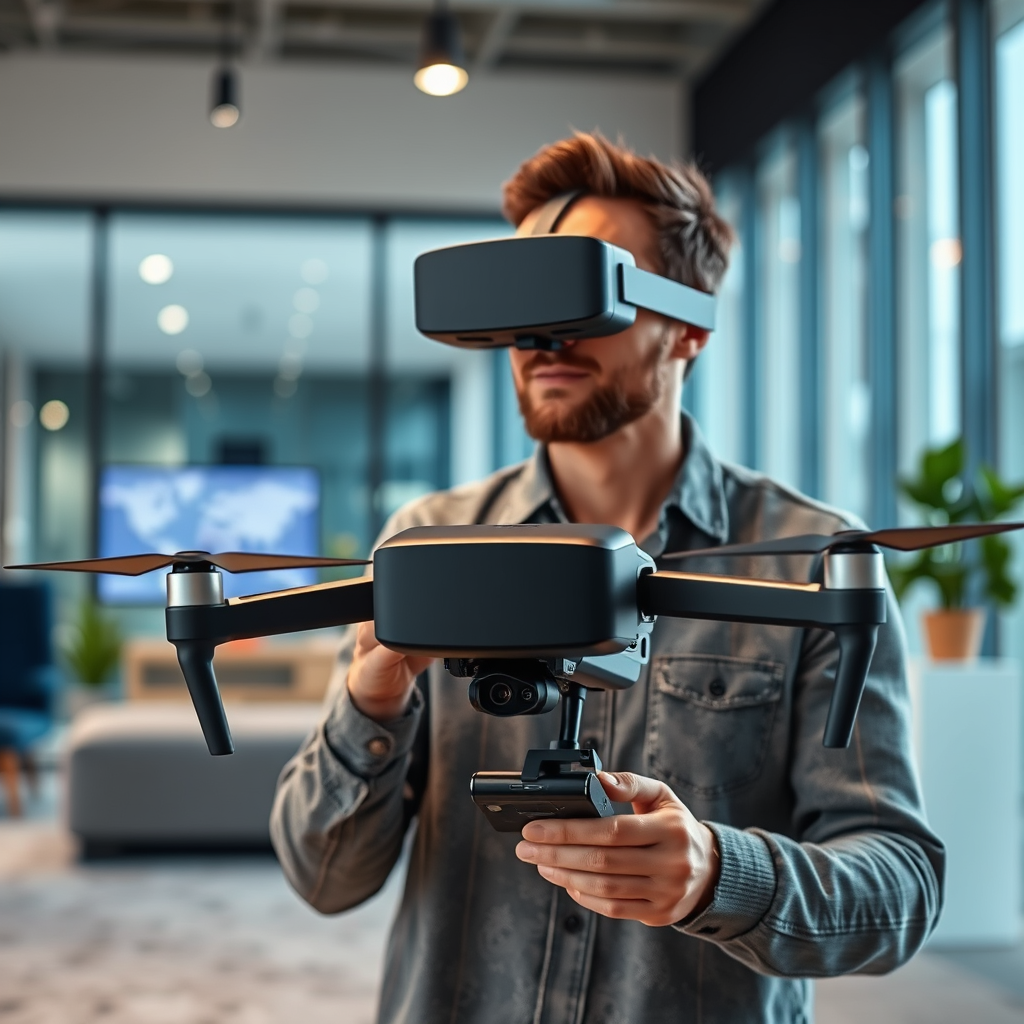
Yes, you can use DJI goggles with some other drones, but compatibility varies based on the model and technology. DJI goggles are primarily designed to integrate seamlessly with DJI’s own lineup of drones, providing an immersive first-person view (FPV) experience. However, there are options available for using them with certain non-DJI drones, though this often requires specific adapters or modifications. In this article, we will explore the details of using DJI goggles with different drones, including compatibility, setup, alternatives, and best practices to ensure a satisfactory flying experience.
Understanding DJI Goggles Compatibility
DJI goggles, including the DJI Goggles RE and DJI FPV Goggles, are engineered to work optimally with DJI drones such as the Mavic series, Phantom series, and the DJI FPV drone. These goggles utilize proprietary transmission technology, like OcuSync, which enhances video quality and minimizes latency. However, some third-party drones—especially FPV racing drones—may offer compatibility under certain conditions.
For instance, racing drones that support the analog video transmission can connect with DJI goggles using a video receiver module. Additionally, there are adapters available that can facilitate the connection between DJI goggles and non-DJI drones, allowing users to experience a similar immersive view. It’s crucial for users to check the specifications of both their goggles and drone to confirm compatibility before making any modifications.
Types of Drones Compatible with DJI Goggles
While DJI goggles are predominantly compatible with DJI drones, several types of drones can also work with them. FPV racing drones are one of the most notable examples. Many FPV racing enthusiasts prefer using DJI goggles because they provide superior video quality and a more stable connection compared to traditional analog systems. For instance, drones equipped with the DJI Air Unit or the DJI Digital FPV System can connect directly to DJI goggles, allowing for a seamless experience.
Furthermore, there are some third-party drones that incorporate DJI technology, such as the Avata or certain models from manufacturers like iFlight that utilize DJI’s digital transmission systems. These drones often come with built-in support for DJI goggles, ensuring that users can enjoy high-definition video feeds without the need for extensive modifications.
Setting Up DJI Goggles with Other Drones
Successfully setting up DJI goggles with non-DJI drones requires careful attention to detail. First, ensure you have the correct cables and adapters that match both your goggles and drone. For instance, if you are using an analog FPV racing drone, you may need a compatible video transmitter that can send the signal to the DJI goggles.
Once you have the necessary equipment, follow the specific setup instructions for each drone model. This usually involves configuring the video transmission settings on the drone and ensuring that the goggles are set to the correct frequency. Additionally, conducting a pre-flight check to ensure everything is connected properly can save you from potential issues during your flight.
For example, if using a racing drone with an analog video transmitter, make sure to select the appropriate band and channel on your goggles to pair with the drone’s output. Clear instructions from the drone’s user manual or online forums can also provide valuable insights into the setup process.
Limitations of Using DJI Goggles with Non-DJI Drones
While DJI goggles can enhance the flying experience for some non-DJI drones, there are notable limitations to be aware of. One major drawback is the reduced functionality compared to their use with DJI drones. For example, features such as intelligent flight modes or advanced telemetry data may not be available when using non-DJI equipment.
Another concern is the potential for latency issues. While DJI’s transmission technology is designed to minimize lag, using adapters or third-party receivers can introduce delays that affect your flying experience. Users may also notice a decrease in video quality or resolution when using DJI goggles with non-DJI drones, particularly if the drone relies on analog transmission.
Therefore, before deciding to use DJI goggles with a non-DJI drone, it is essential to weigh these limitations against your expectations and flying needs.
Alternatives to DJI Goggles
For those who find that DJI goggles do not meet their needs when flying non-DJI drones, there are several alternatives worth considering. Other FPV goggles designed for compatibility with a broader range of drones might offer better options. For example, brands like Fat Shark and Skyzone provide FPV goggles that are well-regarded in the drone racing community and are compatible with a variety of video transmission systems.
Additionally, using smartphone apps or external monitors can provide an alternative viewing experience. Some drones are equipped with Wi-Fi transmission capabilities, enabling users to connect their smartphones to the drone’s camera feed. This method often allows for a larger screen experience without the need for specialized goggles, making it a versatile option for casual flyers.
Best Practices for Using DJI Goggles with Other Drones
To ensure a successful experience when using DJI goggles with non-DJI drones, following best practices is essential. First, regularly updating the firmware for both the goggles and the drone can enhance compatibility and performance. Manufacturers often release updates that improve connectivity and fix bugs, which can significantly improve the overall experience.
Additionally, testing the setup in a controlled environment before flying in open areas is recommended. This allows users to troubleshoot any issues in a safe space and ensures that everything is functioning correctly. Conducting a range test to evaluate the video signal strength and clarity before committing to a flight can also provide peace of mind.
Lastly, engaging with online communities and forums dedicated to drone enthusiasts can help users learn from others’ experiences. Sharing insights and tips can lead to discovering new ways to optimize the use of DJI goggles with non-DJI drones.
In conclusion, while DJI goggles can be utilized with some non-DJI drones, the experience may not be as seamless as with DJI’s own lineup. Understanding compatibility, setup instructions, and potential limitations is crucial to maximize the immersive flying experience. By considering alternatives and following best practices, drone enthusiasts can ensure they achieve the best possible performance, whether using DJI goggles or exploring other options tailored to their specific drone model.
Frequently Asked Questions
Can you use DJI goggles with non-DJI drones?
Yes, you can use DJI goggles with some non-DJI drones, but compatibility varies significantly. The DJI goggles primarily support drones that use OcuSync technology, such as the Mavic series and the Phantom 4 Pro. However, for other brands, you might need additional adapters or specific video transmission systems to establish a connection. Always check the compatibility of your specific drone model with the goggles before purchasing.
How do I connect DJI goggles to a drone?
To connect DJI goggles to a drone, first ensure both devices are powered on. Use the HDMI input or OcuSync transmission depending on your drone model. For OcuSync, enter the goggles’ settings and select the appropriate channel to sync with your drone. Follow the manufacturer’s instructions for pairing, and ensure that the latest firmware is installed on both the goggles and the drone for optimal performance.
Why are DJI goggles popular among drone enthusiasts?
DJI goggles are popular among drone enthusiasts due to their high-quality immersive experience and advanced features such as low latency video transmission and a wide field of view. They provide a first-person view (FPV) that enhances flying precision and enjoyment, particularly for racing and aerial photography. Additionally, their compatibility with various DJI drones and easy setup process make them a favorite choice in the drone community.
What are the best alternatives to DJI goggles for using with other drones?
Some of the best alternatives to DJI goggles for use with other drones include Fat Shark goggles and Skyzone goggles. Fat Shark offers a variety of models that support analog and digital signals, making them versatile for different drone systems. Skyzone goggles are known for their affordability and good performance, catering to both beginners and experienced pilots. When selecting alternatives, consider factors like compatibility, field of view, and comfort.
Which DJI goggles models are best for compatibility with other drones?
The DJI Goggles RE and DJI Goggles 2 are among the best models for compatibility with other drones due to their advanced features like OcuSync 2.0 support and HDMI input. These models facilitate easy integration with a range of drones beyond DJI’s lineup, providing flexibility for users who may own multiple drone brands. Before purchasing, ensure that your specific drone model supports the required connection types for these goggles.
References
- https://en.wikipedia.org/wiki/DJI_Goggles
- https://www.theverge.com/2019/4/4/18295866/dji-goggles-reviews-drone-fpv
- https://www.digitaltrends.com/dji-goggles-review/
- https://www.reuters.com/article/us-dji-goggles-idUSKBN1H20Z9
- https://www.techradar.com/reviews/dji-goggles
- https://www.pcmag.com/reviews/dji-goggles
- https://www.cnet.com/reviews/dji-goggles-review/
- https://www.wired.com/story/dji-goggles/
- https://www.faa.gov/uas/
- https://www.npr.org/sections/alltechconsidered/2016/08/10/489850634/dji-goggles-give-drone-pilots-a-new-view
