
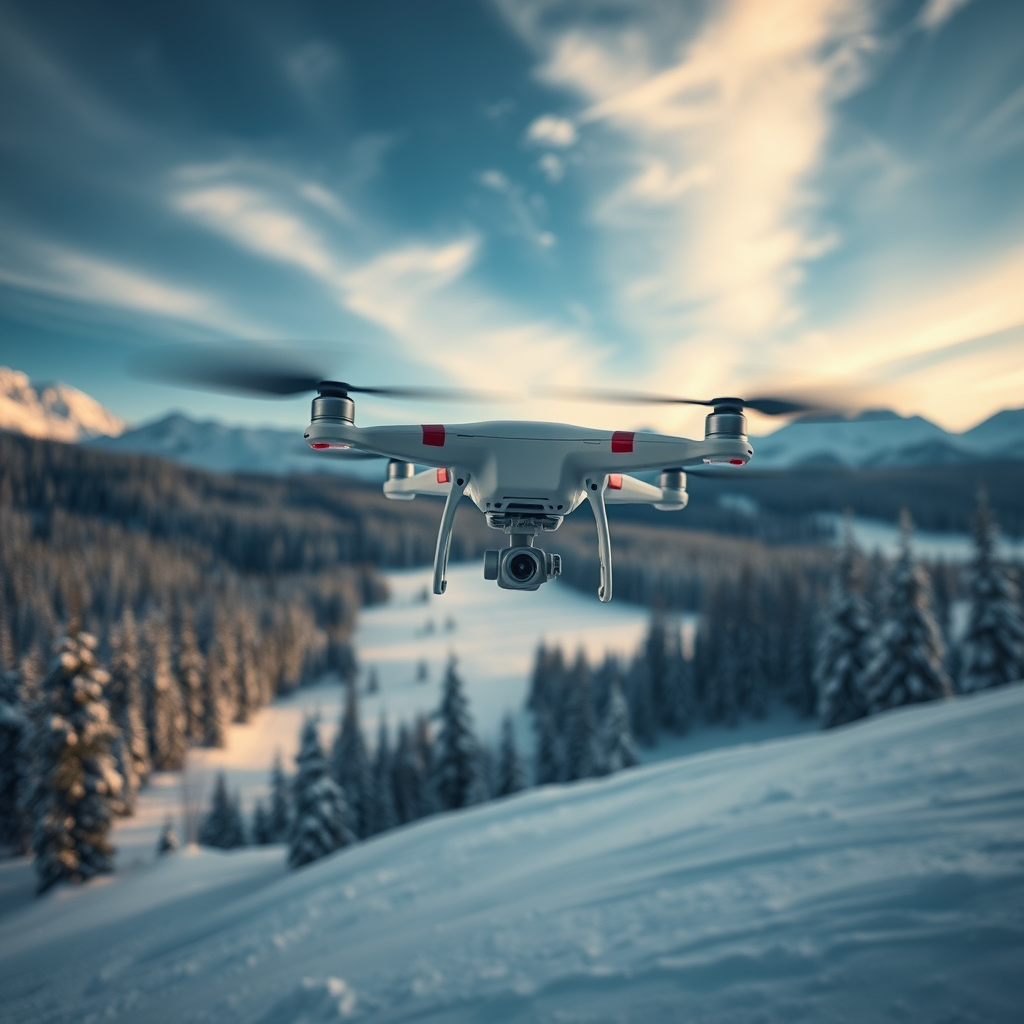
Yes, you can use drones at ski resorts, but there are specific regulations and guidelines you must follow. The use of drones in these picturesque snowy locales can enhance your experience, offering breathtaking aerial perspectives and valuable insights into the surrounding environment. However, it is essential to recognize that many ski resorts enforce restrictions designed to ensure the safety of guests, staff, and wildlife. This article will cover the essential aspects of using drones in these snowy locales, providing a thorough understanding of regulations, safety considerations, resort policies, and more.
Understanding Drone Regulations at Ski Resorts
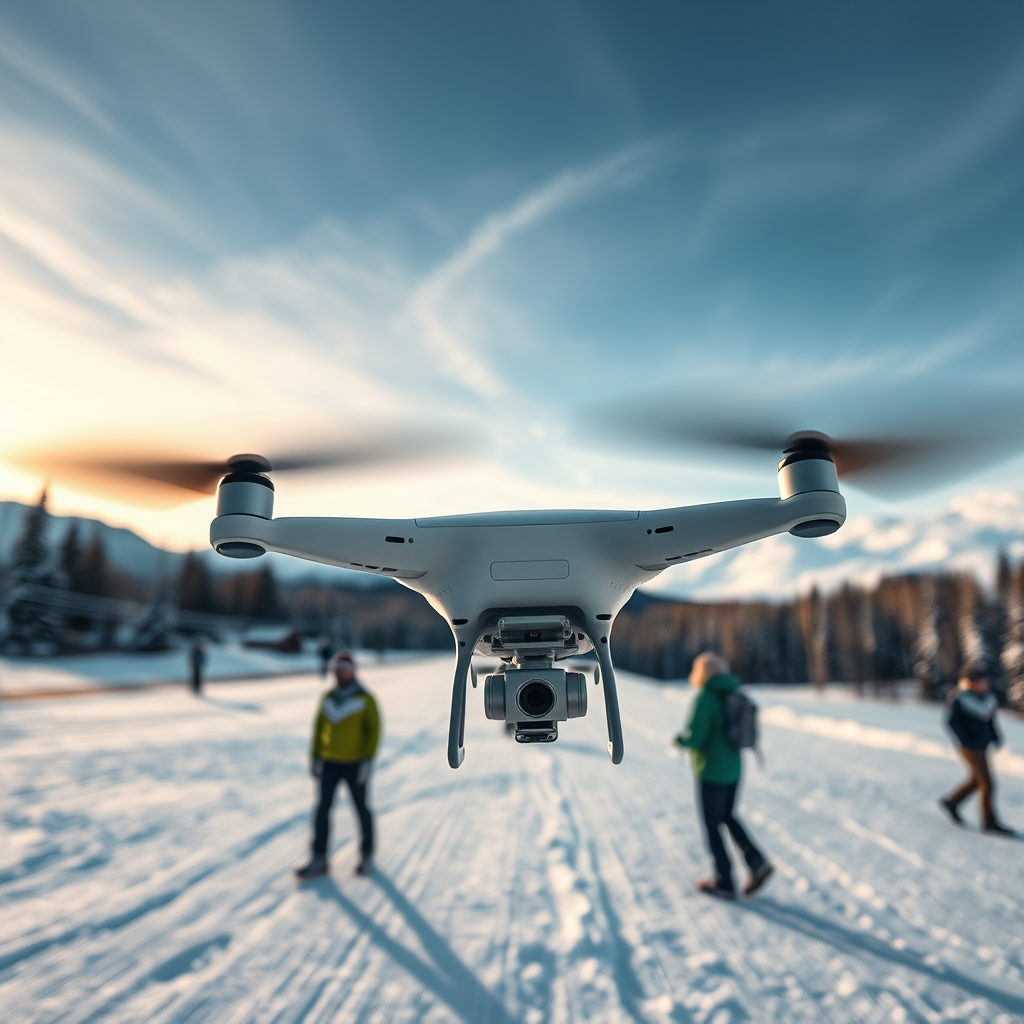
Drone regulations at ski resorts are primarily governed by the Federal Aviation Administration (FAA) in the United States. The FAA mandates that all drone operators must adhere to specific guidelines, including registering their drones, flying below 400 feet, and keeping their drones within visual line-of-sight. Furthermore, drone pilots must avoid flying near people, moving vehicles, or densely populated areas, which includes ski slopes when skiers and snowboarders are present.
In addition to federal regulations, local laws and resort-specific policies may impose further restrictions. Some states or municipalities have enacted laws that regulate drone usage in parks, natural reserves, or ski areas. For example, resorts located in national parks, like Yellowstone, typically prohibit drone flying altogether due to concerns about wildlife and the natural environment. To ensure compliance, it is advisable to check both FAA regulations and any local laws that may apply before planning your drone flight.
Safety Considerations for Drones on the Slopes
Operating a drone at a ski resort comes with inherent risks that need to be managed to ensure the safety of everyone on the slopes. Drones can pose dangers to skiers and snowboarders if not operated with caution; collisions with a drone can cause serious injury. Therefore, it is crucial for drone operators to maintain a safe distance from people and to refrain from flying in crowded areas.
Weather conditions also significantly impact drone performance. High winds, snowfall, and low visibility can make flying a drone challenging and even dangerous. For instance, strong gusts can lead to loss of control, while snow can obstruct the drone’s sensors and cameras, affecting its functionality. It is vital to assess weather conditions carefully and to avoid flying during inclement weather or when visibility is compromised.
Resort Policies on Drone Usage
Not all ski resorts have the same stance on drone usage, and policies can vary widely. Some resorts may prohibit drone operations entirely, primarily due to safety concerns and the desire to maintain a pleasant atmosphere for guests. For example, well-known resorts like Aspen and Vail have established strict no-drone policies to avoid disruptions to the skiing experience.
Conversely, other resorts may allow drone usage in designated areas or during specific times, such as off-peak hours when fewer guests are present. For instance, some smaller resorts may have designated zones where drone flying is permitted, often requiring operators to obtain prior approval. Always consult the resort’s website or contact management directly to understand their specific drone policies before your visit.
Benefits of Using Drones at Ski Resorts
Despite the regulations, there are numerous benefits to using drones at ski resorts, particularly for photographers and videographers. Drones can capture stunning aerial photography and videos, allowing operators to showcase the beauty of the mountains and the ski experience from unique perspectives. Aerial shots can highlight expansive landscapes, capture the thrill of skiing, and provide a visual narrative that traditional photography cannot achieve.
Additionally, drones can enhance safety in remote areas of ski resorts. By providing aerial surveillance, drones can assist ski patrols in monitoring challenging terrain, identifying potential hazards, and locating lost skiers. In emergencies, drones equipped with cameras can provide real-time footage to first responders, facilitating timely and effective rescue operations.
Alternatives to Using Drones
If drone regulations or resort policies make it challenging to fly your drone at a ski resort, there are several alternative options that can still help capture your experience. One effective alternative is to hire a professional drone service. Many photographers specialize in aerial photography using drones and are familiar with local regulations, ensuring compliance while capturing stunning images and videos.
Another option is to utilize action cameras, such as GoPros, or handheld cameras. These devices can provide high-quality footage and photographs without the complexities associated with flying a drone. Mounting a GoPro on a helmet or ski pole can allow for dynamic shots that convey the excitement of skiing while avoiding potential issues with drone regulations.
Best Practices for Responsible Drone Flying
If you decide to operate a drone at a ski resort, adhering to best practices is essential for ensuring a safe and enjoyable experience for everyone. First and foremost, always respect the privacy of other guests. Avoid flying over people, especially in crowded areas, and be mindful of capturing images or videos that may include individuals without their consent.
Following local guidelines and obtaining any necessary permits is also crucial. Each ski resort may have specific rules regarding drone operations, and failure to comply can result in fines or bans from the resort. Additionally, it is a good practice to notify ski patrol or resort management of your intent to fly a drone, allowing them to be aware and provide any necessary assistance.
Maintaining situational awareness is key when flying a drone in dynamic environments such as ski resorts. Always be on the lookout for changing weather conditions, other skiers, and wildlife, and be prepared to land your drone if necessary.
In conclusion, while using drones at ski resorts is possible, it is crucial to adhere to regulations and resort policies to ensure everyone’s safety and enjoyment. Familiarizing yourself with FAA guidelines, local laws, and resort-specific rules will help ensure that your drone experience is both rewarding and compliant. If you’re considering flying a drone, check with the resort and familiarize yourself with local laws to have a successful experience that captures the beauty of the slopes without compromising safety.
Frequently Asked Questions
Can you use drones at ski resorts for capturing aerial footage?
Yes, you can use drones at ski resorts to capture stunning aerial footage, but it is crucial to check the specific rules and regulations of the resort. Many ski resorts have designated areas where drone use is permitted, while others may prohibit it altogether for safety and privacy reasons. Always obtain necessary permits and respect the local wildlife to ensure responsible drone operation.
What are the regulations for flying drones at ski resorts?
The regulations for flying drones at ski resorts can vary significantly depending on the location and the resort’s policies. Generally, you must adhere to FAA guidelines, which include flying below 400 feet, keeping your drone in sight, and avoiding crowded areas. Additionally, many resorts require special permissions or may have no-fly zones, especially during peak season. Always check with the resort before your visit to ensure compliance.
How do I find ski resorts that allow drone use?
To find ski resorts that permit drone use, start by researching online and checking the official websites of ski resorts. Look for sections on their policies regarding drones or contact the resort directly for clarification. Online forums and drone enthusiast communities can also provide insights and recommendations on ski resorts that are more drone-friendly.
Why is drone usage often restricted at ski resorts?
Drone usage is often restricted at ski resorts primarily due to safety concerns, privacy issues, and the potential for disrupting wildlife. Drones can pose hazards to skiers and snowboarders, especially in crowded areas or during busy times. Additionally, the noise and visual distraction of drones can detract from the natural beauty of the mountain environment, leading many resorts to implement restrictions.
What are the best practices for flying a drone at ski resorts?
The best practices for flying a drone at ski resorts include obtaining prior permission from the resort, staying informed about local regulations, and flying responsibly. Always maintain a safe distance from skiers, avoid flying over crowded areas, and respect the privacy of others. Additionally, be mindful of weather conditions, as wind and snow can impact drone performance and safety.
