
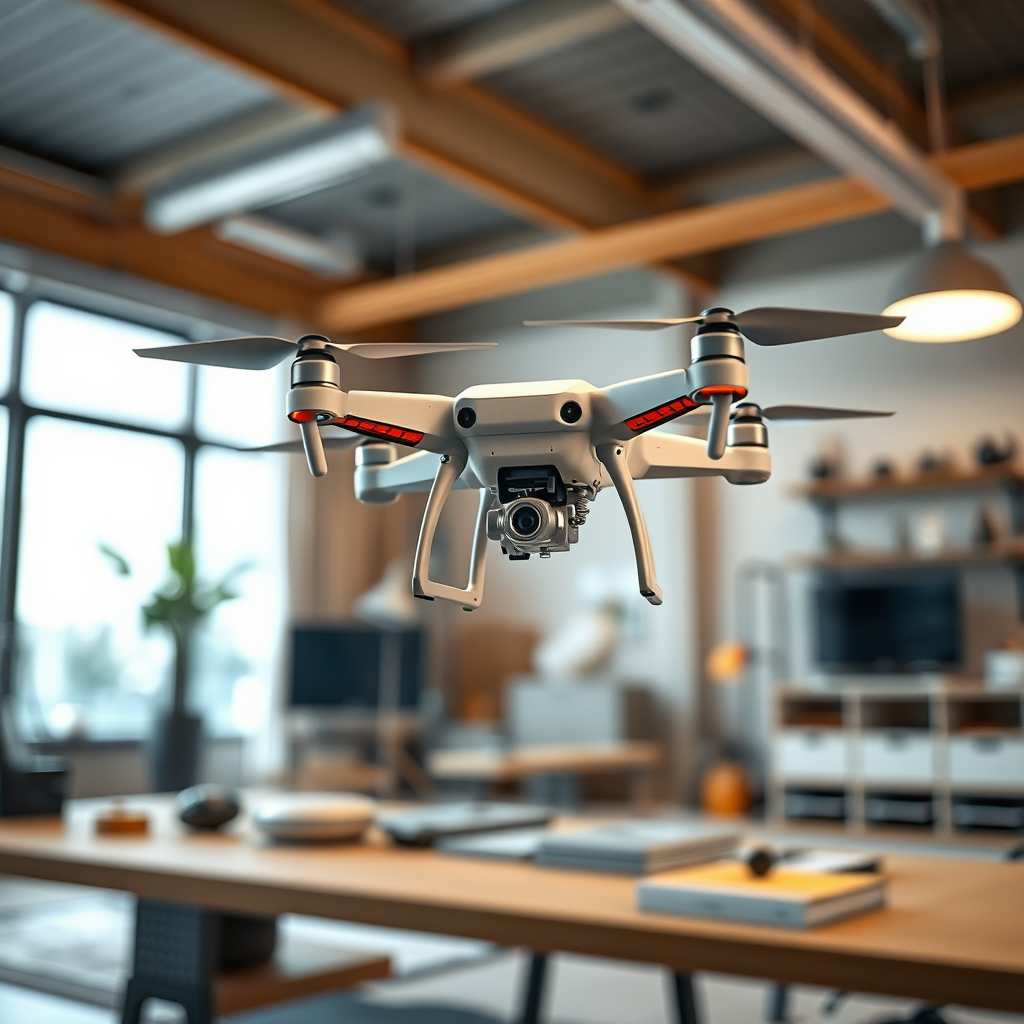
Drones are transforming the construction industry by significantly enhancing efficiency, safety, and data collection capabilities. Their ability to perform site surveys, monitor progress, and inspect hard-to-reach areas allows construction managers to streamline project management and make informed decisions. As technology advances, the utilization of drones continues to evolve, paving the way for innovative applications and increased productivity in construction projects.
Site Surveying and Mapping
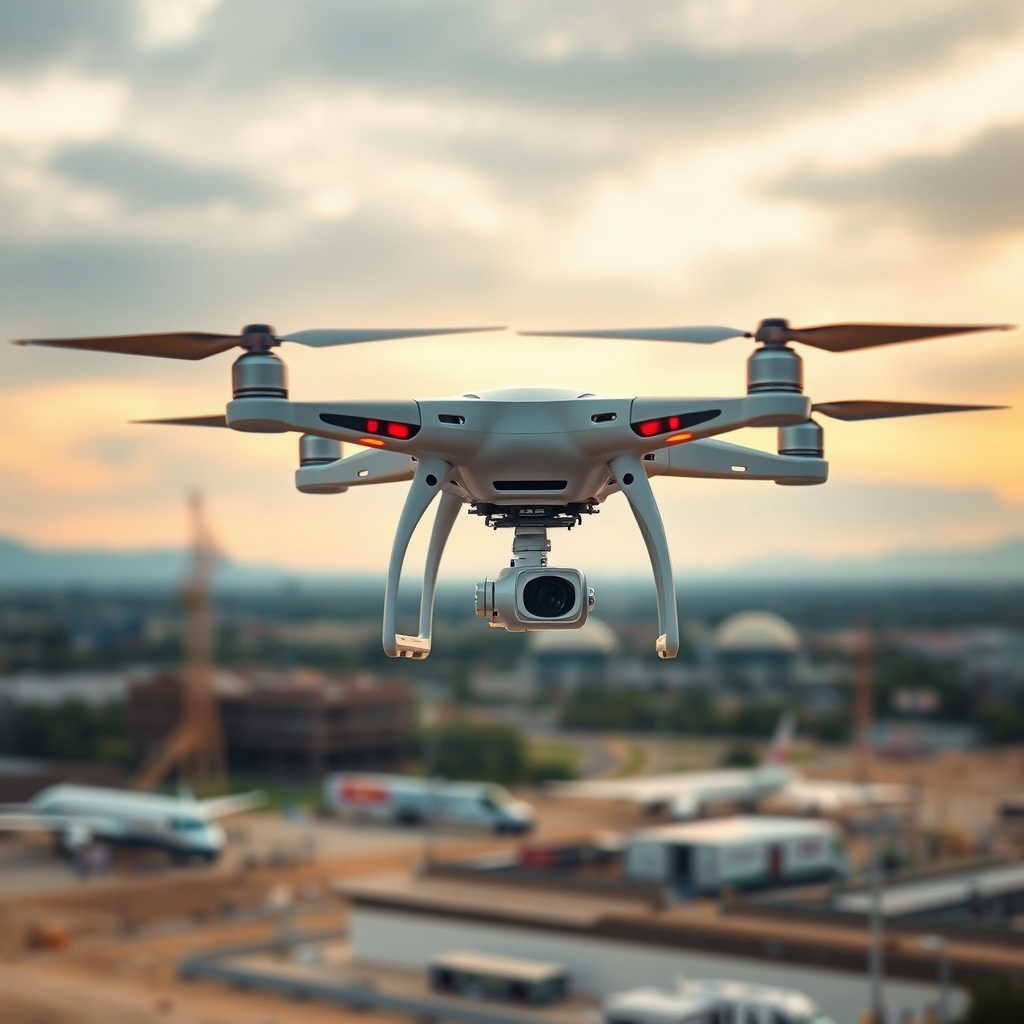
Drones provide high-resolution aerial imagery for accurate site mapping, enabling construction professionals to visualize project sites from a comprehensive perspective. By capturing detailed images and data points, drones eliminate the guesswork associated with traditional survey methods, which often require extensive manpower and time. For instance, a drone equipped with photogrammetry software can create detailed 3D models and topographical maps within hours, compared to days or weeks needed for conventional surveying techniques. This rapid data capture not only accelerates the planning phase but also enhances the accuracy of project blueprints, ultimately leading to smarter decision-making.
Moreover, drones can assist in monitoring land changes over time, allowing for ongoing assessments during the construction process. By providing a bird’s-eye view of the site, they can help identify potential issues related to land stability, drainage, and environmental impact. This proactive approach to site surveying is crucial for mitigating risks and ensuring compliance with regulations.
Project Monitoring
Drones enable real-time monitoring of construction progress, which is essential for ensuring that timelines and budgets are adhered to. By capturing regular aerial footage, project managers can visually assess the state of construction and quickly identify any deviations from the schedule. This capability allows for timely interventions, which can prevent costly delays and keep projects on track.
Additionally, drones can be used to create time-lapse videos that document the construction process for stakeholders, such as clients, investors, and regulatory bodies. These videos not only serve as a visual record of progress but also enhance transparency and accountability. For example, using drones to document a large-scale infrastructure project can provide stakeholders with a clear understanding of milestones achieved, thereby building trust and confidence in the management team’s capabilities.
Safety Inspections
Safety is paramount in construction, and drones significantly enhance site safety by inspecting hazardous areas without putting workers at risk. For example, drones can easily navigate rooftops, scaffolding, and other hard-to-reach locations, allowing for thorough inspections without the need for scaffolding or ladders. This capability is particularly beneficial in identifying structural issues, such as cracks or corrosion, that might otherwise go unnoticed until they pose a serious risk.
Furthermore, drones can be equipped with thermal imaging cameras to detect heat anomalies in buildings, which can indicate insulation failures or electrical issues. By identifying these potential safety violations early, construction teams can address them proactively, ultimately reducing the risk of accidents and ensuring a safer work environment.
Material Delivery
Drones have the potential to revolutionize the way materials are delivered on construction sites. They can transport small materials, tools, or equipment to remote or hard-to-access locations, streamlining logistics and reducing manual labor. For instance, in a large construction project where materials need to be delivered to various elevations or inaccessible areas, drones can quickly and efficiently make these deliveries, saving time and increasing overall productivity.
The use of drones for material delivery can also minimize the wear and tear on machinery and reduce fuel costs associated with traditional delivery methods. By integrating drones into their logistics strategies, construction companies can optimize their workflows and focus on more critical tasks, ultimately improving project outcomes.
Data Collection and Analysis
Drones equipped with advanced sensors can gather a wealth of data for analysis, including thermal imaging for energy efficiency assessments and LiDAR for precise measurements. This data collection process allows construction teams to conduct comprehensive analyses that inform better decision-making throughout the project lifecycle. For example, thermal imaging can help identify areas where energy loss occurs, guiding teams to implement more efficient insulation solutions.
Moreover, drones can facilitate environmental monitoring by collecting data on air quality, noise levels, and other ecological factors. By analyzing this information, construction teams can ensure compliance with environmental regulations and minimize their impact on local ecosystems. The integration of these data-driven insights enables construction companies to operate more sustainably and responsibly.
Cost Reduction
Utilizing drones can lead to significant cost savings for construction companies by reducing labor hours needed for surveying, inspections, and material delivery. The efficiency gained from drone technology means that fewer personnel are required on-site, allowing companies to allocate resources more effectively. For instance, a study showed that drone surveying can reduce the time spent on site surveys by up to 75%, translating to substantial labor cost savings.
Additionally, drones help minimize material waste through accurate data collection and monitoring. By providing precise measurements and insights, construction teams can avoid over-ordering materials and ensure that resources are used efficiently. This not only reduces costs but also contributes to more sustainable construction practices.
Future Trends in Drone Use
As technology continues to advance, the future of drone use in construction holds exciting possibilities. The integration of artificial intelligence (AI) and machine learning could enhance data analysis and predictive modeling, allowing construction teams to anticipate challenges and optimize workflows proactively. For instance, AI algorithms could analyze historical project data to forecast potential delays or budget overruns, enabling teams to implement preventive measures early on.
Moreover, advancements in drone automation may lead to increased capabilities, such as autonomous construction tasks where drones can perform specific functions without human intervention. This could further streamline operations and enhance overall project efficiency. As regulatory frameworks evolve to accommodate these advancements, the construction industry will likely see greater adoption of drone technology in various applications.
In summary, the incorporation of drones in construction offers numerous benefits, including improved efficiency, enhanced safety, and significant cost savings. From site surveying and project monitoring to safety inspections and data analysis, drones are proving to be invaluable tools for modern construction practices. As technology continues to evolve, the potential applications of drones in construction will only expand, making them an essential asset for builders and project managers alike.
Frequently Asked Questions
What are the primary uses of drones in construction projects?
Drones are increasingly utilized in construction projects for a variety of tasks, including site surveying, mapping, and monitoring progress. They can capture high-resolution aerial images and videos, allowing project managers to assess site conditions and plan effectively. Additionally, drones are used for inspection of hard-to-reach areas, providing valuable data without the need for scaffolding or ladders, which enhances safety and efficiency.
How do drones improve safety on construction sites?
Drones enhance safety on construction sites by enabling remote inspections and monitoring, thereby reducing the need for workers to access hazardous areas. By providing real-time aerial footage and data analysis, drones can identify potential risks, such as structural flaws or unsafe conditions, allowing for timely interventions. This proactive approach minimizes workplace accidents and promotes a safer environment for all personnel involved.
Why should construction companies invest in drone technology?
Investing in drone technology offers construction companies numerous benefits, including increased efficiency, cost savings, and improved project timelines. Drones can significantly reduce the time required for surveying and inspections, leading to faster decision-making and project execution. Furthermore, the data collected by drones enhances project documentation and transparency, which can improve communication with stakeholders and lead to more successful project outcomes.
What are the best drones for construction site surveying?
The best drones for construction site surveying typically include models with high-resolution cameras, GPS capabilities, and long flight times. Popular options include the DJI Phantom 4 RTK for its accuracy and mapping features, and the senseFly eBee X, which offers versatility for larger sites. These drones are equipped with advanced sensors and can produce detailed 2D and 3D maps, making them ideal for construction applications.
Which regulations should construction companies follow when using drones?
Construction companies must adhere to specific regulations set by aviation authorities, such as the Federal Aviation Administration (FAA) in the United States, when using drones. This includes obtaining the necessary licenses for commercial drone operation, adhering to flight altitude restrictions, and ensuring that drones are flown within the pilot’s line of sight. Additionally, companies should be aware of local laws regarding privacy and data collection to ensure compliance and mitigate legal risks.
References
- https://en.wikipedia.org/wiki/Drone_technology
- https://www.nist.gov/news-events/news/2021/03/using-drones-construction-industries
- https://www.constructiondive.com/news/how-drones-are-changing-the-construction-industry/605399/
- https://www.sciencedirect.com/science/article/pii/S1877705821001774
- https://www.researchgate.net/publication/331817805_The_Use_of_Drones_in_Construction_Management
- https://www.unm.edu/~cse/people/adamdroneconstruction.pdf
- https://www.abc.org/News/2021/December/Use-of-Drones-in-Construction-Industry
- https://www.naiop.org/Research-and-Publications/Magazine/2020/Winter-2020-Issue-1/Development-Ownership/How-Drones-Are-Transforming-the-Construction-Industry
