
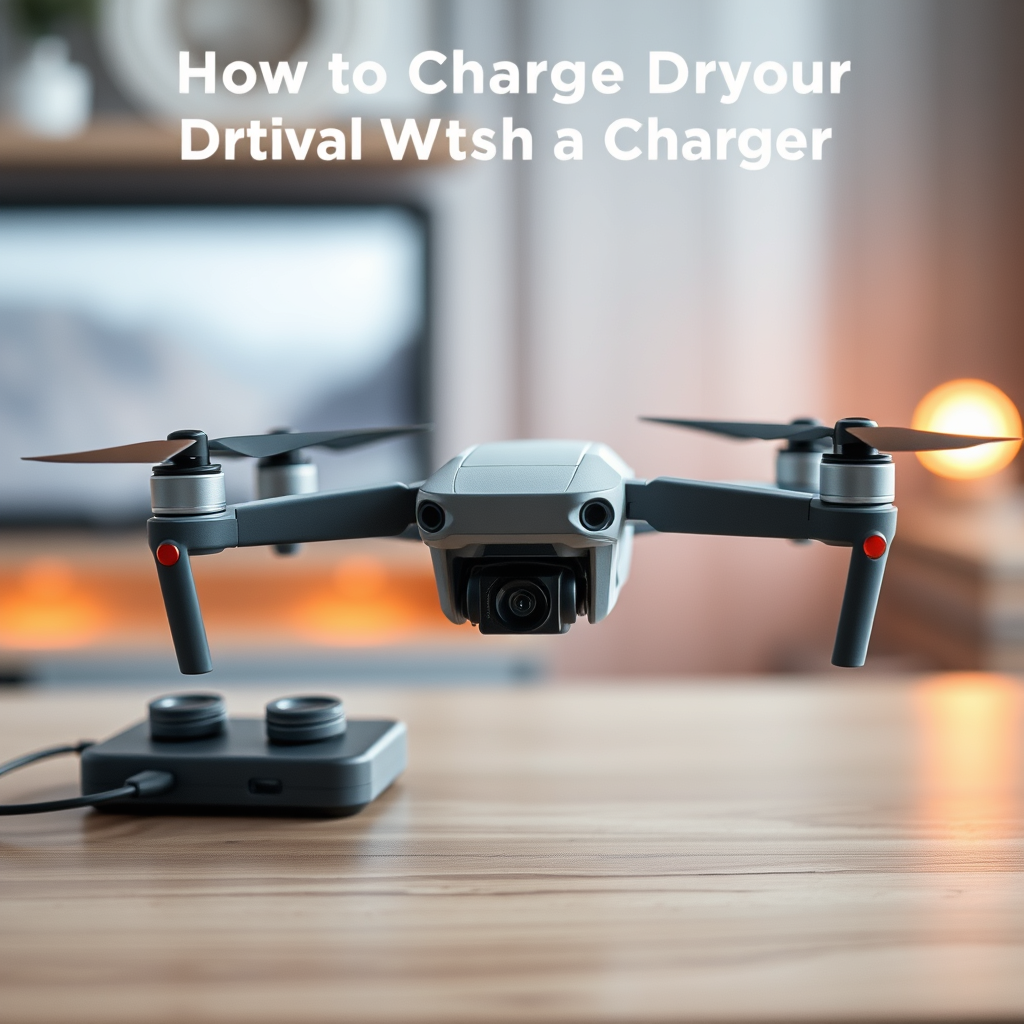
You can charge your drone without a charger by using alternative power sources like USB ports, power banks, or even car batteries. This can be particularly useful in emergencies or when you’re away from traditional charging options. By leveraging these methods, you can keep your drone operational, ensuring you capture those stunning aerial shots or complete important flights. Here, we’ll delve into various alternatives to charging your drone, providing practical insights and safety tips to enhance your experience.
Using a USB Port
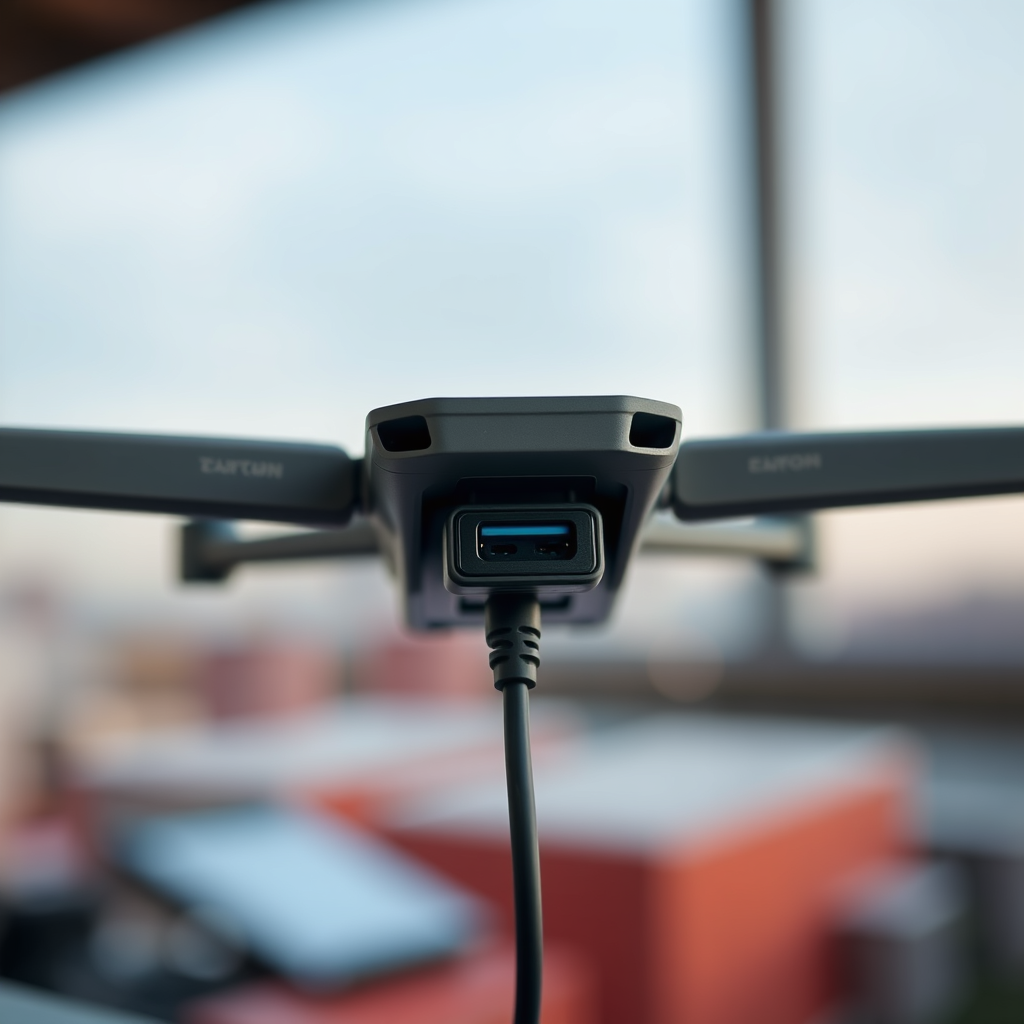
Many modern drones are designed with convenience in mind and include USB charging capabilities. This feature allows you to connect your drone to a variety of power sources, such as a laptop, power bank, or wall adapter equipped with a USB port. To utilize this method, first check your drone’s specifications to confirm if it supports USB charging. Most consumer drones from reputable manufacturers come with this feature, but it’s always good to verify.
When charging via USB, ensure that the device you’re connecting to can provide sufficient power. For instance, a typical USB port on a laptop may supply approximately 5 volts, which is generally adequate for small drones. However, larger drones with high-capacity batteries might require more power than a standard USB port can deliver, making it essential to select the right device. For optimal results, consider using a USB wall adapter with a higher output, such as 2.1 amps or more, which can expedite the charging process.
Power Banks as Charging Solutions
Power banks have become a ubiquitous accessory in today’s tech-savvy world, and they can serve as an excellent solution for charging your drone on the go. When choosing a power bank, ensure it has sufficient output voltage and capacity to match your drone’s requirements. Most drones require a voltage of around 11 to 15 volts, so look for a power bank that can provide this output.
Additionally, a power bank with a built-in battery indicator is advantageous, as it allows you to monitor the charge levels easily. When using a power bank, connect it to your drone’s charging port using a suitable cable. Keep in mind that the charging speed may vary depending on the power bank’s capacity and the drone’s battery specifications. For example, a high-capacity power bank with a 20,000 mAh rating can fully charge smaller drones multiple times, making it a practical solution for extended outdoor adventures.
Car Battery Charging
Charging your drone using a car battery is another viable alternative, especially for those who spend a lot of time outdoors or on long road trips. To do this effectively, you will need a car charger adapter that is compatible with your drone’s battery specifications. These adapters can be connected directly to the car’s cigarette lighter or power outlet, providing a convenient charging solution while on the move.
Before proceeding, it is crucial to follow safety precautions to avoid damaging either your drone or your car’s battery. Ensure that the car is running while charging to prevent draining the car battery. Additionally, monitor the charging process closely; most drone batteries have built-in protection systems that prevent overcharging, but it’s always wise to be cautious. For example, if you are using a 12V drone battery, make sure that the car charger output aligns with this requirement to avoid potential damage.
Solar Charging Options
For outdoor enthusiasts or those who frequently find themselves in remote locations, solar chargers can be an innovative and eco-friendly solution for charging drones. Choosing a solar charger that is compatible with your drone’s battery specifications is essential. These chargers work by converting sunlight into electrical energy, making them ideal for charging when traditional power sources are unavailable.
When selecting a solar charger, consider its output power and efficiency. Look for models that can produce at least 20 watts, which is typically sufficient for charging most consumer drones. Many solar chargers are portable and come with multiple output options, allowing you to charge various devices simultaneously. For instance, if you plan a day of drone flying in a sunny area, a solar charger can keep your drone powered without relying on other charging methods, providing you with the freedom to explore the outdoors.
Wireless Charging Technology
If your drone supports wireless charging, this method can offer a convenient and clutter-free way to keep your device powered. Wireless charging technology eliminates the need for cables, allowing you to simply place your drone on a compatible charging pad. Ensure that the wireless charging pad is stable and positioned on a flat surface to avoid any unintended movement during the charging process.
To utilize this method effectively, check your drone’s specifications to confirm that it supports wireless charging. Additionally, invest in a quality wireless charging pad that matches the required wattage and voltage for your drone. For instance, many drones require a charging pad capable of delivering at least 10W for efficient charging. This method not only simplifies the charging process but also reduces wear and tear on charging ports over time.
DIY Charging Methods
For those with a penchant for tech and DIY projects, creating a custom charging solution can be both rewarding and functional. This might involve using a compatible battery with a custom charging cable to power your drone. However, this approach requires a thorough understanding of electronics and the risks involved; improper execution may lead to battery damage or void warranties.
When exploring DIY methods, it’s essential to use high-quality components that match your drone’s specifications. Research thoroughly and consider seeking advice from experienced hobbyists or forums dedicated to drone technology. Be aware of the potential hazards, such as overheating or electrical short circuits, and ensure you have the necessary safety measures in place to mitigate risks.
Safety Considerations When Charging
Regardless of the method you choose to charge your drone, safety should always be your top priority. It’s essential to monitor the charging process closely to prevent overheating or battery damage. High-quality cables and connectors are vital to minimize risks during alternative charging methods. Always use cables specifically designed for your drone to avoid compatibility issues.
Additionally, never leave your drone unattended while charging. Keep an eye on the battery temperature; if it becomes excessively hot, disconnect the power source immediately. This vigilance helps in preventing accidents and prolongs the life of your drone’s battery. Furthermore, be cautious when using makeshift charging solutions, as these can introduce additional risks if not executed properly.
To sum up, charging your drone without a charger is possible through various methods like USB ports, power banks, or car batteries. Each alternative has its own set of advantages and precautions, so it’s crucial to choose the one that best fits your situation. Always prioritize safety and check compatibility to ensure your drone is charged efficiently and safely. By being resourceful and informed, you can enjoy uninterrupted drone flying experiences, regardless of your location or circumstances.
Frequently Asked Questions
What alternatives can I use to charge my drone battery without its original charger?
If you don’t have your drone’s original charger, you can consider using a USB cable connected to a power bank, computer, or USB wall adapter, provided the voltage and amperage match your drone’s specifications. Additionally, some users have successfully utilized a universal battery charger that supports the specific battery type of their drone. Always ensure that the connection is secure and compatible to avoid damaging the battery.
How can I charge my drone battery using a car battery?
Charging your drone battery with a car battery is possible by using a DC to DC converter that matches your drone battery’s voltage requirements. Attach the converter to the car battery and connect the output to your drone battery. However, this method requires caution, as improper connections could lead to battery damage or safety hazards, so always double-check compatibility and connections before proceeding.
Why is it important to use the correct voltage when charging a drone battery without a charger?
Using the correct voltage when charging a drone battery is crucial because an incorrect voltage can lead to overcharging or undercharging, which can damage the battery and significantly reduce its lifespan. Overcharging can cause overheating, swelling, or even fire, while undercharging may result in insufficient power for flight. Always verify that any alternative charging method matches the drone battery’s specifications to ensure safe and effective charging.
What are the risks of charging my drone battery with alternative methods?
Charging your drone battery using alternative methods can pose several risks, including damaging the battery, voiding warranties, and creating safety hazards such as fire or explosions. If the voltage or amperage is incorrect, you could also experience reduced flight times or battery life. It’s essential to proceed with caution and ideally consult the drone manufacturer’s guidelines before attempting any non-standard charging methods.
Which portable power sources are best for charging my drone when I’m on the go?
The best portable power sources for charging your drone while on the go include high-capacity power banks that offer multiple USB outputs and have Quick Charge capabilities. Look for power banks that specifically support your drone’s battery voltage and capacity. Additionally, solar chargers can be a great eco-friendly option, particularly for outdoor enthusiasts, as they provide a renewable energy source to recharge your drone batteries in remote locations.
References
- https://en.wikipedia.org/wiki/Drone
- https://www.faa.gov/uas/getting_started/part_107/
- https://www.nasa.gov/mission_pages/
- https://www.researchgate.net/publication/323123456_Technology_for_Charging_Drones
- https://www.sciencedirect.com/science/article/pii/S036013231930511X
- https://www.techradar.com/news/how-to-charge-your-drone-without-a-charger
