
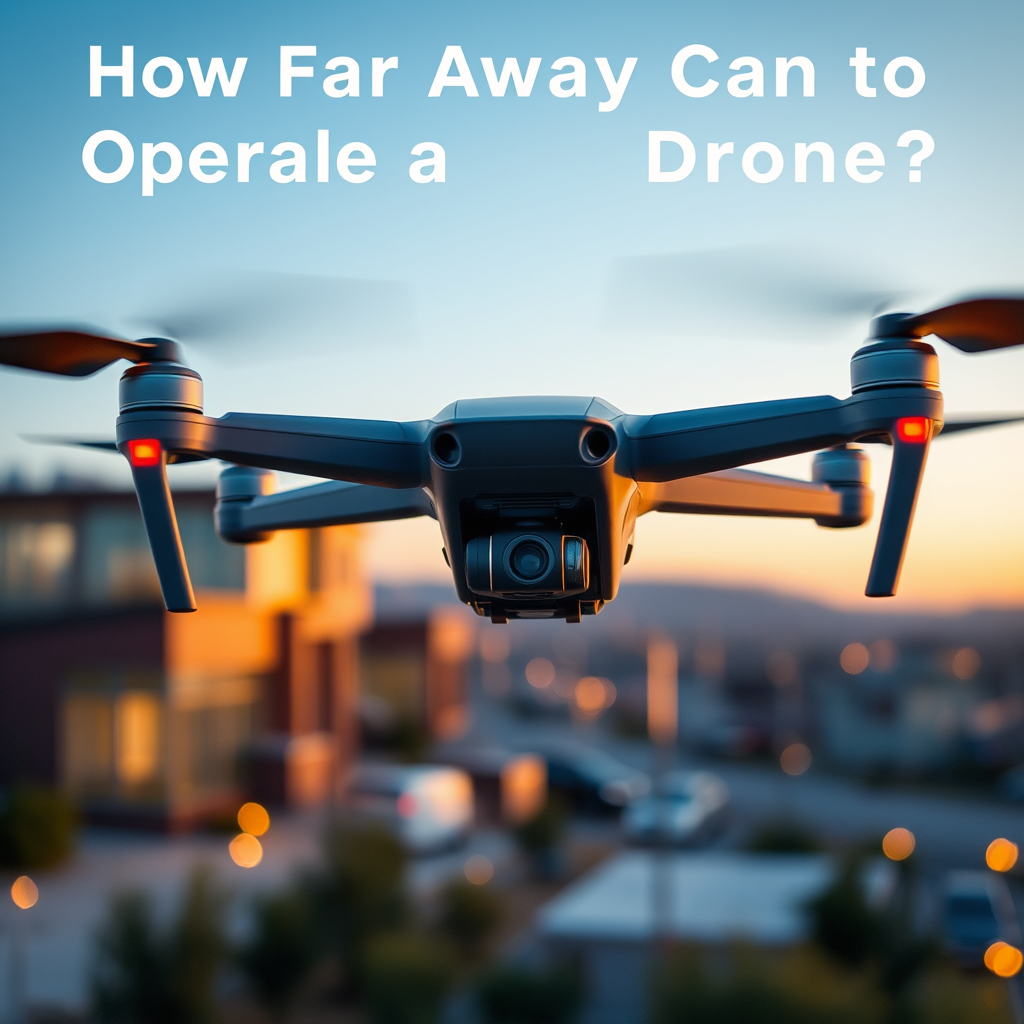
You can typically operate a drone up to several miles away, depending on the model and local regulations. However, factors such as line of sight, signal strength, and battery life significantly influence this range. Understanding these aspects is vital for both recreational and commercial drone operators. In this article, we will delve into the various elements that determine how far you can safely and legally fly a drone, ensuring that you are well-informed and able to maximize your drone’s potential.
Understanding Drone Operating Range
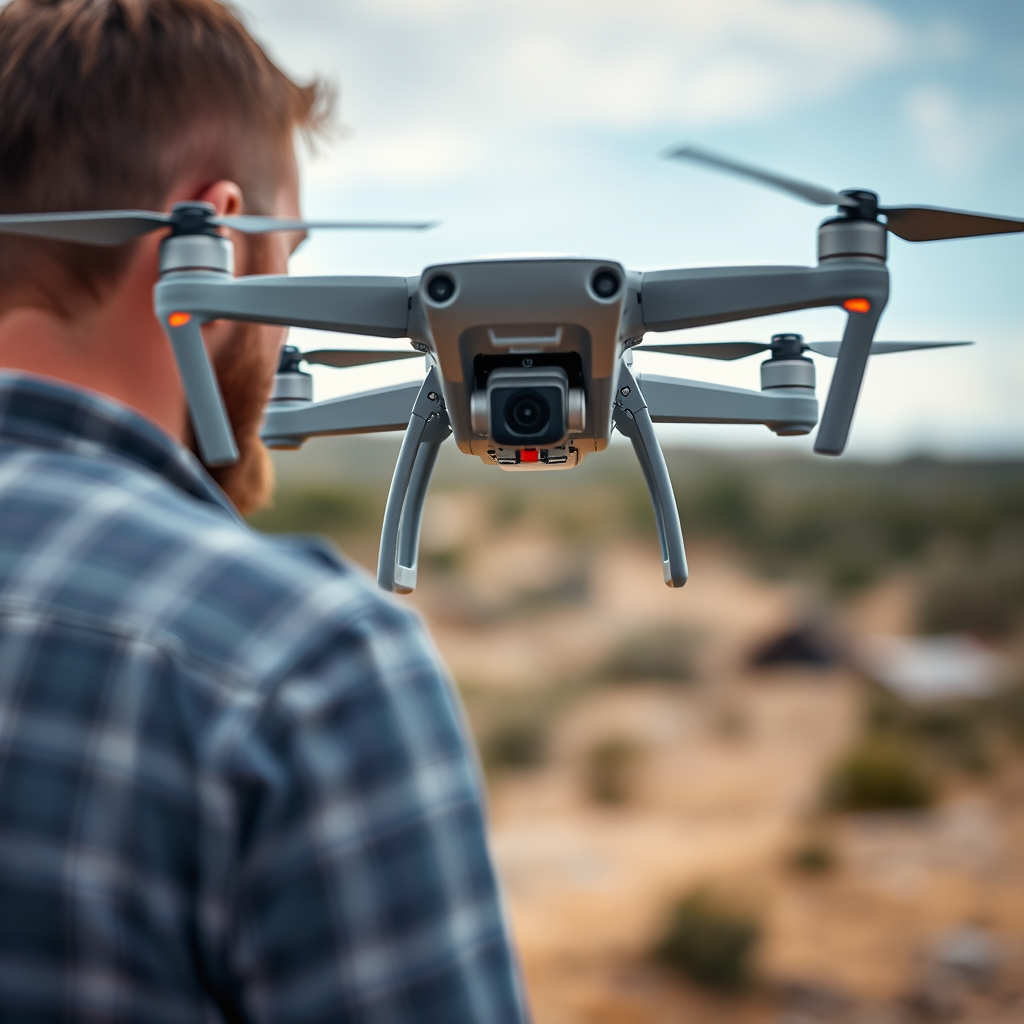
Drones have varying ranges based on their specifications and technology. The operating range is defined by the distance between the drone and its controller, which is influenced by several factors including the drone’s communication systems, battery life, and the environment in which it operates. Most consumer drones can operate within a 1-7 mile radius under ideal conditions. For instance, popular models like the DJI Mavic Air 2 can achieve a maximum range of approximately 10 kilometers (about 6.2 miles) under optimal conditions, while entry-level drones may only achieve a range of a few hundred meters.
In addition to the inherent capabilities of the drone, the type of controller used can also impact the range. Advanced controllers may utilize technology such as OcuSync or Lightbridge, which enhance the communication link between the drone and the pilot, thereby extending the operational range. Understanding these specifications is critical for anyone looking to leverage the full potential of drone technology.
Factors Affecting Drone Range
Line of sight is crucial when operating a drone; FAA regulations often require the drone to remain within visual line of sight (VLOS) of the operator. This means that the operator must be able to see the drone without the aid of binoculars or other visual enhancement tools. This regulation is in place to ensure safety and accountability. When operating beyond VLOS, the risk of losing control increases significantly, which can lead to accidents or the drone being lost altogether.
Environmental factors, such as obstacles and weather conditions, can also limit effective range. Urban areas with tall buildings, trees, and other structures can obstruct the signal between the drone and its controller, leading to loss of connection. Similarly, adverse weather conditions like rain, fog, or high winds can further diminish the operational range. Pilots should always take these factors into account before embarking on long-distance flights, as flying in less-than-ideal conditions can jeopardize both the drone’s safety and the success of the mission.
Types of Drones and Their Ranges
The type of drone you choose significantly impacts its operational range. Consumer drones, which are designed for recreational use, typically have shorter ranges than professional or racing drones. For example, popular consumer models from DJI, like the Phantom series, can operate within a range of approximately 4-5 miles under optimal conditions. In contrast, high-end racing drones, which are designed for speed and agility, can have ranges that exceed 10 miles depending on their configuration and the technology employed.
Professional drones, often used in commercial applications such as surveying, aerial photography, or agricultural monitoring, can boast impressive ranges due to their advanced technology and robust communication systems. For instance, the DJI Matrice 300 RTK offers a range of up to 15 kilometers (about 9.3 miles) when used with DJI’s OcuSync technology. Understanding the type of drone and its capabilities is essential for selecting the right model for your specific needs.
Legal Considerations for Drone Operation
Before operating a drone, it is imperative to familiarize yourself with local laws regarding drone use. Various countries and regions have specific regulations that may impose restrictions on flight distance, altitude, and where you can fly. For example, in the United States, the Federal Aviation Administration (FAA) requires operators to keep their drones within line of sight and prohibits flying over people unless special waivers are obtained.
Additionally, some areas may have stricter limits, such as national parks, urban zones, or near airports, where flying is completely prohibited. Always check for no-fly zones and any required permissions before operating a drone at longer distances. Failing to comply with these regulations can lead to hefty fines or legal repercussions, making it crucial for operators to stay informed about the rules governing drone use in their area.
Best Practices for Long-Distance Drone Flying
When considering long-distance drone flying, there are several best practices to follow to ensure a successful operation. First and foremost, ensure your drone is fully charged and equipped with the latest software updates. Battery life is a critical consideration, and it is advisable to plan your flight path in a manner that allows for a safe return before the battery runs low.
Utilizing range extenders or boosters can enhance the operational range of your drone, but you must be aware of the legal implications surrounding their use. Some jurisdictions may regulate the use of third-party devices that amplify signal strength or extend range. Therefore, always ensure that any equipment you use complies with local laws and guidelines.
Moreover, consider conducting test flights in a safe and controlled environment. This practice will help you understand how your drone performs under different conditions and will also prepare you for unexpected challenges during long-distance flights.
Safety Measures for Extended Drone Operation
Safety should always be a top priority when flying drones, especially over extended distances. Conducting pre-flight checks is essential to ensure that the drone is in optimal condition. This includes inspecting the battery, propellers, and any cameras or sensors that will be used during the flight. Any signs of wear or damage should be addressed before takeoff to avoid potential malfunctions.
Monitoring battery life closely is equally important to prevent loss of control during extended flights. Many drones have built-in telemetry systems that provide real-time battery data, allowing operators to make informed decisions about when to return the drone to avoid emergencies. Establishing a clear return-to-home (RTH) altitude and distance can also be beneficial, ensuring that the drone is programmed to return safely if it loses signal or battery power.
In addition to technical checks, operators should also be aware of their surroundings and adhere to safety protocols. This includes keeping a safe distance from people, animals, and property to prevent accidents and respecting privacy laws.
In conclusion, while many drones can operate several miles away, understanding the factors that influence this range is crucial for safe and legal flying. The interplay of technology, regulations, and environmental conditions shapes the operational capabilities of drones. By being informed about the types of drones available, legal considerations, best practices, and safety measures, you can maximize your drone’s potential while ensuring responsible operation. Always stay up to date with the latest regulations and guidelines to make the most of your aerial adventures.
Frequently Asked Questions
What is the maximum distance I can fly my drone from my location?
The maximum distance you can operate a drone typically depends on the drone model and local regulations. In the United States, the Federal Aviation Administration (FAA) requires that drones remain within the pilot’s line of sight, which usually translates to a range of about 1 to 2 miles for most consumer drones. However, advanced models equipped with long-range capabilities can reach distances of up to 4 to 5 miles under optimal conditions. Always check your local laws to ensure compliance.
How can I extend the operating range of my drone?
To extend the operating range of your drone, consider upgrading to a drone with enhanced transmission technology, such as those using OcuSync or Lightbridge systems, which can significantly improve range and video quality. Additionally, using high-gain antennas, ensuring a clear line of sight, and avoiding physical obstructions can help maintain connection over longer distances. It’s important to keep in mind that even with these enhancements, you must still adhere to regulations regarding line-of-sight flying.
Why is line-of-sight important when operating a drone?
Line-of-sight is crucial for drone operation primarily for safety and legal compliance. It allows the pilot to maintain visual awareness of the drone’s position and surroundings, reducing the risk of collisions with people, property, or other aircraft. In many countries, including the U.S., maintaining line-of-sight is a regulatory requirement set forth by aviation authorities to ensure safe drone operations.
What are the best practices for flying a drone at long distances?
When flying a drone at long distances, it’s essential to follow best practices to ensure safety and compliance. Always plan your flight path in advance, check for no-fly zones, and conduct a thorough pre-flight check of your drone’s battery levels and signal strength. Use reliable GPS systems and consider using a drone with built-in return-to-home features to prevent loss of connection. Remember to stay updated on local regulations and airspace restrictions.
Which factors can affect the distance I can fly my drone?
Several factors can influence the distance you can successfully operate your drone, including environmental conditions, drone technology, and local regulations. Weather conditions like wind, rain, and temperature can impact battery performance and signal strength. Additionally, interference from buildings, trees, or other electronic devices can reduce range. Always consider these factors before planning your flight to ensure a safe and successful operation.
References
- https://en.wikipedia.org/wiki/Drone
- https://www.faa.gov/uas/getting_started/remote_pilot/
- https://www.nasa.gov/feature/what-are-the-rules-for-flying-drones
- https://www.theguardian.com/technology/2021/mar/15/drone-flying-rules-uk-guide
- https://www.jstor.org/stable/10.5325/jdrone.1.1.0011
- https://www.ncbi.nlm.nih.gov/pmc/articles/PMC7501369/
- https://www.ausairpower.net/APA-NOTAM-Drone-Operations.html
