
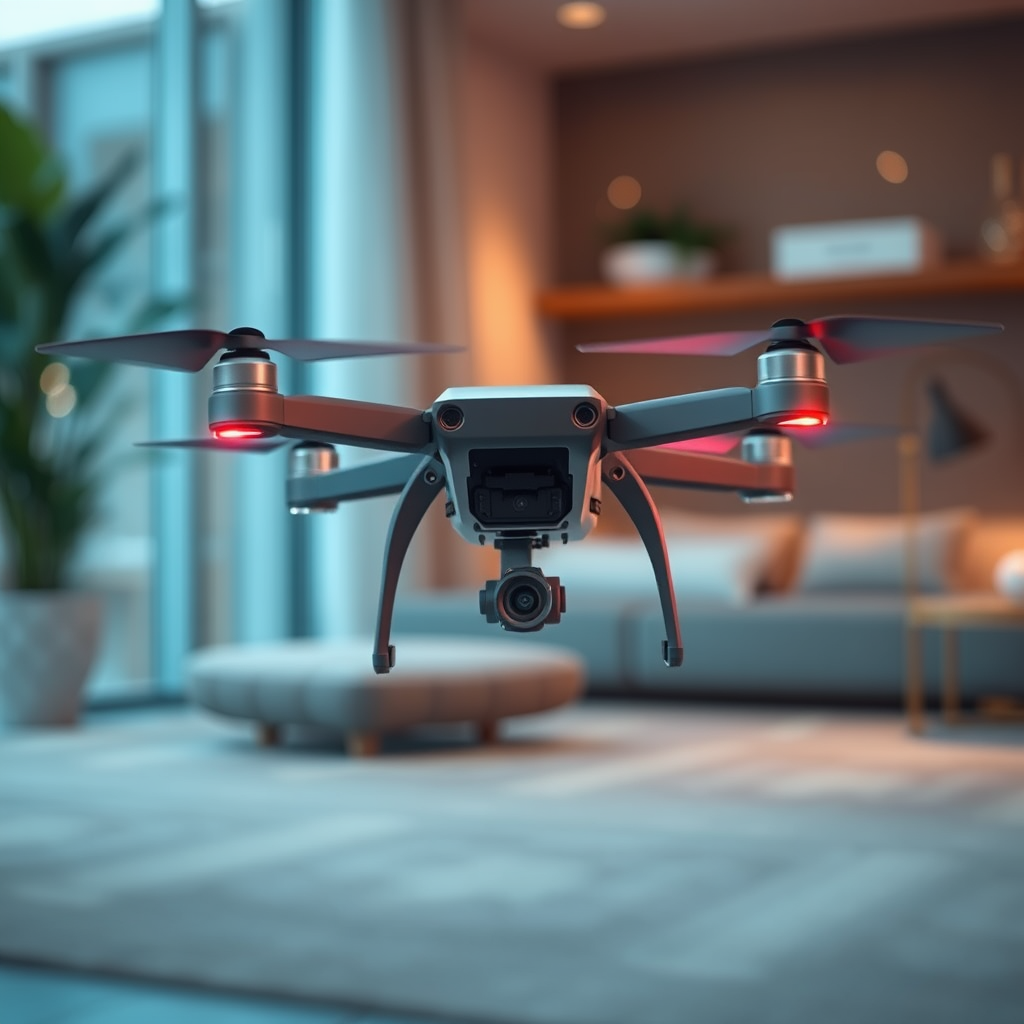
Most 2.4 GHz drones can reach distances of 1 to 3 miles, depending on factors such as the drone’s design, environmental conditions, and any obstacles in the area. Understanding these factors can help you maximize your drone’s range and performance. This blog post will delve into the mechanics of 2.4 GHz drones, the variables affecting their range, and how to optimize your flying experience.
Understanding 2.4 GHz Frequency
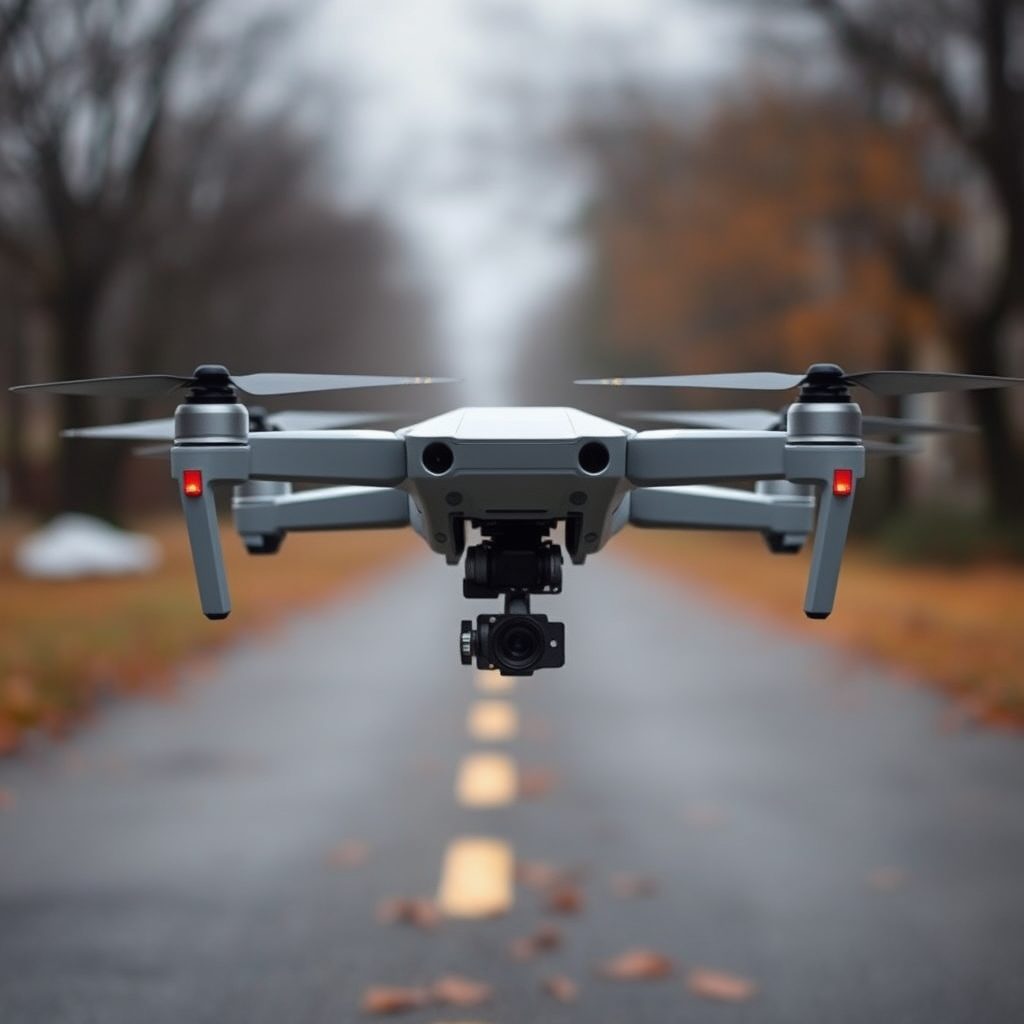
The 2.4 GHz frequency band is widely utilized in various wireless communications, including drone control and video transmission. One of its primary advantages is its ability to cover longer distances compared to higher frequencies like 5.8 GHz. This is particularly beneficial for drone enthusiasts who wish to explore vast areas without the limitations of shorter-range frequencies.
However, the 2.4 GHz frequency is not without its drawbacks. While it penetrates obstacles better and offers greater range, it is more susceptible to interference from other electronic devices that operate on the same band. Common household items such as microwaves, Bluetooth devices, and Wi-Fi routers can disrupt signals, leading to decreased performance and possible loss of control. Understanding the nuances of this frequency can help drone operators make informed decisions when planning their flights.
Factors Affecting Drone Range
Several environmental factors can significantly impact the range of a 2.4 GHz drone. Foremost among these are physical obstacles like buildings, trees, and hills. When flying in urban areas or wooded regions, signal degradation is likely, which can result in shorter operational distances. For instance, a drone may be capable of flying 3 miles unobstructed but could lose connectivity after just half a mile in a densely wooded area.
Weather conditions also play a crucial role in drone performance. Wind can influence flight stability and battery consumption, while rain can lead to equipment failure if the drone is not designed for adverse weather. A light breeze might not affect range significantly, but strong gusts can impose additional challenges, requiring pilots to adjust their flying techniques and possibly curtail their range.
Drone Design and Specifications
The design and specifications of a drone are pivotal in determining its maximum range capabilities. Drones are generally categorized into several types, including racing drones, photography drones, and surveying drones, each designed with specific functionalities in mind. For example, racing drones prioritize speed and agility, often sacrificing battery life and range for performance. Conversely, photography drones are built for stability and longer flight times, making them better suited for extended range flights.
Battery life and power output are critical components that influence how far a drone can fly. A drone equipped with a high-capacity battery and efficient motors will naturally have a longer range than one with standard specifications. For instance, a high-end photography drone might feature a battery that allows for up to 30 minutes of flight time, enabling it to cover significant distances if weather and environmental factors permit.
Signal Interference and Its Impact
Signal interference is a significant concern for drone operators, as it can dramatically affect flight range and control. Aside from common household devices, other drones flying in the vicinity may also operate on the 2.4 GHz band, further complicating the signal landscape. This interference can lead to delayed response times or complete loss of control, which is particularly dangerous if the drone is flying at a considerable distance.
To mitigate interference, drone operators can take several proactive measures. For instance, flying during less congested times or in remote locations can minimize the chances of signal disruption. Additionally, utilizing drones equipped with advanced frequency-hopping technology can help maintain a stable connection by automatically switching channels to avoid interference.
Tips to Extend Your Drone’s Range
There are various strategies drone operators can employ to extend their drone’s flying range effectively. One of the most effective methods is to use high-gain antennas, which enhance signal reception and transmission capabilities. These antennas can amplify your drone’s control signal, allowing for better performance over longer distances.
Flying in open areas with minimal obstructions is another crucial tip. When possible, choose locations that provide unobstructed line-of-sight between the drone and the controller. This practice not only improves signal strength but also allows pilots to maintain better visual control of the drone, reducing the risk of crashes or loss of connectivity.
Moreover, keeping the drone’s firmware updated can also contribute to performance enhancements, as manufacturers often release updates that improve range and stability. Regular maintenance checks to ensure that all components are functioning optimally can also help in achieving maximum range.
Regulations and Legal Considerations
Understanding the legal landscape surrounding drone operation is essential for both safety and compliance. Drone regulations vary by location, and many jurisdictions impose restrictions on where and how far drones can fly. Familiarizing oneself with local laws can help prevent legal complications and ensure safe flying practices.
In the United States, for instance, the Federal Aviation Administration (FAA) has established guidelines that regulate drone operations. These include restrictions on flying beyond visual line-of-sight, altitude limits, and requirements for registration. Adhering to these regulations not only enhances safety but also fosters a positive relationship between drone operators and regulatory bodies.
In conclusion, while a 2.4 GHz drone typically can fly up to 1 to 3 miles, various factors can influence this range. By comprehensively understanding the frequency’s characteristics, environmental obstacles, drone design, and strategies to mitigate interference, operators can enhance their flying experience significantly. Compliance with regulations also remains paramount to ensure safe and lawful operations. As you explore the capabilities of your drone, consider experimenting with different conditions and settings to discover just how far your drone can truly go!
Frequently Asked Questions
How far can a typical 2.4 GHz drone fly?
The range of a typical 2.4 GHz drone can vary significantly based on factors like the model, battery life, and environmental conditions. Generally, consumer-grade 2.4 GHz drones can achieve a flight distance of up to 1,000 meters (3,280 feet) in open areas. However, obstacles such as trees, buildings, and interference from other electronic devices can reduce this range considerably.
What factors affect the range of a 2.4 GHz drone?
Several factors can impact the range of a 2.4 GHz drone, including the drone’s antenna design, the quality of its transmitter and receiver, and environmental elements like terrain and weather conditions. Additionally, interference from other wireless devices operating on the same frequency, such as Wi-Fi networks and Bluetooth devices, can also diminish the effective range of the drone.
Why do some 2.4 GHz drones have different range specifications?
Different range specifications for 2.4 GHz drones are often attributed to variations in design, technology, and intended use. High-end models may incorporate advanced antennas and signal processing technology, allowing them to communicate effectively over greater distances. Conversely, budget drones may have basic components that limit their range, making it crucial for buyers to consider their specific needs and the drone’s intended purpose.
What is the best way to maximize the range of a 2.4 GHz drone?
To maximize the range of a 2.4 GHz drone, it’s advisable to conduct flights in open areas free from obstacles and interference. Ensuring that the drone’s firmware is up to date can also enhance performance. Additionally, using a high-capacity battery and keeping the drone within the line of sight can help maintain a strong signal, thereby extending its operational range.
Which 2.4 GHz drones offer the longest flight range?
Some of the 2.4 GHz drones known for their extended flight range include the DJI Mavic Air 2 and the Parrot Anafi, both of which can fly up to 10 kilometers (6.2 miles) under optimal conditions. It’s important to check the manufacturer’s specifications and user reviews to find the best model suited for your needs, especially if long-range flight is a priority for your aerial activities.
References
- https://en.wikipedia.org/wiki/Drone#Range
- https://www.faa.gov/uas/getting_started/remote_id
- https://www.suasnews.com/2020/09/the-2-4-ghz-band-and-what-it-means-for-drone-communication/
- https://www.nist.gov/news-events/news/2021/04/use-drones-examine-2-4-ghz-and-5-ghz-signal-interference
- https://www.ncbi.nlm.nih.gov/pmc/articles/PMC7400209/
- https://www.researchgate.net/publication/341158876_Analysis_of_2_4_GHz_and_5_GHz_Bands_for_Drones
- https://www.itu.int/en/ITU-R/study-groups/rsc/Pages/default.aspx
- https://www.sciencedirect.com/science/article/pii/S2352864820300622
