
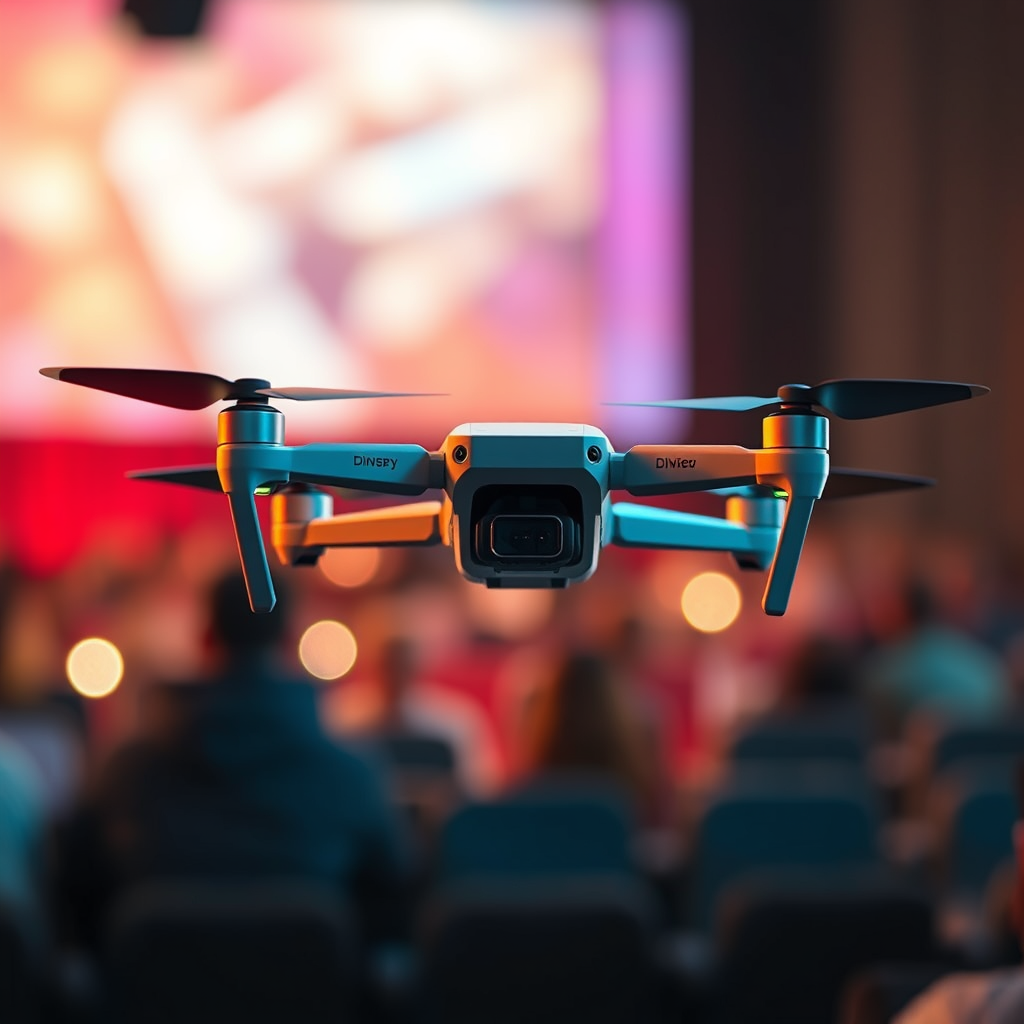
Many cheap drones can typically fly between 300 to 1,500 meters (1,000 to 5,000 feet) from their remote control, depending on several factors. Understanding the limitations of these devices can help you choose the right one for your needs and maximize its performance. The flight range of a drone is not solely dependent on its price; instead, it involves a combination of design specifications, environmental conditions, and regulatory constraints. This article delves into the intricacies of drone flight range and offers insights on selecting and optimizing the performance of budget-friendly drones.
Understanding Drone Specifications
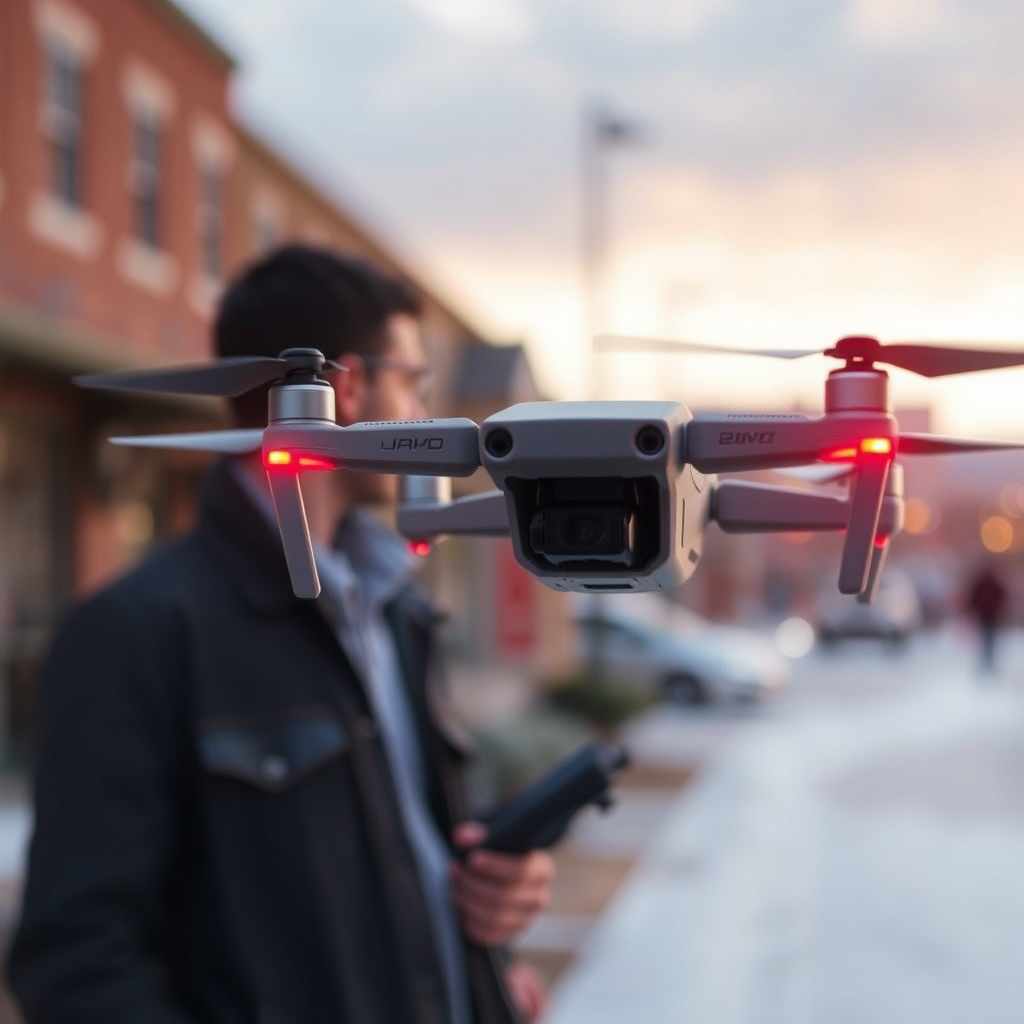
Drones have varying ranges based on their design and purpose, which is why understanding specifications is crucial for potential buyers. When evaluating a drone, two key specifications stand out: maximum flight distance and battery life.
Maximum flight distance is defined as the greatest distance a drone can travel from its remote control before losing connectivity. For cheap drones, this distance typically ranges from 300 meters to as much as 1,500 meters. Battery life, on the other hand, is measured in flight time, which can vary from approximately 5 to 30 minutes based on the drone’s design and the battery capacity. When selecting a drone, it’s essential to recognize that these specifications can differ significantly between models, even within the affordable range.
For example, a budget drone specifically designed for aerial photography may have a more powerful battery and enhanced communication systems, allowing for a greater flight range than a basic toy drone. Therefore, understanding these specifications is vital for selecting a drone that meets your specific requirements.
Factors Affecting Flight Range
Several factors can affect the flight range of cheap drones, and being aware of these can help users optimize their flying experience. Environmental factors such as wind, interference, and obstacles can greatly reduce flight distance. For instance, flying a drone in a windy area can lead to increased resistance, causing the drone to work harder to maintain its position and thus depleting its battery more quickly.
Moreover, interference from other electronic devices can disrupt the communication signal between the drone and its remote control, leading to a loss of control and reduced range. This is particularly relevant in urban areas where Wi-Fi signals and other electronic frequencies are prevalent. Additionally, physical obstacles, such as trees or buildings, can obstruct the line of sight needed for optimal control and signal strength.
The quality of the drone’s communication system also plays a crucial role in maintaining signal strength. Drones equipped with advanced communication technologies, such as 2.4 GHz or 5.8 GHz transmission systems, tend to provide more reliable and extended flight ranges compared to those using outdated or less efficient technologies.
Battery Life and Its Impact
Battery capacity directly influences how far a drone can travel before needing a recharge. Most cheap drones utilize lithium-polymer (LiPo) batteries, which have varying capacities measured in milliampere-hours (mAh). A higher mAh rating generally indicates a longer flight time, but this also depends on the drone’s power consumption during flight.
For example, a drone with a 1,000 mAh battery might offer around 10-15 minutes of flight time, while a higher-end model with a 2,500 mAh battery could extend that to 25 minutes or more. When evaluating a drone’s range, consider both the capacity of the battery and the drone’s efficiency in utilizing that power.
Additionally, the type of battery can significantly impact performance. Some drones are designed to support battery upgrades, allowing users to swap out for higher-capacity batteries, thereby enhancing flight time and range. Understanding these battery dynamics can assist users in making informed decisions about which drone to purchase for their specific needs.
Weight and Payload Considerations
Heavier drones or those carrying additional payloads may experience reduced flight distances. The weight of the drone, including any additional equipment such as cameras or sensors, plays a crucial role in its overall performance. As a drone gets heavier, its motors must work harder to maintain lift and stability, which can lead to increased battery consumption and, consequently, a shorter flight range.
For instance, a lightweight drone designed primarily for leisure flying might achieve a flight range of 1,000 meters without additional payload. However, once a camera is attached, the weight could reduce the effective range to 700 meters or less.
Understanding your drone’s weight limits can help optimize performance. Many manufacturers provide guidelines indicating the maximum payload capacity. Staying within these limits not only ensures better performance but also prolongs the drone’s lifespan by reducing strain on its motors and battery.
Regulations and Legal Limitations
Local regulations may restrict how far drones can be flown from the operator. In many countries, including the United States, the Federal Aviation Administration (FAA) has established rules that dictate where and how drones can be operated. For instance, drones must typically remain within the visual line of sight of the operator, which inherently limits their flight range.
Additionally, some areas may have specific no-fly zones, such as near airports, schools, or other sensitive locations, that could further restrict operational distance. Familiarizing yourself with drone laws in your area is crucial for ensuring compliance and avoiding potential fines or penalties.
Before flying, it is advisable to check local regulations and, if necessary, register your drone with the appropriate authorities. This knowledge not only helps in adhering to legal requirements but also contributes to safer flying practices.
Tips for Maximizing Flight Distance
To make the most out of your drone’s flight capabilities, consider the following tips for maximizing flight distance. Firstly, choose open areas with minimal interference for flying your drone. Locations away from buildings, trees, and other obstacles can help maintain a clear line of sight and enhance signal strength.
Regular maintenance of your drone is also essential for ensuring optimal performance and battery life. This includes checking the battery health, cleaning the propellers, and updating firmware to improve functionality.
Moreover, consider flying during favorable weather conditions, such as calm days with minimal wind, to enhance your drone’s performance. Lastly, practice efficient flying techniques, such as avoiding sharp turns and sudden altitude changes, which can drain battery life more quickly.
In conclusion, while cheap drones can offer impressive ranges, various factors can influence how far they can actually fly. Understanding the specifications, environmental impacts, battery dynamics, weight considerations, and regulatory constraints is key to making informed decisions and enhancing your flying experience. By considering these aspects, you can maximize the performance of your drone and enjoy the thrill of flight to the fullest. Always prioritize safety and legal compliance before taking off, ensuring an enjoyable and responsible aerial adventure.
Frequently Asked Questions
How far can a cheap drone typically fly?
The flight range of a cheap drone usually varies between 100 to 1,500 meters, depending on the model and its specifications. Basic entry-level drones might have a shorter range of around 100 to 300 meters, while slightly more expensive models can reach distances of up to 1,500 meters. Factors such as battery life, signal strength, and environmental conditions can also affect how far a drone can fly.
What factors influence the flight distance of a budget drone?
Several key factors influence the flight distance of a budget drone, including battery capacity, the quality of the transmitter and receiver, and environmental interferences such as obstacles and radio signals. Additionally, the weight of the drone and its design can impact aerodynamics, which can further influence how far it can fly. Understanding these factors can help users choose the right drone for their needs.
Why do some cheap drones have a limited flight range?
Cheap drones often have a limited flight range due to cost-cutting measures in their design and technology. Many budget models use lower-quality materials and components, which can affect battery life and signal transmission. Additionally, manufacturers may limit the maximum range to ensure safety and comply with regulations, as well as to enhance user experience for beginners who may not need extensive flight capabilities.
Which cheap drones are known for the best flight distance?
Some of the best budget drones known for their impressive flight distance include the Holy Stone HS720 and the Potensic D80. These models typically offer flight ranges of up to 1,000 meters or more, while still being affordable. When looking for a budget drone with long-range capabilities, consider features like GPS-assisted flight and better battery life, which contribute to enhanced distance.
How can I maximize the flight distance of my cheap drone?
To maximize the flight distance of your cheap drone, ensure that it is fully charged before use and keep it free from any physical obstructions that could interfere with the signal. Flying in open areas away from tall buildings or dense trees can enhance connectivity. Additionally, maintaining a clear line of sight with your drone and using a high-gain antenna can improve range and overall performance.
References
- https://en.wikipedia.org/wiki/Drone
- https://www.faa.gov/uas/getting_started/part_107/
- https://www.nasa.gov/aeroresearch/programs/uas
- https://www.wired.com/story/how-to-fly-a-drone/
- https://www.sciencedirect.com/science/article/pii/S2352864817301000
- https://www.techradar.com/news/how-to-fly-a-drone
- https://www.nationalgeographic.com/science/article/drones-technology-environment-animals
