
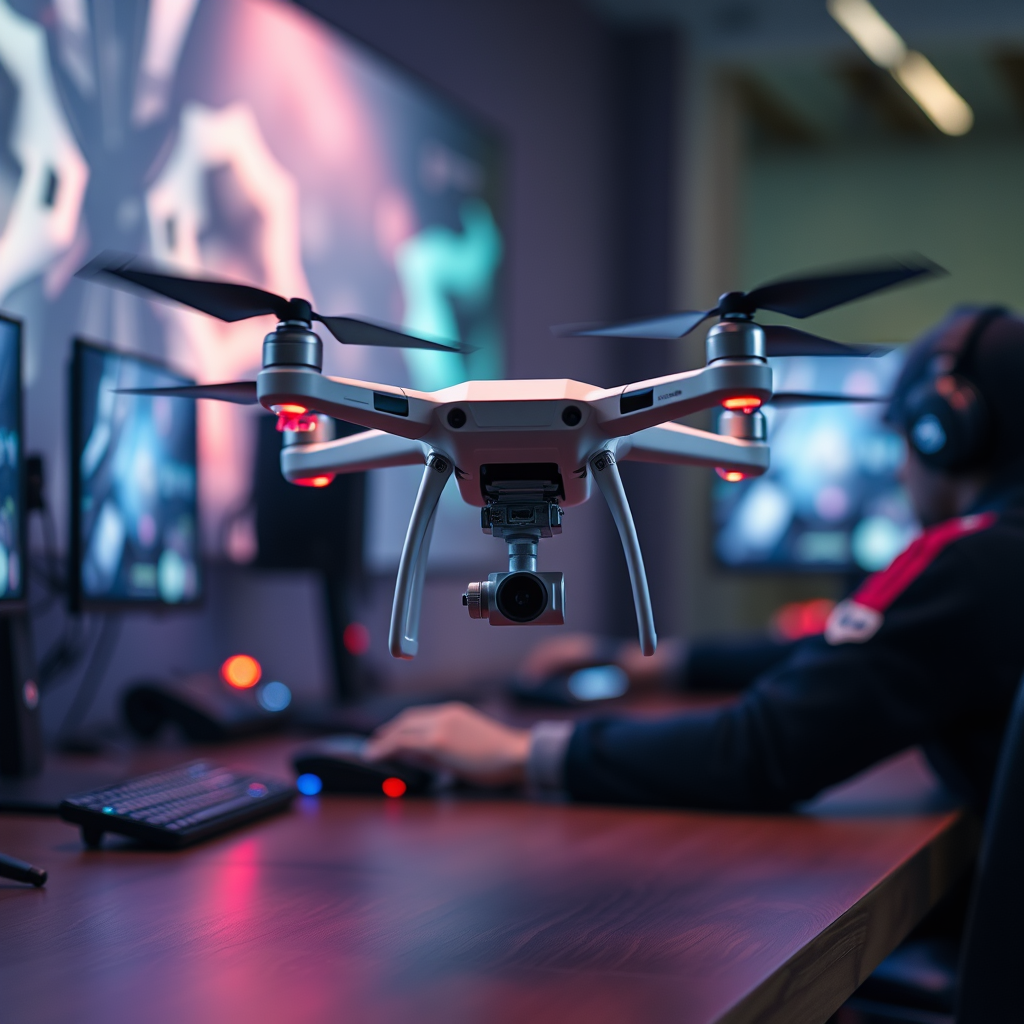
Drones can typically fly anywhere from 1 to 7 miles from their controller, depending on several factors such as the model, battery life, and environmental conditions. Understanding these limitations is crucial for safe and effective drone operation, especially for hobbyists and professionals alike. As drone technology continues to evolve, so do the capabilities and regulations surrounding their use, making it essential to stay informed about the factors that influence flight range.
Regulations Impacting Drone Distance
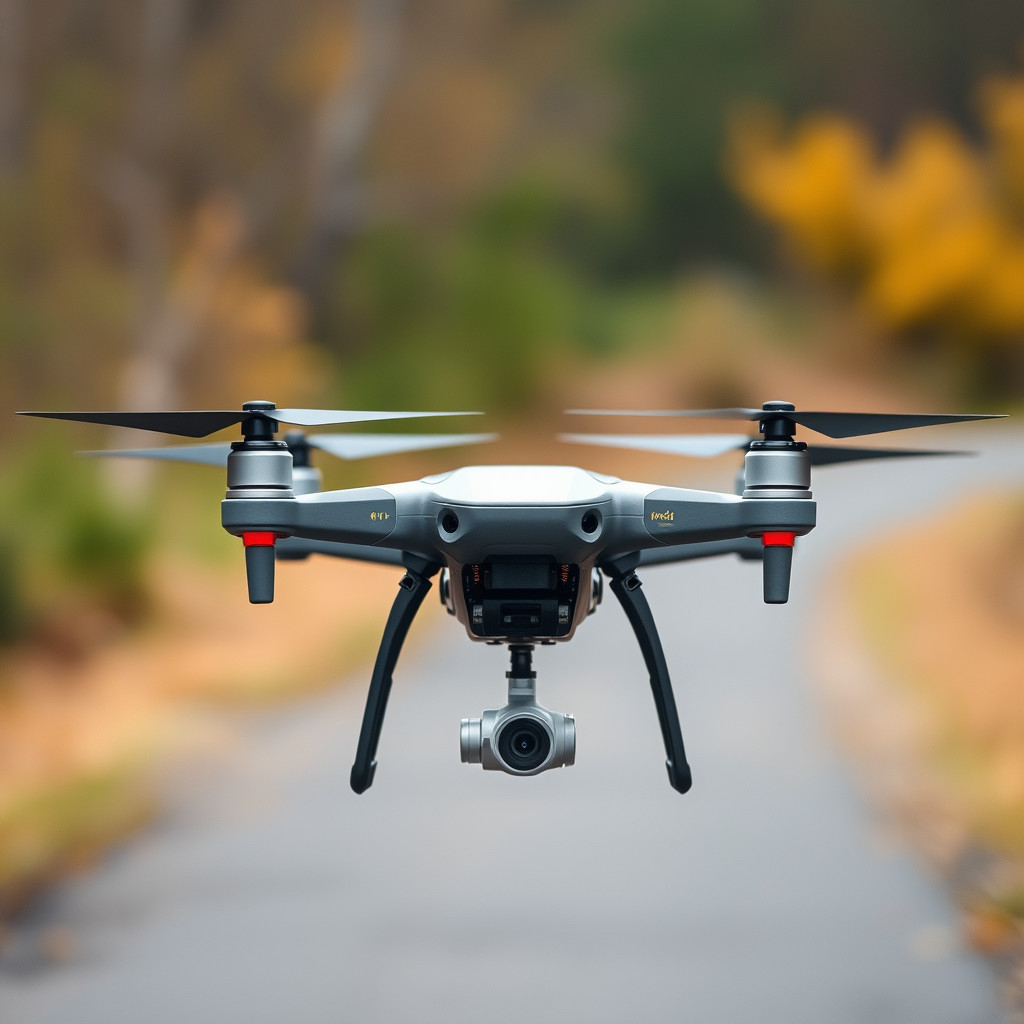
The legal landscape surrounding drone flight is constantly evolving, with regulations primarily established by the Federal Aviation Administration (FAA) in the United States. One of the key regulations is the requirement for pilots to maintain visual line of sight (VLOS) with their drones during operation. This means that, regardless of the drone’s technical capabilities, pilots must be able to see their drones at all times to ensure safety and compliance with the law. In practical terms, this often limits the effective flight distance to about 1 to 3 miles, although some experienced pilots may extend this range under specific circumstances.
Internationally, drone regulations vary widely. For instance, in the European Union, the European Union Aviation Safety Agency (EASA) has established a framework that includes specific operational categories, which can dictate maximum flight distances. Countries such as Australia and Canada also have their own regulations that may impact how far a drone can be flown from its controller. It’s crucial for drone operators to familiarize themselves with local laws before embarking on any flight to avoid potential legal repercussions.
Drone Technology and Range
The type of drone significantly impacts its flight range. Consumer drones, which are often designed for recreational use, typically have a shorter range, often between 1 to 3 miles. In contrast, professional drones, such as those used in commercial applications like aerial photography or agricultural monitoring, can boast ranges of up to 7 miles or more. This disparity is largely due to the advanced communication technologies incorporated into professional-grade drones, which utilize enhanced radio frequencies and signal processing techniques to maintain strong connections over longer distances.
For example, DJI, a leading drone manufacturer, offers models like the Mavic Air 2, which has a maximum range of up to 6.2 miles thanks to its OcuSync 2.0 transmission technology. This technology allows for high-definition video transmission and stable connectivity even in challenging environments. Furthermore, some high-end drones are equipped with redundant systems that help ensure a reliable signal, allowing pilots to operate at greater distances without compromising safety.
Environmental Factors Affecting Flight Range
Environmental conditions play a crucial role in determining how far a drone can effectively fly from its controller. Physical obstacles such as buildings, trees, and hills can significantly interfere with the drone’s signal, leading to loss of control or diminished performance. For instance, flying in urban areas with numerous structures can reduce the effective range due to signal reflection and obstruction.
Moreover, weather conditions can also impact flight capabilities. Wind can cause instability, making it difficult for a drone to maintain a steady flight path, while rain can damage sensitive electronic components. Pilots should always check weather forecasts and choose optimal flying days to maximize their drone’s performance. Understanding the local geography and potential environmental obstacles can help in planning flights that minimize these risks.
Battery Life and Its Importance
Battery capacity is another critical factor that determines how far a drone can fly. Most consumer drones are equipped with lithium-polymer batteries that offer varying flight times, typically ranging from 20 to 30 minutes on a full charge. However, the actual flying distance will be influenced by factors such as weight, flying speed, and environmental conditions. For instance, flying against strong winds or at high speeds can deplete battery life more rapidly, potentially leaving pilots with insufficient power to return the drone safely.
To avoid mid-air shutdowns, which can lead to crashes or loss of the drone, it is essential for operators to manage their battery usage effectively. Many drones come equipped with built-in battery management systems that provide alerts when the battery is running low. Pilots should develop a habit of monitoring their battery levels closely and planning their flights accordingly, ensuring they have ample power to return home safely.
Tips for Maximizing Drone Range
To extend the operational range of a drone, operators can implement several strategies. One effective method is to use signal boosters or range extenders, which enhance communication between the drone and the controller. These devices can amplify the signal and help maintain a connection over greater distances, allowing for more extended flights without losing control.
Another practical tip is to choose open areas for flying. Flying in locations with fewer obstacles minimizes interference and allows the drone to maintain a stronger signal with its controller. Parks, fields, and remote locations are often ideal for maximizing flight range. Additionally, pilots should perform pre-flight checks to ensure that all systems are functioning optimally, as any technical issues could lead to reduced range or performance.
Safety Considerations When Flying Drones
Safety should always be a top priority when flying drones. Maintaining visual contact with the drone is not only a regulatory requirement but also a fundamental safety measure. Pilots should avoid flying beyond their line of sight, as losing sight of the drone can lead to accidents or collisions.
Moreover, drone operators must be aware of no-fly zones, such as those near airports, military installations, and populated areas. Many drone navigation apps provide real-time information about restricted areas, helping pilots plan their flights safely. By adhering to regulations and being mindful of local laws, drone operators can ensure a safe flying experience for themselves and others.
In summary, while the distance a drone can fly from its controller can be significant, it is essential to consider regulations, technology, and environmental factors. By understanding these elements and implementing best practices, drone enthusiasts can enhance their flying experience while adhering to safety guidelines. Whether for recreational use or professional applications, being informed and prepared is key to successful drone operation.
Frequently Asked Questions
What factors determine how far a drone can fly from its controller?
The distance a drone can fly from its controller is primarily influenced by the drone’s transmission technology, battery life, and environmental conditions. Most consumer drones use either Wi-Fi or radio frequency (RF) for communication, with RF typically offering greater range. Additionally, obstacles such as buildings, trees, and interference from other electronic devices can significantly affect the signal strength and range.
How far can the average consumer drone fly from its controller?
The average consumer drone can typically fly between 1 to 5 miles from its controller, depending on the model and conditions. High-end models, like those from DJI, can reach distances of up to 7 miles or more under optimal conditions. However, it’s essential to consult the manufacturer’s specifications for exact range capabilities to ensure safe operation.
Why do some drones have a limited range compared to others?
The range of a drone can be limited by several factors, including the quality of the communication technology used, the drone’s design, and its intended purpose. Lower-end models may utilize basic Wi-Fi signals that can be easily disrupted by obstacles, while professional-grade drones often employ advanced RF systems that provide more robust and longer-range capabilities. Additionally, regulations and safety features may also impose limits on range.
What is the best way to extend the flying range of my drone?
To extend the flying range of your drone, consider upgrading to a model with advanced transmission technology, such as OcuSync or Lightbridge, which enhance signal clarity and distance. Additionally, flying in open areas with minimal obstacles, ensuring your drone’s firmware is updated, and using high-gain antennas can help improve communication range. Carrying spare batteries may also allow for longer flight times, enabling more distance exploration.
Which drones are known for their long-range capabilities?
Drones known for their long-range capabilities include models like the DJI Mavic 3, which boasts a range of up to 9 miles, and the Autel Robotics EVO Lite+, with a range of around 7 miles. These drones utilize robust transmission technologies that facilitate stable connections over long distances. When selecting a long-range drone, be sure to check user reviews and specifications to ensure it meets your specific needs and requirements.
References
- https://en.wikipedia.org/wiki/Drone
- https://www.faa.gov/uas/getting_started/remote_id
- https://www.nationalgeographic.com/science/article/how-drones-work
- https://www.reuters.com/technology/what-you-need-know-about-drones-2021-10-12/
- https://www.nasa.gov/centers/dryden/pdf/80262.pdf
- https://www.faa.gov/uas/resources/policy_library/
- https://www.ict.edu.au/research/drone-technology/
- https://www.techrepublic.com/article/how-far-can-a-drone-fly-remote-control-range/
- https://www.ncbi.nlm.nih.gov/pmc/articles/PMC7116850/
