
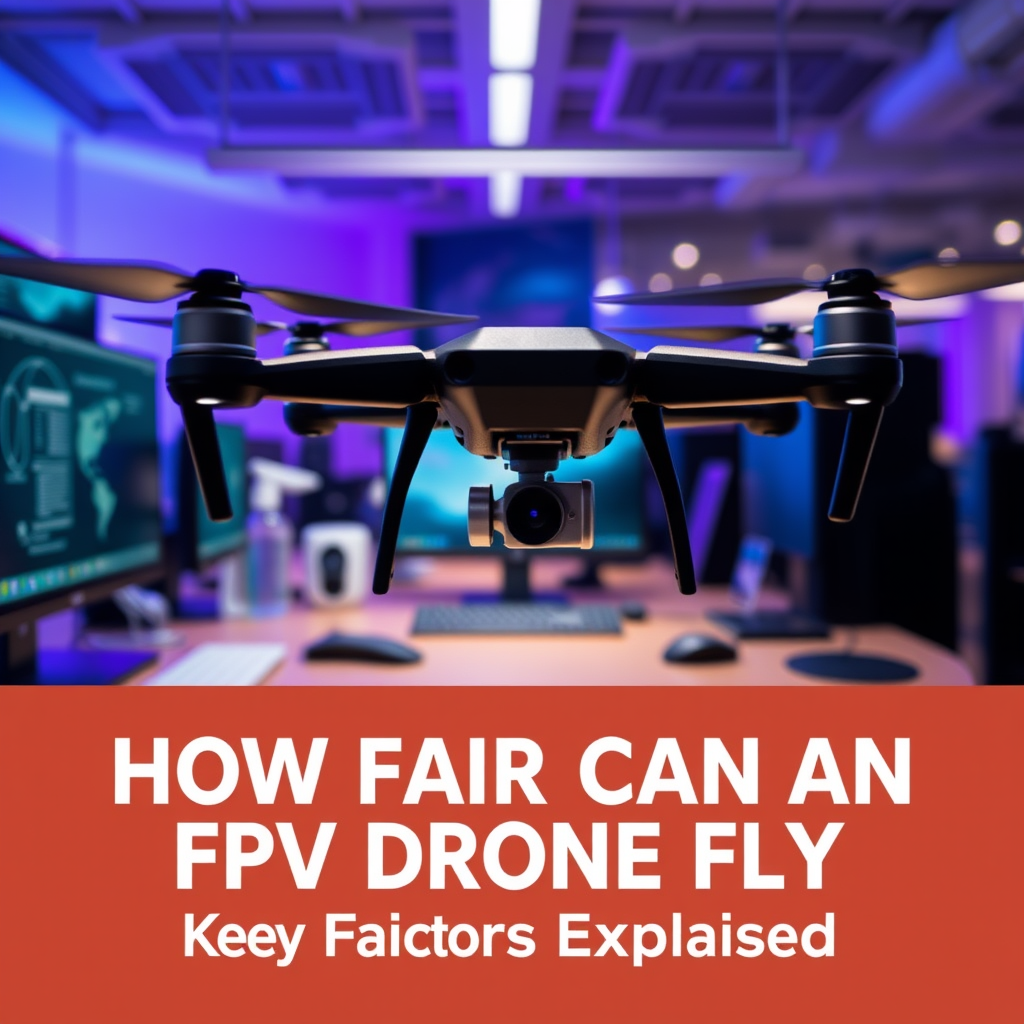
FPV drones can typically fly distances ranging from 1 to 10 kilometers, depending on various factors including the drone’s technology, the environment, and the pilot’s skill. By understanding these elements, enthusiasts can maximize their drone’s range and performance, ensuring a more enjoyable and effective flying experience.
Understanding FPV Drone Range
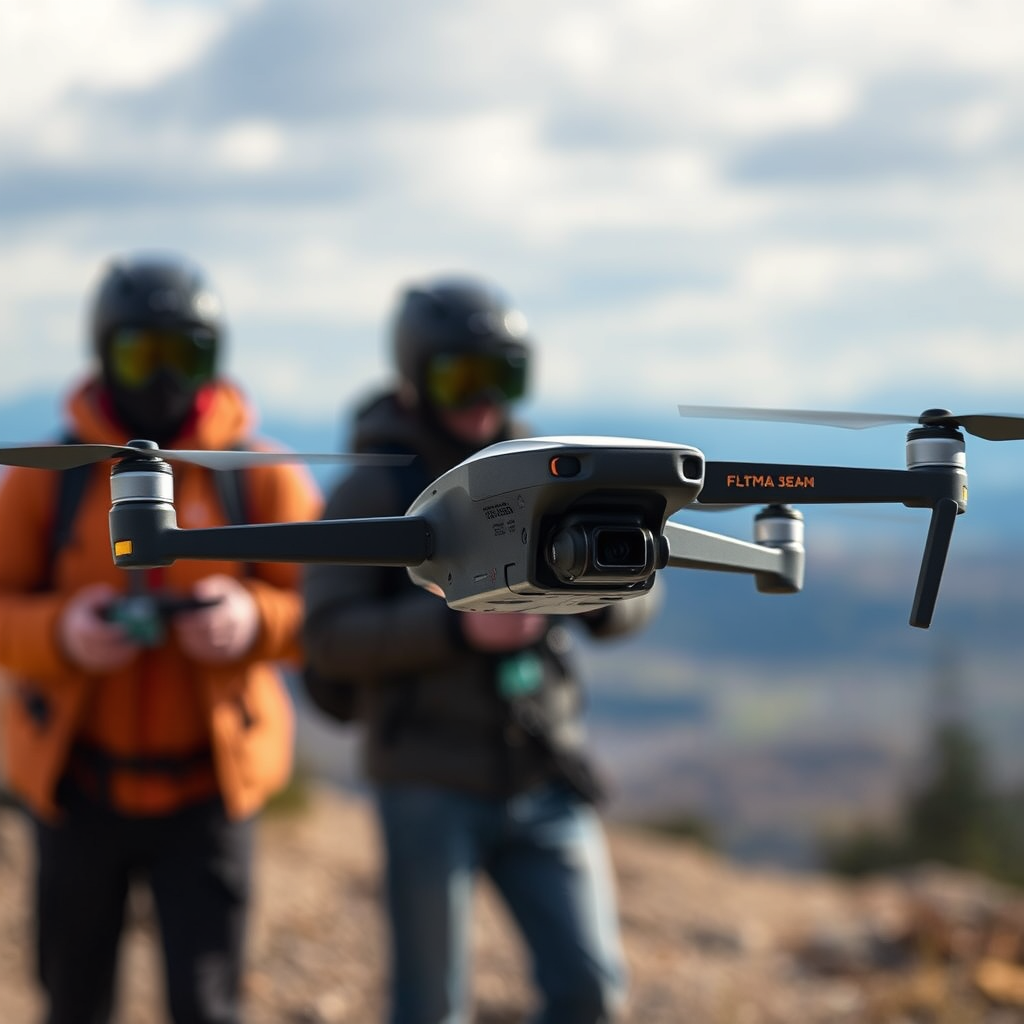
First-Person View (FPV) drones are remote-controlled aircraft equipped with cameras that transmit live video feeds to the pilot. This immersive experience allows operators to fly as if they were onboard, enhancing the thrill of drone flying. The range of FPV drones can vary significantly among different models. For example, entry-level models may have a range of around 1 kilometer, while high-end racing and cinematic drones can reach distances up to 10 kilometers or more. Popular models like the DJI FPV and the Fat Shark 101 provide a glimpse into the technology that enables these impressive distances, showcasing features such as enhanced antennas and optimized transmission protocols.
Factors Affecting Flight Distance
One of the primary factors influencing an FPV drone’s flight distance is signal strength, which is largely determined by the transmission technology used. Analog systems, while simpler and often cheaper, face limitations in range and quality, especially in urban environments with numerous obstacles. Digital systems, on the other hand, can provide clearer, more reliable signals over longer distances, but often come with a higher price tag. For instance, DJI’s OcuSync technology enables drones to maintain stable connections even at significant ranges.
Battery capacity and efficiency are also critical components that affect how far and long a drone can fly. Most FPV drones utilize LiPo (Lithium Polymer) batteries, which come in various capacities measured in milliamp hours (mAh). A higher capacity battery can provide more flight time, thereby extending the range. However, it’s vital to balance weight and battery size, as carrying an excessively large battery can reduce overall flight performance. For example, a drone with a 1500mAh battery may achieve 5-7 minutes of flight time, while one with a 2200mAh battery might extend this to 8-10 minutes, enabling longer distances.
Environmental Influences on Range
The environment in which an FPV drone operates plays a significant role in determining its flight distance. Obstacles such as buildings, trees, and mountains can disrupt signal transmission, leading to a reduced effective range. Urban settings often present challenges due to radio interference and a multitude of reflective surfaces, while open fields may allow for longer ranges due to fewer barriers.
Weather conditions also significantly impact flight capabilities. Wind can be particularly problematic, as strong gusts may affect a drone’s stability and control, forcing pilots to fly at closer ranges to maintain control. Rain and humidity can also interfere with electronic components and signal clarity. For optimal performance, pilots should check weather forecasts and avoid flying in adverse conditions.
Pilot Experience and Skill Level
The skill level and experience of the pilot are crucial factors in maximizing an FPV drone’s range. A well-trained pilot can effectively manage the drone’s controls, making adjustments in response to environmental challenges and maintaining the drone’s signal. For beginners, understanding the nuances of FPV flying can be daunting. As such, it’s advisable for novice pilots to start with shorter ranges to build confidence before attempting longer flights.
To extend flight range safely, beginners should consider practicing in open areas with minimal obstacles. Joining local FPV clubs or participating in community events can also provide valuable learning experiences. Additionally, using simulation software allows pilots to hone their skills without the risks associated with real-world flying.
Legal Regulations and Limitations
Flying FPV drones is subject to various legal regulations that can affect their operational range. Most jurisdictions require pilots to maintain a line-of-sight with their drone, which can limit how far they can fly. The Federal Aviation Administration (FAA) in the United States has established guidelines for drone operations, emphasizing the importance of visual contact. Pilots must also adhere to altitude restrictions and no-fly zones, which can further constrain their range.
Understanding local laws and regulations is critical for responsible drone operation. Many countries have enacted specific rules regarding drone usage, often requiring registration or certification for certain types of flights. Pilots should familiarize themselves with these regulations to avoid penalties and ensure a safe flying experience.
Tips to Maximize Your FPV Drone’s Range
To enhance an FPV drone’s range, several upgrades and modifications can be considered. Upgrading antennas to higher-gain models can improve signal strength and extend range. Additionally, utilizing range extenders or repeaters can help maintain signal integrity over longer distances.
Best practices for flying in open spaces are equally essential. Selecting locations far from urban settings minimizes interference and maximizes the potential range. Pilots should also fly at higher altitudes when possible, as this can reduce obstacles and enhance line-of-sight visibility. Regular maintenance checks on the drone’s components, including batteries and transmission systems, can ensure optimal performance.
In conclusion, the flight distance of an FPV drone is influenced by various interconnected factors, including technology, environmental conditions, regulations, and the pilot’s skill level. By understanding these elements and adopting strategic tips, pilots can significantly optimize their flying experience. For those looking to delve deeper into the world of FPV drones, explore our other articles for more insights and detailed information.
Frequently Asked Questions
How far can a typical FPV drone fly?
The flight range of a typical FPV (First Person View) drone can vary significantly based on several factors, including the drone model, the type of transmitter used, and environmental conditions. Generally, consumer FPV drones can fly anywhere from 1 to 5 miles (1.6 to 8 kilometers) under optimal conditions, while high-end racing drones equipped with advanced technology may reach distances of over 10 miles (16 kilometers). It’s important to note that regulatory restrictions and line-of-sight requirements can limit how far you can safely fly your FPV drone.
What factors affect the maximum flight distance of an FPV drone?
The maximum flight distance of an FPV drone is influenced by several key factors, including battery life, transmitter power, antenna quality, and environmental conditions like terrain and interference. Drones equipped with higher capacity batteries and stronger transmitters typically achieve longer distances. Additionally, flying in open areas with minimal obstacles or signal interference can significantly enhance the drone’s range, while flying near urban environments may reduce it due to signal blockage.
How can I increase the flight range of my FPV drone?
To increase the flight range of your FPV drone, consider upgrading to a more powerful transmitter and high-gain antennas that can improve signal strength. Additionally, using a higher-capacity battery can extend flight time, allowing for longer distances. It’s also beneficial to practice flying in open environments and reducing obstacles between the drone and the pilot. Lastly, consider using range extenders or repeaters for enhanced signal coverage.
Why is it important to know the flight distance of an FPV drone?
Knowing the flight distance of your FPV drone is crucial for several reasons, including ensuring safe operation and compliance with aviation regulations. Understanding the range helps you plan your flights effectively, allowing you to stay within legal limits and avoid losing control of your drone. Moreover, it aids in making informed decisions about equipment upgrades, battery management, and flight planning for capturing high-quality aerial footage or racing.
Which FPV drones have the longest flight ranges?
Some of the FPV drones known for their long flight ranges include the DJI FPV Drone, which boasts a range of approximately 6.2 miles (10 kilometers), and the Fat Shark 101, which can reach similar distances with the right setup. High-end racing drones, like those built for long-range flying with customized components, can also achieve impressive ranges. Always check the manufacturer’s specifications and user reviews to find the best FPV drone that meets your long-distance flying needs.
References
- https://en.wikipedia.org/wiki/FPV_drone
- https://www.faa.gov/uas/getting_started/fly_for_fun
- https://www.ncbi.nlm.nih.gov/pmc/articles/PMC6821121/
- https://www.researchgate.net/publication/324123456_The_Impact_of_FPV_Drones_on_Aerial_Imagery
- https://www.techrepublic.com/article/how-far-can-a-drone-fly/
- https://www.nytimes.com/2021/06/16/technology/drones-technology.html
- https://www.wired.com/story/how-far-can-you-fly-a-drone/
