
Drones can typically fly up to 3 to 7 miles from their operator, depending on the model, regulations, and environmental factors. The range of a drone is not solely determined by its technical specifications; it is also significantly influenced by legal frameworks and the operational environment. Understanding these limitations and the rules governing drone flight is essential for safe and effective operation. This article will explore key aspects influencing drone range, including technology, legal guidelines, and practical considerations.
Understanding Drone Range Limitations
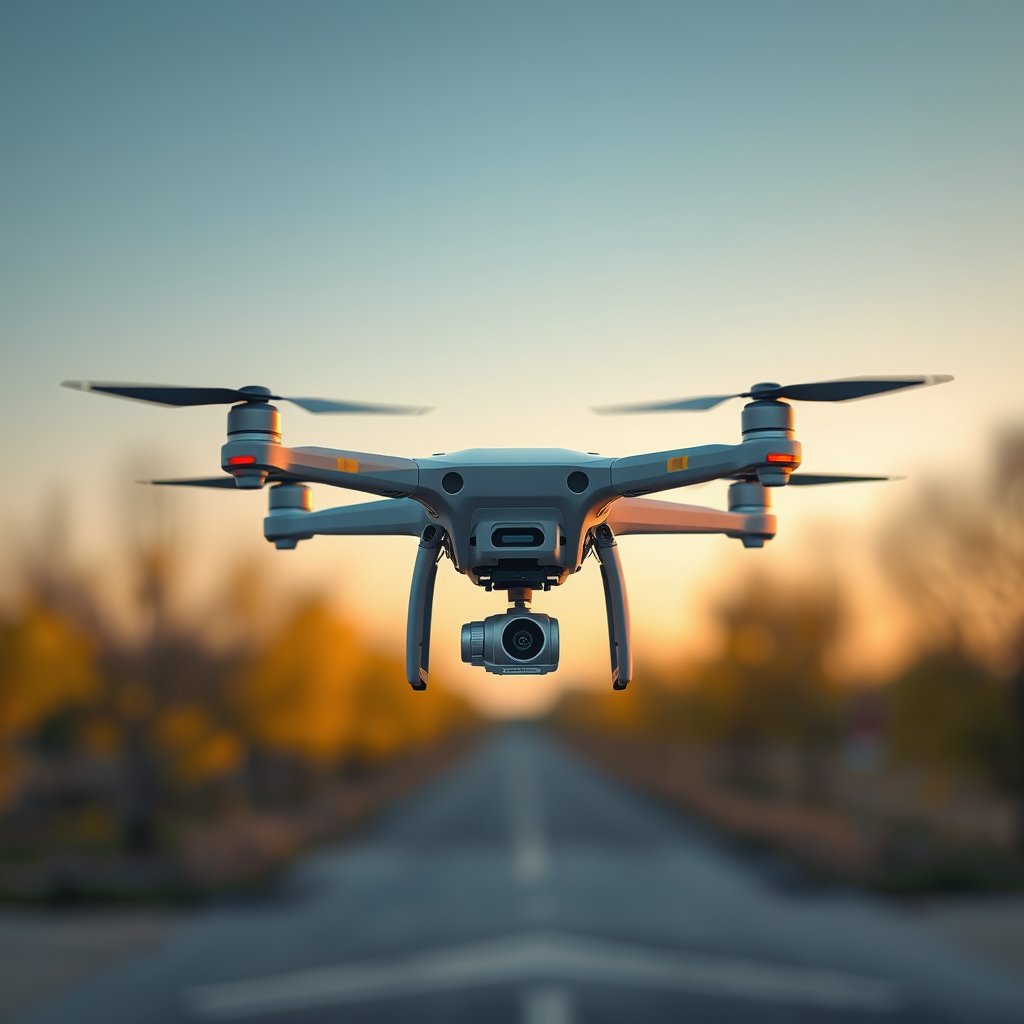
Different drone models exhibit varying maximum ranges, which are primarily influenced by battery life, design, and intended use. For instance, consumer drones such as the DJI Mavic series generally have a range of around 4 to 7 miles, while professional-grade models, like the DJI Matrice series, can exceed that range significantly. Battery capacity plays a critical role in determining how far a drone can fly before needing to return for a recharge. The more powerful the battery, the longer the flight time and, consequently, the greater the distance covered.
Moreover, environmental factors such as terrain and weather conditions can drastically affect signal strength and control. For example, flying in urban areas with numerous obstacles or in environments with significant electromagnetic interference can reduce the operational range. Rain, wind, or heavy cloud cover can also impact a drone’s performance, potentially leading to reduced flight distances. A drone operating in an open field will generally have a greater range than one flying in a densely populated city.
Regulatory Guidelines Affecting Flight Distance
Drone flight distances are also governed by regulatory guidelines established by aviation authorities, such as the Federal Aviation Administration (FAA) in the United States. These regulations often impose limits on how far a drone can fly from its operator. One primary regulation is the requirement for Visual Line of Sight (VLOS), which mandates that operators maintain a clear visual view of their drone at all times during flight. This requirement is in place to ensure that operators can make necessary adjustments and avoid obstacles or other aircraft.
In addition to VLOS, there are restrictions on flying near airports, over populated areas, and in controlled airspace, which further limit a drone’s operational range. Operators must familiarize themselves with local laws and regulations, as these can vary significantly by region and can change over time. Failure to comply with these regulations can lead to fines or legal action, making it imperative for drone operators to stay informed.
Technological Factors Influencing Range
The technological capabilities of a drone significantly influence its operational range. Key components such as transmitter power and antenna design play crucial roles in extending the range of control signals. Drones equipped with robust transmitters and high-quality antennas can achieve longer distances compared to models with less sophisticated technology.
Advanced drones may incorporate GPS and other navigation technologies that enhance stability and range. For example, drones equipped with high-precision GPS can maintain their position more reliably, allowing them to fly at greater distances without losing signal. Additionally, some drones utilize multiple frequency bands for communication, which can help overcome interference and extend their effective range. The development of 4G and 5G technology is also paving the way for enhanced drone communication, potentially allowing for even greater distances to be achieved in the future.
Practical Tips for Maximizing Flight Distance
To maximize the flight distance of a drone while ensuring compliance with regulations, operators should engage in thorough pre-flight planning. This includes checking local regulations and understanding any airspace restrictions that may be in place. Utilizing apps and tools that provide real-time information about airspace and potential hazards can be beneficial in this regard.
Additionally, employing signal repeaters or boosters can help extend the operational range of a drone. These devices amplify the control signals between the drone and the operator, which can be particularly useful in challenging environments. Operators should also consider conducting regular maintenance and firmware updates on their drones to ensure optimal performance and range.
Lastly, understanding the drone’s battery life and planning flights accordingly can prevent unexpected return landings due to low battery power. Operators should always keep an eye on battery levels and plan their routes to ensure a safe return to the launch point.
Risks of Flying Beyond Recommended Distances
Flying beyond the recommended distances can pose significant risks, including loss of control and increased chances of accidents. When a drone exceeds its operational range, it may lose connection with the operator, leading to potential crashes, property damage, or injury to people and animals. Such incidents not only raise safety concerns but can also lead to legal repercussions for the operator.
Furthermore, flying beyond the Visual Line of Sight (VLOS) can hinder an operator’s ability to navigate and avoid obstacles, increasing the likelihood of collisions with other aircraft, buildings, or natural features. It is crucial for operators to understand these risks and make informed decisions regarding their flight plans to ensure safe operations.
Future Trends in Drone Flight Range
The future of drone flight range looks promising, with several advancements on the horizon. Innovations in battery technology, such as lithium-sulfur and solid-state batteries, have the potential to significantly increase flight times and, consequently, operational range. These new battery technologies could enable drones to fly longer distances without the need for frequent recharging, making them more efficient and versatile.
Additionally, ongoing developments in communication systems may also enhance flight ranges. Technologies such as low Earth orbit (LEO) satellite networks are being explored for drone communication, which could allow for extended operational ranges beyond traditional limits. As these technologies mature, they may reshape the landscape of drone operations, enabling more complex missions and expanding the capabilities of drones in various industries.
Lastly, regulatory frameworks are also expected to evolve as drone technology advances. Policymakers are continually assessing how to balance safety with innovation, which may lead to more flexible regulations regarding flight distances and operational parameters.
In summary, while many drones can fly several miles from the operator, various factors influence this capability. Understanding the nuances of drone technology, regulatory guidelines, and practical considerations is essential for maximizing your drone’s potential. Whether you are a hobbyist or a professional, staying informed about these aspects will enhance your flying experience and ensure safe operations.
Frequently Asked Questions
How far can drones fly from the operator under FAA regulations?
Under FAA regulations in the United States, drones must be flown within the visual line of sight (VLOS) of the operator, which typically limits flight distances to about 3 to 4 miles. However, this distance can vary depending on the operator’s visual acuity and the drone’s capabilities. Pilots can use first-person view (FPV) goggles or screens to enhance their visibility, but they must still maintain control of the drone within VLOS.
What factors affect how far a drone can fly from its operator?
Several factors influence how far a drone can fly from its operator, including the drone’s transmission range, battery life, and environmental conditions. The quality of the controller and receiver can also impact the maximum distance. Additionally, obstacles like trees, buildings, or hills can interfere with signals, reducing effective range, while weather conditions such as wind and rain might further limit flying distances.
Why is it important to know the maximum distance a drone can fly?
Understanding the maximum distance a drone can fly is crucial for safety and compliance with local regulations. Exceeding this distance can result in loss of control, leading to crashes or accidents. Moreover, flying beyond the legal limits can result in penalties from aviation authorities, making it essential for operators to be aware of their drone’s capabilities and the regulations in their area.
What are the best practices for flying a drone at maximum distance from the operator?
To safely fly a drone at its maximum distance, operators should follow a few best practices, such as pre-flight planning to ensure the drone has sufficient battery life for the round trip. Staying updated with the latest firmware and software for the drone can enhance performance. Additionally, operators should conduct regular pre-flight checks and practice flying in open areas without obstacles to improve their skills before attempting longer flights.
Which drones are designed for long-range flying?
Drones specifically designed for long-range flying typically feature advanced transmission systems and extended battery life. Some popular models include the DJI Mavic 3, which boasts a flight range of up to 15 kilometers, and the Autel Robotics EVO Lite+, which offers a similar distance. When choosing a drone for long-range flights, consider the drone’s specifications, including transmission technology and battery capacity, to ensure it meets your flying needs.
References
- https://en.wikipedia.org/wiki/Drone_flight_range
- https://www.faa.gov/uas/getting_started/remote_pilot/
- https://www.nasa.gov/mission_pages/uep/overview/index.html
- https://www.dronepilotgroundschool.com/drone-flight-rules-distance-from-operator/
- https://www.reuters.com/technology/drones-are-becoming-smarter-and-more-autonomous-2021-06-02/
- https://www.theguardian.com/us-news/2021/jun/17/us-drone-strikes-afghanistan
- https://www.ncbi.nlm.nih.gov/pmc/articles/PMC7289309/
- https://www.techrepublic.com/article/what-you-need-to-know-about-drone-flight-distance-and-regulations/
